
As you gaze up at the night sky, have you ever stopped to consider the phases of the moon? One phase in particular can be both fascinating and elusive: the waning gibbous. This phase occurs when the moon is more than half full but still appears to be decreasing in size as it moves away from full moon. To capture stunning images of this phase, or simply to appreciate its beauty, understanding its characteristics and visibility is key.
You might wonder what makes the waning gibbous so special, aside from being a transitional phase between full and last quarter. In many cultures, the waning gibbous moon holds significance as a time for release and transformation. As we’ll explore in this article, learning about the waning gibbous can not only enhance your stargazing experience but also help you anticipate and capture its fleeting beauty.
You’ll learn how to identify the waning gibbous, understand its unique characteristics, and discover tips for photographing it effectively. By the end of this article, you’ll be able to recognize and appreciate the waning gibbous moon in all its glory.
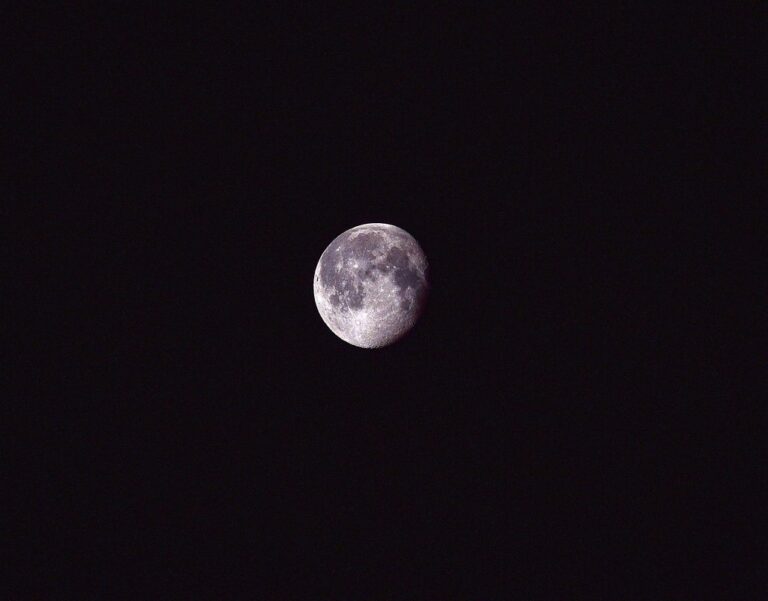
What is a Waning Gibbous Moon?
A waning gibbous moon is one of the most distinctive and beautiful lunar phases, characterized by a gradual decrease in illuminated disk. Let’s take a closer look at its unique features.
Characteristics of a Waning Gibbous Moon
A waning gibbous moon is easily recognizable by its shape and position in the sky. The moon appears as a curved crescent with the illuminated portion on the right side of the disk, gradually decreasing in size as it approaches the new phase. As the moon continues to move away from full moon, its lighted area becomes increasingly asymmetrical, creating an uneven edge that’s more pronounced than during other lunar phases.
The waning gibbous moon typically rises at a relatively late hour, often after midnight or shortly before dawn. Its position in the sky is also noteworthy – as it moves through the ecliptic, the path of the sun, stars, and planets, the waning gibbous moon will appear to shift westward relative to the background stars. This can be an interesting observation for astronomers and stargazers who track the moon’s nightly progression.
To spot a waning gibbous moon in the sky, look for it near the horizon after midnight or before dawn. The best viewing times are usually when the moon is at its highest point in the sky, just before it begins to set.
Moon’s Age During Waning Gibbous Phase
As the waning gibbous phase progresses, the moon’s age significantly impacts its brightness and visibility. During the early stages of the waning gibbous phase, when the moon is around 70-80% illuminated, it appears relatively bright due to its large angular size. However, as the phase advances and the moon continues to decrease in illumination, its brightness also decreases.
When the moon reaches around 50-60% illumination, it begins to appear more subdued, making it slightly easier to observe during the day. This is because the reduced brightness helps to counterbalance the increased scattering of shorter wavelengths by the Earth’s atmosphere, allowing for clearer visibility. Conversely, as the waning gibbous phase nears completion and the moon approaches 30-40% illumination, its brightness drops significantly.
To maximize observation of a waning gibbous moon, it’s essential to consider the time of day and atmospheric conditions. Typically, the best viewing times occur when the moon is high in the sky, away from direct sunlight and obstructions. By understanding the interplay between the moon’s age and its visibility, you can plan your observations and make the most of this unique lunar phase.
Phases of the Moon: A Brief Overview
Let’s get familiar with the lunar cycle before focusing on waning gibbous phases, so we can understand where they fit in. The moon goes through eight distinct phases, each with its unique characteristics and timing.
Lunar Cycle Basics
The lunar cycle is a continuous process that repeats approximately every 29.5 days. It begins with the new moon, when the side of the Moon facing Earth is not illuminated by the Sun. As the Moon orbits Earth, more and more of its illuminated surface becomes visible from our planet, causing it to appear as a waxing crescent in the sky.
The first quarter occurs when the Moon has completed one-quarter of its orbit around Earth, and the right half of its illuminated surface is visible. The Moon continues to wax until it reaches full moon, where the entire illuminated face is on display. Following full moon is the waning gibbous phase – which we’ll explore in more detail later.
The lunar cycle has several distinct phases: new moon, waxing crescent, first quarter, waxing gibbous, full moon, waning gibbous, last quarter, and waning crescent. Understanding these phases can help you better appreciate the ever-changing appearance of our closest celestial neighbor. For example, observing a waxing crescent in the morning and waning crescent at night will give you a sense of how much the Moon’s position changes over time.
Key Differences Between Waning Gibbous and Other Phases
The waning gibbous phase has distinct characteristics that set it apart from other lunar phases. One key difference is its position relative to the Sun and Earth. Unlike a new moon, which is invisible from our vantage point, a waning gibbous moon is visible in the sky, although its brightness decreases as it moves away from full moon.
Another distinction lies in its shape. A waning gibbous moon appears more like a crescent than a full circle, but with more than half of its illuminated surface exposed. This is different from a waxing crescent moon, which has less than half of its illuminated surface visible. The angle of the sun’s light also affects the appearance of the moon, making it appear more angular or “lopsided” at certain times.
In terms of visibility, a waning gibbous moon can be seen in the morning sky, often shortly before sunrise. This is because the Earth has moved slightly away from the moon’s position in its orbit, causing it to rise earlier and set later than during full moon. Understanding these differences can help you better appreciate the unique characteristics of the waning gibbous phase and plan your observations accordingly.
Astronomy and the Waning Gibbous Moon
As you gaze up at a waning gibbous moon, its changing shape can tell us a lot about the position of our celestial companion in the sky. Let’s take a closer look at how astronomy comes into play during this phase.
Moon’s Orbit and Its Impact on Visibility
The moon’s orbit has a significant impact on its visibility during the waning gibbous phase. One key factor is lunar declination, which refers to the angle between the moon’s orbit and the Earth’s equator. As the moon moves through its elliptical orbit, its declination changes, affecting how high it appears in the sky. When the moon’s declination is greatest, it can be visible for longer periods, but its visibility is also affected by solar illumination.
During the waning gibbous phase, the sun’s position on the horizon has a significant impact on the moon’s visibility. As the sun rises earlier in the morning, the moon sets earlier, making it less visible in the evening sky. This is because the sun’s light scatters through the Earth’s atmosphere, reducing the contrast between the moon and the surrounding sky.
To maximize your chances of spotting a waning gibbous moon, try to observe it during the few hours after sunset when the sky is dark enough for the moon to be visible. Avoid observing too close to sunrise, as the sun’s illumination will make the moon harder to see.
Effects of Earth’s Atmosphere on Observing the Moon
Atmospheric conditions can significantly impact our observations of the waning gibbous moon. Air pollution, for instance, can scatter shorter wavelengths of light, making it difficult to see fine details on the lunar surface. This is why cities with high levels of air pollution often appear to have a more hazy or diffuse moon.
Humidity also plays a role in observing the moon. When the air is moist, it can cause images to become distorted or blurry, especially through binoculars or telescopes. This makes it challenging to discern subtle features on the lunar surface.
Temperature fluctuations can also affect our view of the waning gibbous moon. Extreme temperatures can cause telescope lenses to expand and contract, leading to distortions in the image. In addition, temperature changes can influence the stability of tripod legs, making it harder to maintain a steady aim.
To minimize these effects, astronomers often use specialized equipment designed to mitigate atmospheric interference. For example, some telescopes are equipped with adaptive optics that compensate for temperature-induced distortions.
Cultural Significance of the Waning Gibbous Moon
The waning gibbous moon has been a source of fascination and inspiration for cultures around the world, reflecting our collective connection to the lunar cycle. Let’s explore how different societies have interpreted this phase.
Lunar Symbolism in Mythology and Folklore
The waning gibbous moon has been imbued with rich symbolism across various cultures and mythologies. In ancient Greece, for instance, the waning gibbous moon was associated with the goddess Selene’s descent into Hades, representing the cycle of life and death. Similarly, in Norse mythology, the waning gibbous moon was linked to the god Odin’s journey into the underworld, signifying transformation and renewal.
In many cultures, the waning gibbous moon is also seen as a harbinger of change, often associated with endings and conclusions. In some African traditions, it’s believed that the waning gibbous moon has the power to release old energies and facilitate new beginnings. This mythological significance highlights the importance of paying attention to the subtle shifts in the lunar cycle.
Interestingly, some modern-day astrologers and spiritual practitioners continue to draw inspiration from these ancient associations. They often recommend reflecting on past experiences and letting go of what no longer serves them during the waning gibbous phase. By tuning into these symbolic meanings, you can tap into the transformative potential of this moon phase and cultivate a deeper understanding of its significance in your life.
Calendar Systems and the Waning Gibbous Phase
Different calendar systems have various ways of incorporating the waning gibbous phase. In lunar calendars, which track the cycles of the moon, the waning gibbous phase is often seen as a time of decreasing light and energy. The Islamic calendar, for example, divides the month into different segments based on the moon’s phases, with the waning gibbous phase marking the beginning of the last quarter.
In solar calendars, which are based on the Earth’s orbit around the sun, the waning gibbous phase may not be explicitly marked. However, some cultures use the waning gibbous moon as a signal to prepare for harvest or to reflect on past accomplishments. The ancient Greeks, for instance, associated the waning gibbous moon with the god Apollo and saw it as a time of introspection and self-reflection.
Understanding how different calendar systems incorporate the waning gibbous phase can provide insight into cultural practices and traditions surrounding this lunar phase. It’s essential to note that many cultures have unique perspectives on the waning gibbous moon, and what one culture sees as a time of decline, another may view as an opportunity for growth or renewal.
Practical Applications for Observing a Waning Gibbous Moon
Now that you understand what makes a waning gibbous moon unique, let’s explore some practical ways to observe and incorporate this lunar phase into your daily life.
Tips for Photographing the Waning Gibbous Moon
When photographing a waning gibbous moon, camera settings play a crucial role. A wide-angle lens (between 10-24mm) is ideal for capturing the entire lunar disk. Set your camera to manual mode and adjust the aperture to f/5.6 or higher to ensure sufficient depth of field. For optimal results, use a tripod to prevent camera shake and allow for long exposures.
Lighting conditions are also essential. Aim for a clear sky with minimal cloud cover, as moonlight can be affected by atmospheric haze. Avoid photographing during the peak sun hours (usually between 11am-3pm) when the sun’s rays can create harsh shadows on the lunar surface. Instead, opt for early morning or late evening shoots when the light is softer and more flattering.
Composition techniques are equally important in capturing high-quality images of a waning gibbous moon. Experiment with framing the moon within the foreground landscape, using prominent features like trees or buildings to add context and depth. Alternatively, try isolating the moon against a dark sky for a striking contrast effect.
Activities and Events Associated with the Waning Gibbous Phase
Host moon-gazing parties or stargazing events during the waning gibbous phase to create a sense of community and foster interest in lunar observation. These gatherings can be an excellent opportunity for people to come together and appreciate the beauty of the Moon’s changing phases.
Consider partnering with local astronomy clubs, observatories, or planetariums to host these events. They often have experienced staff and volunteers who can provide expert guidance on observing the Moon. You can also invite guests to bring their own telescopes or binoculars for a collaborative viewing experience.
Some popular activities to include during these gatherings are lunar observations, moon photography contests, or even stargazing scavenger hunts. Make sure to publicize your events in advance through social media, flyers, and local newspapers to attract a diverse group of attendees. By hosting moon-gazing parties during the waning gibbous phase, you can create a unique experience that brings people together while promoting a deeper appreciation for the night sky.
Frequently Asked Questions About Waning Gibbous Moons
You may have questions about the waning gibbous phase, and we’ve compiled a list of answers to common concerns to help you better understand this lunar phenomenon. Below, find explanations for frequently asked questions.
Q: What is the difference between a waning gibbous and waning crescent moon?
A waning gibbous moon appears as a curved disk with a significant portion of its illuminated surface still visible. In contrast, a waning crescent moon displays only a thin sliver of illumination on one side. This difference in appearance is due to the relative position of the sun and the Earth in relation to the moon.
As the moon orbits the Earth, it takes about 29.5 days to complete its cycle. During this time, the amount of illuminated surface that’s visible from our planet changes. A waning gibbous moon occurs when the moon is more than half-illuminated but not yet a full half-circle. The timing for these two phases is crucial: a waning gibbous moon appears in the sky after the first quarter phase, while a waning crescent moon appears before the new moon.
To distinguish between the two, look for the amount of illumination on the lunar surface. If you see a noticeable curve of light, it’s likely a waning gibbous moon. As the moon continues its orbit and approaches the new moon phase, the illuminated area will shrink until only a thin crescent remains.
Q: Can I see a waning gibbous moon during the day?
A waning gibbous moon is typically not visible during the day because it rises before sunrise and sets after sunset. However, there are exceptions to this rule. If you’re living near the equator or at high latitudes, the moon’s position in its orbit might allow it to be seen during daylight hours. The best time for viewing a waning gibbous moon is usually early morning or late evening when it’s still visible against the bright sky.
To spot a waning gibbous moon during the day, you’ll need to know where to look and how to distinguish it from the surrounding light. Look for the moon in the eastern sky just before sunrise or in the western sky shortly after sunset. A waning gibbous moon will appear as a bright, crescent-shaped disk with a curved edge.
Keep in mind that even if you can spot the waning gibbous moon during the day, it might be challenging to make out its details due to the brightness of the surrounding light. It’s essential to have a clear view of the sky and use binoculars or a telescope to get a closer look at the moon’s surface features.
Conclusion
Understanding Waning Gibbous Phases is a complex astronomical phenomenon that can be both fascinating and challenging to comprehend. As we’ve explored throughout this article, the waning gibbous phase occurs when the Moon appears to be decreasing in size as it moves away from full moon. This phase is often overlooked, but it’s essential for astronomers and stargazers alike to understand its characteristics. The key takeaways from this article can be summarized as follows: you must observe the Moon at the right time to see the waning gibbous phase, which typically occurs 3-4 days before last quarter; the gibbous shape is a result of the Moon’s illuminated surface area decreasing; and its visibility depends on the observer’s location and atmospheric conditions. By grasping these concepts, you’ll be better equipped to appreciate the beauty and intricacies of our celestial neighbor, the Moon.
Frequently Asked Questions
Q: How can I use my smartphone to track the waning gibbous moon’s position and timing?
A: You can download mobile apps like Sky Map or Moon Phase Pro that allow you to enter your location and view the current lunar phase, including the waning gibbous moon. These apps often provide features for tracking the moon’s movement across the sky.
Q: What if I live in an area with heavy light pollution? Can I still observe a waning gibbous moon?
A: Yes. While light pollution can make it more challenging to see the details of the waning gibbous moon, you can still observe its presence and brightness. Consider using binoculars or a telescope to enhance your viewing experience.
Q: How long does it take for a waning gibbous moon to complete its phase?
A: The duration of each lunar phase varies due to the moon’s elliptical orbit. A waning gibbous moon typically lasts around 3-4 days, but this can vary depending on your location and the specific timing of the phase.
Q: Can I use a camera with a wide-angle lens to capture a panoramic shot of the waning gibbous moon?
A: Yes, you can use a wide-angle lens to capture a broader view of the moon in the sky. However, be aware that using a wide-angle lens may also introduce distortions or vignetting, especially if the moon is near the horizon.
Q: What are some tips for photographing the waning gibbous moon during a full moon cycle?
A: When photographing the waning gibbous moon during a full moon cycle, it’s essential to use a polarizing filter to reduce glare from the sun and enhance the moon’s detail. Additionally, consider using a tripod and setting your camera for manual exposure control to achieve optimal results.