
Snowflake obsidian is one of the most prized forms of obsidian, known for its stunning white patterns on a dark background. You may have seen beautiful snowflake obsidian jewelry or decorative pieces, but do you know how to identify this unique stone? Authenticating snowflake obsidian can be challenging due to its similarities with other types of obsidian and even fake stones. This comprehensive guide aims to equip you with the knowledge to confidently identify genuine snowflake obsidian. We’ll explore the formation processes that create these distinctive patterns, discuss the key characteristics and properties of snowflake obsidian, and walk through authentication techniques to ensure you’re buying or collecting genuine stone. By the end of this article, you’ll be able to accurately distinguish real snowflake obsidian from impostors.
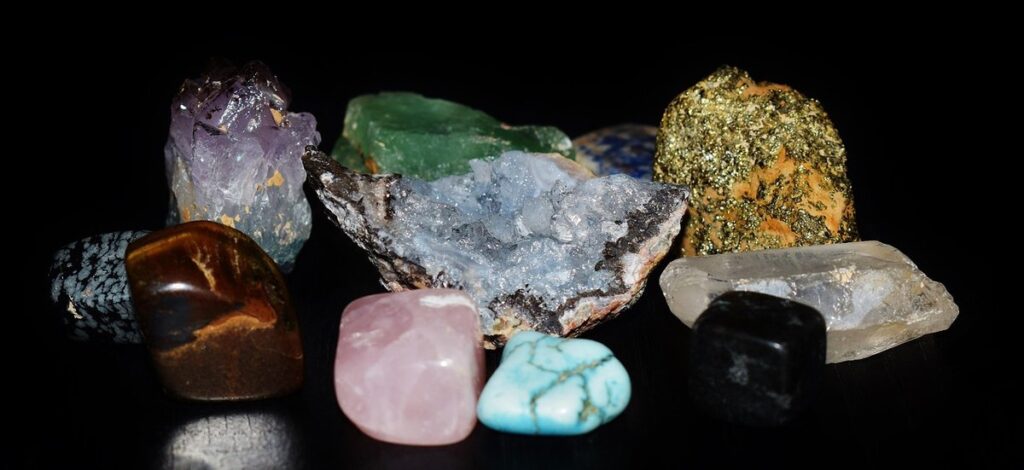
Understanding Snowflake Obsidian
To truly appreciate the beauty of snowflake obsidian, you need to understand its unique characteristics and what makes it different from other types of obsidian. This section breaks down its key features.
What is Snowflake Obsidian?
Snowflake obsidian is a type of volcanic glass formed through a rapid cooling process. This occurs when lava flows quickly onto a surface, such as ground or water, causing it to solidify rapidly without enough time for the formation of crystals. As a result, snowflake obsidian exhibits a glassy texture with no visible crystal structure.
The unique characteristics of snowflake obsidian are directly tied to its rapid cooling process. Unlike other types of volcanic glass that form when lava cools slowly, allowing crystals to develop over time, snowflake obsidian retains its amorphous, non-crystalline structure. This amorphous quality gives snowflake obsidian a distinctive appearance and texture.
To identify snowflake obsidian, it’s essential to understand its formation process. Snowflake obsidian can resemble other types of volcanic glass or even other minerals, but its unique glassy texture is often a giveaway. When examining specimens, look for the absence of visible crystals or a lack of crystalline structure. Keep in mind that heat treatment can also affect the appearance and clarity of snowflake obsidian.
Identifying Key Characteristics
When examining snowflake obsidian, several key characteristics set it apart from other types of obsidian. The first and most striking feature is its dark color, typically ranging from deep black to a dark brown or gray. This is due to the presence of iron oxide impurities, which give snowflake obsidian its unique hue. In addition to its dark color, snowflake obsidian often exhibits a glassy appearance, reflecting light in a smooth and uniform manner.
This glassy sheen can be attributed to the rapid cooling process that formed the stone, which prevented the growth of crystals. As a result, the surface of snowflake obsidian tends to appear smooth and even, with few visible imperfections.
In terms of patterns, snowflake obsidian is renowned for its intricate designs, often resembling small white or silver “snowflakes” against a dark background. These patterns can be quite delicate and may require magnification to fully appreciate their detail. By paying close attention to these distinctive characteristics – color, luster, and pattern – you’ll be well-equipped to identify snowflake obsidian with confidence.
Types of Snowflake Obsidian
There are several unique types of snowflake obsidian, each with its own distinct appearance and characteristics that can help you identify it. Let’s take a closer look at the main varieties to become more familiar with their features.
Schillerization
Schillerization is a distinctive feature of high-quality snowflake obsidian, resulting from the unique combination of metal oxides present during its formation. When these metals are distributed unevenly throughout the glassy matrix, they create shimmering patterns that appear as iridescent flashes or wispy trails. This phenomenon occurs due to the oxidation of tiny inclusions and microscopic fractures within the stone.
To identify schillerization in a specimen, look for areas where the typical black background is disrupted by subtle glints or metallic sheens. These shimmering effects can be either diffuse and scattered throughout the surface or concentrated in specific patterns, such as radial spokes or wispy filaments. In some cases, the iridescence may appear more pronounced under specific lighting conditions, like a desk lamp or natural daylight.
When examining snowflake obsidian for schillerization, note that the intensity and distribution of these effects can vary greatly between specimens. The most valuable stones often exhibit intense, uniformly distributed shimmering patterns, whereas less desirable examples may display duller or patchier iridescence.
Matrix Patterns
Matrix patterns in snowflake obsidian are a result of minerals or gas bubbles forming within the glassy material. There are several types of matrix patterns found in snowflake obsidian, each with distinct characteristics.
The most common type is a network of thin, branching fibers that resemble spider webs. These “feather-like” patterns often appear as a series of fine, wispy lines that crisscross the stone. In some cases, these fibers can become more pronounced and develop into a mesh-like pattern.
Another type of matrix pattern is characterized by rounded or oval-shaped gas bubbles, often clustered together in groups. These “bubble patterns” can range from small and sparse to large and densely packed. They may also appear as isolated bubbles scattered throughout the stone.
Some snowflake obsidians display more complex matrix patterns, featuring intersecting lines, swirling shapes, or even what appears to be a miniature landscape of hills and valleys. These patterns are often the result of high-pressure gas bubbles forming within the glassy material during its formation process.
When examining a snowflake obsidian specimen for matrix patterns, look for these distinctive characteristics: the size, shape, and distribution of the fibers or bubbles, as well as any notable differences in color or clarity surrounding them.
Properties and Behavior
Now that we’ve covered snowflake obsidian’s appearance, let’s take a closer look at its unique properties and behaviors that set it apart from other types of obsidian. You’ll want to know what to expect when working with this stone.
Hardness and Durability
Snowflake obsidian is known for its exceptional hardness and durability. It has a Mohs hardness rating of 5-6, which means it can withstand scratches from common gemstones like quartz and topaz. However, it may be susceptible to scratching from harder materials such as emery or corundum.
In terms of heat resistance, snowflake obsidian is generally stable up to around 500°C (932°F). At temperatures above this point, it may exhibit thermal shock, leading to cracking or discoloration. When exposed to high temperatures, observe the stone for any signs of damage, such as cracks, discoloration, or a dull appearance.
Snowflake obsidian is also relatively resistant to chemical damage. However, exposure to acidic substances like vinegar or citrus can cause etching on its surface. This type of damage may appear as small pits or pitting on the stone’s surface. To minimize this risk, avoid exposing snowflake obsidian to harsh chemicals or cleaning products.
When handling snowflake obsidian, it is essential to be gentle and avoid applying excessive pressure, which can cause scratches or chips. Regularly inspecting your piece for any signs of damage will help you identify potential issues before they become more severe.
Heat Treatment Effects
Heat treatment can significantly alter the appearance and properties of snowflake obsidian. When heated to high temperatures, usually between 1,000°F to 1,200°F (538°C to 649°C), the stone’s natural patterns may change or become distorted. This is because heat causes the formation of new glassy phases within the rock, which can lead to a range of effects.
Some common changes include:
- Darker or more intense patternation: Heat treatment can cause the natural gray or white patterns to darken or become more pronounced.
- Altered crystal structures: The high temperatures can change the orientation and growth habits of the crystals, resulting in new or modified patterns.
- Loss of transparency: Some heat-treated snowflake obsidian may appear less transparent due to the formation of glassy phases.
It’s essential for collectors and enthusiasts to be aware of these changes when identifying snowflake obsidian. Heat treatment can make it difficult to distinguish between natural and treated stones, which is why knowledge of these effects is crucial for accurate identification.
Authenticity and Identification Challenges
One of the biggest obstacles in identifying snowflake obsidian is verifying its authenticity, as many specimens are naturally occurring but of lower quality. We’ll walk you through how to spot fake material and identify genuine pieces.
Telling Real from Fake
To spot genuine snowflake obsidian from synthetic or fake specimens, pay attention to inclusions and imperfections. Genuine snowflake obsidian typically exhibits a network of tiny gas bubbles, often visible as small inclusions within the stone’s glassy matrix. These bubbles can be scattered randomly throughout the stone or may appear in distinct patterns.
Synthetic snowflake obsidian, on the other hand, is often produced using a process called Schillerization, which involves heating and cooling the material to create a controlled pattern of gas bubbles. While synthetic specimens may mimic the inclusions found in genuine snowflake obsidian, they often lack the subtle variations in bubble size, shape, and distribution.
Look for imperfections such as irregularities in the stone’s surface or inconsistent patterns of gas bubbles. Genuine snowflake obsidian can also exhibit small pits or cavities, which are a natural result of its formation process. If the stone appears too uniform or lacks these minor imperfections, it may be synthetic or fake.
Common Misidentifications
To identify snowflake obsidian accurately, it’s essential to consider common misidentifications. One stone often mistaken for snowflake obsidian is black tourmalinated quartz, also known as “tiger’s eye quartz.” This mineral has a similar appearance, but its chatoyant effect is typically more pronounced and its color tends towards blue or gold undertones.
Another stone that might be confused with snowflake obsidian is lab-created obsidian. While it mimics the appearance of natural snowflake obsidian, lab-created obsidian often lacks the characteristic schillerization patterns. Furthermore, its surface may exhibit a smooth, glassy finish rather than the rougher texture found in naturally occurring snowflake obsidian.
To distinguish between these stones and true snowflake obsidian, examine the stone’s surface closely for schillerization patterns and check for any signs of treatment or enhancement. Note that lab-created obsidian is often less expensive than natural snowflake obsidian, so be wary of unusually low prices when purchasing a piece of this mineral.
Care and Maintenance
To keep your snowflake obsidian specimen looking its best, it’s essential to follow proper care and maintenance techniques to prevent damage and preserve its unique appearance. This includes handling it carefully and storing it in a secure location.
Cleaning Snowflake Obsidian
Cleaning snowflake obsidian requires gentle methods to preserve its delicate patterns. Avoid using harsh chemicals, abrasive cleaners, or rough cloths, as these can damage the stone’s surface or cause it to lose its luster. Instead, use a soft-bristled brush and mild soap solution to gently clean the stone.
For more thorough cleaning, mix 1 tablespoon of mild dish soap with 2 cups of warm water. Dip a soft-bristled toothbrush into the solution and wring out excess water. Gently scrub the stone, working from one area to another. Rinse the brush frequently to prevent re-depositing dirt onto the stone.
Avoid using ultrasonic cleaners or steam cleaning methods, as these can cause damage to the stone’s patterns or lead to cracking. Instead, dry your snowflake obsidian specimen with a soft cloth after washing it. This will help prevent water spots from forming.
When cleaning around intricate matrix patterns, use a cotton swab dipped in mild soap solution to gently clean between the patterns. For more delicate areas, consider using a Q-tip or small brush to avoid spreading dirt or causing damage. Regular cleaning and maintenance will help preserve your snowflake obsidian’s beauty and keep it looking its best.
Storage and Display
To preserve the appearance of snowflake obsidian, it’s essential to store and display these stones properly. Avoid exposing them to direct sunlight, as this can cause fading or discoloration over time. Instead, place the stones near a north-facing window or use UV-filtering glass to minimize damage.
When storing snowflake obsidian, use a soft cloth or pouch to wrap each piece separately. This will prevent scratching and abrasion between stones. Store them in a cool, dry place away from moisture, as water can cause etching or staining on the surface.
For display purposes, consider using a velvet-lined display case or a shadow box with acid-free matting. These materials won’t transfer dyes or oils to the stone, which can damage its appearance over time. When cleaning snowflake obsidian for display, use a soft-bristled brush and mild soap solution to avoid scratching the surface.
Some collectors also prefer displaying their snowflake obsidian in a rotating display stand, allowing for easy viewing from multiple angles. Whatever display method you choose, ensure it’s stable and secure to prevent accidental drops or damage to the surrounding environment.
Market and Price Guide
As you search for snowflake obsidian, understanding market trends and price fluctuations is crucial. This guide will help you make informed purchasing decisions by breaking down current market rates and prices.
Current Market Trends
The current market for snowflake obsidian is characterized by varying levels of demand and supply. High-quality, well-formed specimens with prominent schillerization patterns command higher prices due to their rarity. These pieces can range from $100 to over $1,000, depending on size, clarity, and overall aesthetic appeal.
In recent years, the availability of snowflake obsidian has increased, particularly for lower-grade material. This surplus has driven down prices for common specimens, making them more accessible to collectors and beginners. However, the quality of these stones can be inconsistent, and buyers should exercise caution when purchasing from new or unestablished sellers.
Online marketplaces have become a significant platform for buying and selling snowflake obsidian. While this has expanded accessibility, it also increases the risk of counterfeit or misrepresented stones. Buyers must carefully research sellers, read reviews, and verify authenticity before making a purchase. When shopping in-person, inspecting the stone’s weight, color, and schillerization pattern can help identify potential issues.
Factors Affecting Value
The value of snowflake obsidian specimens can vary significantly due to several key factors. Provenance is a major influencer, with stones sourced from reputable mines or dealers commanding higher prices than those with unknown origins. Quality and rarity also play a crucial role: unique patterns, high concentrations of schillerization, or exceptional matrix formations can drive up the value.
Size and weight are additional considerations, as larger specimens often fetch more than smaller ones due to their aesthetic appeal and potential for display or jewelry use. Cutting style can also impact value – polished stones with intricate faceting may be more desirable than rough or uncut specimens.
Authenticity is essential, as fake or treated snowflake obsidian can greatly decrease its value. In some cases, the presence of inclusions or imperfections might actually enhance a specimen’s appeal to collectors seeking unique characteristics. When buying or selling snowflake obsidian, it’s vital to research and understand these factors to make informed decisions. Evaluating the stone’s condition, rarity, and market demand can help determine its true value.
Advanced Identification Techniques
To take your snowflake obsidian identification skills to the next level, we’ll be exploring more advanced methods for verifying authenticity and distinguishing it from similar stones. This includes examining inclusions and patterns under magnification.
Microscopy and Imaging
When examining snowflake obsidian under a microscope, you’ll notice the presence of tiny, rounded cavities within the crystal structure. These features are a result of the rapid cooling process that creates snowflake obsidian’s characteristic patterns. By using polarized light microscopy, you can observe the orientation and distribution of these cavities, which can help identify the stone as authentic.
In addition to microscopy, advanced imaging techniques such as scanning electron microscopy (SEM) and atomic force microscopy (AFM) can provide detailed information about the surface topography and crystal structure of snowflake obsidian. These methods are particularly useful for studying the unique characteristics of specific specimens or identifying potential inclusions that might affect the stone’s value.
For example, SEM imaging can reveal the presence of minute inclusions, such as tiny gas bubbles or mineral particles, which can help distinguish genuine snowflake obsidian from treated or synthetic materials. By combining microscopy and imaging techniques with careful observation of physical properties and other identification methods, you can build a comprehensive understanding of a specimen’s composition and authenticity. This level of detail is essential for advanced collectors or researchers seeking to verify the provenance of their specimens.
Chemical Testing
Chemical testing is a valuable tool for verifying the authenticity and composition of snowflake obsidian specimens. In some cases, a sample may exhibit characteristics that raise questions about its identity, prompting the need for further investigation.
One common chemical test used to identify snowflake obsidian involves analyzing the presence of iron oxide and titanium dioxide. These elements are typically present in significant quantities within the stone’s matrix, contributing to its distinctive schillerization patterns. A simple acid-etching technique can help reveal these micro-inclusions, allowing for a more accurate assessment.
Another critical test is the Mohs hardness scratch test, which can indicate whether the specimen has been treated with heat or other substances that might alter its mineral composition. Snowflake obsidian typically exhibits a relatively low Mohs hardness score of around 5-6 on the scale, making it vulnerable to scratching and etching. Any deviations from this norm may suggest tampering or artificial enhancements.
In practice, chemical testing is often conducted using specialized equipment such as X-ray fluorescence (XRF) machines, which provide rapid and accurate measurements of elemental composition. Results should be carefully evaluated in conjunction with visual inspections and other identification methods to ensure accuracy.
Frequently Asked Questions
Can I use artificial lighting to enhance the schillerization effect in snowflake obsidian?
You can’t replicate schillerization with artificial lighting. This unique characteristic occurs naturally due to the presence of microscopic gas bubbles within the glassy material, which refract light and create the distinctive patterns. While you can highlight these features with proper lighting, it won’t create new schillerization.
How do I know if a snowflake obsidian specimen has been heat-treated?
Identifying heat treatment in snowflake obsidian requires expertise and specialized equipment. Look for inconsistencies in pattern distribution or unusual color variations that don’t match the natural characteristics of the stone. Consult with a professional gemologist or use advanced testing methods to determine authenticity.
What if I find a snowflake obsidian specimen with an unusual matrix pattern – how do I research its value?
To research the value of an unusual snowflake obsidian specimen, consult reputable sources, such as industry publications, online marketplaces, and collector forums. Document the stone’s unique characteristics and compare it to similar specimens that have sold in the past. Consider consulting a professional appraiser or gemologist for expert advice.
Can I use snowflake obsidian for jewelry making, or will its properties make it prone to damage?
Snowflake obsidian is generally durable and suitable for jewelry making, but its glassy composition does make it more susceptible to scratching and chemical damage. To minimize risks, use protective coatings or sealants, and avoid exposing the stone to harsh chemicals or extreme temperatures.
What’s the best way to store snowflake obsidian specimens to preserve their appearance?
Store snowflake obsidian specimens in a cool, dry place away from direct sunlight and moisture. Use acid-free tissue paper or storage boxes specifically designed for gemstones to prevent damage from handling or environmental factors. Avoid storing them in humid environments, such as basements or attics.