
Snowflake obsidian is a type of volcanic glass that has been prized for its unique, delicate patterns. You might be wondering about the hardness of snowflake obsidian, particularly if you’re considering working with this material in jewelry-making or other crafts. As it turns out, understanding the hardness of snowflake obsidian is crucial to both handling and caring for it. On a Mohs hardness scale, which measures a mineral’s resistance to scratching, snowflake obsidian ranks around 5-6 – relatively soft compared to quartz or topaz, but still significantly harder than calcite or gypsum. In this article, we’ll explore the specifics of snowflake obsidian’s hardness and how it compares to other minerals, as well as provide expert tips on how to properly handle and care for this beautiful volcanic glass material so you can enjoy its unique beauty for years to come.
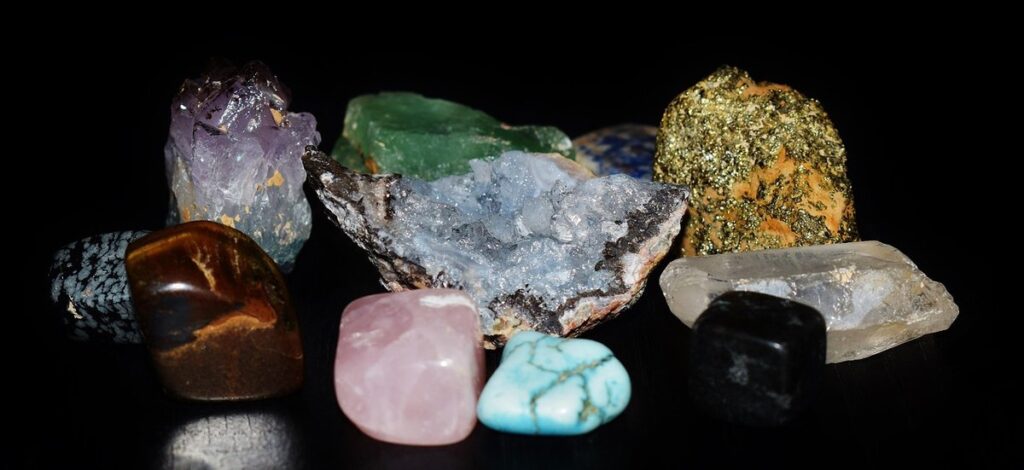
What is Snowflake Obsidian?
Snowflake obsidian is a unique and sought-after gemstone, but what exactly makes it so special? Let’s take a closer look at its origins and composition.
Definition and Formation Process
Snowflake obsidian is a unique type of volcanic glass formed from rapidly cooled lava flows. This rapid cooling process allows for the formation of a distinctive pattern of radially arranged gas bubbles, which give snowflake obsidian its characteristic appearance. Unlike other types of obsidian, which can form through more gradual cooling processes, snowflake obsidian’s rapid origin is responsible for its unique composition and properties.
Snowflake obsidian typically contains around 70-80% silica, with the remaining percentage consisting of alumina, iron oxide, and water. The gas bubbles trapped within the glass create a network of small, spherical voids that can affect the mineral’s hardness and durability. These inclusions are often visible to the naked eye as a pattern of tiny holes or “snowflakes” on the surface of the stone.
While snowflake obsidian shares some physical properties with other types of volcanic glass, its unique formation process sets it apart. The rapid cooling of lava flows allows for the creation of distinct patterns and inclusions that are not typically found in more slowly cooled materials.
Types of Snowflake Obsidian
Snowflake obsidian is a type of volcanic glass characterized by its unique, snowflake-like patterns. These patterns are formed due to the rapid cooling of lava flows, which creates a glassy surface with intricate designs. There are several types of snowflake obsidian, each with distinct patterns and properties.
One common variety is known as “snowflake obsidian with a silver sheen,” featuring a predominantly white or gray base color with a silvery iridescence. Another type has a more mottled appearance, with patches of brown or black in an otherwise white matrix. In some cases, the snowflakes may be smaller and more delicate, while others display bold, chunky patterns.
The pattern and size of the snowflakes can also affect the obsidian’s hardness and durability. For example, snowflake obsidian with larger, more prominent patterns may be more prone to chipping or cracking due to its uneven surface structure. In contrast, smaller patterns often result in a harder, more durable material.
It’s essential for collectors and craftsmen to understand these differences when selecting snowflake obsidian for use in jewelry making or other applications. By considering the specific characteristics of different types, you can make informed decisions about which pieces are best suited for your needs.
The Mohs Hardness Scale: A Framework for Understanding Mineral Hardness
To truly grasp the durability and hardness of snowflake obsidian, you need to understand how it ranks on the Mohs scale, a widely accepted measure of mineral hardness. We’ll break down this framework next.
Introduction to the Mohs Scale
The Mohs hardness scale is a fundamental tool in geology for measuring mineral durability. Developed by Friedrich Mohs in 1812, it ranks minerals based on their scratch resistance. The scale ranges from 1 (softest) to 10 (hardest), with each number corresponding to a specific mineral that can scratch the one below it but not the one above.
The significance of the Mohs hardness scale lies in its simplicity and practicality. It allows geologists to quickly determine the relative hardness of a mineral without needing specialized equipment. This is particularly useful for fieldwork, where identifying minerals can be challenging due to limited resources.
To use the Mohs hardness scale effectively, you need to understand which minerals correspond to each number. For example, talc (1) is very soft and can easily scratch calcite (3), but not quartz (7). This knowledge helps you assess a mineral’s potential for durability in various environments. When working with snowflake obsidian, knowing its Mohs hardness rating of 5-6 provides valuable insights into its resistance to scratches and wear. By applying this information, you can better understand the characteristics of snowflake obsidian and make informed decisions about its use in jewelry making or other applications.
How Snowflake Obsidian Ranks on the Mohs Scale
Snowflake obsidian ranks a 5-6 on the Mohs hardness scale. This means it is relatively soft compared to other minerals, which can be prone to scratching and wear. To put its ranking into perspective, snowflake obsidian falls below quartz (7) and feldspar (6), but above gypsum (2-3). Its relative softness makes it more susceptible to damage from heat, pressure, and impact.
When compared to other volcanic glass materials, snowflake obsidian’s Mohs rating is consistent with the hardness of other types of obsidian. However, its ranking can vary slightly depending on the specific crystal structure and inclusions present within the stone. It’s essential for jewelers and crafters to consider this factor when working with snowflake obsidian, as it may be more prone to cracking or shattering than harder minerals.
The Mohs hardness scale is a useful tool for understanding the durability of minerals like snowflake obsidian. By knowing its ranking, you can better anticipate how it will perform in various settings and take steps to protect it from damage. For example, using a soft cloth and avoiding exposure to extreme temperatures can help minimize wear on this relatively soft mineral.
Factors Affecting Snowflake Obsidian’s Hardness
As you consider purchasing snowflake obsidian jewelry, understanding what affects its hardness is crucial. We’ll examine the key factors that impact the durability of this beautiful stone.
Environmental Conditions
Snowflake obsidian’s hardness can be compromised by environmental conditions that affect its physical structure over time. Temperature fluctuations are a significant concern: repeated heating and cooling cycles can cause the mineral to expand and contract, leading to micro-cracks and reduced durability. High humidity is also detrimental, as it allows water molecules to seep into the crystal structure, causing it to weaken.
Exposure to chemicals is another environmental factor that can impact snowflake obsidian’s hardness. Acidic substances, in particular, can react with the mineral’s silica content, breaking down its bonds and reducing its hardness. For example, prolonged exposure to cleaning products or other acidic materials can cause snowflake obsidian to become brittle and prone to chipping.
To mitigate these effects, it’s essential to store snowflake obsidian jewelry or decorative items in a cool, dry place, away from direct sunlight and chemical contaminants. When displaying or handling the mineral, avoid exposing it to extreme temperatures or humidity levels. Regular cleaning with mild soap and water can help maintain its appearance, but be cautious not to use harsh chemicals that might damage the material.
Handling and Care Tips
When handling snowflake obsidian, it’s essential to be gentle and mindful of its fragility. Avoid dropping the stone or subjecting it to impact, as even minor collisions can cause micro-fractures that compromise its durability. Clean your snowflake obsidian jewelry gently with a soft-bristled brush and mild soap; avoid harsh chemicals, ultrasonic cleaners, or abrasive materials that can scratch or etch the surface.
To minimize wear and tear, store your snowflake obsidian pieces separately from other minerals to prevent scratching or damage. You can wrap each piece in tissue paper or cloth to provide extra protection during storage. When displaying your snowflake obsidian jewelry, consider using a display case or stand that keeps it elevated and out of direct contact with surfaces.
Some common mistakes to avoid include exposing your snowflake obsidian to extreme temperatures (such as leaving it in a hot car on a sunny day) and subjecting it to high humidity, which can cause it to become brittle and prone to cracking. By following these handling and care tips, you can help preserve the beauty and integrity of your snowflake obsidian pieces for years to come.
The Relationship Between Snowflake Obsidian’s Hardness and Its Applications
Snowflake obsidian’s hardness plays a crucial role in determining its suitability for various applications, from jewelry to decorative objects. Let’s examine how its durability affects its uses in detail.
Jewelry Making and Crafting
Snowflake obsidian’s unique properties make it an ideal material for various craft projects, particularly jewelry making. Its distinctive veining and pattern give it a visually appealing quality, which can be accentuated through cutting and polishing techniques. When used in jewelry, snowflake obsidian’s hardness holds up well against everyday wear, reducing the need for frequent repairs or replacements.
However, its relatively soft nature (5.5 on the Mohs scale) means that snowflake obsidian is not suitable for more demanding applications, such as engagement rings or high-impact pendants. Instead, it shines in pieces with a more delicate design, like earrings, pendants, or statement necklaces. Crafters can also combine snowflake obsidian with harder materials to create visually striking and durable pieces.
In terms of crafting techniques, snowflake obsidian responds well to faceting, which brings out its internal patterns and adds visual interest. It’s also suitable for wire wrapping, beading, and metal-stamping projects, where its smooth surface allows for secure attachment points. By leveraging snowflake obsidian’s unique characteristics, crafters can create one-of-a-kind pieces that showcase this material’s beauty while minimizing potential durability issues.
Artistic and Collectible Value
Snowflake obsidian’s unique appearance and durability have made it a highly sought-after material for artists and collectors. In certain markets, such as fine art and high-end jewelry making, snowflake obsidian is prized for its rarity and aesthetic appeal. Its distinctive veining patterns and glassy texture create a sense of depth and visual interest that is difficult to replicate with other materials.
When it comes to artistic value, snowflake obsidian’s hardness plays a crucial role in determining its potential as a medium for sculptural or carved pieces. Because it can withstand significant wear and tear without scratching or breaking, snowflake obsidian is an attractive option for artists who want to create durable, long-lasting works of art.
In terms of collectible value, snowflake obsidian’s rarity and unique characteristics make it a highly valuable material. Fine examples of snowflake obsidian jewelry or decorative objects can command high prices at auction, especially if they are accompanied by documentation attesting to their authenticity and provenance. For collectors, understanding the hardness of snowflake obsidian is essential for evaluating its value and potential as an investment piece.
Comparison with Other Minerals: Durability and Hardness
If you’re considering using snowflake obsidian for a project, it’s essential to compare its durability and hardness to other popular minerals like quartz and amethyst. Let’s see how it stacks up against these competitors.
Obsidian vs. Other Volcanic Glass Materials
When comparing snowflake obsidian to other volcanic glass materials, it’s essential to understand their unique characteristics. Black onyx and rainbow obsidian are two popular types of volcanic glass that share similarities with snowflake obsidian but also have distinct differences.
Black onyx is known for its denser, more homogeneous structure, which can make it more resistant to scratches and wear. However, this density also makes black onyx more prone to cracking under thermal stress. Rainbow obsidian, on the other hand, has a more porous structure that allows for the formation of iridescent colors. This porosity can compromise its hardness, making it more susceptible to etching and corrosion.
In contrast, snowflake obsidian’s unique glassy texture and relatively low density make it more resistant to thermal shock but also more prone to scratches. When working with these materials, it’s crucial to consider their individual strengths and weaknesses. For instance, if you’re planning to use a volcanic glass in a piece of jewelry that will be exposed to harsh chemicals or extreme temperatures, black onyx might be a better choice due to its resistance to etching.
Here are some key differences between snowflake obsidian and other common types of volcanic glass:
- Hardness: Black onyx (6-7 on the Mohs scale), Rainbow Obsidian (5-6), Snowflake Obsidian (5-6)
- Density: Black onyx (higher), Rainbow Obsidian (lower), Snowflake Obsidian (relatively low)
Contrast with Non-Glass Minerals
Snowflake obsidian’s hardness is often misunderstood as being among the hardest minerals due to its glassy appearance. However, it ranks a 5-6 on the Mohs hardness scale, which puts it in the same category as other relatively soft minerals like calcite and gypsum. In contrast, non-glass minerals such as quartz (7), topaz (8), and corundum (9) are significantly harder.
To put snowflake obsidian’s hardness into perspective, consider its susceptibility to scratches and wear. While it can be scratched by a steel knife, it will not scratch other minerals like agate or jasper. This means that when working with snowflake obsidian in jewelry making or crafting, it’s essential to handle it carefully to avoid scratching or chipping.
In terms of durability, snowflake obsidian is also more prone to shattering than non-glass minerals due to its amorphous structure. This makes it less suitable for applications where impact resistance is crucial. For example, using snowflake obsidian as a decorative accent in a piece of jewelry could result in damage if dropped or subjected to sudden pressure.
When working with snowflake obsidian, it’s essential to understand its limitations and take necessary precautions to avoid damaging the material. By doing so, you can create beautiful pieces that showcase this unique mineral’s beauty while also being mindful of its potential weaknesses.
Conclusion: The Hardness of Snowflake Obsidian in Context
Now that we’ve explored snowflake obsidian’s composition and durability, let’s discuss how its hardness compares to other gemstones and materials. This puts its unique properties into perspective.
Recap of Key Points
When evaluating snowflake obsidian for its potential uses, it’s essential to consider its hardness as a defining characteristic. The Mohs hardness scale ranks snowflake obsidian at 5-6, indicating a moderate level of durability. This ranking is crucial when deciding how to use or display the stone in various contexts.
In terms of applications, understanding snowflake obsidian’s hardness is vital for jewelry making and crafting. A hardness of 5-6 means it can withstand everyday wear but may be prone to scratches and damage if not handled carefully. For artistic and collectible value, the hardness of snowflake obsidian affects its perceived worth and aesthetic appeal.
When comparing snowflake obsidian to other minerals, its hardness is a significant factor in determining durability and longevity. While it’s more resistant than some non-glass materials, it’s softer than others like quartz or topaz. Understanding these differences can help enthusiasts choose the right material for specific projects or purposes.
To sum up, recognizing snowflake obsidian’s moderate hardness (5-6 on the Mohs scale) is crucial in various contexts, from jewelry making to artistic display. This knowledge allows enthusiasts to make informed decisions about handling and displaying the stone, ultimately preserving its beauty and value over time.
Final Thoughts and Recommendations
When considering snowflake obsidian’s hardness, it’s essential to appreciate its significance beyond a mere number. Artists and collectors should recognize that this mineral’s durability directly impacts its usability and value. For instance, jewelry makers can confidently craft intricate designs without worrying about the stone shattering, while collectors can display their pieces with greater peace of mind.
The hardness of snowflake obsidian also affects its aesthetic appeal. The material’s distinctive patterns and inclusions are often the focal point of a piece, so any damage or degradation would be detrimental to its beauty. To maximize this mineral’s potential, it’s crucial to handle it carefully and store it properly. This includes avoiding exposure to extreme temperatures, humidity, or physical stress.
Ultimately, understanding snowflake obsidian’s hardness is key to unlocking its full creative and monetary value. By appreciating the implications of this mineral’s durability, artists, collectors, and enthusiasts can make informed decisions about how to work with, display, and preserve their pieces. This knowledge will help ensure that snowflake obsidian remains a treasured and enduring material for generations to come.
Frequently Asked Questions
How Can I Determine If My Snowflake Obsidian Is Genuine?
Yes, snowflake obsidian’s unique patterns and inclusions can be a giveaway of its authenticity. Look for distinct veining or “snowflakes” within the glassy material – these are typically absent in synthetic or treated obsidian.
When purchasing snowflake obsidian, consider consulting with a reputable dealer or expert who can verify its legitimacy through visual inspection or testing.
Is It Possible to Increase Snowflake Obsidian’s Hardness?
While environmental conditions and handling practices can affect snowflake obsidian’s hardness over time, it is not possible to significantly increase its inherent hardness. Factors like temperature fluctuations, exposure to chemicals, and improper care can all contribute to wear and tear on the material.
To minimize damage, follow proper handling and care tips outlined in the article and consider using protective coatings or sealants to safeguard your snowflake obsidian pieces.
Can Snowflake Obsidian Be Used for Outdoor Sculptures or Installations?
Snowflake obsidian is generally not recommended for outdoor use due to its relative softness and susceptibility to weathering. Exposure to temperature extremes, moisture, and UV radiation can cause the material to crack, fade, or disintegrate over time.
If you still wish to create an outdoor piece with snowflake obsidian, consider applying a durable sealant or protective coating specifically designed for glass materials – however, be aware that this may compromise the material’s natural appearance.
How Do I Clean Snowflake Obsidian Jewelry Without Damaging It?
To clean snowflake obsidian jewelry without causing damage, gently wipe it with a soft, dry cloth. Avoid using harsh chemicals, abrasive cleaners, or rough scrubbers, which can scratch the surface or etch away the glassy material.
For tougher stains or residue buildup, mix a small amount of mild soap and lukewarm water on the cloth – then gently wipe the affected area, being careful not to over-saturate the jewelry.