
You’ve likely walked into a museum or a historic home and admired the beautifully crafted display cases that showcase priceless artifacts and treasures. But have you ever stopped to think about the history behind these elegant enclosures? The evolution of old display cases, from ancient origins to modern functionality, is a fascinating story that spans centuries. Not only do they play a crucial role in preserving our cultural heritage, but they also add a touch of sophistication and elegance to interior design. In this article, we’ll take a closer look at the design, restoration, and preservation methods used for old display cases, exploring how to balance history with aesthetics. By the time you finish reading, you’ll have gained valuable insights into the world of antique display cases and know how to incorporate them seamlessly into your own home decor while preserving their historical significance.
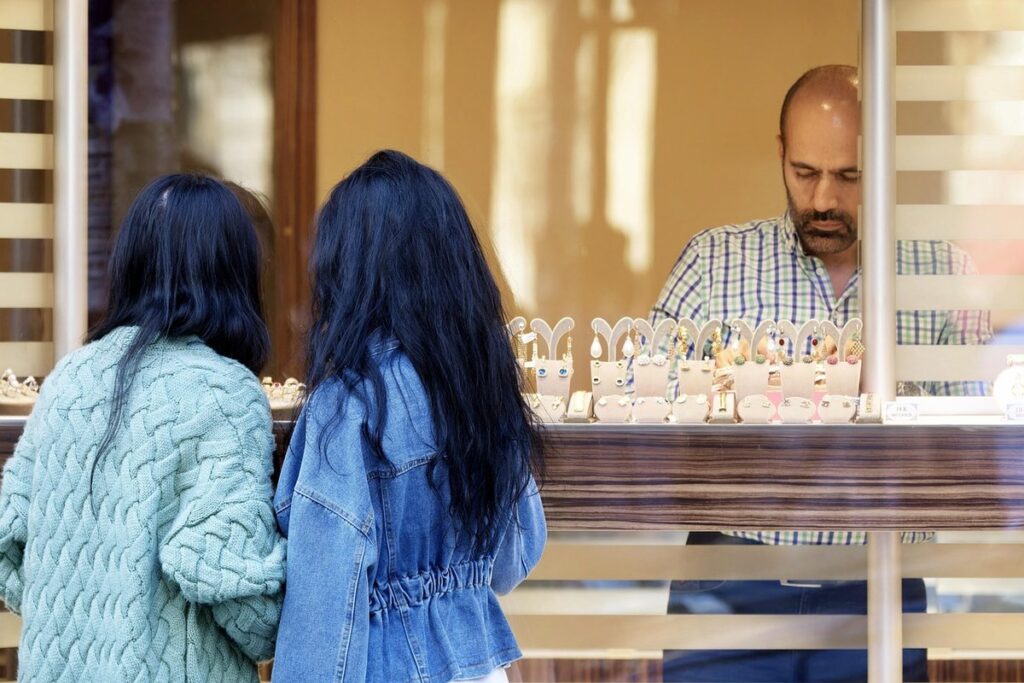
Evolution of Display Cases
Old display cases have undergone significant transformations over the years, influenced by technological advancements and shifting design aesthetics. Let’s take a look at some of the key developments that have shaped the evolution of these decorative pieces.
The Origins of Display Cases in Ancient Times
In ancient Greece and Rome, display cases evolved from simple shelving units to sophisticated structures designed to showcase art and artifacts. The Greeks used wooden pedestals and alcoves to display statues, vases, and other treasures. These early display cases often featured intricate carvings and ornaments, demonstrating the importance of presentation in ancient culture.
As civilizations merged, so did their design influences. Roman display cases borrowed from Greek architecture, incorporating columns and arches to create visually striking displays. The Romans also developed more complex systems for lighting and ventilation, ensuring that even the most delicate objects were showcased in ideal conditions. These early innovations laid the groundwork for future display case designs.
Notable examples of ancient display cases can be seen in archaeological sites such as Pompeii and Herculaneum. The eruption of Mount Vesuvius preserved many of these structures, offering a unique glimpse into the display practices of ancient cultures. By studying these relics, we can appreciate the historical significance of display cases as both functional objects and works of art in their own right.
The Influence of Victorian Era on Display Case Design
During the Victorian era, ornate decorations were a hallmark of design. This aesthetic influence extended to display cases, which became lavish showcases for valuable items. Display case manufacturers employed richly grained woods like mahogany and walnut to create intricate moldings and carvings. These ornaments often featured floral patterns, scrollwork, and other motifs that reflected the era’s love for opulence.
Manufacturers also experimented with metalworking techniques to add more elaborate details to display cases. For instance, they might use brass or bronze to create ornate hinges, locks, or hardware. This emphasis on materials and craftsmanship resulted in display cases that were as much works of art as they were functional objects.
The Victorian era’s influence can be seen in the ornamental details of old display cases. However, collectors should approach these pieces with care, as excessive ornamentation can compromise their structural integrity. If you’re looking to acquire an antique display case, inspect its hardware and joints closely for signs of wear or damage that may have resulted from over-ornamentation.
Types of Old Display Cases
From ornate glass cabinets to wooden display shelves, old display cases come in a variety of shapes and sizes. You’ll see many of these unique designs showcased in this section.
Antique Glass-Top Display Cabinets
Antique glass-top display cabinets are a testament to craftsmanship and design from various eras. These intricately crafted cases showcase delicate glass surfaces atop intricately carved wood or metal frameworks. The early 18th-century European examples often feature intricately molded glass, while the 19th-century American counterparts boast simpler, yet elegant designs.
The rarity of antique glass-top display cabinets is largely due to their fragile nature and the high demand for durable storage solutions during industrialization. Many original cabinets have been lost or damaged over time. However, collectors and museums continue to seek out well-preserved examples from different cultures and periods.
Notable examples include the Rococo-inspired cabinets from 18th-century France and the delicate Japanese lacquerwork display cases from the early 20th century. Each of these antique glass-top display cabinets holds significant historical value, offering a glimpse into the aesthetics and craftsmanship of their respective eras. When evaluating potential purchases or acquisitions, collectors should carefully examine the condition, authenticity, and provenance of these highly sought-after pieces.
Wooden Display Cases with Carved Details
Wooden display cases with carved details were a hallmark of fine craftsmanship in the 18th and early 19th centuries. Carved details often took the form of intricate moldings, scrolls, or other ornate motifs that added visual interest to the case’s exterior. The level of detail varied greatly depending on the maker’s skill and the era in which the piece was created.
For instance, a fine example from the Rococo period might feature delicate carvings of flowers, leaves, or other organic forms. In contrast, a more severe neoclassical design might employ restrained geometric patterns. When selecting an old wooden display case with carved details, consider how it will fit into your interior design scheme.
Look for pieces that complement your existing décor without overpowering it. A room filled with ornate furnishings can be overwrought if paired with too much additional detail. Conversely, a more minimalist space may benefit from the added visual interest provided by a carved display case.
Restoration and Conservation of Old Display Cases
When it comes to preserving old display cases, restoration and conservation techniques play a crucial role in maintaining their original charm and historical significance. Effective preservation involves careful attention to materials and craftsmanship.
Assessing Condition and Prioritizing Repairs
When assessing the condition of an old display case, it’s essential to evaluate its structural integrity, materials, and overall aesthetic appeal. Start by visually inspecting the case for signs of wear, damage, or decay. Look for loose joints, cracks, or broken glass, which can compromise the case’s stability and safety.
Next, examine the case’s materials, particularly wood, metal, and glazing. Identify any areas where moisture or environmental factors may be affecting the material’s condition. For instance, warping or discoloration in wooden components could indicate exposure to humidity or extreme temperatures.
Prioritize repairs based on the case’s historical significance, functionality, and potential impact on its contents. Consider enlisting professional conservators for treatments that require specialized expertise, such as re-glazing or repairing intricate metalwork. When feasible, use traditional techniques and materials to maintain the case’s original character and authenticity.
Traditional vs. Modern Restoration Techniques
When restoring old display cases, conservators must balance historical preservation with modern materials science advancements. Traditional techniques often relied on hand-carving, wood glue, and paint to repair damaged surfaces. However, these methods can compromise the integrity of the original materials and obscure their historical significance.
Modern restoration techniques, on the other hand, prioritize preserving the case’s original character while ensuring structural stability. Conservators now use advanced tools like 3D scanning and digital modeling to analyze damage and plan repairs. They also employ modern adhesives that are reversible, allowing for non-invasive repair and future reversibility.
Some conservators still opt for traditional methods, such as hand-carving, when working with particularly delicate or intricate elements. However, this approach requires a deep understanding of the original craftsmanship and materials. In contrast, modern techniques offer greater precision and control, but may lack the nuance and tactile connection to the original piece.
Ultimately, the choice between traditional and modern restoration techniques depends on the case’s specific condition and historical value. Conservators must weigh the need for preservation against the desire to restore the case to its original appearance.
The Role of Old Display Cases in Interior Design
Old display cases can add a touch of elegance and sophistication to any room, but their true value lies in their ability to showcase unique pieces.
By incorporating these vintage cases into your interior design, you can create a space that’s both functional and visually stunning.
Historical Accuracy vs. Contemporary Functionality
When incorporating old display cases into contemporary interior design spaces, a delicate balance must be struck between preserving their historical accuracy and ensuring functionality. On one hand, these antique pieces are often valued for their original craftsmanship, period-specific details, and nostalgic charm. Restoring them to their former glory can be a labor of love, but it also means maintaining their traditional hardware and mechanisms.
On the other hand, modern living often requires adjustments to accommodate changing needs. For instance, old display cases may have narrow shelves or limited storage capacity, making them unsuitable for contemporary items like laptops or tablets. In such cases, designers must decide whether to modify the case’s original structure or compromise on its historical integrity by installing modern shelves or cabinets.
Ultimately, a thoughtful approach involves finding creative solutions that reconcile both concerns. This might involve selecting display cases with adaptable designs, repurposing antique pieces as decorative accents rather than functional storage units, or collaborating with skilled craftsmen who can skillfully integrate period-specific details into modern contexts. By navigating this balance, designers can not only honor the past but also create visually striking and functional spaces that reflect both history and contemporary living.
Styling and Arranging Contents for Visual Impact
When styling and arranging contents within an old display case, consider the balance between showcasing historical significance and aesthetic appeal. A well-curated selection of artifacts can enhance the visual impact of the display while maintaining its integrity.
Start by selecting a limited number of key items that demonstrate the history and purpose of the display case. For example, in a vintage jewelry box, feature a few exquisite pieces alongside period-specific packaging materials to highlight the craftsmanship and attention to detail.
Group similar objects together, and leave negative space between them to create a sense of visual flow. This approach also allows each item to remain distinct while contributing to the overall narrative. Avoid overcrowding, which can make the display appear cluttered and diminish its historical value.
Pay attention to texture, color, and scale when combining items from different eras or styles. For instance, pairing delicate antique vases with modern decorative accents can create a visually appealing contrast that encourages exploration of the display’s history and significance.
Frequently Asked Questions
Can I use a mix of traditional and modern restoration techniques on my old display case?
You can combine traditional and modern methods to restore your old display case. For example, you might use traditional craftsmanship for carved details but employ modern conservation materials for stabilization. However, be sure to prioritize the original integrity and design intent of the piece.
How do I know if a specific restoration technique is suitable for my display case’s unique materials?
When selecting a restoration method, consider the specific materials used in your display case’s construction, such as wood, glass, or metal. Research the most effective techniques and materials for preserving these components to ensure your restoration efforts are successful.
Can I add modern lighting inside an old display case without compromising its historical accuracy?
Yes, you can install modern lighting within an old display case while maintaining its historical integrity. Choose lighting solutions that minimize visual impact, such as LED strips or discreet spotlights, and consider using materials and designs that blend with the original architecture.
What if I’m not sure how to style and arrange contents for a visually appealing display in my old display case?
When styling and arranging contents within an old display case, focus on balancing historical accuracy with visual appeal. Consider creating focal points by grouping similar items or using dividers to separate different collections, while also leaving some negative space to avoid clutter.
Can I use an old display case as a functional storage unit in my modern home, or will that compromise its historic value?
While it’s possible to repurpose an old display case for storage, be mindful of the potential impact on its historical significance. Avoid removing original hardware or significantly altering the piece’s design, and consider consulting with a preservation expert before converting your display case into functional storage.