
Antique lamps are more than just decorative pieces for your home – they’re often valuable artifacts that can transport you to another era. From the ornate Victorian period to the glamorous Art Deco style, each era has its unique characteristics that set it apart from others. For collectors and enthusiasts, identifying authentic antique lamp styles is a crucial skill, but it’s not always easy. The intricate details, craftsmanship, and materials used in these lamps can be misleading if you don’t know what to look for. This article will help you learn how to identify authentic antique lamp pieces, including tips on restoration and display to bring out their full beauty. By the time you finish reading, you’ll be able to spot an original Victorian-era lamp from a reproduction, and even restore it to its former glory if needed.
Understanding Antique Lamps
Antique lamps are a testament to craftsmanship and design, each one offering a unique glimpse into the past. This section explores the characteristics that make antique lamps so special and enduring.
Definition and History of Antique Lamps
Antique lamps have a rich history dating back to ancient civilizations, with evidence of early lamp-making techniques found in Egypt and Greece. The evolution of antique lamps reflects changing design aesthetics and technological advancements over time. In the 18th century, French Rococo-style lamps emerged, characterized by intricate carvings and ornate details. These decorative elements became a hallmark of European lamp design during this period.
The Industrial Revolution brought mass production techniques to lamp-making, making it possible for more people to own decorative lighting fixtures. This led to the development of various styles, such as Victorian-era lamps with their distinctive ornamentation and Art Nouveau-inspired sinuous lines. The early 20th century saw the rise of Art Deco lamps, featuring geometric patterns and metallic accents.
Throughout history, antique lamps have served not only as functional lighting sources but also as decorative art pieces. Their significance in design and collecting lies in their ability to evoke a sense of nostalgia and cultural heritage. When identifying antique lamps, it’s essential to understand the historical context in which they were created. This knowledge can help collectors and enthusiasts appreciate the craftsmanship and aesthetic value of these unique pieces.
Identifying Authentic Antique Lamps
When examining an antique lamp to determine its authenticity, several key factors come into play. Start by inspecting the materials used in its construction. Look for signs of genuine craftsmanship, such as hand-carved details or intricate metalwork. A well-made antique lamp often features a sturdy base, carefully shaped and polished to prevent damage.
Check the lamp’s hardware, including the switch, harp, and finial, which should be made from high-quality materials like brass or bronze. Genuine antique lamps frequently display signs of aging, such as patina on metal components or wear on glass shades. Research the lamp’s provenance by examining its label, signature, or other documentation.
Compare your findings to similar examples from reputable sources, including antique dealers and collectors. Be cautious of modern reproductions that mimic vintage styles but lack authenticity. Consider consulting with a professional appraiser if you’re unsure about the lamp’s age or value.
Types of Antique Lamp Styles
Antique lamp styles can be broadly classified into several distinct categories, each reflecting a unique period and aesthetic. From Victorian to Art Deco, we’ll explore some of the most iconic styles.
Victorian Era Lamps (1837-1901)
Victorian Era lamps are a quintessential representation of the opulence and extravagance characteristic of the era. During the Victorian period (1837-1901), lamp design reached new heights of intricacy, with an emphasis on ornate details and patterns. These lamps often featured intricate metalwork, such as etched bronze or gilded brass, which added to their visual appeal.
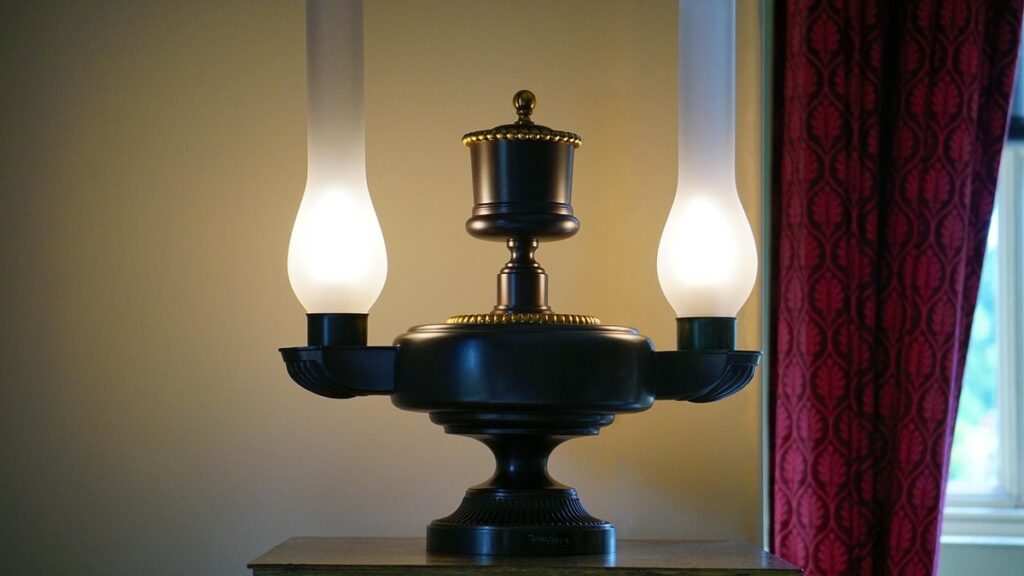
Notable examples of Victorian-era lamps include those designed by renowned craftsmen like Christopher Dresser and John Henry Dearle. Their creations often incorporated elements of nature, such as foliage and flowers, into the design. Some notable features of these lamps include the use of multiple light sources, often featuring candelabra-style holders or elaborate shades.
When identifying a Victorian-era lamp, look for distinctive details like etched glass panels, carved wooden bases, or ornate metalwork. These elements not only add to the lamp’s aesthetic value but also attest to its authenticity. When displaying a Victorian-era lamp, consider placing it in a prominent location where its intricate details can be fully appreciated.
Art Deco and Art Nouveau Lamps (1920s-1930s)
Art Deco and Art Nouveau lamps are notable for their distinct styles and motifs. Art Deco lamps often feature geometric patterns, such as chevron and zig-zag designs, which give them a modern feel. The style also incorporates metallic materials like chrome and nickel to create a sleek appearance.
Art Nouveau lamps, on the other hand, have flowing lines that resemble organic forms. Look for lamp bases shaped like flowers, vines, or other curved motifs characteristic of this era. Some Art Deco and Art Nouveau lamps may feature ornate details, but both styles generally emphasize clean lines and minimal ornamentation.
When searching for these lamps, pay attention to the materials used, such as metalwork, glass, or ceramics. Also, examine the shape and form of the lamp’s body, shade, and finial (the decorative element at the top). Be aware that some Art Deco and Art Nouveau pieces may be reproductions rather than originals, so look for makers’ marks, patina, and other signs of age to authenticate your find.
When restoring or displaying these lamps, consider their original context. For example, an Art Deco lamp might have been part of a larger set in a 1920s-era living room.
Materials Used in Antique Lamp Construction
Antique lamps often feature intricate details, and understanding the materials used can help you appreciate their craftsmanship. Let’s take a closer look at the types of materials that were commonly used in antique lamp construction.
Metalwork: Brass, Bronze, and Silver
Brass, bronze, and silver have long been prized for their durability and aesthetic appeal in antique lamp construction. These metals were often used for their ability to resist corrosion and withstand the wear of daily use. In fact, many antique lamps feature intricate metalwork that has stood the test of time, with some pieces still shining brightly today.
The use of these metals was not only practical but also a reflection of the owner’s wealth and status. Brass, in particular, became popular during the Victorian era due to its affordability and versatility. Many antique lamps from this period feature elaborate brass fixtures and ornate details that showcase the craftsmanship of the time.
When collecting or restoring antique lamps featuring brass, bronze, or silver metalwork, it’s essential to consider their historical significance. Each piece is a testament to the skill and expertise of the craftsmen who created them. To preserve these pieces for future generations, it’s crucial to clean and maintain them regularly using gentle methods that avoid damaging the metalwork.
When examining antique lamps with metal components, look for signs of wear and patina, which can indicate their age and authenticity.
Glass and Crystal Work
Glasswork in antique lamps often featured clear glass for a classic look, while crystal work added a touch of luxury with its sparkling clarity and weight. Some lamps boasted intricate etchings or engravings on the glass, which not only enhanced their beauty but also served as decorative elements. For instance, the Art Nouveau style frequently incorporated sinuous lines and organic patterns into the glasswork, creating a sense of movement and fluidity.
In contrast, crystal work was typically reserved for more ornate and expensive lamps. Crystal’s high refractive index gave it a dazzling appearance when light passed through it, making it an ideal choice for formal or luxurious settings. The level of ornamentation varied greatly depending on the style and period, with some lamps featuring delicate filigree patterns while others boasted bold, geometric designs.
When restoring antique lamps with glass or crystal work, it’s essential to handle these components with care to avoid damage or breakage. For example, cleaning crystal requires a soft cloth and gentle soap solution to prevent scratching or dulling the surface. Similarly, when displaying these lamps, consider placing them away from direct sunlight to preserve their original luster and prevent fading of any engravings or etchings on the glass.
Restoring and Maintaining Antique Lamps
If you’ve inherited a beautiful antique lamp, it needs more than just dusting to shine. Learn how to restore and maintain its intricate details and original charm in this essential section of our guide.
Cleaning and Preservation Techniques
When cleaning and preserving antique lamps, it’s essential to use gentle methods that maintain their original integrity. Avoid using harsh chemicals, abrasive materials, or excessive water, as these can damage the lamp’s finish, harm its delicate components, or discolor its glass or crystal elements.
For metalwork lamps, gently dust with a soft-bristled brush and clean with a mild soap solution specifically designed for cleaning antiques. Avoid applying too much pressure, which can scratch or dent the surface. For more thorough cleaning, mix equal parts water and white vinegar in a bowl, dip a soft cloth into the solution, wring it out thoroughly, and wipe down the metal components.
For glass and crystal lamps, use a lint-free cloth to gently clean any dust or grime from the surface. Avoid using paper towels or other abrasive materials that can scratch the glass. For particularly stubborn stains or residue, mix equal parts water and white vinegar in a bowl, dip a soft cloth into the solution, wring it out thoroughly, and wipe down the affected area.
Regular cleaning and maintenance are crucial to preserving antique lamps’ original beauty and integrity. Consider storing them in a cool, dry place away from direct sunlight when not in use.
Repairs and Restoration Services
When an antique lamp is damaged or deteriorating, it’s essential to weigh the merits of attempting repairs yourself versus seeking professional restoration services. While some minor issues can be addressed with basic cleaning and maintenance techniques, more extensive damage may require specialized expertise to avoid causing further harm.
Signs that a lamp needs professional attention include cracks in the glass, broken metalwork, or significant discoloration on the surface finish. Even if you’re confident in your own abilities, attempting complex repairs can lead to irreversible damage or compromise the lamp’s original integrity. For example, trying to glue a cracked glass shade without proper training and equipment may result in an uneven or sticky finish.
Before seeking professional help, document the extent of the damage and take clear photographs for reference. Research local restorers with experience working on antique lamps, and ask about their process, materials, and approach to preservation. It’s also crucial to establish a clear understanding of the costs involved and any guarantees or warranties offered by the restoration service. By choosing the right professional help, you can ensure your treasured antique lamp receives the care it deserves.
Notable Collectors and Dealers
Meet some of the most renowned collectors and dealers who have made significant contributions to the world of antique lamps, showcasing their expertise and passion for these beautiful pieces. Their stories highlight the importance of preserving antique lamp styles for future generations.
Famous Collectors of Antique Lamps
Renowned collectors have played a significant role in elevating the appreciation and preservation of antique lamps. One such notable collector is Jayne Wrightsman, who has contributed extensively to the Metropolitan Museum of Art’s collection. Her extensive collection features rare examples of 18th-century French and Italian lamp-making.
Another prominent collector is William Randolph Hearst, whose opulent estate at San Simeon in California boasted an impressive array of antique lamps. His collection included intricate examples of Renaissance-era glasswork and ornate metalwork pieces from the Victorian era. The Hearst Corporation has since donated many of these items to various museums.
Other notable collectors have also made significant contributions to the world of antique lamp collecting. For instance, the collection of industrialist Henry E. Huntington features an impressive array of early American lamps, including rare examples of hand-blown glasswork and intricately decorated metal pieces. The Huntington Library in San Marino, California, is home to this remarkable collection.
These collectors’ passion for antique lamps has helped raise awareness about their historical significance and cultural importance.
Reputable Dealerships and Auction Houses
When seeking high-quality antique lamps, it’s essential to work with reputable dealerships and auction houses. These organizations have extensive knowledge of lamp styles, materials, and makers’ marks, making them invaluable resources for collectors and enthusiasts.
Look for dealerships that specialize in antique lighting and have a strong reputation within the collector community. Established auction houses like Christie’s and Sotheby’s often feature high-end lamps in their sales, but even they can include lesser-quality or misattributed pieces. Research the dealership or auction house beforehand to ensure it has a track record of authenticity.
Reputable dealerships typically offer certificates of authenticity, which verify the lamp’s age, maker, and materials. Some may also provide restoration records or documentation from previous owners. Be wary of dealers who claim a lamp is made by a famous manufacturer without providing concrete evidence. If an auction house or dealership is unwilling to provide documentation or seems evasive about the piece’s history, it’s best to look elsewhere.
Investing in and Displaying Antique Lamps
When it comes to antique lamps, finding the perfect piece is just the beginning. Next, you’ll need to know how to showcase your new treasure to maximize its beauty and value.
Valuation and Pricing Factors
The value of an antique lamp is determined by several key factors. Condition is a critical aspect, with lamps in excellent original condition commanding higher prices than those that have been restored or heavily worn. Rarity also plays a significant role, with unique or limited-edition designs fetching premium prices.
Provenance, or the history and ownership of the lamp, can significantly impact its value. Lamps once owned by notable collectors or featured in prominent exhibitions can increase their worth. For instance, a lamp previously owned by a famous designer or architect can be highly valuable due to its association with the owner’s legacy.
Other factors influencing an antique lamp’s value include its age, with lamps from well-known periods like Art Deco or Victorian Era often commanding higher prices. The materials used in construction, such as high-quality glass or intricate metalwork, can also contribute to a lamp’s value. Furthermore, the reputation of the dealer or auction house selling the lamp can affect its price.
When purchasing an antique lamp, it’s essential to consider these factors and research the market to ensure you’re paying a fair price for your investment.
Displaying Antique Lamps: Tips and Tricks
When displaying antique lamps, it’s essential to balance their beauty with preservation. Avoid placing them near direct sunlight, which can cause fading and discoloration of metalwork and glass. Similarly, keep them away from heat sources like radiators or heaters, as this can damage the materials.
For maximum impact, consider grouping similar styles together or arranging them in a vignette to create visual interest. However, be mindful of over-accessorizing – too many lamps can clutter the space and detract from their individual charm.
Pay attention to the lamp’s original design and intended use when choosing its placement. For example, a floor lamp might be better suited for a large room or corner, while a table lamp is more suitable for bedside tables or console areas.
When displaying antique lamps with intricate details, such as delicate carvings or etchings, position them to highlight these features. Conversely, if the lamp has bold, graphic designs, place it near a neutral-colored backdrop to let its beauty shine.
To prevent damage from dust and dirt, gently clean your antique lamps using a soft-bristled brush and mild soap solution on glass surfaces only. Regularly rotating your lamps can also help distribute wear evenly and maintain their overall appearance.
Frequently Asked Questions
Can I restore an antique lamp with a broken finial on my own?
Yes, you can attempt to repair or replace a broken finial yourself, but it’s essential to be cautious and gentle when handling the delicate parts. If you’re unsure about the process or lack experience, consider consulting a professional restorer for advice.
How do I know if an antique lamp is worth investing in, considering its condition and rarity?
The value of an antique lamp depends on various factors, including its condition, rarity, provenance, and demand in the market. Research the piece’s history, study comparable sales, and consult with reputable dealers or appraisers to determine its potential value.
Can I mix and match parts from different antique lamps to create a unique piece?
While it may be tempting to combine elements from various lamps, this approach can compromise the authenticity and integrity of the original pieces. Instead, consider repurposing or upcycling materials in a way that maintains their historical context and aesthetic appeal.
What if I’m new to collecting antique lamps, but I have an existing collection of furniture with similar styles – how do I decide which lamps to acquire next?
When expanding your collection, prioritize acquiring lamps that complement your existing pieces harmoniously. Consider the era, style, and materials used in your existing furniture, and look for lamps that share these characteristics to create a cohesive and visually appealing ensemble.
Can I display an antique lamp with a broken switch or electrical issue safely, or should I seek professional assistance?
No, it’s not recommended to display an antique lamp with a broken switch or electrical issue without addressing the problem first. This can pose a safety risk, and it’s essential to consult a licensed electrician or restorer who specializes in antique lamps to repair or replace any faulty components.