
If you’re anything like me, there’s nothing quite as magical as watching a hummingbird flit around your garden. These tiny creatures are a wonder to behold, and attracting them to your yard is easier than you think. However, did you know that the right food can make all the difference in luring these birds to your outdoor space? In this article, we’ll delve into the world of hummingbird food, exploring the ideal sugar concentration and nectar-to-water ratios for a healthy and thriving population. We’ll also cover plant-based solutions and maintenance tips to ensure you’re providing the best possible sustenance for these beautiful birds. Whether you’re a seasoned birdwatcher or just starting out, this comprehensive guide will show you how to create a hummingbird haven in your own yard.
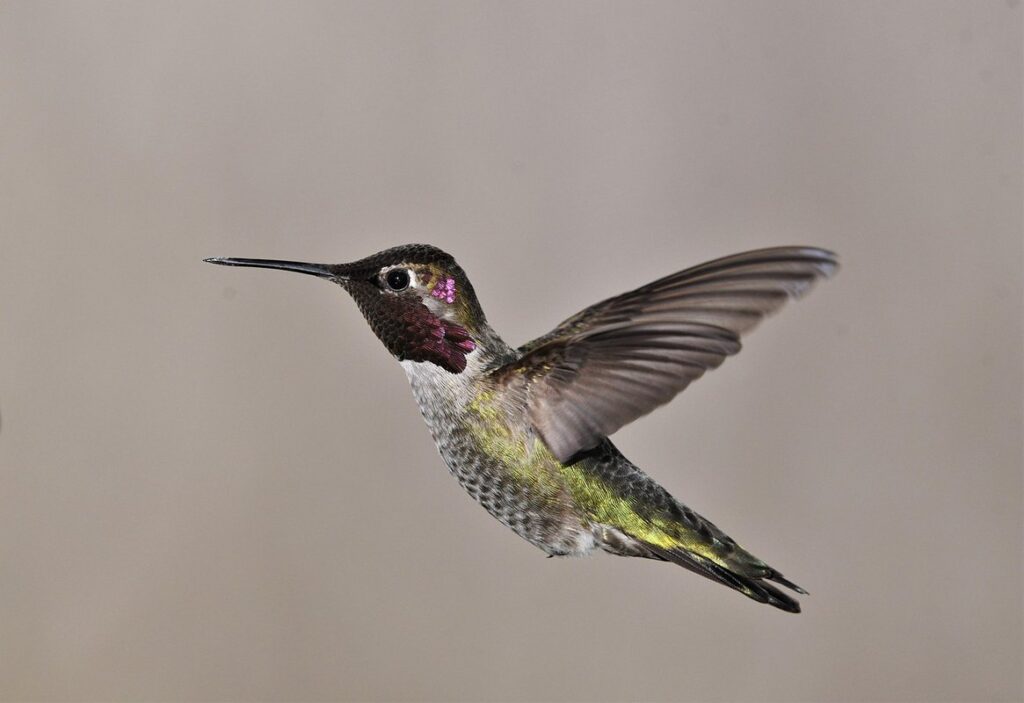
Understanding Hummingbirds’ Dietary Needs
To create a hummingbird-friendly haven, it’s essential to understand what these tiny birds need to eat and how you can provide the right fuel for their high-energy lifestyle. Let’s break down their dietary requirements.
Importance of Sugar-Rich Foods
Hummingbirds need a constant supply of energy to fuel their rapid heartbeat and high metabolism, which is why sugar-rich foods are essential for their diet. In fact, hummingbirds consume up to twice their body weight in nectar daily! This means they require an enormous amount of sugar to sustain themselves.
To put this into perspective, consider that hummingbirds beat their wings around 80 times per second, and their heart rate can reach up to 1,260 beats per minute. That’s a lot of energy needed to keep them flying! Sugar-rich foods like nectar from flowers or sugar-water feeders provide the necessary fuel for these incredible birds.
When choosing a sugar-based hummingbird food, make sure it has a 4:1 ratio of water to sugar (four parts water to one part sugar). This concentration is crucial to mimic the natural nectar found in flowers. You can also consider using granulated sugar or honey as alternatives, but be aware that these may not provide the same energy boost as refined sugar.
By providing your hummingbirds with a reliable source of sugar-rich food, you’ll help them thrive and attract even more of these beautiful birds to your yard.
Nectar-Based Feeding Options
When it comes to feeding hummingbirds, nectar-based options are a must-have. These tiny birds require an enormous amount of energy to fuel their high metabolism, and they get most of that from sugar-rich nectars. You can either opt for commercial products or create your own DIY recipes to cater to their needs.
One popular commercial option is the red rubber bulb feeder, which comes pre-filled with a sweet nectar mix. However, be cautious when choosing these products as some may contain additives or preservatives that can harm the birds. A better alternative is to make your own nectar using a 4:1 ratio of water to sugar. Boil the mixture and let it cool before filling up your feeders.
If you’re feeling crafty, try making a homemade hummingbird feeder using a mason jar and some twine. Fill it with your DIY nectar mix and hang it from a nearby tree. Not only will this save you money, but it’ll also reduce waste and give you the satisfaction of creating something yourself.
Fruit and Berry Options
Hummingbirds love fruits and berries not only for their taste but also because they are rich in nutrients that fuel their high metabolism. These tiny birds require a diet rich in sugar, protein, and amino acids to sustain their fast heartbeat, rapid breathing, and energetic flight. Fruits and berries provide the perfect blend of these essential components.
When selecting fruits and berries for your hummingbird-friendly garden, opt for varieties that are native to your region and available throughout the year. Some excellent options include trumpet-shaped flowers like honeysuckle, fuchsia, and lantana, which produce copious amounts of nectar-rich blooms. In addition, consider incorporating berry-producing shrubs such as cedar, juniper, or arborvitae into your garden design.
Some other beneficial fruits and berries for hummingbirds include:
* Red salvia: a perennial flower that produces red tubular flowers
* Orange honeysuckle: a fragrant climber with nectar-rich blooms
* Blueberries: an acidic fruit loved by many hummingbird species
Make sure to plant these options in areas with plenty of sunlight, as hummingbirds are most active during the morning and afternoon hours when the sun is shining brightly.
Choosing the Right Hummingbird Food
When it comes to feeding hummingbirds, choosing the right food is crucial for their health and survival. We’ll walk you through what to look for in a hummingbird-friendly nectar mix.
Sugar Concentration Matters
When it comes to attracting hummingbirds to your yard, providing the right type of food is crucial. However, many people don’t realize that sugar concentration matters just as much as the quality of ingredients used. The ideal sugar concentration for hummingbird food is between 3.5 and 4 parts water to 1 part sugar. Anything less concentrated can lead to bacterial growth, which can harm these delicate birds.
To mix your own hummingbird food, make sure to dissolve the sugar completely in boiling water before cooling it down. This will help prevent any lumps or sediment from forming. It’s also essential to store the mixture in a clean and sanitized container to prevent contamination. Remember that homemade mixes typically last for about 3-5 days, so be prepared to replenish your feeder frequently.
For example, if you’re using granulated sugar, mix it with water at a ratio of 4:1 (water:sugar). Avoid using honey or artificial sweeteners as they can harm hummingbirds. By following these simple tips and using the correct sugar concentration, you’ll be well on your way to creating a safe and inviting haven for these beautiful birds in your yard.
Nectar-to-Water Ratios
When it comes to preparing nectar for hummingbirds, understanding the ideal nectar-to-water ratio is crucial. Hummingbirds are attracted to sweet, energy-rich substances, but they also need water to survive. A typical nectar recipe calls for four parts of water to one part of sugar (4:1). However, some experts recommend adjusting this ratio depending on your region and climate.
For example, in warmer climates where flowers bloom year-round, a 3:1 or even 2:1 ratio can be beneficial. This allows hummingbirds to access more energy-rich nectar when their natural food sources are scarce. Conversely, in cooler climates with fewer blooms, sticking to the traditional 4:1 ratio may help sustain these birds during periods of scarcity.
Remember, it’s essential to avoid using artificial sweeteners or honey as they can harm hummingbirds. Use pure cane sugar and a clean water source when preparing your nectar mix. Always test the ratio on a small scale before filling your feeders to ensure that the mixture doesn’t ferment too quickly.
Hummingbird Feeders: Types and Features
When it comes to choosing the right hummingbird feeder for your yard, there are several types and features to consider. One popular option is the traditional glass-feeding tube feeder, which holds a large quantity of nectar and often has multiple feeding ports. These feeders are easy to clean and maintain, but can be heavy and difficult to hang.
Another option is the nectar-only feeder, designed specifically for hummingbirds with built-in ant moats to prevent unwanted visitors. These feeders are usually smaller and lighter than traditional feeders, making them a great choice for yards with limited space or hanging options. Some models also come equipped with built-in sugar water reservoirs, allowing you to mix and store nectar without having to constantly refill the feeder.
It’s essential to consider factors like durability, maintenance, and capacity when selecting a hummingbird feeder. Make sure to choose one that suits your yard’s specific needs and can withstand various weather conditions. Consider feeders made from BPA-free materials or those with wide mouths for easy cleaning.
Plant-Based Solutions for Hummingbirds
For hummingbirds, plant-based solutions offer a natural and sustainable way to attract these beautiful birds to your yard. By incorporating nectar-rich flowers into your garden design, you can create a haven for hummingbirds.
Attracting Hummingbirds with Plants
Attracting hummingbirds to your yard can be as simple as incorporating the right plants into your landscape. Hummingbirds are attracted to flowers that are rich in nectar and pollen, which serve as a vital source of energy for these tiny birds. When selecting plants, look for species that have long, tube-shaped flowers, such as trumpet vines, honeysuckles, and fuchsia.
Some of the best plants for hummingbird enthusiasts include salvias, coral bells, and bee balm. These plants are not only attractive to hummingbirds but also provide a source of nectar and pollen throughout the growing season. Consider planting a variety of species that bloom at different times to ensure a constant food source for these birds.
When incorporating plants into your yard, remember to choose native species that require minimal maintenance. This will not only help reduce water consumption and chemical use but also support biodiversity in your local ecosystem. By selecting plants with nectar-rich flowers, you’ll be providing a vital resource for hummingbirds and other pollinators in your area.
Native Plant Selection
When it comes to selecting plants that will attract hummingbirds to your yard, native plant selection is key. These amazing birds are adapted to specific local conditions and rely on native plants for nectar-rich blooms, seeds, and berries. By choosing plants native to your region, you’ll be providing a long-term benefit for these beautiful creatures.
Not only do native plants offer the right type of food that hummingbirds need, but they also require less maintenance than non-native species. They’re better equipped to handle local pests and diseases, reducing the need for pesticides and other chemicals that can harm hummingbirds.
Consider this example: a hummingbird visiting your yard in California might be drawn to the trumpet-shaped blooms of the California fuchsia (Epilobium californicum). This native plant is rich in nectar, providing a vital source of energy for these tiny birds. By incorporating plants like the California fuchsia into your garden, you’ll be supporting the local ecosystem and attracting hummingbirds for years to come.
When selecting native plants, research species that are specific to your region and planting zone. Look for plants with red or purple flowers, as these colors are particularly attractive to hummingbirds.
Incorporating Flowers and Shrubs
When it comes to creating a hummingbird-friendly landscape, flowers and shrubs play a crucial role. These plants provide nectar-rich blooms that attract hummingbirds, as well as shelter from the elements and potential predators.
To start, focus on selecting plants with tubular or trumpet-shaped flowers, such as honeysuckle, fuchsia, and salvias. These shapes allow hummingbirds to easily access nectar deep within the flower. Consider adding a mix of annuals and perennials to ensure blooms throughout the growing season. When selecting shrubs, look for those with dense foliage and berries or nectar-rich flowers.
In terms of placement, position plants near feeding stations or water sources to create a hummingbird hub in your yard. This encourages birds to linger and fuel up on nectar while taking breaks from their high-energy lifestyle. Consider grouping similar plants together, such as salvias and fuchsias, to create a “hummingbird garden” within your landscape.
Remember to choose plants native to your region for optimal growth and minimal maintenance.
Hummingbird Food Safety and Maintenance
When it comes to maintaining your hummingbird feeder, knowing how to safely store food and clean feeders is crucial to preventing contamination and keeping these tiny birds healthy. Regular maintenance also ensures your feeder stays free of mold and bacteria.
Cleaning Feeders Regularly
Regular cleaning and maintenance of hummingbird feeders is crucial to prevent mold growth and maintain water quality. Left unchecked, mold can spread rapidly, posing a serious health risk to the birds that visit your feeder. In fact, according to a study by the Hummingbird Society, 75% of bird deaths are caused by bacterial infections, many of which originate from contaminated feeders.
To keep your feeder clean and safe for hummingbirds, make it a habit to clean it at least once a week. Start by rinsing the feeder with warm soapy water, then scrub away any stubborn stains or residue with a soft-bristled brush. Mix 1 tablespoon of white vinegar with 4 cups of water and fill the feeder with this solution for 10-15 minutes to help kill any lingering bacteria. Finally, rinse thoroughly with clean water and let it air dry.
Don’t forget to regularly inspect your feeder for signs of mold or mineral buildup. Check the sugar-water ratio, too – aim for a 4:1 ratio (water:sugar) to prevent the growth of harmful bacteria. By keeping your feeder spotless and well-maintained, you’ll be creating a safe haven for hummingbirds to visit again and again.
Avoiding Mold Growth
When it comes to providing nectar for hummingbirds, safety is crucial to prevent mold growth and keep these beautiful birds healthy. One of the most common mistakes people make when mixing nectar is using tap water. Tap water can contain high levels of chlorine or fluoride, which can harm or even kill hummingbirds.
To mix nectar safely, use a ratio of four parts water to one part sugar. This dilutes the sugar concentration and prevents mold growth. However, you can take it a step further by adding antifungal additives specifically designed for bird feeders. These additives inhibit the growth of fungi and bacteria, keeping your feeder clean.
Some popular antifungal additives include nystatin and boric acid. Follow the manufacturer’s instructions to ensure safe use. By taking these simple steps, you’ll not only attract hummingbirds but also provide them with a healthy source of energy to fuel their migration patterns and daily activities.
Storage and Handling
When it comes to storing hummingbird food and handling equipment, proper care is essential to prevent contamination and maintain a healthy environment for both birds and humans. One of the most critical aspects of storage is keeping nectar-rich foods away from direct sunlight, as this can cause spoilage and bacterial growth.
To store hummingbird food safely:
* Keep it in an airtight container, such as a glass jar with a tight-fitting lid
* Store it in a shaded area or in the refrigerator to slow down fermentation
* Change the nectar every 3-5 days, even if it looks and smells fine
When handling equipment, always wash your hands before and after refilling feeders. Use mild soap and warm water to clean feeders regularly, paying attention to any crevices where debris may accumulate.
By following these simple tips, you’ll be able to maintain a safe and healthy environment for hummingbirds in your yard while also enjoying the beauty of watching them visit your feeder. Regular maintenance is key, so make sure to set aside time each week to check and clean your feeders to ensure they remain a welcoming spot for our feathered friends.
Frequently Asked Questions
Can I use honey as a substitute for sugar in hummingbird feeders?
Yes, you can use honey as a substitute, but be aware that it has antimicrobial properties which might not be suitable for all species of hummingbirds. It’s essential to note that some research suggests that certain types of honey may be toxic to these birds. If you choose to use honey, make sure to select a variety specifically labeled as “hummingbird-safe” and follow the recommended ratios.
How often should I clean my hummingbird feeders to prevent mold growth?
Cleaning your feeders regularly is crucial to maintaining a healthy environment for hummingbirds. It’s recommended to change the nectar mixture every 3-5 days, especially during warm weather when mold can grow rapidly. Use a mixture of equal parts water and white vinegar to sanitize the feeders.
Can I add fruit and berries directly to my hummingbird feeder?
While fruits and berries are an excellent addition to your hummingbird-friendly garden, it’s best not to add them directly to the feeders. Fruits have a high water content, which can dilute the nectar mixture and make it less appealing to hummingbirds. Instead, offer fresh fruit or berries in a separate dish near the feeder.
How do I know if my sugar concentration is correct for hummingbird feeders?
A simple way to ensure your sugar concentration is correct is by using a hydrometer, which measures the specific gravity of the nectar mixture. The ideal ratio is 4:1 or 5:1 (sugar-to-water), but it’s always better to err on the side of caution and test the solution regularly.
What are some signs that my hummingbird feeder needs maintenance?
Keep an eye out for mold growth, which can appear as a white, fuzzy coating around the feeder. Also, inspect your feeders for damage or wear, such as cracks in the material or worn-out parts. Regularly checking and maintaining your feeders will help prevent issues and ensure a healthy environment for these beautiful birds.