
Hummingbirds are a delight to behold in our gardens, aren’t they? Their iridescent feathers and agile flight make them a wonder to watch. But did you know that these tiny birds have a unique metabolism that requires a constant supply of energy-rich food? That’s why choosing the right hummingbird bird food is crucial for their survival. If you’re looking to attract these feathered friends to your garden, you’ll need to create a balanced diet that meets their high-energy needs.
In this article, we’ll show you how to create a cost-effective DIY feeder using common household items and share our top picks for commercial hummingbird foods that are rich in nectar. We’ll also provide tips on how to build the perfect hummingbird-friendly garden, including advice on choosing the right flowers and plants to attract these tiny wonders. By following our guide, you’ll be well on your way to creating a haven for hummingbirds in your own backyard!
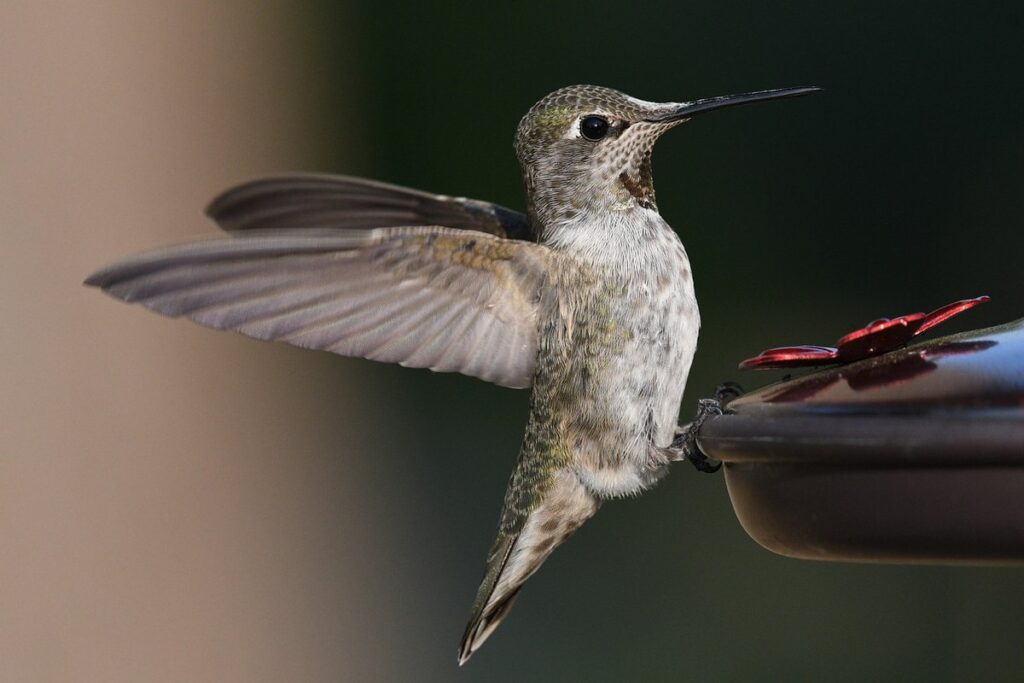
Understanding Hummingbirds’ Nutritional Needs
To provide the best possible nutrition for your hummingbird visitors, it’s essential to understand their unique dietary needs. This includes recognizing what they require in terms of protein, carbohydrates, and other vital nutrients.
Importance of Sugar-Rich Diets for Hummingbirds
When it comes to hummingbirds’ nutritional needs, one crucial aspect stands out: their reliance on sugar-rich diets. These tiny creatures require a constant influx of energy to fuel their incredibly high metabolism and rapid wingbeats – an astonishing 80 times per second! To put this into perspective, if you were to fly like a hummingbird, you’d need to eat constantly throughout the day.
In fact, hummingbirds burn through nectar at an alarming rate. A single hummingbird can consume up to three times its body weight in sugar-rich food daily, which equates to around 1-2 cups of nectar! To satisfy this demand, feeders with a 4:1 ratio of water to sugar are ideal – four parts water to one part granulated white sugar. Avoid using honey or artificial sweeteners, as they can be toxic to hummingbirds.
By providing the right type and amount of sugar-rich food, you can help these birds thrive in your backyard. Consider mixing a solution with 1 tablespoon of sugar for every 4 tablespoons of water – this will give them the boost they need to fuel their high-energy lifestyle.
Key Components of a Balanced Hummingbird Diet
To ensure that hummingbirds receive the nutrients they need to thrive, it’s essential to provide a balanced diet rich in protein, fat, and fiber. Let’s break down each of these key components:
Protein is crucial for hummingbird growth and maintenance. A diet lacking sufficient protein can lead to muscle weakness, fatigue, and a weakened immune system. Hummingbirds require about 10-15% protein in their diet, which can come from sources like mealworms, spiders, and small insects. You can supplement their natural protein intake by offering commercial hummingbird food mixes specifically formulated with high-protein content.
Fats are another vital component of a hummingbird’s diet, providing energy for flight, metabolism, and other bodily functions. A typical hummingbird requires around 20-25% fat in its diet, which can be obtained from nectar-rich flowers, fruit, and insects like aphids and whiteflies. To meet their high caloric needs, consider adding a sugar-water feeder with a higher sucrose concentration (4:1 ratio) to your garden.
Fiber is essential for hummingbirds’ digestive health, helping them process nectar and other sugary substances. Include plants with high fiber content, such as cacti, agave, or echinacea, in your garden design. Additionally, offer commercial hummingbird food mixes that contain added fiber supplements to support their overall well-being.
Remember to maintain a variety of food sources throughout the year, including nectar-rich flowers, fruits, and insects, to ensure your hummingbirds receive a balanced diet that meets their changing nutritional needs.
DIY Hummingbird Feeders: A Cost-Effective Solution
If you’re looking for a budget-friendly way to attract hummingbirds, making your own feeders is an easy and cost-effective solution that’s perfect for beginners. In this section, we’ll guide you through the process.
Materials Needed for Building a Hummingbird Feeder
To build a simple hummingbird feeder, you’ll need some basic materials. Start by gathering a few plastic bottles – 2-liter or 1.5-liter bottles work well – and clean them thoroughly with soap and water. You can reuse old soda or juice bottles, but make sure they’re free of any strong odors or residue.
Next, prepare your sugar water mix according to the recipe: four parts water to one part granulated white sugar. Boil the mixture for about 10 minutes to dissolve the sugar completely, then let it cool before filling your feeder. You’ll also need a few feeding tubes, which you can purchase at most gardening stores or online.
To assemble your feeder, simply cut a small hole in the side of the bottle, just below the shoulder, and attach the feeding tube using some wire or a rubber band. Fill the bottle with your sugar water mix and hang it from a tree branch near a hummingbird hotspot.
Tips for Attracting Hummingbirds to Your Homemade Feeder
To create an attractive environment around your homemade feeder, consider incorporating plants that are rich in nectar, such as trumpet-shaped flowers like honeysuckle and fuchsia. These colorful blooms will not only provide a source of energy for hummingbirds but also serve as a visual cue to attract them to the area.
Positioning your feeder near these plants can increase its visibility from afar, making it more appealing to hummingbirds. Make sure to place the feeder in an open area where the birds can easily spot it, avoiding dense foliage that may obstruct their view.
A key tip is to provide a shallow water source nearby, as hummingbirds need water for drinking and bathing. A small birdbath or even a shallow dish filled with fresh water will do the trick. By incorporating these elements into your DIY feeder’s surroundings, you’ll be well on your way to attracting hummingbirds to your homemade feeder.
Commercial Hummingbird Feeders: Pros and Cons
If you’re considering using a commercial hummingbird feeder, it’s essential to weigh its benefits against potential drawbacks for your feathered friends. Let’s explore both sides of the coin.
Types of Commercial Hummingbird Feeders Available
When it comes to choosing the right hummingbird feeder for your business, you’ll find that there are various types available on the market. One popular option is hanging feeders, which attach to a tree branch using a chain or hook. These feeders typically have multiple feeding ports and can hold up to 20 ounces of nectar.
Another type of commercial hummingbird feeder is the pedestal feeder, also known as a tower feeder. This design features a central column with feeding ports on each level, often surrounded by perches for birds to land while they eat. Pedestal feeders are great for attracting large numbers of hummingbirds and can hold up to 32 ounces of nectar.
Tray feeders are the third type of commercial hummingbird feeder available. These flat, shallow feeders have a tray-like design that allows multiple hummingbirds to feed at once. They often feature built-in ant moats and can hold up to 24 ounces of nectar. Consider factors such as size, material, and cleaning ease when choosing between these types of feeders.
Factors to Consider When Choosing a Commercial Feeder
When selecting a commercial feeder for hummingbirds, it’s essential to consider several key factors to ensure you’re providing the best possible environment for these tiny wonders. Ease of cleaning is crucial, as it directly affects the health and well-being of the birds. Look for feeders with built-in ant moats or bee guards that make maintenance a breeze.
Durability is also vital, especially if you live in an area prone to extreme weather conditions. A feeder that can withstand heavy rainfall, scorching sun, or harsh winds will provide years of service and minimize the need for frequent replacements. Portability is another important consideration, especially if you plan on relocating your feeder seasonally or storing it during winter months.
Consider a feeder with a compact design that’s easy to transport and set up. Some feeders even come with detachable parts, making cleaning and storage a snap. By carefully evaluating these factors, you’ll be able to provide your hummingbird visitors with a safe and nourishing environment that meets their needs.
Hummingbird-Friendly Plants: A Sustainable Food Source
When it comes to providing a reliable food source for hummingbirds, incorporating plants that attract these tiny wonders is crucial. This section highlights some fantastic options to get you started on creating a hummingbird-friendly garden.
Plant Species Rich in Nectar for Hummingbirds
When it comes to providing a sustainable food source for hummingbirds, incorporating plants rich in nectar is essential. These plants serve as a vital energy source for the birds, and their presence can significantly boost the local hummingbird population.
Some excellent examples of plant species that are particularly high in nectar include trumpet flowers, honeysuckle, and fuchsia. Trumpet flowers, with their distinctive shape, attract hummingbirds easily due to their abundant nectar production. Honeysuckle is another popular choice for its fragrant blooms and long-lasting nectar supply.
Fuchsia plants, often grown in containers, are perfect for small gardens or even balconies, providing a reliable source of nectar for hummingbirds throughout the growing season. To attract these birds to your garden, be sure to plant a variety of species with different bloom times to ensure a constant nectar flow.
When selecting plants, remember that native species tend to perform better and provide more benefits for local wildlife than non-native varieties. This not only supports biodiversity but also reduces maintenance needs. By choosing the right plants and providing a mix of species, you can create a hummingbird haven in your garden.
Tips for Creating a Hummingbird-Friendly Garden
Creating a hummingbird-friendly garden is a wonderful way to support these tiny wonders and attract them to your outdoor space. When it comes to designing a garden that’s perfect for hummingbirds, there are two main elements to focus on: nectar-rich plants and shelter.
Start by incorporating a variety of plants that are rich in nectar, such as trumpet-shaped flowers like honeysuckle and fuchsia, or tubular flowers like salvias and coral bells. These types of flowers provide the perfect source of energy for hummingbirds, who feed on nectar to fuel their high metabolism. Consider planting a mix of annuals and perennials that will bloom at different times to provide a constant source of food throughout the growing season.
In addition to providing nectar-rich plants, it’s also essential to offer shelter for your hummingbird visitors. Incorporate native shrubs and trees with dense foliage or provide a hummingbird feeder with built-in shelters to protect them from predators and harsh weather conditions. By creating a haven for hummingbirds in your garden, you’ll be supporting their survival and enjoying the thrill of watching these magnificent creatures flit about your outdoor space.
Common Mistakes to Avoid When Feeding Hummingbirds
When feeding hummingbirds, it’s easy to make mistakes that can harm these delicate creatures. Be sure to avoid common pitfalls like overfeeding and using the wrong type of nectar.
Over-Sweetening the Sugar Water: A Recipe for Disaster
When mixing sugar water for hummingbirds, it’s essential to strike the right balance between sweetness and safety. Over-sweetening the solution can have disastrous consequences, attracting unwanted pests and creating an unhealthy environment for our tiny feathered friends.
A general rule of thumb is to use a 4:1 ratio of water to sugar. However, some enthusiasts might be tempted to add more sugar to make the nectar “super-rich” or to encourage more frequent visits from hummingbirds. This is where over-sweetening comes into play.
Bees and wasps, in particular, are drawn to excessive sugar levels, which can lead to aggressive behavior around the feeder. These unwanted visitors may even chase away the very hummingbirds we’re trying to attract! Moreover, an overly sweet nectar can promote the growth of mold and bacteria, potentially harming the birds’ health.
To avoid these issues, it’s crucial to stick to the recommended 4:1 ratio and monitor your feeder regularly for signs of pest infestation. By doing so, you’ll create a safe and welcoming environment for hummingbirds to thrive in, without inadvertently luring unwanted guests to the party.
Tips for Cleaning and Maintaining Feeders
When it comes to maintaining feeders, many bird enthusiasts overlook the importance of regular cleaning and maintenance. This oversight can lead to bacterial growth, mold formation, and even the spread of diseases among hummingbirds. To prevent this from happening, it’s essential to clean your feeders regularly.
Here are some tips to keep in mind: change the nectar solution every 3-5 days, especially during hot weather when bacteria multiply quickly; scrub the feeder with a gentle brush and soap to remove any residue; and rinse thoroughly with warm water. Also, consider using a product that inhibits bacterial growth or mold formation.
To give you a better idea, imagine a feeder that’s been left untouched for weeks. The nectar has fermented, and mold is growing on the walls. This is an ideal breeding ground for bacteria, which can cause serious health issues in hummingbirds. By cleaning your feeders regularly, you’re not only maintaining their health but also ensuring the well-being of these tiny wonders.
Remember to also inspect your feeders frequently for any signs of wear and tear or damage, and replace them if necessary.
Hummingbird Feeding in Different Regions and Seasons
When it comes to feeding hummingbirds, understanding regional and seasonal variations is crucial for providing them with the right nutrients at the right time. From tropical jungles to North American backyards, their diet changes dramatically depending on where they live.
Regional Variations in Hummingbird Food Sources
When it comes to hummingbirds, different regions offer distinct culinary delights. In some areas, certain flowers are more abundant and produce nectar in greater quantities than others. For instance, in the southeastern United States, azaleas and rhododendrons are a staple food source for hummingbirds during spring. These flowers provide a rich source of energy-rich nectar that’s perfect for fueling their migratory journeys.
In contrast, western regions like California boast an array of trumpet-shaped flowers such as honeysuckle and fuchsia that produce copious amounts of nectar. In the southwestern United States, cacti like saguaro and prickly pear provide a vital source of water and energy for hummingbirds during hot summer months.
When planting flowers to attract hummingbirds, consider your region’s unique characteristics. For example, if you live in an area with mild winters, plant nectar-rich flowers that bloom year-round. In regions with harsh winters, focus on plants that bloom during warmer seasons or offer winter berries as a secondary food source.
Seasonal Changes in Hummingbird Feeding Habits
As the seasons change, hummingbirds’ feeding habits adapt to meet their increasing energy demands. During migration, these tiny birds need to fuel up for long-distance flights, often covering hundreds of miles between their summer and winter habitats. In the spring, hummingbirds arrive at their breeding grounds with a specific set of nutritional requirements, seeking out rich sources of protein and fat.
As the summer months warm up, hummingbirds’ metabolism accelerates to support their high-energy lifestyle. They consume enormous amounts of nectar from flowers, but also require a diet rich in insects to meet their protein needs. In regions where flowers are scarce or blooming season is short-lived, hummingbirds rely on feeders that provide a constant source of energy.
In contrast, during the fall migration, hummingbirds’ energy demands drop significantly as they transition into a more sedentary lifestyle. They consume fewer calories but still require access to protein-rich food sources to maintain their muscle mass and prepare for the rigors of winter.
To support your local hummingbirds through these seasonal changes, consider using feeders with built-in water reservoirs or changing to sugar-water formulas that provide an extra boost of energy during peak migration periods.
Conclusion: Nourishing Hummingbirds for a Lifetime of Wonder
In conclusion, providing high-quality hummingbird bird food is essential for these tiny wonders of nature. By selecting the right nectar and seed mixtures, you can ensure that your hummingbird visitors stay healthy and thrive in their surroundings. Consider consulting with local wildlife experts or online resources to determine which plants and feeders are best suited to your region’s climate and species.
Remember, a well-stocked feeder is only part of the equation – also be sure to maintain clean and fresh water sources for your hummingbirds. By making these simple adjustments, you’ll not only attract more visitors but also create an inviting haven for these irreplaceable creatures.
As you continue to nurture these birds, remember that every small action counts in supporting their well-being and survival.
Frequently Asked Questions
What’s the ideal ratio of sugar to water for a hummingbird feeder?
A common question we receive is about the perfect balance between sugar and water. To create an optimal nectar solution, mix four parts of water with one part of granulated white sugar. This 4:1 ratio will provide the necessary energy boost for your hummingbird visitors without causing harm.
Can I use honey as a substitute for sugar in my hummingbird feeder?
While honey is a natural sweetener, it’s not recommended to use it as a replacement for sugar in your hummingbird feeder. Honey has a higher viscosity and may clog the feeder or be difficult for the birds to consume.
How do I maintain and clean my homemade hummingbird feeder regularly?
Regular cleaning and maintenance are crucial to prevent mold growth and bacterial buildup, which can harm the birds. Rinse the feeder with soap and water after each fill-up, and change the sugar-water mixture every 3-5 days, depending on usage.
What types of plants should I avoid planting in my hummingbird-friendly garden?
While it’s essential to choose nectar-rich flowers, some plants can be toxic or unappealing to hummingbirds. Avoid planting lantana, oleander, and azalea, as they contain toxins that may harm the birds. Instead, opt for safe alternatives like trumpet-shaped flowers.
Can I use commercial hummingbird feeders during different seasons or in various regions?
While commercial feeders can be convenient, it’s essential to consider regional variations and seasonal changes in hummingbird feeding habits. For example, in warmer climates, use a feeder with built-in ant moats to prevent sugar-water contamination. In colder areas, use a feeder that can withstand freezing temperatures.