
Basilisk lizards are one of the most intriguing creatures in Central and South America, with their remarkable adaptations allowing them to thrive in the tropical environments that span from Mexico to Ecuador. These species have evolved unique characteristics that enable them to survive in areas where other reptiles would struggle. One of the most fascinating aspects of basilisk lizards is their ability to run on water, a trait made possible by specialized feet and a remarkable balance system. But beyond this impressive adaptation, there’s much more to learn about these enigmatic creatures. In this article, you’ll discover the diverse range of habitats where basilisk lizard species can be found, including rainforests and dry scrublands, as well as their conservation status and what we can do to protect them.
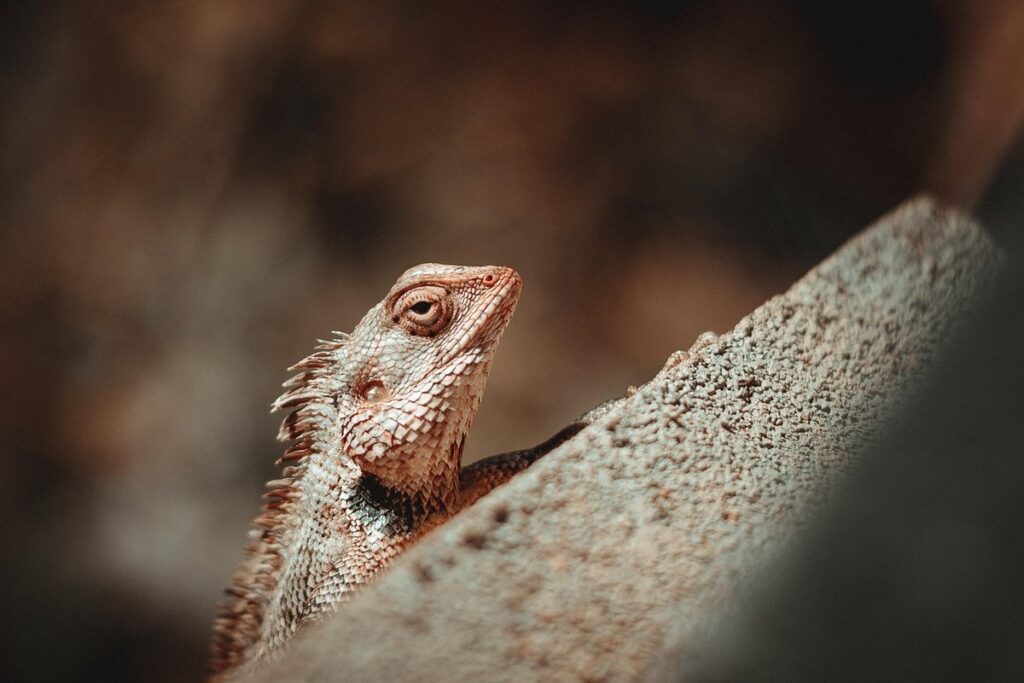
What Are Basilisk Lizards?
Basilisk lizards are a group of unique reptiles that share some fascinating characteristics, and their name isn’t as fictional as it sounds. Let’s start by learning what makes these creatures so special.
Origin and Distribution
Basilisk lizards are native to the tropical and subtropical regions of Central and South America, where they inhabit a variety of habitats including rainforests, cloud forests, and dry scrublands. In Costa Rica, for example, you can find the green basilisk lizard thriving in the humid lowlands along the Pacific coast. Its cousin, the brown basilisk, is more commonly spotted in the drier regions of Panama.
Basilisks are also found in other parts of Central America, including Belize and Guatemala, where they occupy areas with dense vegetation and access to water sources. In South America, their range extends into countries such as Colombia, Ecuador, and Peru, where they inhabit cloud forests at high elevations.
One notable feature of basilisk lizards is their ability to adapt to different environments. While some species prefer the moist conditions of tropical rainforests, others can be found in drier regions with limited vegetation cover. This flexibility has allowed them to thrive in a wide range of habitats across Central and South America.
Physical Characteristics
Basilisk lizards are distinguished by several unique physical features that enable their extraordinary abilities. One of the most striking characteristics is the pair of skin fringes on their hind legs, which resemble a “bony” crest or dewlap. These fringes, also known as hyperossified scales, allow basilisks to run across water with incredible agility and speed. When lifted out of the water, these fringes create a “paddle-like” motion that generates thrust.
Another distinctive feature is the crest on their heads, which is often brightly colored or patterned. This crest serves multiple purposes: it can be raised during courtship displays to attract mates, lowered when threatened to appear more intimidating, and also helps with thermoregulation by exposing a larger surface area to the sun.
Their eyes are relatively large compared to other lizards, giving them exceptional vision for hunting and navigating their environment. The shape of their snout is typically long and pointed, facilitating the catching of insects in mid-air. Basilisks’ robust legs support their impressive jumping ability, which they use for escaping predators or chasing prey.
Types of Basilisk Lizards
Let’s explore some of the fascinating species within the basilisk lizard family, each with its unique characteristics and habits. From the green basilisk to the knight anole, you’ll discover a diverse range of these incredible creatures.
The Green Basilisk
The Green Basilisk is one of the most iconic species within the basilisk lizard family. Found in the tropical regions of Central and South America, these lizards thrive in dense rainforests and near water sources.
One of the defining characteristics of the Green Basilisk is its remarkable ability to run on both land and water with incredible speed. Reaching up to 1.5 meters per second, they can cover impressive distances before needing a break or changing direction.
In their natural habitat, Green Basilisks are primarily solitary animals, only coming together for mating purposes. They spend most of their time basking in the sun on exposed branches or rocks, using their keen sense of vision to scan their surroundings for potential threats.
Interestingly, the Green Basilisk has been observed walking underwater with its hind legs held high out of the water, allowing it to move stealthily through aquatic environments. This unique adaptation is essential for its survival, as it enables the lizard to catch prey and escape predators in its native habitats.
The Brown Basilisk
The Brown Basilisk is a medium-sized species found in the tropical regions of Central and South America. One of its most striking features is its ability to change color in response to environmental stimuli, allowing it to blend seamlessly into its surroundings. This unique characteristic is made possible by specialized cells called chromatophores that expand or contract to alter the reflectivity of pigments.
In terms of physical characteristics, the Brown Basilisk has a broad, flat head and a long, slender tail. Its scales are typically brown or grayish-brown in color, often with darker markings on its back and sides. Adults can reach lengths of up to 20 inches (50 cm) and weigh around 10 ounces (280 grams).
When it comes to habits, the Brown Basilisk is primarily a solitary creature, only coming together with others during mating season. In their natural habitat, they are often found near water sources, where they hunt for small insects and other invertebrates. Despite its impressive camouflage abilities, the Brown Basilisk can still be an intimidating sight, thanks to its sharp claws and agile movements.
Behavior and Habitat
Basilisk lizards are fascinating creatures, and understanding their behavior and habitat is crucial to appreciating their unique characteristics. Let’s take a closer look at how they interact with their surroundings and each other.
Social Structure and Communication
Basilisk lizards are primarily solitary animals, but they will sometimes gather in small groups to mate. Males engage in complex courtship rituals, which involve head-bobbing and tail-wagging displays. These displays serve as a visual signal of the male’s health and strength, and can be quite intense – one study observed males performing these behaviors for up to 30 minutes at a time.
During mating season, females will often choose their mates based on the intensity and duration of these displays. Once paired, the female will lay her eggs in a nesting site chosen by the male, which he has carefully prepared by digging a shallow depression in a sunny spot.
Territorial behaviors are also an important aspect of basilisk lizard social structure. Males will fiercely defend their territories against other males, using a combination of visual displays and aggressive posturing to deter intruders. In some cases, this can lead to intense battles between rival males, but these conflicts usually don’t result in serious injury. Overall, the complex social dynamics of basilisk lizards are an essential part of their behavior and habitat, and help us better understand these fascinating creatures.
Adaptations for Survival
Basilisk lizards have evolved remarkable adaptations to thrive in their environments. One key adaptation is their ability to regulate body temperature. Unlike many other reptiles, basilisks can control their metabolism and maintain a stable body temperature, even in the face of fluctuating environmental temperatures. This is crucial for their survival, as they often live in areas with extreme diurnal temperature variations.
To achieve this thermoregulation, basilisks have developed unique physiological and behavioral strategies. For example, they are able to slow down or speed up their metabolism depending on the ambient temperature, allowing them to conserve energy when food is scarce. This flexibility also enables them to take advantage of favorable feeding conditions, such as warm days with an abundance of insects.
In terms of finding food, basilisks have adapted to their environment in other ways. Many species are skilled hunters, using speed and agility to catch prey in the underbrush or while basking on rocks. Some basilisks even exhibit a unique “sit-and-wait” strategy, where they remain stationary for extended periods and ambush passing insects. By mastering these adaptations, basilisk lizards have become highly effective predators in their ecosystems.
Conservation Status
Basilisk lizards are facing various threats, and understanding their conservation status is crucial for protecting these unique species. We’ll examine the current state of their populations in this section.
Threats and Challenges
Basilisk lizard populations are facing numerous threats to their survival. Habitat destruction is a significant concern, as their native habitats are being cleared for agriculture, urbanization, and infrastructure development. This loss of habitat not only reduces the available living space but also fragments existing populations, making it difficult for individuals to find food, shelter, and potential mates.
Climate change is another major challenge facing basilisk lizards. Rising temperatures and altered precipitation patterns disrupt their delicate balance with their environment. For example, changes in rainfall can impact the availability of insects, which are a crucial food source for these animals. Additionally, warmer temperatures can lead to increased disease prevalence and alter the dynamics of predator-prey relationships.
Hunting is also a significant threat, particularly in some parts of Central America where basilisk lizards are hunted for their meat or captured for the pet trade. Overcollection has led to local population declines, highlighting the need for sustainable management practices and conservation efforts. By understanding these threats, we can take steps to mitigate their impact and protect these fascinating creatures.
Efforts to Protect and Preserve
Conservation efforts for basilisk lizards focus on protecting their habitats and addressing specific threats. The establishment of protected areas, such as national parks and wildlife refuges, provides a safe haven for these species to thrive. For instance, the Corcovado National Park in Costa Rica offers a refuge for the green basilisk (Basiliscus vittatus), while the Osa Peninsula is a key habitat for the brown basilisk (Basiliscus basiliscus).
Research initiatives also play a crucial role in understanding and mitigating threats to basilisk lizards. Scientists are working to study their behavior, population dynamics, and ecological niches to inform conservation strategies. For example, researchers have identified that deforestation and habitat fragmentation are major drivers of decline for many basilisk species.
Community engagement is another vital component of conservation efforts. Local communities can serve as valuable allies in protecting basilisk habitats and preventing human-wildlife conflict. By promoting education and outreach programs, organizations can empower local residents to become active stewards of their environment and work towards coexisting with these fascinating creatures.
Interesting Facts and Myth-Busting
Basilisk lizards have long been shrouded in mystery, with many fascinating facts and myths surrounding these remarkable creatures. Let’s separate fact from fiction as we explore some of the most intriguing tales about basilisks.
Misconceptions About Basilisk Lizards
Basilisk lizards have long been shrouded in myth and misconception. One of the most enduring tales is that they can kill with a single gaze, a notion rooted in medieval European folklore. However, this notion has no basis in reality. In fact, basilisk lizards are not even venomous or poisonous.
Another common misconception is that basilisk lizards can run on water like their mythical namesake, the Basilisk of legend. While they can indeed move quickly and make it appear as though they’re running on water’s surface, this is an optical illusion created by their ability to spread their front legs wide apart. In reality, they are simply creating a sort of “raft” with their feet.
It’s essential to separate fact from fiction when it comes to basilisk lizards. By doing so, we can appreciate these fascinating creatures for who they truly are: remarkable animals with unique adaptations and behaviors that have captivated humans for centuries.
Unusual Abilities and Behaviors
Basilisk lizards are renowned for their extraordinary abilities and behaviors. One of their most impressive attributes is their remarkable running speed. Reaching up to 18 miles per hour, these creatures can cover significant ground when threatened or during courtship displays.
In addition to their speed, basilisk lizards employ unique communication methods. They use a complex series of barks, chirps, and hisses to convey information about food sources, potential threats, and even social status. This vocal repertoire is particularly notable in the green basilisk, which is known for its high-pitched calls.
Some species also exhibit an unusual behavior called “head-bobbing,” where they rapidly move their heads up and down to signal aggression or courtship intentions. Observers have noted that this behavior can be quite entertaining, especially when multiple individuals engage in a lively display of head-bobbing.
Frequently Asked Questions
Can I Keep Basilisk Lizards as Pets?
You can keep basilisk lizards in captivity, but it’s essential to check local laws and regulations regarding exotic pet ownership. Additionally, ensure you provide a suitable enclosure that mimics their natural habitats, including temperature control, UVB lighting, and a diet rich in live insects.
How Can I Support Conservation Efforts for Basilisk Lizards?
Support conservation efforts by donating to reputable organizations focused on protecting basilisk lizard habitats and populations. You can also spread awareness about the importance of conservation through social media or local community outreach programs.
What If I Encounter a Basilisk Lizard in the Wild, Should I Approach It?
No, it’s best not to approach or touch wild basilisk lizards. They are protected by laws in some areas, and their habitats are often fragile ecosystems that require careful handling. Respect their space and observe from a safe distance.
Are There Any Endangered Basilisk Lizard Species That Require Immediate Attention?
Yes, several species of basilisk lizards are threatened or endangered due to habitat destruction, climate change, and hunting. The brown basilisk, in particular, is vulnerable due to its restricted range and sensitivity to environmental changes.
How Can I Distinguish Between a Green Basilisk and a Brown Basilisk in the Wild?
Distinguishing between green and brown basilisks can be challenging without close observation. Look for the distinctive crests on their heads and note their coloration: green basilisks have bright green scales, while brown basilisks can change color to blend with their surroundings.