
The largemouth bass is one of North America’s most prized game fish, sought after by anglers for its powerful fighting spirit and delicious flavor. These iconic species can be found in freshwater lakes, rivers, and reservoirs across the continent, but their populations are facing threats from overfishing, habitat destruction, and climate change. As a result, conservation efforts are underway to protect the largemouth bass species and preserve their habitats for future generations. In this article, we’ll take a closer look at the habitat, behavior, and fishing habits of largemouth bass, as well as provide tips on how to catch them effectively while avoiding overfishing practices that harm these valuable ecosystems. By the time you finish reading, you’ll have a deeper understanding of what it takes to conserve largemouth bass populations and enjoy sustainable fishing experiences.
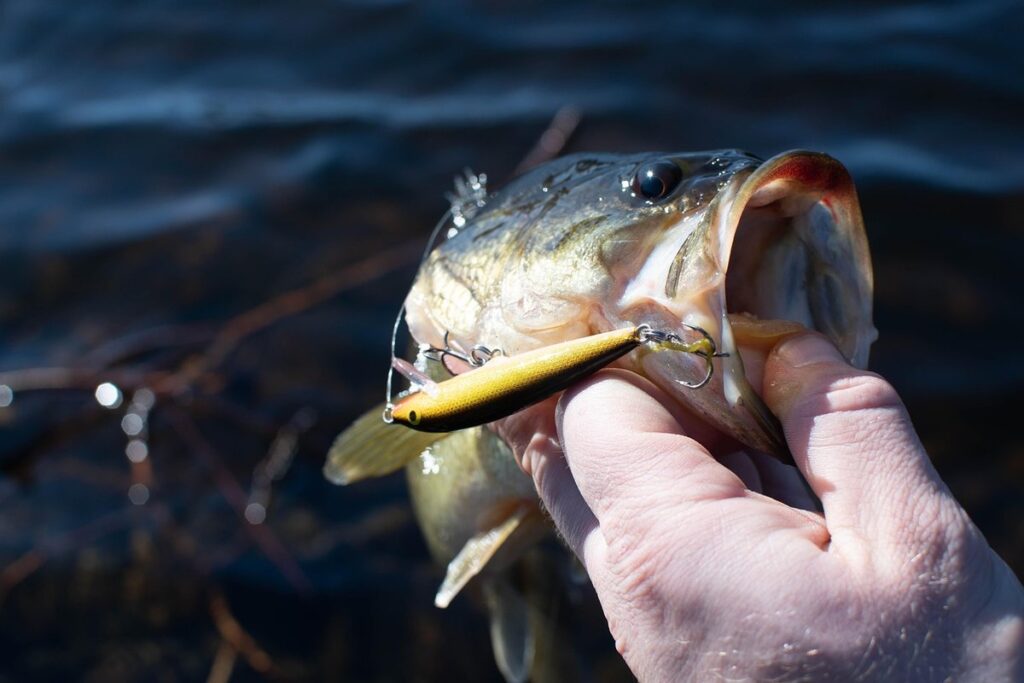
Overview of the Largemouth Bass
The largemouth bass is a popular game fish found in freshwater environments across North America, known for its distinctive features and habits that set it apart from other species. Let’s take a closer look at what makes this fish so fascinating.
Physical Characteristics
Largemouth bass typically range from 6 to 20 inches in length, with the average adult weighing between 1 and 10 pounds. However, some specimens have been recorded to reach up to 25 inches or more. The coloration of largemouth bass varies depending on their age, habitat, and sex, but they often display a mottled greenish-brown to dark brown back, with a lighter cream-colored belly.
One distinctive feature of the largemouth bass is its prominent jaw, which extends beyond the eye. This characteristic allows them to consume larger prey items compared to smallmouth bass. The mouth is also equipped with a series of sharp teeth and powerful jaws that enable them to crush the shells of snails and other invertebrates. A dark stripe or blotch often runs along the lateral line, behind the gill plate, which can be an important identification feature for anglers.
When observed from below, the largemouth bass displays a horizontal band of lighter coloration running across its belly, just above the anal fin. This distinctive marking serves as a visual cue to help distinguish them from other species.
Distribution and Habitat
Largemouth bass are a widely distributed species found in freshwater environments across North America. They inhabit various types of water bodies, including lakes, rivers, reservoirs, and ponds. In these environments, they tend to prefer areas with abundant vegetation, such as submerged aquatic plants, emergent vegetation along shorelines, and structure like rocks or sunken logs.
Water temperature is another crucial factor in determining the distribution of largemouth bass. They thrive in warm water temperatures ranging from 60°F to 90°F (15°C to 32°C). In general, they are more active in shallower waters during warmer months but can also be found in deeper waters with suitable oxygen levels.
When selecting a fishing spot, it’s essential to consider the availability of suitable habitat. Look for areas with submerged vegetation or structure that provides ambush points for largemouth bass. Avoid areas with excessive algae growth or water clarity issues, as these conditions can make it difficult for fish to thrive.
Freshwater environments with a mix of sand, gravel, and rocky substrates tend to support healthy largemouth bass populations. These habitats provide the necessary food sources and shelter for young fish to grow and mature.
Life Cycle and Growth Patterns
As you continue to learn more about largemouth bass, it’s essential to understand their life cycle and growth patterns, which vary greatly depending on their environment. Factors like water temperature and food availability play a significant role in shaping their development.
Larval Stage and Early Development
During its larval stage, the largemouth bass is a vulnerable creature. Emerging from eggs laid by the mother in water plants, these tiny fish are about 1-2 centimeters long and feed on small zooplankton and algae. Their translucent bodies allow them to blend in with their surroundings, making them difficult to spot for predators. However, their size also makes them susceptible to being eaten by larger fish, birds, or aquatic insects.
As they grow, largemouth bass larvae tend to congregate near shallow water areas with abundant vegetation, where food is plentiful and shelter is readily available. This habit of settling in vegetated zones remains consistent even as they mature into juveniles. Their early diet consists mainly of small crustaceans, snails, and insects.
Young largemouth bass are also more likely to be preyed upon by larger fish or birds during this stage. In fact, studies have shown that up to 90% of juvenile largemouth bass may fall victim to predation within the first few weeks of life. Understanding these vulnerabilities can help anglers develop effective strategies for targeting and catching largemouth bass at different stages of their development.
Juvenile and Adult Stages
As largemouth bass mature from juveniles to adults, they undergo significant changes in size, weight, and behavior. During the juvenile stage, typically lasting around 1-2 years, these fish grow rapidly, increasing their length by up to 10 inches per year. They feed on small insects, crustaceans, and plankton, developing a taste for larger prey as they grow.
As largemouth bass enter adulthood, usually after 2-5 years of growth, several key changes occur. Their body shape becomes more streamlined, with a deeper caudal fin and a longer dorsal fin. Adult largemouth bass can reach lengths of up to 25 inches and weigh between 8-15 pounds. They shift their diet to larger prey such as smaller fish, frogs, and birds.
In terms of behavior, adult largemouth bass are more solitary and territorial than juveniles. Males will establish spawning territories during the spring months, while females will move into these areas to spawn. Understanding these growth patterns can help anglers target specific locations and times for optimal fishing results. For example, targeting areas with submerged vegetation or sunken logs in the early morning hours when adult largemouth bass are most active can increase chances of a successful catch.
Behavior and Migration Patterns
Largemouth bass exhibit fascinating behavior and migration patterns that are crucial for anglers to understand if they want to catch them consistently. Let’s take a closer look at these patterns in different environments.
Feeding Habits
Largemouth bass are carnivorous predators with a varied diet that adapts to their environment. They primarily feed on smaller fish such as shad, minnows, and panfish, but also consume crustaceans like crawdads and snails. In addition, they eat insects like leeches, frogs, and salamanders.
Aquatic vegetation plays a crucial role in largemouth bass foraging strategies. They use submerged plants to ambush prey or lie in wait near weed beds to ambush unsuspecting fish. When water temperatures rise above 60°F (15°C), largemouth bass tend to focus on larger prey items like shad and sunfish, which are more abundant during this time.
In areas with limited aquatic vegetation, largemouth bass have been known to forage on the surface or near submerged structures like rocks or logs. They use their lateral line and sense of smell to locate potential meals in these environments. Understanding the preferred food sources and foraging strategies of largemouth bass can help anglers develop effective fishing tactics and increase their chances of success.
Mating and Spawning Behaviors
Largemouth bass typically exhibit complex mating behaviors during their spawning season, which usually occurs from late spring to early summer. Males engage in elaborate courtship rituals, including visual displays of aggression and dominance, to attract females. These displays can involve rapid swimming patterns, vibrating fins, and loud grunting sounds.
Successful courtship often culminates in a female selecting a nesting site within the male’s territory. The chosen location is typically characterized by submerged vegetation or a series of small rocks, which provide shelter from predators and protection for developing eggs. Males will often aggressively defend their claimed territories against rival males.
Once a suitable nesting site has been identified, the female largemouth bass deposits her eggs into the shallow water, while the male fertilizes them through a process called “milt release.” After spawning, females typically abandon their nests, leaving males to guard and aerate the developing eggs. This behavior is crucial for ensuring successful hatching and growth of young largemouth bass in the wild.
Autumnal Migration Patterns
As the water temperature cools in autumn, largemouth bass begin their migration to deeper waters. This shift is driven by a combination of factors, including the decline of food sources and the decrease in dissolved oxygen levels near the surface. As vegetation dies back and aquatic insects become scarce, bass seek out areas with more abundant forage.
During this time, they often move into areas with submerged structures such as weed beds, sunken logs, or rocky drop-offs. These features provide shelter from strong currents and offer a concentrated source of food in the form of baitfish, crayfish, and other species that congregate around these habitats. In particular, largemouth bass tend to congregate near main lake structures like creek channels, river mouths, and submerged humps.
In terms of specific locations, look for areas with a mix of structure and depth change. For example, the transition zone between a shallow bay and a deeper channel can be an excellent spot to target migrating bass. Consider using a fish finder or electronic depth sounder to help locate these areas and identify the presence of baitfish or other attractors that may indicate the presence of largemouth bass.
Conservation Status and Threats
The largemouth bass species faces significant conservation concerns, including habitat loss and overfishing, which have contributed to declining populations. Understanding these threats is crucial for protecting this iconic fish.
Habitat Destruction and Pollution
Human activities such as deforestation, urbanization, and water pollution have severe consequences for largemouth bass populations and their habitats. Deforestation, in particular, can lead to the loss of aquatic vegetation, which is essential for juvenile bass to hide from predators and feed on insects. Urbanization often results in increased sedimentation and nutrient runoff into waterways, causing algal blooms that deplete oxygen levels and harm bass.
Water pollution, including agricultural runoff and sewage overflow, introduces chemicals and toxins that can affect bass physiology and behavior. For instance, exposure to pesticides has been linked to reduced fertility and altered feeding patterns in largemouth bass. These impacts can be exacerbated by the degradation of wetlands and aquatic habitats, which are crucial for bass spawning and nursery grounds.
To mitigate these effects, anglers and conservationists must work together to reduce pollution sources and promote sustainable land-use practices. This includes implementing best management practices on agricultural lands and supporting policies that protect and restore wetland ecosystems. By addressing habitat destruction and pollution, we can help maintain healthy largemouth bass populations and preserve the species’ ecological role in aquatic ecosystems.
Overfishing and Regulation
Overfishing has emerged as a critical threat to largemouth bass populations worldwide. The excessive removal of individuals from their habitats disrupts the delicate balance of ecosystems, leading to decreased population sizes and altered community structures. In many regions, commercial and recreational fishing pressures have pushed largemouth bass populations towards collapse.
Regulatory bodies have implemented various measures to curb overfishing and conserve largemouth bass. For instance, catch limits, size restrictions, and closed seasons are enforced in many jurisdictions to protect vulnerable individuals and prevent over-exploitation. Some fisheries also adopt selective fishing practices, such as using barbless hooks or releasing undersized fish, to minimize harm.
However, enforcement of regulations can be inconsistent, particularly in areas with limited resources or inadequate monitoring. Anglers play a crucial role in conservation efforts by adhering to local regulations and reporting instances of overfishing. By doing so, they contribute to the long-term sustainability of largemouth bass populations and maintain healthy ecosystems for future generations.
Fishing Tips and Techniques
To catch largemouth bass, you’ll want to master some essential techniques that play off their natural behaviors. We’ll cover a few key tactics to get you started on your next fishing trip.
Choosing the Right Lures and Baits
When it comes to lures and baits for largemouth bass, a general rule of thumb is to match the bait to the environment. In shallow water with heavy vegetation, soft plastics like curly tail grubs or plastic worms are effective for enticing bass to strike. For deeper waters, consider using crankbaits or spoons that can dive to the necessary depth.
In terms of presentation technique, it’s essential to pay attention to the action and speed of your lure as you retrieve it. Bass often mistake a fast-moving lure for an injured baitfish, so try varying your retrieve to see what works best in different situations. For example, if you’re fishing near submerged structure like rocks or weeds, a slower, more deliberate retrieve might be more effective.
Some anglers swear by using live baits like minnows or shad, which can be especially effective during certain times of the year or in specific water conditions. However, it’s worth noting that live baits often require specialized tackle and presentation techniques to avoid losing them to predators or snagging on underwater obstacles.
Effective Casting and Presentation
When it comes to fishing for largemouth bass, effective casting and presentation can make all the difference. You want to get your line and lure into the water with precision, but also present them in a way that’s appealing to the fish.
First, consider the structure of the water you’re fishing in. Bass tend to congregate around submerged logs, rocks, and weed beds, so aim for these areas when casting. A long cast can be just as effective as a short one if it lands right where you want it to. For accuracy, use a medium to heavy action rod with a sensitive tip that can detect even the lightest bites.
When presenting your lure or bait, keep it natural and subtle. Largemouth bass are ambush predators, so they’re often waiting for an unsuspecting prey to swim by. A slow, steady retrieve is usually more effective than a rapid one, which can scare them off. If you’re using live bait, try to mimic the natural behavior of the baitfish in your area – for example, if they tend to dart quickly through the water, give it a few swift jerks before settling into a steady pace.
Frequently Asked Questions
Can I catch largemouth bass in brackish water?
Yes, largemouth bass can be found in brackish water, which is a mixture of fresh and saltwater. However, their tolerance for salt varies depending on the location and time of year. In general, they prefer freshwater habitats but may venture into brackish areas with low salinity levels.
What if I’m fishing in an area with multiple largemouth bass species? How can I identify which one is biting?
Largemouth bass can be distinguished from other species by their distinctive jaw shape and size. If you’re unsure, try observing the fish’s behavior and habitat preferences. Largemouth bass tend to prefer vegetation and structure-rich areas, while smaller species may prefer open waters.
Can overfishing really impact largemouth bass populations? What are some ways I can contribute to conservation efforts?
Yes, overfishing is a significant threat to largemouth bass populations worldwide. You can contribute to conservation efforts by practicing catch-and-release fishing, choosing lures and baits that minimize habitat disruption, and supporting local conservation organizations.
How do I know when the best time to fish for largemouth bass is? What are some seasonal patterns I should be aware of?
The best time to fish for largemouth bass varies depending on location and weather conditions. However, they tend to be most active during dawn and dusk in spring and fall, and throughout the day in summer. Look for signs of activity such as feeding patterns, water temperature changes, and vegetation growth.
What if I accidentally hook a small or juvenile largemouth bass? How should I handle it?
If you accidentally hook a small or juvenile largemouth bass, try to release it carefully without causing further injury. Use a dehooker or needle-nose pliers to remove the hook gently, and avoid touching the fish excessively to minimize stress.