
Birdwatching can be a thrilling hobby, but identifying bird species in the wild can be a daunting task, especially for beginners. One of the most effective ways to accurately identify birds is by paying attention to their field marks – distinctive features such as plumage patterns, beak shape, and leg color. These characteristics can make all the difference in distinguishing between similar-looking species. However, many birdwatchers struggle to recognize and remember these field marks, leading to misidentifications and missed opportunities to spot rare species. In this guide, we’ll take a comprehensive look at how to identify bird species using field marks, covering the key features to look for in plumage, beak shape, and leg features. By the end of this article, you’ll be able to confidently identify bird species in the wild and take your birdwatching skills to the next level.
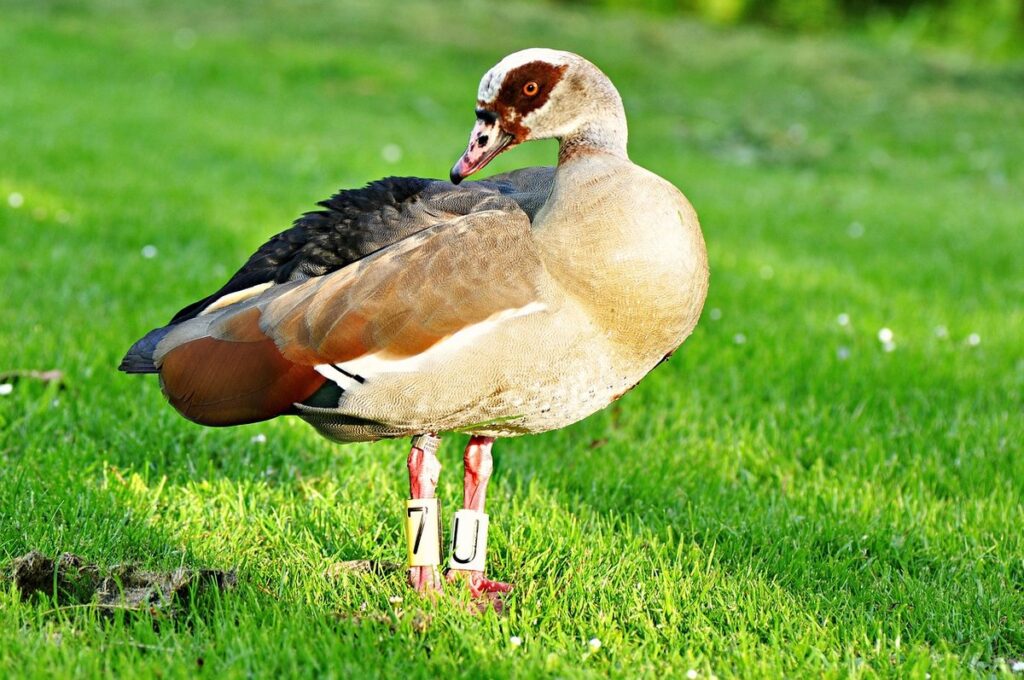
Understanding Field Marks and Their Importance
When identifying birds in the field, understanding the importance of subtle marks on their feathers, such as streaks, spots, and color hues, is crucial for accurate classification. These marks can make all the difference in distinguishing between similar species.
What are Field Marks?
Field marks are the distinctive features that set one bird species apart from another, making them essential for accurate identification in the field. These features can be found in various parts of a bird’s body, including its plumage, beak, legs, and feet. To identify a bird using field marks, you need to look for unique characteristics such as specific patterns, colors, or shapes that are consistent within a species but differ from others. For example, the yellow head and breast of the American Goldfinch are distinctive field marks that help identify this species.
When examining a bird’s field marks, it’s essential to note that some features may be more visible than others, depending on the bird’s behavior and environment. For instance, a bird’s beak may be more prominent when it’s foraging for food, while its plumage may be more visible when it’s perched. Observing a bird’s field marks in different contexts can provide valuable information for identification. By focusing on these distinctive features, birdwatchers can develop their skills in identifying species and improve their overall birding experience.
Types of Field Marks
Field marks can be categorized into several types, each with unique characteristics that aid in identification. One common type is coloration, which encompasses various shades and hues, such as streaks, spots, or patches on the plumage, beak, or legs. For example, the presence of a distinctive red crown on a bird’s head can be a critical identifying feature.
Another type is pattern, which refers to the arrangement of colors, shapes, and textures on the bird’s body. This can include stripes, bars, or other geometric patterns that help distinguish one species from another. The shape and size of a bird’s beak, legs, and feet are also important field marks, as they can vary significantly between species.
Texture is another key type of field mark, which can be smooth, scaly, or even fluffy. Some birds, like the hummingbirds, have highly specialized beaks that are specifically adapted for their diet. Overall, recognizing and combining these different types of field marks can greatly enhance a birdwatcher’s ability to accurately identify species in the field. When observing birds, pay attention to these various characteristics and how they interact with one another to create a unique visual signature.
How to Use Field Marks for Identification
To use field marks for identification, you need to consider multiple features together. Start by noting the overall shape and proportions of the bird, including the length and thickness of its bill, the size and shape of its legs and feet, and the pattern and coloration of its plumage. Next, look for distinctive markings, such as stripes, spots, or patches, and consider their size, shape, and arrangement. Pay attention to the shape and color of the bird’s eyes, as well as the color and texture of its beak.
When combining field marks, look for patterns and consistencies. For example, if a bird has a distinctive stripe above its eye, it may also have a similar stripe on its wing or tail. Consider the overall color pattern of the bird, including any subtle shadings or tonal variations. By combining multiple field marks, you can build a more confident identification. One approach is to start with a key field mark and then look for supporting features. For instance, if you notice a distinctive head pattern, look for birds with similar head patterns in your field guide or online resources.
Bird Plumage: A Key to Identification
One of the most distinctive and recognizable features of birds is their plumage, which can serve as a vital clue in identifying species. Understanding how to recognize different patterns, colors, and textures can be a valuable tool for any birdwatcher.
Understanding Plumage Patterns
When identifying bird species, plumage patterns can be a crucial field mark. One of the most common types of plumage patterns is streaking, which can be seen on the breast, belly, or flanks of a bird. Streaks can be thin and wispy or thick and bold, and may be uniform or vary in intensity. For example, the American Robin has a distinctive orange breast with dark brown streaks, while the Song Sparrow has a brown back with white streaks on its chest.
Another type of plumage pattern is spotting, which can be seen on the throat, breast, or belly of a bird. Spots can be round or oval, and may be uniform or vary in size and intensity. The Northern Cardinal, for instance, has a distinctive crest and red plumage with black spots on its breast.
Bars are also a common type of plumage pattern, and can be seen on the wings, back, or tail of a bird. Bars can be horizontal or vertical, and may be thin or thick. The Black-and-white Warbler, for example, has a distinctive black and white striped pattern on its head and back. To recognize these plumage patterns, pay close attention to the shape, size, and color of the marks, as well as their arrangement on the bird’s body.
Plumage Coloration and Its Significance
When identifying birds, plumage coloration can be a crucial field mark, especially when combined with other characteristics. Birds exhibit a wide range of colors, from vibrant yellows and oranges to deep blues and purples. The intensity, saturation, and pattern of these colors can provide valuable clues for identification.
For example, the bright orange breast of the American Goldfinch is a distinctive field mark that helps distinguish it from other finches. Similarly, the red head and breast of the Northern Cardinal are unmistakable. However, it’s essential to note that plumage coloration can change with age and sex, so it’s crucial to consider these factors when using coloration as a field mark.
In some species, the coloration of specific feathers or patches can be particularly important. For instance, the white wing bars of the Snowy Egret are a key identification feature. By paying attention to these subtle details, birdwatchers can improve their chances of accurate identification. When observing a bird’s plumage, take note of the overall color palette, as well as any distinctive patterns or markings.
Sex and Age Determination through Plumage
When observing a bird’s plumage, it’s essential to look for sex- and age-related characteristics. Some species exhibit distinct differences in their plumage that can help determine the bird’s sex or age. For example, male American Goldfinches develop a bright yellow head and chest during breeding season, while females retain a more subdued coloration. In contrast, juvenile birds often have a more mottled or streaked appearance compared to adults.
In some species, the presence of a hood or nape patch can indicate the bird’s sex. For instance, male Northern Goshawks have a distinctive black hood, whereas females lack this feature. Similarly, age-related differences in plumage can be observed in birds like the Robin, which develops a reddish-orange breast in its second year.
When examining a bird’s plumage for sex and age determination, it’s crucial to consider the species’ specific characteristics. Consult field guides or online resources to familiarize yourself with the sex- and age-related plumage patterns of the species you’re observing. By paying attention to these details, you can make more accurate identifications and enhance your birdwatching experience.
Beak Shape and Size: Important Field Marks
When identifying birds in the field, paying attention to beak shape and size is crucial, as these characteristics can be just as distinctive as plumage or coloration. Let’s take a closer look at how to use beak shape and size as field marks.
Beak Shape and Its Significance
A bird’s beak shape can be a crucial field mark for identification, as it often reflects the bird’s diet and habitat. There are several distinct beak shapes, including the sharp, pointed beaks of birds of prey, the stout, crushing beaks of woodpeckers, and the slender, probing beaks of sandpipers. Recognizing these shapes can help birdwatchers narrow down their identification options.
For example, the sharp, hooked beak of a hawk or eagle indicates that the bird is a formidable hunter, capable of tearing flesh and breaking bone. In contrast, the flat, broad beak of a pigeon is well-suited for plucking seeds and grains from the ground. The shape of a bird’s beak can also be influenced by its age and sex, with younger birds often having less-developed beaks than adults.
When observing a bird’s beak, consider the following: is it sharp and pointed, or blunt and rounded? Is it stout and heavy, or slender and delicate? By paying attention to these characteristics, birdwatchers can gain valuable insights into a bird’s behavior, habitat, and evolutionary history.
Beak Size and Its Importance
When evaluating a bird’s field marks, the size of its beak can be a crucial detail. A beak’s length and width can vary significantly between species, making it a useful identifier. For example, the hummingbird’s tiny, pointed beak is distinct from the larger, more robust beak of a woodpecker. A beak’s size can also be an indicator of a bird’s diet and feeding habits. Birds with large, strong beaks are often adapted for cracking seeds or nuts, while those with smaller beaks may specialize in sipping nectar or eating insects.
To use beak size effectively for identification, look for the following characteristics: the overall length and width of the beak, the shape of the tip (whether it’s pointed, rounded, or notched), and the presence of any distinctive markings or colors. Note that beak size can vary within a species depending on age, sex, and season, so it’s essential to consider these factors when making an identification. By paying attention to beak size and shape, you can gain a more accurate understanding of a bird’s identity and habits.
Beak Coloration and Its Significance
A bird’s beak coloration can vary from a dull gray to a vibrant yellow, orange, or red, and this coloration is not just a matter of aesthetics. In many bird species, beak coloration serves as a crucial field mark for identification. For instance, the brightly colored beaks of hummingbirds are a distinctive feature that sets them apart from other birds. In some species, like the European Starling, the beak color changes with the bird’s age, with young birds having a more yellowish beak that gradually turns dark gray with maturity.
When observing a bird’s beak, note the color, shape, and any notable patterns or markings. In some cases, beak coloration can be an important indicator of a bird’s diet or habitat. For example, birds that feed on nectar, like sunbirds and hummingbirds, often have brightly colored beaks that are adapted to reach into flowers. In contrast, birds that feed on seeds and grains, like finches, typically have duller beaks. By paying attention to these details, you can use beak coloration as a valuable tool in identifying bird species.
Legs and Feet: Often Overlooked Field Marks
Birds often display distinctive leg and foot features that can be crucial in identification, yet are frequently overlooked by birdwatchers. Understanding these subtle markings can greatly enhance your bird identification skills.
Leg and Foot Coloration
When observing a bird’s legs and feet, notice the coloration, which can be a distinctive field mark. Most birds have pink or red legs and feet, but some species have unique coloration. For example, herons and egrets have yellow or gray legs, while some species of ibises have red or orange legs. The coloration can be uniform or have distinct patterns, such as stripes or spots.
Some birds, like penguins and auks, have black or dark-colored legs and feet, which can be a helpful identification feature. In contrast, birds like flamingos and some species of ducks have brightly colored legs and feet, often matching their plumage. When observing a bird’s legs and feet, take note of the overall color and any patterns or markings. This can be especially useful when identifying waterbirds, as their leg and foot coloration can be quite distinct.
A few species, like the common tern and the sandpiper, have legs and feet that are typically pale or almost white. Be aware of these variations to avoid misidentifying a species.
Leg and Foot Shape and Size
When observing a bird’s legs and feet, pay close attention to their shape and size. While often overlooked, these features can be crucial in distinguishing between species. For example, the long, thin legs of a sandpiper or oystercatcher are characteristic of these wading birds, whereas the shorter, thicker legs of a dove or pigeon are more typical of these ground-dwelling species.
Not all birds have long, stumpy legs or short, thin ones; many species exhibit a range of leg lengths and widths. Some birds, such as the heron or egret, have long, slender legs and feet that are perfectly suited to their wading lifestyle. In contrast, birds like the penguin and ostrich have short, stumpy legs that are adapted for walking and running on land.
When using leg and foot shape and size for identification, it’s essential to consider the bird’s overall body size and shape. For instance, a large bird with short legs is likely to be a bird of prey, such as a hawk or owl, whereas a small bird with long legs is probably a songbird or warbler.
Other Features of the Legs and Feet
Some bird species exhibit unique features of their legs and feet, such as spurs or webbed feet. These characteristics can be used to aid in identification, as they are often specific to certain species or groups. For example, the Northern Harrier has long, spiny spurs on its legs, while the Pied-billed Grebe has webbed feet that are well-suited for its aquatic lifestyle. To recognize these features, look for any unusual growths or protrusions on the legs or feet, or check for webbing between the toes. Be aware that some species may have partially webbed feet, so it’s essential to examine the feet carefully. In some cases, the presence of spurs or webbed feet can be a key distinguishing feature between similar species. When observing a bird, take note of any unusual leg or foot features and consider how they might fit into your identification process. A good field guide or online resource can also provide detailed information on the leg and foot characteristics of various bird species.
Using Multiple Field Marks for Identification
When identifying birds, combining multiple field marks can be a powerful tool for making a positive ID, but it requires a solid understanding of their unique combinations. Let’s explore how to effectively use multiple field marks together.
Combining Field Marks for Identification
Combining multiple field marks can significantly enhance your chances of making a positive identification. When considering multiple field marks, it’s essential to understand how they interact with each other. For instance, the combination of a specific beak shape and size, along with the presence of a certain plumage pattern, can greatly narrow down the possible species. You should consider the location and size of any distinctive markings, such as wing bars or eye rings, in relation to other field marks.
When combining field marks, it’s also crucial to consider the context in which they appear. For example, a certain plumage pattern may be more common in certain habitats or at specific times of the year. A small, white wing patch may be a distinguishing feature of a particular species, but its presence may be more significant in a migratory context. To effectively combine field marks, it’s essential to have a solid understanding of the species’ habits and habitats. This will allow you to make informed decisions about the relative importance of different field marks and increase your chances of making a positive identification. Consider creating a mental or written checklist of the field marks you’ve observed to help you organize your thoughts and make a more accurate identification.
Eliminating Similar Species
When combining multiple field marks for identification, it’s essential to eliminate similar species that could potentially be mistaken for the bird you’re trying to identify. One way to do this is by paying close attention to the unique characteristics of each similar species. For example, if you’re trying to identify a warbler, you might consider the species that are most similar to it, such as the American Goldfinch or the Yellow Warbler. Note the distinctive features of each of these birds, such as the American Goldfinch’s bright yellow plumage or the Yellow Warbler’s distinctive head pattern.
By comparing the field marks of the bird you’re trying to identify to those of similar species, you can eliminate those that don’t match. For instance, if the bird you’re trying to identify has a black throat patch, you can eliminate the American Goldfinch, which does not have this feature. Similarly, if the bird has a distinctive yellow stripe above its eye, you can eliminate the Yellow Warbler, which does not have this feature. By carefully comparing the field marks of similar species, you can narrow down your identification options and increase your chances of correctly identifying the bird.
Advanced Identification Techniques
When combining multiple field marks, consider the overall pattern of characteristics rather than focusing on individual traits. For instance, a bird’s distinctive head pattern, beak shape, and leg coloration can collectively create a unique profile that aids identification.
The presence of a white patch on the wing can be a crucial distinguishing feature when combined with the bird’s plumage pattern and beak shape. In contrast, a bird’s beak length can be a significant factor when viewed alongside its body size and overall proportions.
To apply this approach effectively, it’s essential to develop a systematic method of observation and note-taking. This might involve creating a checklist of key field marks and observing the bird in a sequence that allows you to take detailed notes on each characteristic.
In practice, this means moving from one region of the bird’s body to another, rather than scanning the entire bird at once. For example, start by observing the head and beak, followed by the wings and tail, and finally the legs and feet. This systematic approach can help you capture a more comprehensive picture of the bird’s field marks and make a more confident identification.
Conclusion and Final Tips
Now that you’ve learned how to identify key field marks, let’s tie everything together with some final tips to enhance your birdwatching experience and improve your identification skills.
Review of Key Field Marks
When reviewing the key field marks covered in this article, it’s clear that a solid understanding of bird plumage, beak shape and size, and legs and feet is essential for accurate identification. Bird plumage patterns, including barring, streaking, and spotting, can be particularly useful for distinguishing between species. The coloration and patterns of the beak, including its shape and size, can also provide valuable clues. Meanwhile, the coloration, shape, and size of the legs and feet can often be overlooked, but they can be important distinguishing features.
In particular, the article highlighted the importance of considering multiple field marks when making an identification. By combining information about plumage, beak shape and size, and legs and feet, birdwatchers can increase their chances of accurately identifying a species. The article also discussed the importance of eliminating similar species when making an identification, and provided advanced identification techniques for experienced birdwatchers.
Some key field marks to keep in mind include the presence of a distinctive red crown or throat patch, the shape and size of the beak, and the coloration and pattern of the legs and feet. By paying attention to these and other key field marks, birdwatchers can improve their chances of successful identification.
Final Tips for Birdwatchers
When using field marks in the field, it’s essential to remain calm and observant. Take your time to note the different characteristics, and don’t be afraid to revisit a bird multiple times to gather more information. Practice observing the same species in different lighting conditions to develop a better understanding of how the field marks change.
To continue learning and improving your identification skills, join a local birding group or club. These organizations often offer guided field trips, workshops, and online forums where you can share observations and learn from experienced birders. Participating in citizen science projects can also be a great way to contribute to the field and gain hands-on experience.
Reviewing your field notes and photos can help you identify areas for improvement. Consider keeping a life list of the species you’ve identified, and track your progress over time. This will not only help you refine your skills but also provide a sense of accomplishment and motivation to continue exploring the world of birdwatching.
When in doubt, consult a field guide or seek guidance from a more experienced birder. Don’t be discouraged by mistakes – they’re an essential part of the learning process. By combining practice, patience, and persistence, you’ll become a more skilled and confident birdwatcher over time.
Frequently Asked Questions
How to Identify Bird Species in Low-Light Conditions?
When identifying bird species in low-light conditions, it’s essential to rely on field marks that are most visible in dim lighting. Focus on the bird’s overall shape, beak shape, and leg coloration, as these features tend to be more noticeable in low-light conditions. Additionally, use a pair of binoculars or a spotting scope to get a closer look at the bird’s plumage and other field marks.
What If I’m Still Uncertain About a Species’ Identification After Using Multiple Field Marks?
If you’re still unsure about a species’ identification after using multiple field marks, it’s not uncommon. Advanced identification techniques often require experience and practice. Consider consulting with an experienced birder or using online resources to help narrow down the possibilities. You can also try to observe the bird’s behavior, habitat, and any distinctive vocalizations to aid in identification.
Can I Use Field Marks to Identify Bird Species During Migration?
Yes, field marks can be used to identify bird species during migration. However, keep in mind that some bird species may exhibit different plumage patterns or coloration during migration. Be sure to consult field guides or online resources specific to the region and time of year you’re birding. Additionally, pay attention to any distinctive flight patterns or behaviors that may help with identification.
How to Know When to Trust Your Instincts and Make a Positive Identification?
Trust your instincts when making a positive identification if you’ve carefully observed the bird’s field marks, behavior, and habitat. Don’t be afraid to eliminate similar species based on the information you’ve gathered. Remember, experience and practice are key to becoming a skilled birder. If you’re still unsure, it’s always better to err on the side of caution and continue observing the bird before making a final identification.
Can Field Marks Be Used to Identify Bird Species That Are Rare or Uncommon in the Area?
Yes, field marks can be used to identify bird species that are rare or uncommon in the area. However, it’s essential to be aware of any local birding reports or sightings that may indicate the presence of a rare species. Additionally, consider consulting with local birding experts or online forums to gather more information about the species and its field marks.