
Bottle digging has become an increasingly popular pastime, with many enthusiasts scouring fields and woods in search of vintage bottles. However, this activity can come with risks if not done responsibly. You may be unaware of the potential hazards associated with bottle digging, such as sharp edges on broken glass or the risk of uncovering hazardous waste. Additionally, improper excavation techniques can damage the environment, leading to long-term consequences for the ecosystem.
As you begin your own bottle digging adventures, it’s essential to prioritize site preparation and follow safe practices to minimize risks. This includes proper excavation techniques, awareness of potential hazards, and an understanding of site ethics. In this article, by the end of which you’ll be equipped with essential safety tips and knowledge on how to responsibly dig for bottles, we’ll cover these crucial aspects to ensure a safe and enjoyable experience.
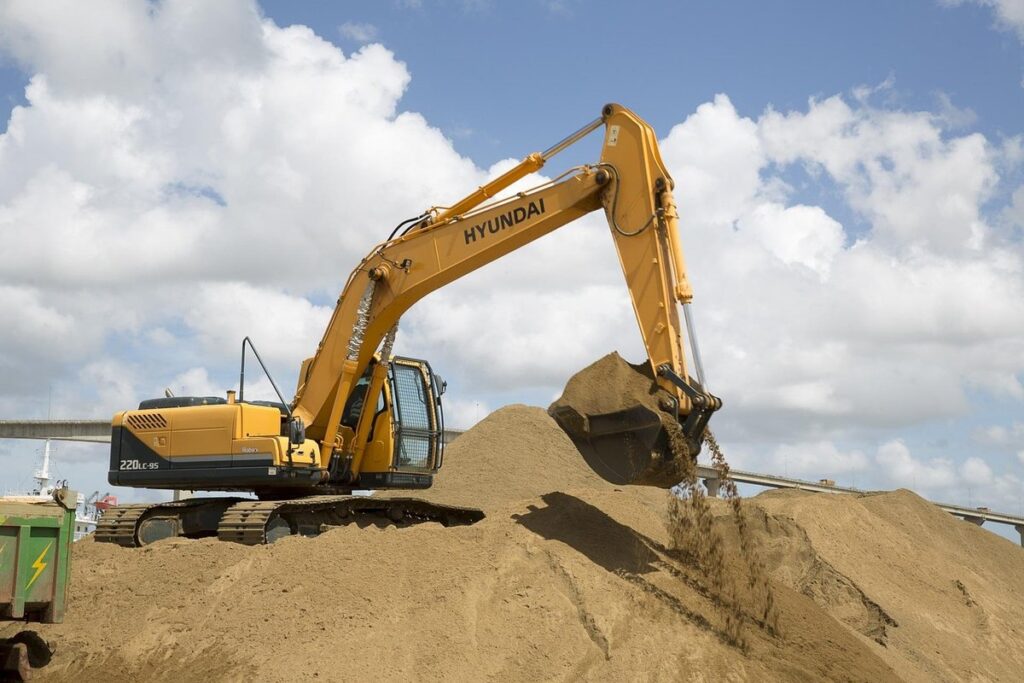
Understanding Bottle Digging Risks
Bottle digging can be a high-risk activity, and understanding the potential hazards is crucial to staying safe on the dig site. Let’s take a closer look at some of the key risks you should be aware of.
Defining Bottle Digging
Bottle digging has a long history, dating back to the mid-19th century when people would search for and collect bottles as a form of entertainment. This hobby gained popularity during World War II, as people turned to collecting bottles as a way to occupy themselves during times of scarcity. Today, bottle digging remains a beloved pastime, with enthusiasts searching for rare and vintage bottles in various locations.
There are two main types of diggers: recreational and serious collectors. Recreational diggers often search for bottles as a fun activity, whereas serious collectors focus on finding specific, high-value items to add to their collection. Whether you’re a seasoned collector or just starting out, it’s essential to understand the basics of bottle digging.
Bottle diggers can be found in various settings, including beaches, parks, and urban areas. Some popular types of bottles sought after by collectors include antique medicine bottles, vintage soda bottles, and rare whiskey flasks. When searching for bottles, it’s crucial to research local laws and regulations regarding collecting on public or private property.
Identifying High-Risk Areas
When searching for bottle digging locations, it’s crucial to identify high-risk areas that can pose significant dangers. One of the primary risks is proximity to roads and highways. Digging near these areas increases the likelihood of accidents caused by passing vehicles or excavation equipment. Be cautious when exploring sites within a few feet of major thoroughfares.
Waterways are another hazardous environment for bottle digging. Areas near rivers, lakes, or streams may be prone to flooding, landslides, or erosion. These conditions can lead to unstable soil, making it difficult to extract bottles safely. When searching for sites along waterways, keep an eye out for warning signs, recent flood damage, or other indicators of potential hazards.
Additionally, areas with steep slopes, overhangs, or loose rock formations also pose significant risks. Digging in these environments can lead to landslides, rockfall, or collapse. Be aware of the terrain and consider alternative locations if you’re unsure about the stability of the site. By identifying high-risk areas, you can take necessary precautions to ensure a safe and successful bottle digging experience.
Recognizing Hazards in the Field
When bottle digging in the field, several hazards can be encountered, posing risks to diggers’ safety and well-being. One common hazard is sharp objects like broken glass, rusty metal fragments, or jagged rock edges. To mitigate this risk, dig carefully and inspect the area before digging. Wear protective gear such as gloves and safety glasses.
Unstable terrain is another significant hazard, particularly in areas with loose soil or rocks. Be aware of your surroundings and watch for signs of instability like uneven ground, sinkholes, or shifting soil. Avoid digging on slopes or inclines where collapse can occur.
Inclement weather conditions also pose a risk to bottle diggers. Rain or flooding can make the terrain slippery and increase the likelihood of landslides. Extreme temperatures can cause fatigue, dehydration, or heat exhaustion. Check the forecast before heading out and adjust your schedule accordingly. If you must dig in poor weather, take extra precautions like using handrails or seeking shelter.
In addition to these hazards, be mindful of wildlife habitats and avoid disturbing them while digging.
Site Preparation and Ethics
When it comes to responsible bottle digging, proper site preparation is crucial to avoid damage and preserve archaeological integrity. Let’s discuss essential guidelines for a respectful and safe excavation process.
Assessing Site Conditions
When assessing site conditions for a bottle dig, it’s essential to consider soil composition. This includes checking for unstable or loose soil that could collapse while digging, as well as areas with high water tables. A small shovel can be used to probe the soil and test its stability.
Water table levels are another critical factor to evaluate, especially in low-lying areas or near bodies of water. Digging too close to the water table can lead to flooding or excavation instability. Check local topographic maps or consult with experts familiar with the area to determine if there’s a high water table.
Potential environmental concerns should also be considered, such as nearby wetlands, protected species habitats, or sensitive ecosystems. Research and obtain necessary permits before digging in these areas. A site visit during different seasons can help identify potential issues, like landslides or erosion, that may arise with changing weather conditions.
Respecting Private Property and Rights
When exploring private property or public lands for bottle digging, it’s essential to respect landowners’ rights and adhere to local regulations. This means obtaining necessary permissions before entering a site, as well as following any specific rules or guidelines set by the landowner or local authorities.
Before arriving at a potential dig site, research the property and its owner to understand their expectations and requirements. Some landowners may have specific rules about access, while others might have restrictions on collecting items like bottles. A simple phone call or email can help clarify these details and avoid any misunderstandings.
In addition to respecting private property, it’s also crucial to be aware of local regulations regarding digging, collecting, and removal of artifacts. Some areas may have permits required for excavation, while others might restrict the types of materials that can be collected. Familiarize yourself with local ordinances and ensure you’re complying with them to avoid fines or other penalties.
If you’re unsure about any aspect of a site’s regulations or landowner permissions, it’s always best to err on the side of caution and seek clarification before proceeding. This helps maintain positive relationships with landowners and avoids potential issues down the line.
Minimizing Environmental Impact
When engaging in bottle digging, it’s essential to minimize environmental impact by taking care of the site and its surroundings. This begins with proper trash disposal. Digging sites can generate a lot of waste, from broken bottles to discarded equipment. Ensure you have designated areas for disposing of these items, and never leave them scattered around the site.
Avoid sensitive ecosystems, such as wetlands or areas with endangered species habitats. Not only do these environments require special protection, but disturbing them can also attract unwanted pests, like rodents or insects, which may lead to further safety issues.
Another crucial aspect is preserving archaeological sites. These locations hold historical significance and should be treated with respect. Avoid removing artifacts or disrupting the site’s integrity in any way. In fact, some areas might be protected by local regulations or even law. Familiarize yourself with these rules beforehand to avoid inadvertently causing harm.
When choosing a digging location, consider its proximity to water sources and nearby residential areas. Taking the time to understand the environmental context will help you make informed decisions about your activities.
Safety Equipment and Precautions
When digging for bottles, it’s crucial to have the right safety gear to prevent accidents, so let’s discuss the essential equipment you should always carry.
Essential Gear for Bottle Digging
When engaging in bottle digging, it’s crucial to have the right safety equipment to prevent accidents and injuries. Gloves are an essential item, providing protection against sharp edges, broken glass, and abrasive soil. Look for durable gloves made from materials like leather or Kevlar.
Goggles are also vital for safeguarding your eyes from debris, dust, and potential chemical exposure. Choose goggles that fit snugly over prescription glasses if necessary. A first aid kit is a must-have on any digging site, stocked with essentials like bandages, antiseptic wipes, and pain relievers.
Communication devices such as two-way radios or cell phones enable you to stay in touch with your group and quickly call for help if needed. Additionally, consider bringing a whistle or other loud signaling device to alert others of potential hazards.
In many cases, bottle digging involves searching through dense vegetation or underbrush. Long-handled tools like trowels or brushes can be useful for excavating without getting too close to potentially hazardous objects.
Basic First Aid Techniques
When treating an injury on a bottle digging site, it’s essential to keep calm and act quickly. Start by assessing the severity of the injury – is it minor, such as a cut or scrape, or more serious, like a deep wound or broken bone? If the injury is minor, focus on cleaning and dressing the wound. Use soap and water to gently clean the area, then apply an antibiotic ointment and cover with a bandage.
For more severe injuries, prioritize stabilization – this means immobilizing the affected limb to prevent further damage. A simple splint can be created using materials like sticks, cloth, or even a nearby rock. For example, if someone breaks their ankle, use a long, sturdy branch as an anchor point and wrap it with bandages to secure the leg in place.
Also, look out for signs of more severe conditions, such as deep wounds that won’t stop bleeding, or injuries accompanied by numbness or tingling sensations. These symptoms can indicate internal damage or nerve damage, and require immediate medical attention. Remember, basic first aid techniques are not a substitute for professional medical care – if in doubt, always err on the side of caution and seek help from a qualified healthcare provider.
Emergency Protocols for Digging Sites
Develop a communication plan to alert others on site in case of an emergency. This should include identifying a meeting point and designating a person to act as a messenger. Ensure everyone on site is aware of the plan and knows how to contact each other.
Establish evacuation procedures, such as knowing multiple escape routes and being prepared for inclement weather. Have a first aid kit readily available, and know when to seek medical attention if someone gets injured.
Know the location of nearby emergency services, including hospitals and police stations. Make sure your phone is fully charged and has service in case of an emergency.
In severe cases where someone requires immediate medical attention, do not delay – call for emergency services immediately. A small cut or scrape can quickly become infected, so monitor injuries closely and seek help if symptoms worsen.
Some sites may also have specific hazards that require special protocols, such as working near water sources or in areas prone to landslides. Familiarize yourself with the site’s unique risks and take steps to mitigate them before digging begins.
Best Practices for Responsible Bottle Digging
When digging for bottles, it’s essential to follow responsible practices that protect yourself and the environment. This includes handling artifacts gently and respecting the site where you’re digging.
Documenting Finds and Site Conditions
When documenting finds and site conditions, it’s essential to maintain a clear and concise record of your discoveries. Start by creating a detailed logbook or notebook specifically for your bottle digging activities. Include the date, location, and any notable weather conditions that may impact your dig.
For recording finds, take photos and notes on each item’s description, condition, and any relevant context. Consider using a standardized format to categorize and organize your findings. This will help you quickly identify patterns or anomalies in your discoveries.
When documenting site conditions, pay attention to the terrain, vegetation, and any signs of previous digging activities. Take note of any potential hazards such as unstable ground, standing water, or nearby power lines. Be sure to record the location of any notable features like old roads, buildings, or other archaeological sites.
In addition to written records, consider creating a digital archive of your findings using software like a database management tool or a dedicated fieldwork app. This will enable you to easily search and analyze your data, making it easier to identify trends and patterns in your discoveries.
Sharing Knowledge and Expertise
Collaboration with local experts is essential for advancing our understanding of bottle digging and its associated risks. Historians can provide valuable context about the historical significance of finds, while archaeologists can offer insights into site conditions and potential hazards. By working together, you can gain a deeper appreciation for the sites you’re exploring and develop more effective strategies for safe and responsible digging.
Local experts often have intimate knowledge of the area’s history, geology, and environmental factors that can impact your dig. They may be able to identify areas of high risk or recommend alternative locations with fewer hazards. Additionally, they can provide guidance on how to collect and preserve artifacts in a way that respects their cultural significance.
To initiate collaboration, start by reaching out to local historical societies, museums, or universities with archaeology departments. Attend lectures, workshops, or seminars to network with experts and learn about ongoing research projects. You may also consider joining online forums or social media groups dedicated to bottle digging and related fields, where you can share knowledge, ask questions, and connect with others in the community. By sharing expertise and experiences, we can build a more informed and responsible bottle digging community.
Encouraging Sustainable Digging Practices
Avoiding over-digging is crucial to maintaining site integrity. Over-digging can cause soil erosion, damage nearby vegetation, and disrupt future digging efforts by making it difficult to distinguish between natural terrain and disturbed areas. To avoid this, establish clear boundaries around your dig sites and stick to them. This means not expanding your digs beyond the initially identified area unless absolutely necessary.
Respect site boundaries in other ways as well. For example, avoid removing any artifacts or materials that are outside of your designated digging area, even if you believe they may be relevant to your search. Removing these items can cause irreparable damage to the site and disrupt its historical integrity.
Promote environmentally responsible collecting habits by taking only what is necessary for your research or collection purposes. This means avoiding unnecessary excavation, leaving behind any artifacts that are not essential to your project, and properly documenting the context in which you found each item.
Frequently Asked Questions
Can I bottle dig alone or should I always go with a group?
Yes, it’s safe to bottle dig alone if you’re familiar with the site and have emergency protocols in place. However, having a buddy can be beneficial for added safety and support.
When choosing a digging partner, consider someone who is knowledgeable about first aid and has experience with outdoor activities. Make sure to communicate your plans and expected return time to avoid any unnecessary worry.
What if I accidentally dig up an archaeological site or sensitive ecosystem?
No matter how careful you are, accidents can happen. If you suspect that you’ve disturbed a protected area, stop immediately and document the site’s location. Report your findings to local authorities or experts who can provide guidance on next steps.
When in doubt, err on the side of caution and prioritize preservation over collection. Remember that responsible bottle digging means minimizing environmental impact and respecting sensitive ecosystems.
How do I know when it’s time to stop digging at a particular site?
Yes, there are signs that indicate it’s time to stop digging at a site. These include:
- Reaching a depth where the soil becomes unstable or difficult to dig
- Discovering artifacts or features that suggest historical significance
- Encountering hazardous materials or substances
- Noticing changes in weather conditions that make continued digging unsafe
Trust your instincts and be willing to pause or abandon a dig if you feel uncomfortable or sense any potential risks.
Can I use metal detectors while bottle digging, and are there any regulations?
Yes, some states allow the use of metal detectors for recreational activities like bottle digging. However, local regulations may vary, so it’s essential to research and understand the laws in your area before using a detector.
Be aware that using metal detectors can be intrusive and potentially damage the site or surrounding environment. If you do choose to use one, make sure to follow best practices and respect any restrictions on use.