
Metal detecting can be an exhilarating hobby, but it’s essential to do so responsibly. You’ve probably heard horror stories about treasure hunters getting sued or fined for trespassing on private property. Landowners have every right to protect their land and belongings, including hidden treasures. A simple permission checklist can save you from a world of trouble. When venturing into public areas like parks, beaches, or historic sites, it’s crucial to respect the rules and regulations in place. But what about when you’re searching on private property? Do you know how to get permission, and what to do if you accidentally detect something valuable on someone else’s land? This comprehensive guide will walk you through metal detecting etiquette and provide a step-by-step permission checklist to ensure you can discover treasures responsibly and avoid any potential issues. By the end of this article, you’ll be able to confidently search for hidden riches while respecting others’ property rights.
Understanding Metal Detecting Rules and Regulations
Before you start searching for treasure, it’s essential to understand the rules and regulations surrounding metal detecting in different areas. Familiarizing yourself with these guidelines will help you avoid any potential issues or penalties.
Familiarizing Yourself with Local Laws and Ordinances
Understanding local laws and regulations is a critical step in metal detecting. Each state and locality has its own set of rules governing the use of different types of detectors, such as pin pointers, coin shooters, or multi-frequency VLF machines. For instance, some areas may require a permit for using a device that can detect gold, while others might not need any specific authorization.
Before heading out to search, research what permits are required and if there’s a specific permit needed for the area you plan to visit. Some localities also have different regulations for public versus private property. Make sure to check which areas allow metal detecting altogether. Typically, national parks, state parks, and some county or city parks might prohibit metal detecting due to concerns about artifacts and historical preservation.
To get started, consult your local government’s website, contact the park ranger service, or visit a nearby town hall. They should be able to provide information on specific regulations and necessary permits. Don’t assume you can simply use a device anywhere; familiarize yourself with local laws and obtain any required permits before beginning your search.
Researching Private Property Rights and Restrictions
When researching private property rights and restrictions, it’s essential to start by identifying who owns the land. This can be done through public records, such as county assessor websites or tax office databases. You can also search for contact information for landowners using online directories or mapping services.
Once you’ve identified potential landowners, contacting them directly is a crucial step in understanding property rights and restrictions. A simple phone call or email to inquire about metal detecting on the property can go a long way in building trust and gaining permission. Be prepared to provide information about your intentions and any necessary permits or licenses.
Additionally, check for any posted signs or notifications that indicate restricted access or private property. It’s also worth reviewing local ordinances and regulations regarding metal detecting on private property. Some areas may have specific rules or restrictions that apply to certain types of land or properties. By taking the time to research and communicate with landowners, you can avoid potential issues and ensure a smooth experience for both yourself and the landowner.
Obtaining Necessary Permits and Licenses
Before you start metal detecting, it’s crucial to obtain any necessary permits and licenses for your location. This ensures you’re not only respecting local regulations but also avoiding potential fines.
Types of Permits Required for Metal Detecting
When metal detecting on public lands, you’ll need to obtain permits for specific areas. These include national parks, which require a free permit from the park’s visitor center. For historical sites, such as battlefields or cemeteries, you may need a special permit from the state’s historic preservation office. Some states also issue general metal detecting permits that allow you to search public lands.
In addition to these types of permits, you’ll also want to check if any local ordinances require a permit for metal detecting. For example, some cities or counties might have specific regulations regarding metal detecting in their parks. You can usually find this information by contacting the local government’s recreation department or checking their website.
It’s essential to note that some areas are closed to metal detecting altogether. These include archaeological sites and Native American reservations. If you’re planning to search public lands, make sure to check with the relevant authorities beforehand to avoid any issues. By doing your research and obtaining the necessary permits, you’ll be able to enjoy your metal detecting hobby while respecting the rules and regulations in place to protect these areas.
How to Apply for a Metal Detecting Permit
To obtain a metal detecting permit, you’ll need to gather specific documents and meet certain requirements. Start by checking with your local authorities, such as the county clerk’s office or parks department, to determine which type of permit is required for your area.
Typically, you’ll need to provide identification, proof of residency, and a completed application form. Be prepared to explain your metal detecting plans, including where and when you intend to search.
When submitting your application, be sure to include any necessary fees, which may vary depending on the location and permit type. For example, some areas require an annual fee, while others charge per search site.
In addition to these general requirements, you may need to provide additional information or documentation specific to your situation. For instance, if you’re searching for historical artifacts, you may need to obtain a separate permit from a cultural resource agency.
To ensure a smooth application process, it’s essential to carefully review the permit requirements and application instructions before submitting. You can usually find this information on the relevant government website or by contacting local authorities directly.
Respecting Private Property and Landowners
When detecting on private land, it’s crucial to show respect for the property owners’ rights and boundaries. Understand the specific rules and regulations regarding access to their land.
Gaining Permission from Landowners
When approaching landowners to gain permission for metal detecting on their property, it’s essential to be respectful and clear about your intentions. Start by researching the property owner and understanding their interests and concerns. This can help you tailor your approach and build trust. Make a personal visit or phone call rather than sending an email or text message, as this allows for a more direct and personable interaction.
Be prepared to provide information about yourself, your metal detecting experience, and any relevant certifications or licenses. Explain the benefits of metal detecting on their property, such as finding lost items or uncovering historical artifacts that may be valuable to them. It’s also essential to specify what areas you plan to detect and how long you expect to stay.
Some landowners may have specific rules or restrictions in place, so be sure to ask about any concerns they may have. Offer a detailed proposal outlining your plans, including a schedule and expected outcomes. This will help demonstrate your professionalism and responsibility, increasing the likelihood of gaining permission.
Leaving a Good Impression: Best Practices for Metal Detecting on Privately Owned Land
When metal detecting on privately owned land, it’s essential to leave a good impression by respecting the property and its owner. This includes cleaning up after yourself, not digging up crops or gardens, and being mindful of any sensitive areas such as wildlife habitats or historical sites.
Before you begin detecting, take a moment to familiarize yourself with the property boundaries and note any specific rules or restrictions that may be in place. This will help you avoid accidentally trespassing on neighboring properties or disturbing private areas. When you’re finished detecting, make sure to thoroughly clean up after yourself, removing any trash or debris you may have created.
Be respectful of the landowner’s wishes if they request that you not detect in certain areas, and never ignore “no tresspassing” signs or other clear indicators of restricted access. By being considerate and responsible, you’ll not only leave a positive impression but also help to maintain good relationships with local property owners and ensure continued permission for metal detecting on their land.
For example, if you’re detecting in a field and notice a small patch of crops, it’s best to avoid that area altogether and focus on other parts of the property. This simple courtesy can go a long way in building trust with the landowner and preserving access for future detects.
Metal Detecting Etiquette in Public Areas
When searching for treasure in public areas, it’s essential to be mindful of other users and respect local regulations. Always follow these guidelines when metal detecting in parks, beaches, and historical sites.
Rules and Regulations for Public Parks and Beaches
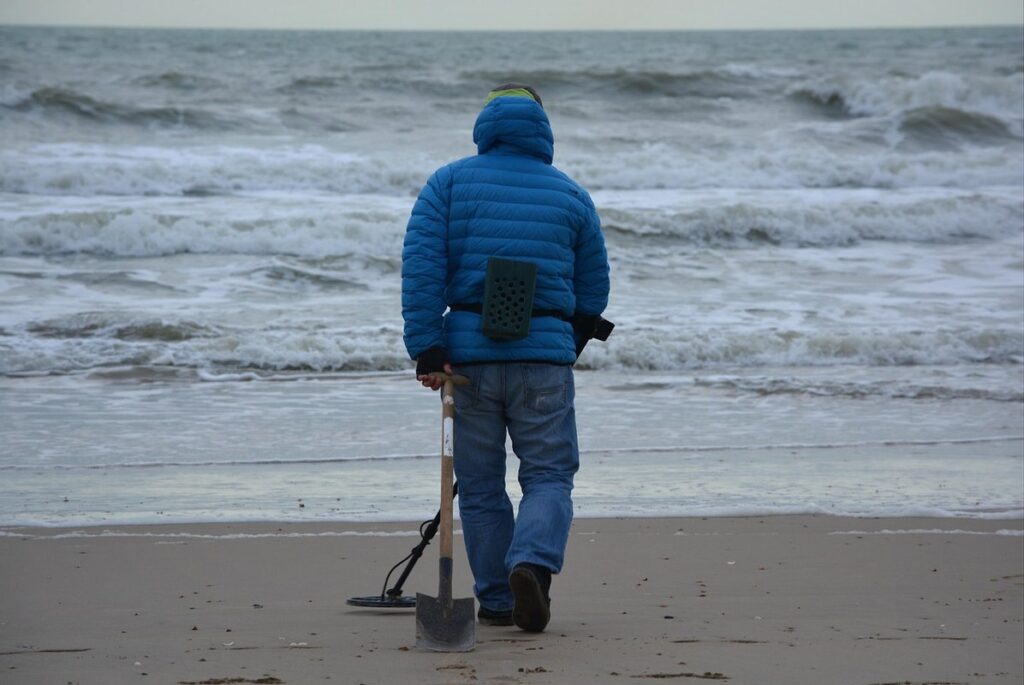
In public parks and beaches, metal detecting is often subject to specific rules and regulations. These areas are typically managed by local authorities, such as park rangers or beach administrators, who may have designated metal detecting zones or restricted areas. Some popular beaches, for example, may have a “no-dig” policy in certain areas to protect sensitive habitats or archaeological sites.
Before you start searching, check the park’s website or contact the local authority to inquire about any specific regulations or restrictions. In some cases, you may need to obtain a permit or follow specific guidelines, such as reporting your finds to authorities or not removing artifacts from designated protected areas.
It’s also essential to respect other users of public parks and beaches, including swimmers, sunbathers, and wildlife. Be mindful of noise levels, keep your equipment organized, and avoid disrupting the natural environment. Some beaches may have designated metal detecting zones with clear boundaries, while others might require a permit or license to search.
In general, it’s best to familiarize yourself with local rules and regulations before heading out to public parks and beaches. This will help you stay on the right side of the law and enjoy your metal detecting experience without any issues.
Respecting Fellow Recreationists: Tips for Metal Detecting in Crowded Areas
When metal detecting in crowded areas like beaches or popular parks, it’s essential to respect fellow recreationists. This means being mindful of their activities and not disrupting them unnecessarily. For instance, if you’re searching for treasure near a group of sunbathers, try to avoid disturbing their towels or beach umbrellas. A simple “excuse me” can go a long way in avoiding conflicts.
Be aware of other people’s recreational boundaries. If you notice a group playing volleyball or soccer, consider searching elsewhere to avoid interfering with their games. You might even find more valuable treasures in less crowded areas. Respect designated recreation zones and keep your metal detecting activities contained within marked search areas.
Consider the time of day and plan accordingly. Avoid searching for treasure during peak hours when popular spots are busiest. Instead, opt for early morning or late afternoon when crowds tend to dwindle. By being considerate and flexible, you can coexist peacefully with other recreationists and enjoy a more productive metal detecting experience.
Avoiding Trespassing and Other Common Mistakes
When metal detecting, it’s easy to get caught up in the thrill of the hunt, but forgetting basic etiquette can lead to serious consequences. Knowing what not to do is just as important as knowing where to go.
Understanding the Consequences of Trespassing
Trespassing on private property can have serious consequences for metal detectorists. Fines for trespassing vary by location but can range from $100 to several thousand dollars. In some cases, landowners may also press charges for theft or vandalism if they catch you removing artifacts without permission.
Beyond the financial penalties, trespassing can damage relationships with landowners and other members of the metal detecting community. If caught, you may be banned from future access to the property, which could lead to lost opportunities for finds and experiences.
Landowners often take a dim view of trespassers because they perceive them as disrespecting their property rights. This can create a lasting impression that makes it harder to gain permission in the future. To avoid these consequences, it’s essential to research private property rights and restrictions before searching for treasure. If you’re unsure about access, always err on the side of caution and seek permission from the landowner.
Keep in mind that trespassing laws can be complex, and ignorance is not an acceptable excuse. Take the time to familiarize yourself with local regulations and obtain necessary permits before starting your metal detecting adventures.
Common Misconceptions about Metal Detecting Laws and Regulations
Many metal detectorists believe they can hunt anywhere they want without restrictions. However, this is far from true. For instance, it’s commonly thought that metal detecting is only prohibited on private property with “No Trespassing” signs. While these signs do indicate restricted access, many areas are also protected by local ordinances and laws that prohibit metal detecting.
Some people assume that any public park or beach allows metal detecting as long as they follow basic rules like staying off closed trails and not damaging the environment. However, this is not always the case. Some parks and beaches have specific restrictions on where you can hunt, what types of equipment are allowed, and even require permits for certain areas.
To clarify, metal detecting laws and regulations vary greatly depending on location. It’s essential to research local laws and ordinances before heading out to detect. You should also be aware that some areas may allow metal detecting during specific times or events but not at other times. Understanding these nuances will help you avoid potential issues with landowners and law enforcement. Be sure to check for any local regulations on private property, public parks, and beaches before starting your hunt.
Best Practices for Sharing Finds and Giving Back to the Community
When you stumble upon something truly special while metal detecting, it’s essential to share your discoveries with others and give back to the community that makes this hobby so rewarding. This is where sharing finds and giving back comes into play.
Sharing Your Discoveries: Tips for Documenting and Sharing Finds
When you make a significant discovery while metal detecting, it’s essential to document and share your finds with local authorities. This not only helps to preserve historical artifacts but also contributes to the community’s understanding of its cultural heritage.
A treasure report is a detailed account of your find, including photographs, descriptions, and any relevant documentation. Start by writing a clear and concise description of the item, including its condition, material, and any notable features. Include photographs from multiple angles to provide a comprehensive view of the artifact. Be sure to note the location where you found it, including any relevant grid coordinates or GPS data.
Submit your treasure report to local authorities, such as museums or historical societies, who can verify the item’s authenticity and significance. If the find is deemed significant, it may be preserved in a museum or repository for public viewing. To ensure your report is taken seriously, use a standard template or format, and include any relevant documentation, such as receipts or witness statements.
When submitting your treasure report, consider including:
- A clear description of the item
- Photographs from multiple angles
- Grid coordinates or GPS data
- Relevant documentation, such as receipts or witness statements
Giving Back to the Community: Ideas for Participating in Local Metal Detecting Groups or Events
Participating in local metal detecting groups or events is a great way to give back to the community while meeting like-minded individuals. Attend meetups and join online forums to connect with others who share your passion for metal detecting.
Joining a local metal detecting club can provide access to private land, expert knowledge, and camaraderie among fellow enthusiasts. Many clubs offer training sessions, workshops, and guided hunts that can help you improve your skills and gain experience.
Online forums are another excellent way to connect with the community. Websites like Reddit’s r/MetalDetecting and online metal detecting groups on Facebook provide a platform for sharing knowledge, asking questions, and learning from others. Participate in discussions, share your own experiences, and ask for advice from seasoned detectorists.
Before joining any group or event, research their rules and guidelines to ensure they align with your values and goals as a responsible metal detectorist. Some groups may have specific requirements for sharing finds or participating in events, so be sure to review these beforehand. By giving back to the community through participation in local metal detecting groups or events, you can build relationships, gain knowledge, and promote a positive image of metal detecting.
Frequently Asked Questions
How Long Does it Take to Get a Metal Detecting Permit?
Getting a metal detecting permit can take anywhere from a few days to several weeks or even months, depending on the complexity of the application and the speed at which local authorities process permits. Be sure to plan ahead and apply well in advance of your intended detection dates.
What If I’m Not Allowed to Metal Detect on Private Property?
If you’re not allowed to metal detect on private property, don’t be discouraged! Try approaching the landowner again with a clear explanation of your intentions and a proposed agreement for permission. Alternatively, consider detecting in public areas or seeking out other opportunities.
Can I Use My Metal Detector in National Parks Without a Permit?
No, you will need a special permit to metal detect in national parks. These permits are usually only granted for specific projects or events, so it’s best to research and plan ahead if you’re interested in detecting in these areas.
How Do I Handle Finding Treasure on Private Property That Belongs to Someone Else?
If you find treasure on private property that belongs to someone else, try to locate the landowner as soon as possible. If you can’t reach them directly, consider contacting local authorities or posting flyers in the area to alert the owner. Always prioritize returning lost items to their rightful owners.
What if I Accidentally Damage a Monument or Historical Site While Metal Detecting?
If you accidentally damage a monument or historical site while metal detecting, stop immediately and assess the situation. If necessary, contact local authorities or park rangers for guidance on how to repair the damage. Always exercise caution when metal detecting in sensitive areas.