
Identifying the different types of rocks can be a daunting task, especially for those new to geology. You may have found yourself staring at a rock formation, wondering whether it’s an igneous, sedimentary, or metamorphic rock. Understanding the characteristics and formation processes of these three main categories is crucial for anyone looking to develop their skills in rock identification.
Not only can identifying common rock types help you better understand the geological history of an area, but it also has practical applications in fields such as mining, construction, and environmental science. By the end of this comprehensive guide, you’ll be able to confidently classify rocks based on their texture, composition, and other distinguishing features, allowing you to apply your knowledge in a variety of real-world contexts.
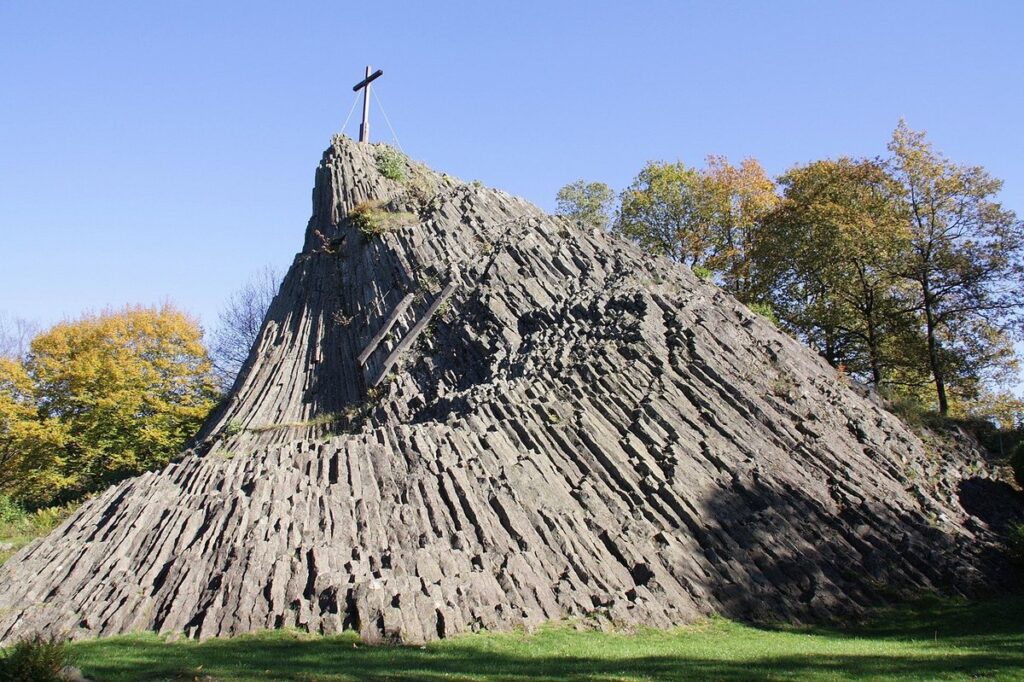
Understanding the Basics of Rock Classification
To get started with rock classification, let’s first explore the fundamental principles that underlie this process and how they help us identify different types of rocks. This groundwork will provide a solid foundation for further study.
What are Rocks?
Rocks are a fundamental component of our planet’s geology, and understanding their nature is essential for identifying common rock types. In essence, rocks are naturally occurring solids composed of mineral aggregates, which can be formed through various geological processes. The formation of rocks typically involves the cooling and solidification of magma or lava, erosion and sedimentation, or metamorphism caused by heat and pressure.
Rocks play a crucial role in shaping our environment, influencing weather patterns, and supporting life on Earth. They are also a vital source of resources, including metals, minerals, and fossil fuels. For example, granite, a type of igneous rock, is commonly used as a building material due to its strength and durability.
To appreciate the importance of rocks in geology, consider this: rocks record the history of our planet’s formation, shaping, and evolution over millions of years. By studying rocks, scientists can reconstruct ancient landscapes, understand past climates, and gain insights into the Earth’s internal processes. This knowledge is essential for identifying common rock types, as it allows us to recognize characteristic features and distinguish between different rock formations.
Types of Rocks: Igneous, Sedimentary, and Metamorphic
Igneous rocks are formed from cooled and solidified magma or lava. They can be either intrusive, which means they form below the Earth’s surface, or extrusive, which forms above ground as a result of volcanic eruptions. Granite is an example of an intrusive igneous rock with its distinctive speckled appearance. Basalt, on the other hand, is a fine-grained extrusive rock often found in areas where volcanoes have erupted.
Sedimentary rocks are created through the accumulation and compression of mineral particles. These can come from various sources such as erosion of existing rocks or organic matter like shells and plant fragments. Sandstone, a common sedimentary rock, is formed when sand grains are cemented together by minerals. Conglomerate is another example, composed of rounded gravel-sized particles.
Metamorphic rocks undergo changes in mineral composition due to heat, pressure, or chemical reactions. Marble, for instance, forms when limestone is subjected to high temperatures and pressures. Slate is a metamorphic rock created from shale under similar conditions. Gneiss, with its layered structure, results from intense mountain-building processes that cause granitic rocks to recrystallize.
Understanding these fundamental types of rocks is essential for any rock identification endeavor.
Igneous Rocks Identification
Identifying igneous rocks involves looking for distinctive textures and features, such as glassy surfaces or phenocrysts, which can help determine their origin. These characteristics are crucial in distinguishing igneous rocks from other types of rocks.
Characteristics of Igneous Rocks
Igneous rocks are formed from cooled and solidified magma or lava. This process can occur either beneath the Earth’s surface, resulting in intrusive igneous rocks, or above ground as a result of volcanic eruptions, producing extrusive igneous rocks. One key characteristic of igneous rocks is their texture, which can be either glassy or crystalline.
The mineral composition of igneous rocks varies depending on the chemical makeup of the magma or lava from which they formed. For example, rocks rich in silica will often have a more crystalline structure and are typically lighter in color. In contrast, those with lower silica content tend to have a glassy texture and may appear darker.
In terms of their mineral composition, igneous rocks can contain a wide range of minerals including feldspar, pyroxene, and olivine. The specific combination and proportion of these minerals will depend on the chemical makeup of the magma or lava from which they formed.
Note that the presence of certain minerals can provide important clues about an igneous rock’s origin and history. For example, the presence of phenocrysts (large crystals) may indicate that a rock is intrusive in origin.
Subtypes of Igneous Rocks: Intrusive and Extrusive
Igneous rocks are broadly classified into two main subtypes based on their origin and formation process: intrusive (plutonic) and extrusive (volcanic). Understanding these differences is crucial for accurate rock identification.
Intrusive igneous rocks form beneath the Earth’s surface when magma cools slowly. This slow cooling process allows large crystals to form, resulting in rocks with a coarse-grained texture. Examples of intrusive rocks include granite and diorite. Granite, with its characteristic speckled appearance, is often used as a building material due to its strength and durability.
Extrusive igneous rocks, on the other hand, form above the Earth’s surface when lava cools rapidly. This rapid cooling process prevents large crystals from forming, resulting in rocks with a fine-grained or glassy texture. Basalt is a common example of an extrusive rock, often found near volcanic regions and characterized by its dark color and smooth surface.
When identifying igneous rocks, observe their texture to distinguish between intrusive and extrusive types. Look for the presence of large crystals (intrusive) or a fine-grained appearance (extrusive). This distinction is essential in accurately classifying igneous rocks and understanding their geological history.
Sedimentary Rocks Identification
Sedimentary rocks are formed from compressed sand, silt, and clay particles, making them one of the most common types of rocks you’ll encounter. Let’s take a closer look at how to identify sedimentary rocks through their distinctive characteristics.
Formation Process of Sedimentary Rocks
Sedimentary rocks are formed through a three-stage process involving erosion, deposition, and lithification. Erosion is the initial stage where existing rocks are broken down into smaller fragments due to exposure to wind, water, or ice. This can occur through physical weathering, such as freeze-thaw cycles, or chemical weathering, like acid rain dissolving minerals.
The eroded particles are then transported away from their original location and deposited in a new area, often at the bottom of a body of water. This is known as deposition. The type of sediment deposited depends on factors such as the energy of the transporting agent and the distance traveled. For example, sand-sized particles may be carried long distances by wind or ocean currents before being deposited.
As more layers of sediment accumulate over time, they are subjected to increasing pressure and heat. This process, called lithification, causes the individual grains to cement together, forming a single rock unit. The resulting sedimentary rock can take on various characteristics based on its original composition, texture, and the conditions under which it formed.
Characteristics of Common Sedimentary Rocks: Conglomerate, Sandstone, and Shale
Conglomerate, sandstone, and shale are three common sedimentary rocks with distinct characteristics. Conglomerate is a coarse-grained rock composed of rounded gravel and pebbles cemented together by mineral deposits. Its texture can be quite rugged, making it easily identifiable in the field. Sandstone, on the other hand, is fine- to medium-grained, consisting of sand-sized particles, often with a distinctive grainy appearance. It’s commonly formed from ancient river sediments.
Shale, the most common sedimentary rock, is fine-grained and soft, composed primarily of clay minerals. Its layered or flaky texture can make it appear fragile. When examining these rocks, observe their textures closely. Conglomerate often exhibits a rough surface due to its large clasts, while sandstone has a smoother appearance. Shale’s layered structure may be visible in thin sections.
Mineral composition is also crucial for identification. Conglomerate typically contains minerals like quartz and feldspar, whereas sandstone is often rich in silica and calcite. Shale, being primarily composed of clay minerals, can contain varying amounts of other minerals depending on the sedimentary environment. By analyzing these characteristics together – texture and mineral composition – you can confidently identify conglomerate, sandstone, and shale as common sedimentary rocks.
Metamorphic Rocks Identification
Now that you know about sedimentary and igneous rocks, let’s explore metamorphic rocks, which are created when existing rocks undergo intense heat and pressure transformations. We’ll examine the key characteristics of these altered rocks together.
Transformation Process of Metamorphic Rocks
Metamorphic rocks form when existing rocks are subjected to high pressure and temperature. This process can occur deep within the Earth’s crust, where tectonic forces push rocks against each other, or at the boundary between two plates. The resulting metamorphism transforms the original rock’s mineral composition and crystal structure.
One way to think about this transformation is in terms of recrystallization. Imagine a rock with small crystals being crushed and reformed into larger, more stable crystals under intense pressure. This process can also involve chemical changes, as minerals are rearranged or new ones form.
For example, shale, a type of sedimentary rock, can be transformed into slate through metamorphism. The slate’s characteristic smooth texture and dark color result from the recrystallization of the original minerals. Similarly, limestone, another sedimentary rock, can become marble under high pressure and temperature, taking on its distinctive veining pattern.
It’s essential to understand this transformation process when identifying metamorphic rocks. By recognizing how existing rocks are altered by geological forces, you’ll be better equipped to distinguish between different types of metamorphic rocks, such as slate, marble, and gneiss.
Examples of Common Metamorphic Rocks: Marble, Slate, and Gneiss
Marble is a metamorphic rock formed when limestone or dolostone undergoes high pressure and temperature transformations. This process replaces the calcite crystals with finer-grained calcite aggregates, giving marble its characteristic veiny appearance. Marble often exhibits a granular or fibrous texture due to the recrystallization of minerals.
Slate is another common metamorphic rock, formed from shale under intense heat and pressure. Slate’s uniform, smooth texture results from the recrystallization of mica minerals into phyllosilicate aggregates. The foliated structure of slate can cause it to split easily along flat planes, making it a popular choice for roofing materials.
Gneiss is a high-grade metamorphic rock formed when other rocks undergo intense heat and pressure, causing significant mineral recrystallization. Gneiss exhibits a banded or foliated texture due to the segregation of different minerals during the transformation process. The specific composition and structure of gneiss can vary depending on its parent rock type and the degree of metamorphism it has undergone.
In terms of mineral composition, marble typically consists primarily of calcite, while slate is dominated by phyllosilicates. Gneiss, on the other hand, contains a mixture of minerals such as quartz, feldspar, mica, and amphibole, depending on its parent rock type.
Advanced Rock Identification Techniques
To take your rock identification skills to the next level, we’ll explore more advanced techniques such as microscopic analysis and chemical testing. This will help you pinpoint even the most subtle rock characteristics.
Mineralogy and Petrography
Mineral identification is a crucial aspect of rock classification. Petrographic analysis, which involves examining the texture and composition of rocks under a microscope, provides valuable insights into their mineralogical makeup. By identifying specific minerals present in a rock sample, geologists can determine its origin, age, and potential economic significance.
When examining a rock’s mineral content, consider the following key factors: mineral composition, crystal structure, and abundance. For instance, the presence of quartz, feldspar, or mica minerals can indicate that a rock is igneous in origin. In contrast, sedimentary rocks often contain minerals such as calcite, dolomite, or iron oxides.
Petrographic analysis involves examining thin sections of rock samples under polarized light microscopy. This technique allows geologists to identify minerals based on their optical properties and crystal structures. By combining mineral identification with petrographic analysis, geologists can develop a more accurate understanding of a rock’s composition and history.
X-Ray Diffraction (XRD) and Other Analytical Techniques
X-Ray Diffraction (XRD) and other analytical techniques are used to identify minerals and classify rocks by analyzing their internal structure. XRD measures the diffraction patterns of X-rays as they interact with a rock’s crystal lattice, providing information on the arrangement of atoms within the mineral. This technique is particularly useful for identifying minerals that have similar optical properties but distinct crystal structures.
Other analytical techniques include Scanning Electron Microscopy (SEM), Energy Dispersive Spectroscopy (EDS), and Infrared Spectroscopy (IR). SEM provides high-resolution images of a rock’s surface, while EDS analysis determines the elemental composition of the sample. IR spectroscopy identifies functional groups within a mineral, helping to distinguish between similar minerals.
XRD is often used in conjunction with other techniques for more comprehensive analysis. For example, combining XRD data with optical microscopy results can provide a detailed picture of a rock’s mineralogy and classification. By integrating multiple analytical methods, geologists and researchers can gain a deeper understanding of the complex relationships between rocks and their constituent minerals.
Real-World Applications of Rock Identification
To better understand why rock identification matters, let’s look at how it applies to everyday life, from construction projects to scientific research.
Geology, Mining, and Environmental Assessment
In geological surveys, rock identification plays a critical role in understanding the subsurface structure and composition of an area. Accurate identification of rock types helps geologists to map the distribution of different formations, which is essential for mineral exploration, resource management, and environmental planning. For instance, identifying igneous rocks can indicate areas with potential for metal deposits or volcanic activity.
During mining operations, precise rock identification is vital for safe and efficient excavation. Different rock types have distinct mechanical properties, such as hardness, density, and compressive strength, which affect drilling and blasting techniques. Misidentification of rock types can lead to equipment damage, accidents, and costly delays. For example, granite is a hard and dense rock that requires specialized cutting tools, while sandstone is softer and more prone to erosion.
Environmental assessments also rely on accurate rock identification to evaluate the potential for landslides, soil instability, and water pollution. Sedimentary rocks, such as shale and conglomerate, can be susceptible to weathering and erosion, which may impact local ecosystems and human settlements. By understanding the geological context and rock properties, environmental scientists can develop more effective mitigation strategies and conservation plans.
Archaeological and Historical Significance of Rocks
Rocks can hold the key to understanding past cultures and civilizations. In archaeological sites, rocks are often used as building materials for structures, monuments, and other artifacts. The type of rock used can provide valuable clues about the technological advancements and trade networks of a particular civilization. For instance, the use of granite in ancient Egyptian architecture suggests a high level of engineering expertise and access to this rare resource.
In addition to their physical presence, rocks also hold historical significance through the stories they tell about past events. Rocks can be found in association with fossils of extinct species or minerals that were mined for tools and other essential materials. By analyzing these rocks, researchers can reconstruct ancient environments, climates, and ecosystems.
When exploring archaeological sites, it’s crucial to pay attention to the types of rocks present. A combination of sedimentary and metamorphic rocks may indicate a region prone to tectonic activity, while the presence of certain minerals or textures can hint at trade relationships with distant regions. By considering these factors, researchers can gain a more nuanced understanding of past cultures and their environmental interactions.
Frequently Asked Questions
Can I use a rock identification guide for any location in the world?
Yes, while our guide covers common rock types found globally, the specific rocks and their characteristics may vary depending on your region. Be sure to research the local geology and adjust your identification techniques accordingly.
How do I know if I’ve successfully identified a rock, or if it’s just a similar-looking one?
The key is to observe multiple characteristics and look for patterns. Compare your findings with images and descriptions of known rocks in your guide. If you’re still unsure, consider consulting with an expert or using advanced analytical techniques like XRD.
What’s the best way to store and preserve rock samples for further study?
To ensure the integrity of your samples, store them in a dry, cool place away from direct sunlight. Use airtight containers or bags to prevent moisture absorption, and label each sample clearly with its location, date collected, and any notable features.
Can I use the techniques described in this guide for archaeological sites without proper training?
No, it’s essential to work under the guidance of trained professionals when dealing with archaeological sites. Improper handling or sampling can damage valuable evidence and compromise future research efforts. Instead, consider volunteering or interning at a reputable institution to gain hands-on experience.
How long does it typically take for a sedimentary rock to form through erosion, deposition, and lithification?
The time it takes for sedimentary rocks to form varies greatly depending on factors like climate, tectonic activity, and the rate of erosion. Some sedimentary rocks can form in mere centuries, while others may require millions of years to develop.