
Dating Westerwald pottery can be a daunting task for even the most seasoned collectors, with its rich history spanning centuries. You might find yourself staring at a beautiful piece, wondering when it was made and whether it’s truly valuable. The art of dating and collecting this type of pottery requires a keen eye for detail and a solid understanding of its origins. Westerwald pottery originated in the 17th century in what is now western Germany, with its unique characteristics and markings making each piece a work of art. As you begin to build your collection or add to an existing one, it’s essential to know how to authenticate rare pieces and identify their true value. This guide will walk you through the process of dating Westerwald pottery, covering origins, markings, and expert insights to help you make informed purchasing decisions and confidently collect these beautiful pieces.
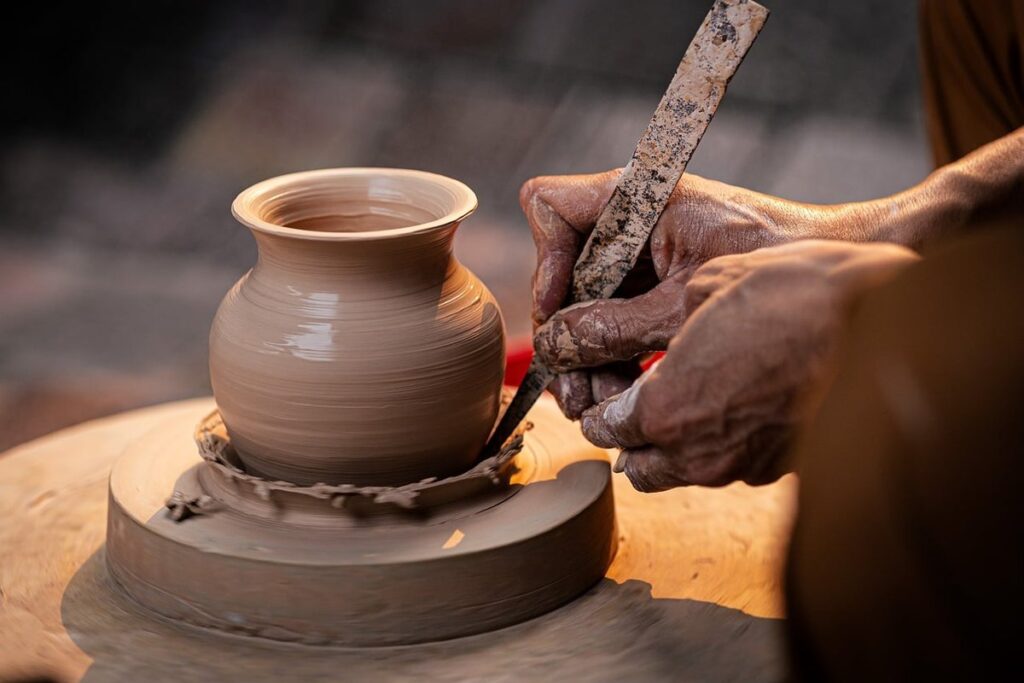
What is Westerwald Pottery?
Westerwald pottery gets its name from a small region in Germany, where it originated as a distinctive type of stoneware. To date pieces correctly, you need to understand this history and key characteristics.
Origins and History
Westerwald pottery originated in the 17th century in what is now modern-day Germany. At that time, the Westerwald region was a major center for ceramic production. The unique combination of local materials and expertise led to the development of distinctive techniques and styles.
One key factor in the emergence of Westerwald pottery was the presence of high-quality clays and feldspar deposits in the area. These raw materials allowed potters to create durable, translucent glazes that were highly prized by consumers. The region’s skilled craftsmen honed their skills through generations, passing down techniques from father to son.
The Westerwald region’s strategic location at the intersection of trade routes also contributed to its ceramic industry’s success. Merchants and traders would bring raw materials from distant lands, introducing new ideas and technologies that further refined Westerwald pottery’s distinct character. By the 18th century, Westerwald pottery had become renowned throughout Europe for its beauty, durability, and affordability.
Key Characteristics and Techniques
Westerwald pottery is characterized by its distinctive red iron oxide glaze, which gives it a warm, earthy tone. This glaze was typically applied in a thick layer to create a durable finish that could withstand the rigors of everyday use. The production process also involved using local clays and minerals found in the Westerwald region, such as kaolin and feldspar. These materials were often mixed with other substances like quartz and mica to create a unique color palette.
The glaze itself was not only functional but also decorative. It could be applied in various ways to achieve different effects, including a smooth, even coat or a more textured, speckled appearance. The red iron oxide glaze was particularly prized for its ability to bring out the natural colors of the clay body beneath it. This distinctive look has become one of the hallmarks of Westerwald pottery.
When looking at Westerwald pieces, pay attention to the color and texture of the glaze. A true example will often feature a rich, deep red tone with a subtle sheen. Be wary of pieces that have been over-glazed or appear too uniform in color – these may be signs of modern restoration or reproduction.
Identifying Westerwald Pottery: Markings and Signatures
Westerwald pottery is often marked with distinctive signatures, initials, or stamps that can help date your piece, so let’s take a closer look at what to expect.
These markings are crucial in determining whether you’re holding an authentic Westerwald piece from the 18th century or something more recent.
Understanding Marks and Inscriptions
Westerwald pottery is often stamped with various marks and inscriptions, which can be a valuable tool for identifying and dating pieces. These marks serve multiple purposes: they indicate the potter’s name or initials, the location of production (usually Aken or Westerburg), and sometimes even the year of manufacture.
The most common marks are straightforward and easy to decipher. For instance, the mark “A” often signifies that the piece was made in Aken, while the letter “W” indicates it was produced in Westerburg. Some pieces may bear a combination of both letters or include additional symbols, which can be more challenging to interpret.
To accurately identify these marks and inscriptions, collectors should familiarize themselves with common abbreviations and symbols used by various potters. Researching specific potter’s signatures and learning their characteristic styles can also aid in identification. A good starting point is to consult reference books or online resources that provide detailed information on Westerwald pottery marks.
Signature Styles and Techniques
Westerwald potters employed a range of signature styles over time, reflecting changes in artistic expression, technological advancements, and regional influences. During the 18th century, many Westerwald pieces bore simple, cursive signatures that often included the potter’s initials or monogram. As the industry grew, so did the complexity of signatures. By the mid-19th century, potters began to sign their work with more elaborate scripts and flourishes.
One notable variation emerged in the late 19th century, characterized by the use of stamps or impressed marks to indicate ownership or attribution rather than personal signatures. This shift was largely driven by commercial considerations and the need for mass production. Meanwhile, a small group of master potters continued to sign their work with traditional cursive scripts, often incorporating subtle variations that signaled exceptional craftsmanship.
Some collectors seek out pieces bearing the earliest, most primitive signatures as these are considered highly valuable. Others prefer the more ornate marks of later periods, which convey a sense of refinement and artistry. Regardless of style, the presence of a signature can provide crucial context for dating and attributing a piece.
Dating Westerwald Pottery: Methods and Considerations
When examining a piece of Westerwald pottery, it’s essential to understand the various methods and considerations that will help you accurately date your find. This includes looking at factors like glaze color, shape, and maker’s marks.
Radiocarbon Dating and Other Methods
Radiocarbon dating is a widely used method for determining the age of organic materials found on ceramics. It measures the decay rate of carbon-14, a radioactive isotope present in all living organisms. This process typically takes several thousand years to occur, making it suitable for dating Westerwald pottery that originated before 1950.
However, radiocarbon dating may not be applicable to all types of Westerwald ceramics. For instance, if the piece has been extensively repaired or restored, the added materials could skew the results. Thermoluminescence (TL) dating is another method used to date fired ceramics like pottery. This technique measures the energy released when a sample is heated, which can reveal how long it’s been since the material was last exposed to light.
Other relevant techniques include X-ray fluorescence (XRF) and inductively coupled plasma mass spectrometry (ICP-MS). These methods analyze the chemical composition of the ceramic, helping to identify its origin and age. For example, ICP-MS can detect the presence of specific elements that are characteristic of Westerwald pottery.
Factors Affecting Dating Accuracy
Glaze degradation can occur due to exposure to light, heat, or certain chemicals, leading to discoloration or uneven color distribution. This can make it challenging to accurately date a piece based on its glaze alone. Firing conditions also play a significant role, as variations in temperature and atmosphere during the firing process can affect the pottery’s appearance.
Restoration or repurposing of Westerwald pottery can further complicate dating efforts. Skilled restorers may attempt to recreate original marks or signatures, while others might use materials that aren’t consistent with the piece’s original era. This can make it difficult for even experienced collectors and experts to distinguish between genuine and restored pieces.
In addition to these factors, the presence of modern repairs or consolidants can also impact dating accuracy. These materials may be used to stabilize fragile areas of the pottery but can also alter its appearance in ways that are characteristic of a later date. Collectors should be aware of these potential pitfalls when evaluating Westerwald pottery and consider consulting with an expert if they’re unsure about a piece’s authenticity or age.
A few common signs of glaze degradation include: uneven color distribution, discoloration, or crazing (networks of fine cracks).
Authenticating Westerwald Pottery: Red Flags to Watch Out For
When shopping for Westerwald pottery, it’s essential to be aware of potential red flags that can indicate a piece is not authentic. Keep an eye out for these suspicious signs when evaluating your finds.
Counterfeiters and Fakes
When purchasing or authenticating Westerwald pottery, be aware of counterfeiters and fakes that can deceive even experienced collectors. One key red flag is an unfamiliar or poorly executed signature, as genuine pieces typically feature a clear and distinctive mark. Counterfeiters may also use materials not consistent with the period, such as modern glazes or kiln furniture.
Inspect the piece carefully for any signs of tampering or restoration. Check the underside of the base for any evidence of reattachment or repair. Additionally, be wary of pieces that feature overly perfect or uniform firing, as this can indicate a fake. Genuine Westerwald pottery often exhibits subtle imperfections and variations in color due to the traditional hand-building techniques used.
Beware of sellers who claim their piece is a rare find or an exceptional example without providing sufficient documentation or provenance. A reputable seller should be able to provide clear information about the piece’s history, including its age, maker, and any significant restorations. If in doubt, consult with a trusted expert or appraiser for guidance on verifying authenticity.
Restorations and Repairs
Authenticating restored or repaired Westerwald pottery can be a significant challenge. When dealing with pieces that have undergone restoration or repair, it’s essential to consider whether the original parts were preserved and replaced accurately. One way to identify original versus replacement parts is by examining the color and texture of the glaze. Original Westerwald glazes often exhibit subtle variations in tone and hue due to the firing process.
In contrast, replacement parts may appear too uniform or artificial. For instance, a restored piece might feature new handles that are smoother than those on the original body of the vessel. Be wary of pieces with overly smooth or glossy finishes, as these can be indicative of modern replacements.
To further complicate matters, some restorations may involve mixing and matching parts from different periods or styles. This can make it difficult to determine the piece’s authenticity. When evaluating a restored or repaired Westerwald pot, take note of any inconsistencies in color, texture, or style that might suggest tampering. A trained eye and knowledge of the techniques used by Westerwald potters are essential for accurately identifying original versus replacement parts.
Collecting and Displaying Westerwald Pottery: Tips and Best Practices
When it comes to collecting and displaying Westerwald pottery, knowing how to identify and showcase its unique characteristics is crucial for any serious collector. Here are some expert tips on showcasing your treasured pieces in a way that highlights their beauty and value.
Caring for Your Collection
Proper storage is crucial for maintaining the integrity of your Westerwald pottery collection. Store pieces away from direct sunlight and moisture, as these elements can cause fading, cracking, or warping. A dry, climate-controlled area with stable temperatures between 60°F to 70°F (15°C to 21°C) is ideal.
When storing, use acid-free tissue paper or bubble wrap to separate each piece, and avoid stacking fragile items directly on top of one another. You can also consider using custom storage crates or shelves designed specifically for ceramics. Avoid storing pieces in attics or basements, as these areas often experience temperature fluctuations and humidity changes that can damage the pottery.
For display purposes, choose a location with moderate lighting to prevent fading. Arrange your collection in a way that allows each piece to be easily viewed from multiple angles. Consider displaying smaller items on shelves or in cabinets, while reserving floor space for larger pieces. Regularly dusting your Westerwald pottery can also help maintain its appearance and prevent the buildup of debris.
Displaying Your Pieces
When displaying your Westerwald pottery pieces, consider creating a visually appealing context that showcases their unique characteristics. A neutral-colored background can help emphasize the earthy tones and rustic textures of these ceramics. For example, you could place a vase on a simple wooden shelf or against a soft gray wall to let its natural beauty shine.
Proper lighting is also essential in highlighting the intricate details and glazes found on Westerwald pottery. Avoid harsh overhead lights, which can create unflattering shadows. Instead, use table lamps or floor lamps with soft shades to cast a warm glow over your pieces. This will help bring out the subtle colors and textures that make each piece unique.
To add an extra layer of interest, consider incorporating natural materials into your display. For instance, you could place a ceramic jug on a woven basket or next to a vase filled with fresh flowers. These elements can help create a sense of warmth and coziness in your display space, while also highlighting the craftsmanship and attention to detail that goes into creating each Westerwald piece.
Advanced Topics in Dating and Collecting Westerwald Pottery
For those more familiar with Westerwald pottery, you’ll find that advanced dating techniques involve a deeper examination of marks, stamps, and signatures. This knowledge helps to pinpoint specific periods and artists within the region’s rich history.
Rare and Exceptional Pieces
When it comes to rare and exceptional pieces of Westerwald pottery, collectors are often searching for specific marks, signatures, or historical significance. One such example is the work of renowned potter Johann Adam Klein, whose pieces from the late 18th century are highly prized by collectors. Klein’s distinctive signature style features a small “JAK” monogram on the base of his pieces.
Other rare and exceptional pieces include those bearing the mark of the Westerwald Pottery Guild, which was active from 1786 to 1828. These pieces feature intricate designs and are often made with high-quality materials like porcelain or faience. Due to their rarity and historical significance, these pieces can command high prices at auction.
For collectors interested in acquiring rare and exceptional pieces, it’s essential to research the market thoroughly and understand the factors that affect a piece’s value. This includes its condition, provenance, and authenticity. In some cases, pieces may have been restored or repaired, which can impact their value. Experts recommend consulting with reputable dealers and appraisers who specialize in Westerwald pottery to ensure that any purchase is authentic and accurately valued.
Expert Insights and Case Studies
Notable collectors and experts have shared valuable insights on dating and collecting Westerwald pottery. For instance, a prominent collector’s experience with a rare 18th-century piece highlights the importance of considering the potter’s workshop and region when evaluating authenticity. The collector notes that while the piece exhibited a distinctive Westerwald glaze, its signing style and stamp were inconclusive.
A case study from a reputable auction house demonstrates how thorough research can uncover a piece’s true value. In this instance, a seemingly ordinary 19th-century vase was discovered to be part of a unique production run, significantly increasing its market value. The experts involved attributed the discovery to meticulous analysis of historical records and documentation.
Other expert opinions emphasize the need for ongoing education and collaboration within the collecting community. Regular conferences and workshops allow enthusiasts to share knowledge and best practices, ensuring that the field continues to advance. This collective effort also helps to prevent misattributions and forgeries by promoting a deeper understanding of Westerwald pottery’s complexities.
Frequently Asked Questions
Can I date Westerwald pottery using just online resources or books?
You can use online resources and books as starting points for dating Westerwald pottery. However, it’s essential to consult with experts and consider multiple perspectives when making an accurate assessment. Online forums and collector communities can also provide valuable insights and guidance.
How do I know if a piece has been restored or repurposed?
When examining a piece, look for signs of repair or restoration, such as mismatched glaze colors or uneven firing marks. Check the signature style against known examples from the period. Consider consulting with an expert or using specialized tools like radiocarbon dating to determine the authenticity.
Can I use Westerwald pottery in my kitchen, or should it be displayed only?
Westerwald pottery can be used for decorative purposes or as functional pieces, but it’s essential to follow proper care and maintenance guidelines. Avoid exposing your pieces to extreme temperatures, moisture, or direct sunlight to prevent damage or discoloration.
What if I have a rare Westerwald piece with no signature or markings – how do I authenticate it?
In cases where authenticating a signature is challenging, consider using other methods like radiocarbon dating, thermoluminescence dating, or consulting with experts who specialize in the period and style of your piece. Additionally, research the history of the piece’s provenance and any notable sales or exhibitions to build a case for its authenticity.
Can I display my Westerwald collection alongside other types of ceramics?
While it’s possible to mix and match different ceramic styles, consider displaying Westerwald pieces separately to showcase their unique characteristics and significance. Use context-specific lighting and background materials to highlight the distinctive red iron oxide glaze and local clays used in Westerwald pottery.
How do I handle conflicting expert opinions when authenticating my Westerwald collection?
When faced with differing opinions, consider seeking input from multiple experts or consulting reputable collector communities. It’s also essential to maintain open communication with sellers or dealers about your concerns and requirements for authentication.