
Are you looking to add a touch of elegance and history to your home decor? An antique sideboard is an excellent choice, but where do you start? With its rich heritage and versatility, it’s no wonder that antique sideboards have become a coveted item among collectors and homeowners alike. But before you bring one home, it’s essential to know how to identify, purchase, restore, and style your new treasure.
In this comprehensive guide, we’ll take you on a journey through the history of antique sideboards, exploring their design influences and expert restoration tips. We’ll also share practical advice on how to spot a genuine antique, what to look for when purchasing, and how to bring out its full beauty with styling ideas. Whether you’re a seasoned collector or just starting your search, this article will provide you with everything you need to know to find, restore, and love your antique sideboard.
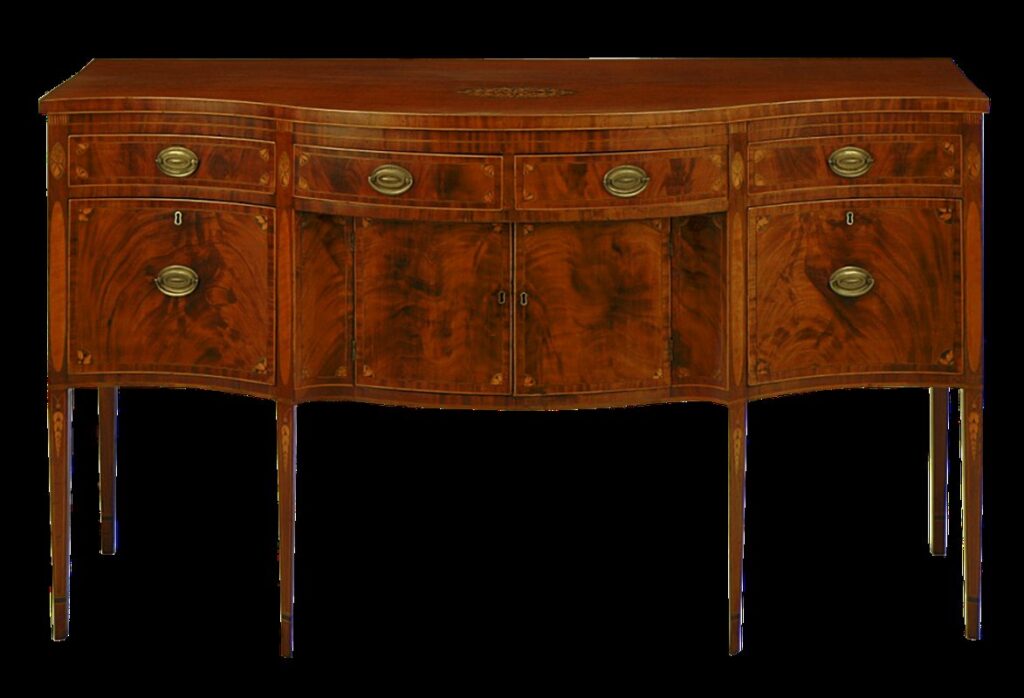
History and Evolution of Antique Sideboards
Antique sideboards have a rich history, with their design and functionality evolving over time to reflect changing societal needs and tastes. Let’s take a closer look at how they’ve developed through the centuries.
Early Origins of Sideboards
The early origins of sideboards can be traced back to ancient civilizations such as Egypt and Greece. In these cultures, sideboards were functional pieces that served as storage for food, drink, and other household items. The ancient Egyptians, for example, used sideboards made from wood and stone to store offerings for their gods. Similarly, in ancient Greece, sideboards were a staple in every home, used to display fine china and wine decanters.
As civilizations evolved, so did the design and purpose of sideboards. During the Victorian era, sideboards became a symbol of wealth and status. They were often made from expensive materials such as oak and walnut, and adorned with intricate carvings and gilding. These ornate sideboards served not only as storage but also as a display piece for fine china and crystal.
To spot an antique sideboard with Victorian-era charm, look for characteristics like carved wooden panels, gilded details, and a sturdy build. When restoring your find, consider refinishing the wood to its original sheen or repainting it in a bold color to give it a unique twist.
Influences on Sideboard Design
The design of antique sideboards has been influenced by various art movements and cultural exchange throughout history. One significant influence was Neoclassicism, which emerged in the 18th century. Characterized by a focus on classical Greek and Roman forms, Neoclassical sideboards often featured clean lines, minimal ornamentation, and an emphasis on function over form.
The Gothic Revival style, popular in Europe during the 19th century, also had a lasting impact on sideboard design. Gothic Revival sideboards typically boasted intricate carvings, ornate details, and a sense of drama. The Arts and Crafts movement, led by William Morris and John Ruskin, emphasized handcrafted goods and rejected industrial manufacturing methods.
To identify the influences on an antique sideboard’s design, examine its features closely. Look for characteristic motifs such as acanthus leaves, scrollwork, or carved floral patterns. Consider the style of any hardware, such as hinges or knobs, which can also provide clues to a piece’s origins and era.
Notable Antique Sideboards
Some of the most notable antique sideboards are those that showcase exceptional craftsmanship and historical significance. One such example is the work of French cabinetmaker Jean-Baptiste Oeben, who created intricate and ornate sideboards for European aristocrats during the 18th century. His pieces, like the “Oeben Sideboard” at the Louvre Museum in Paris, are renowned for their exquisite carvings and marquetry.
Another notable example is the “Hepplewhite Sideboard,” named after British cabinetmaker George Hepplewhite, who designed sideboards with elegant proportions and minimal ornamentation. His pieces often feature signature Hepplewhite elements like shell-shaped doors and delicate cabriole legs.
These sideboards not only demonstrate exceptional craftsmanship but also provide a glimpse into the lives of their original owners. When seeking out antique sideboards for restoration, consider visiting museums or exhibitions that showcase these historic pieces. This will give you a better understanding of what to look for when searching for your own treasure.
Identifying and Purchasing an Antique Sideboard
Now that you’ve narrowed down your options, it’s time to identify a genuine antique sideboard and navigate the process of purchasing one. This is where patience and research come into play.
Researching Authenticity and Provenance
When it comes to purchasing an antique sideboard, understanding its authenticity and provenance is crucial. It not only adds value to the piece but also ensures that you’re buying a genuine antique rather than a reproduction.
To start researching the authenticity of a potential purchase, look for documentation such as certificates of authenticity and appraisals. These documents typically include information about the maker, materials used, and any relevant historical context. Be wary of overly elaborate or vague descriptions, as these may indicate that the piece is not what it claims to be.
A certificate from a reputable organization, such as the Royal Society of Arts (RSA) or the Guild of Furniture Makers (GFM), can significantly increase the authenticity of the piece. However, don’t rely solely on these documents; inspect the sideboard itself for any signs of aging, wear, and tear that align with its claimed age.
Check if the maker’s signature, marks, or other identifying features match what’s known about the era and region in which it was made. Consult reputable resources like furniture reference books, online forums, and expert appraisers to verify the authenticity and provenance of your potential purchase.
Inspecting and Evaluating an Antique Sideboard
When inspecting an antique sideboard, it’s essential to look beyond its initial appearance and examine its condition carefully. Check for signs of wear on the surface, such as scratches, dents, or fading of the finish. These imperfections can be indicative of a piece that has been well-loved over time, but they also may suggest damage or neglect.
Inspecting the joints and corners is crucial, as loose or damaged joints can significantly impact the sideboard’s structural integrity. Look for any cracks or gaps in the wood, which can weaken the overall stability of the piece. Also, examine the hardware closely, such as hinges, handles, and drawer slides, to ensure they are secure and functioning correctly.
To evaluate the overall condition and value of the sideboard, consider its original design, craftsmanship, and materials used. Ask yourself if the piece is consistent with the period in which it was made and whether it has been restored or repainted. A professional appraisal can provide valuable insight into the sideboard’s authenticity and worth.
Where to Find Antique Sideboards
When scouring for an antique sideboard, it’s essential to explore various sources to find the perfect piece that fits your style and budget. High-end dealers are a great starting point, but be prepared to invest a significant amount of money – expect to pay upwards of $5,000 or more for a high-quality, authentic antique.
Online marketplaces like eBay, Craigslist, and Facebook Marketplace can also yield impressive results, but exercise caution when transacting with individual sellers. Be sure to inspect the piece thoroughly before making a purchase, and consider working with reputable dealers who can vouch for the item’s authenticity.
Estate sales and auctions are another excellent way to discover antique sideboards at competitive prices. Attend local estate sales or browse online listings to find pieces that have been lovingly curated but may require some TLC. Don’t be afraid to negotiate – haggling is a normal part of the process, especially when purchasing from private sellers.
Lastly, don’t overlook thrift stores and charity shops; you might stumble upon hidden gems at bargain prices.
Restoration and Maintenance of Antique Sideboards
Now that you’ve found your perfect antique sideboard, it’s time to learn how to restore and maintain its beauty for years to come. This section will walk you through the process of upkeep and repair.
Assessing Restoration Needs
When you bring home an antique sideboard, it’s essential to assess its restoration needs before embarking on the refinishing process. This helps you prioritize repairs and ensures that your hard work pays off in the end. Start by inspecting the piece carefully, looking for signs of damage or wear.
Check the legs, shelves, and frame for any cracks, splits, or loose joints. Also, examine the finish closely to determine if it’s worn off in certain areas or has developed uneven tones. Make a list of all the issues you find, prioritizing those that need immediate attention.
Consider consulting with a professional restorer or a seasoned antique furniture expert if you’re unsure about the best course of action. They can provide valuable insights and help you identify areas that may be more challenging to repair than others. For instance, if the sideboard’s original hardware is beyond repair, it might be wiser to replace it entirely rather than trying to salvage the old parts.
Keep in mind that some imperfections can actually add character to an antique piece, so don’t feel obligated to restore every aspect of your sideboard to its original state. A balanced approach will help you preserve its historical integrity while still making it functional and beautiful.
Techniques for Restoring Wood Finishes
Restoring wood finishes on an antique sideboard can be a delicate process, but with the right techniques and materials, you can bring out its original beauty. The first step is to assess the finish and determine whether it’s worth stripping or refinishing.
To remove old varnish, use a gentle varnish remover like citrus-based or mineral spirits. Apply it to a small test area, working from top to bottom to avoid drips. Let it sit for 10-15 minutes before gently scrubbing with a soft-bristled brush and rags. For more stubborn finishes, consider using a chemical stripper.
Once the old finish is removed, sand the surface to smooth out any imperfections. Use progressively finer grits (120, 150, 220) to achieve a high-gloss finish. If necessary, apply a wood conditioner to fill in scratches or unevenness. Finally, apply new coats of varnish or polyurethane according to the manufacturer’s instructions, following up with a final sanding to ensure a smooth finish.
Some antique sideboards may require specialized restoration techniques, such as applying a traditional wax polish or using natural oils like tung oil or linseed oil.
Tips for Maintaining Your Antique Sideboard
To ensure your antique sideboard remains in pristine condition for years to come, regular maintenance is crucial. Start by dusting the piece regularly with a soft cloth, paying particular attention to intricate carvings and ornamentation. For more thorough cleaning, mix a solution of mild soap and warm water, dipping a clean cloth into it before wringing it out thoroughly. Gently wipe down the surface, avoiding any harsh chemicals or abrasive materials that can damage the finish.
To prevent warping or cracking due to extreme temperatures or humidity fluctuations, maintain a stable environment for your sideboard. Avoid placing it near direct sunlight, radiators, or air conditioning vents. Also, keep an eye on the room’s temperature and humidity levels; ideal conditions range from 60-70°F (15-21°C) with relative humidity between 30-50%.
To further protect your antique sideboard, consider applying a gentle polish or wax periodically to maintain its finish. This will not only enhance its appearance but also provide an extra layer of protection against spills and scratches. By following these simple tips, you’ll be able to enjoy your beautiful vintage piece for generations to come.
Styling with an Antique Sideboard
Now that you’ve found and restored your antique sideboard, it’s time to think about how to style it perfectly to fit your home’s unique aesthetic. Let’s explore some creative ways to display treasures on its surfaces.
Mixing Period Pieces with Modern Decor
When it comes to styling an antique sideboard with modern decor, the key is to strike a balance between preserving its period charm and incorporating contemporary elements. You can start by pairing your vintage sideboard with modern lighting fixtures that add a touch of sophistication without overwhelming the piece.
For instance, you could hang a sleek pendant light above the sideboard or place table lamps on either side to create a warm and inviting ambiance. When it comes to artwork, choose pieces that complement the era and style of your sideboard. For example, if you have an antique Victorian-era sideboard, consider framing vintage prints or photographs with ornate frames to maintain a cohesive look.
Remember, mixing periods is all about experimentation and having fun with different styles. Don’t be afraid to mix high-gloss finishes with distressed wood tones or combine ornate carvings with clean-lined artwork. The key is to create a visually appealing contrast that highlights the unique character of your antique sideboard. By doing so, you’ll not only add visual interest but also create a one-of-a-kind space that reflects your personal taste and style.
Creating a Vintage-Inspired Living Room
When it comes to creating a vintage-inspired living room, the antique sideboard is often the perfect centerpiece. But how do you balance period pieces with modern furniture and decor? The key is to create a cohesive look that blends old and new seamlessly.
Start by choosing a dominant color scheme for your room, inspired by traditional periods such as Victorian or Art Deco. Then, incorporate vintage elements like antique rugs, distressed wood accents, and ornate lighting fixtures to create a rich and layered atmosphere. Don’t be afraid to mix and match styles – pairing a sleek modern sofa with an antique armchair can add depth and visual interest.
To tie everything together, consider adding vintage-inspired textiles like throw pillows, blankets, or even a statement piece of wall art. And remember, the antique sideboard is not just a functional storage unit – it’s also a design statement in its own right. Use it to display decorative items, add a pop of color, or create a vignette with other vintage pieces.
Remember to have fun and experiment with different combinations – after all, that’s what makes vintage style so unique!
Conclusion
As you’ve worked your way through this guide on finding and restoring an antique sideboard, you’re now equipped with the knowledge and confidence to embark on this exciting project. Remember that each sideboard is unique, so don’t be afraid to get creative and put your own personal touch on the piece. If you’re just starting out, consider beginning with a simpler restoration process, such as refinishing or repainting, before moving on to more complex tasks like reupholstering or repairing intricate carvings. With patience, dedication, and practice, you’ll be able to breathe new life into your antique sideboard and make it a treasured centerpiece in your home. Your hard work will pay off as you enjoy the satisfaction of bringing this beautiful piece back to its former glory.
Frequently Asked Questions
What should I consider when restoring the wood finish of my antique sideboard?
When restoring the wood finish, it’s essential to research the original techniques used during the time period your sideboard was made. Look for historical records and consult with professionals who specialize in restoration. Consider factors like the type of wood, its age, and any existing damage or wear. Always test a small area first before applying any new finishes.
Can I mix modern decor with my antique sideboard, or will it look out of place?
Yes, you can definitely mix modern decor with your antique sideboard. In fact, combining period pieces with contemporary styles is a great way to create a unique and eclectic look. Consider pairing your antique sideboard with modern lighting fixtures, art pieces, or accessories that complement its historical charm.
How do I assess the restoration needs of my antique sideboard?
Assessing the restoration needs of your antique sideboard involves evaluating its condition, identifying any damage or wear, and researching the original techniques used during its construction. Look for signs of decay, cracks, or water damage. Consult with professionals who specialize in restoration to determine the best course of action.
What should I look for when inspecting an antique sideboard at a market or auction?
When inspecting an antique sideboard at a market or auction, carefully examine its condition, paying attention to any signs of damage or wear. Check for original hardware, joints, and other features that could impact its value. Research the seller’s provenance and ask questions about the item’s history.
How do I maintain my antique sideboard to prevent damage and extend its lifespan?
To maintain your antique sideboard, avoid exposure to direct sunlight, moisture, or extreme temperatures. Dust it regularly with a soft cloth, avoiding harsh chemicals or abrasive materials that could damage the finish. Consider placing felt pads under its legs to protect floors from scratches. Regularly inspect for signs of wear or damage and address them promptly.