
The full moons of 2025 are just around the corner, with four significant lunar events occurring throughout the year. You may be wondering about the impact these events have on nature and humans alike. The full moon is a sight to behold, but it’s also an important event that can affect the tides, animal behavior, and even human emotions. In this guide, we’ll explore the dates of each 2025 full moon, as well as their effects on our planet and its inhabitants. You’ll learn how to track and view these lunar cycles, making you better equipped to appreciate the beauty and significance of each event. By the end of this comprehensive guide, you’ll have a deeper understanding of the full moons in 2025 and be able to predict and prepare for their occurrence.
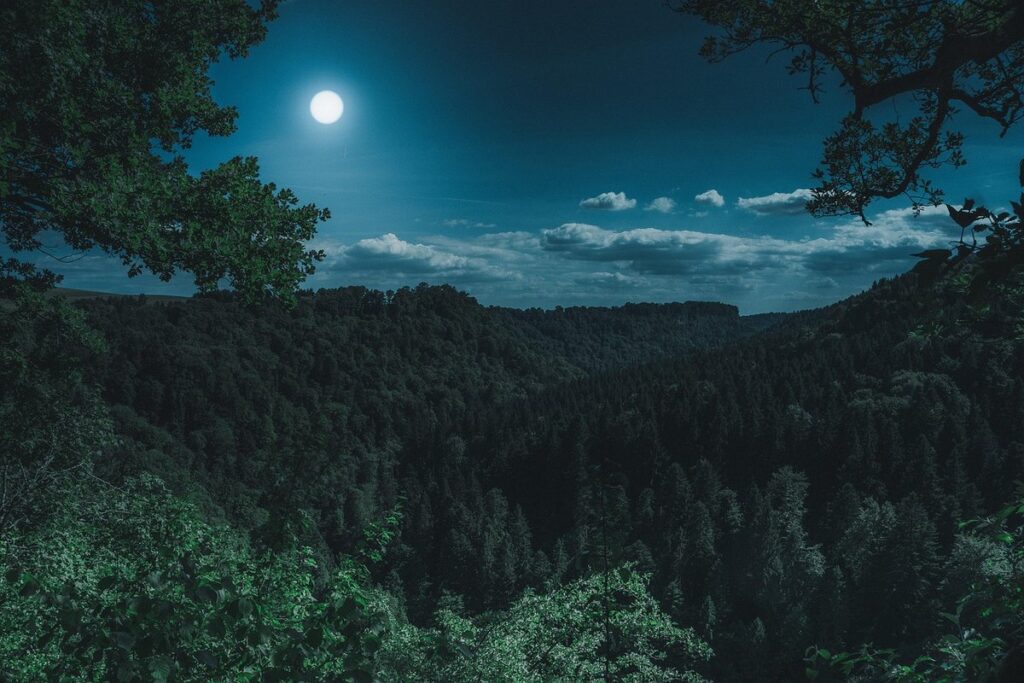
What is a Full Moon?
A full moon is a lunar event that occurs when the moon is on the opposite side of the Earth from the sun, making it fully illuminated by sunlight. Understanding this basic concept sets the stage for appreciating its significance and effects.
Definition and Purpose of a Full Moon
A full moon occurs when the Earth’s moon is positioned on the opposite side of our planet from the sun. This alignment causes the entire face of the moon to be illuminated by the sun’s light, resulting in a bright and often spectacular sight in the night sky. From an astronomical perspective, the full moon holds significant importance as it marks the peak of the lunar cycle.
The Earth’s tides are also directly affected by the full moon. The gravitational pull of the moon causes the ocean water to bulge out, creating two high tides and two low tides every day. During a full moon, the tidal range – the difference between high and low tide – is typically at its greatest. This can lead to more extreme coastal erosion and flooding in areas prone to tidal activity.
Understanding the impact of a full moon on Earth’s tides is essential for people living near coastlines. It’s crucial to take necessary precautions during these periods, such as monitoring weather forecasts and flood warnings, and evacuating vulnerable areas if necessary. By being aware of the lunar cycle’s effects on our planet, we can better prepare for potential tidal events and mitigate their consequences.
History and Cultural Significance of Full Moons
The full moon has been a source of fascination and reverence across various cultures and societies throughout history. In ancient Greece, the full moon was associated with the goddess Selene, who was said to drive her chariot across the sky each night. Similarly, in many Native American communities, the full moon is still revered as a symbol of spiritual connection and renewal.
In Hindu mythology, the full moon is linked to the festival of Sharad Purnima, where devotees worship the goddess Lakshmi under the light of the full moon. The Inca civilization also celebrated the full moon with rituals and offerings to their gods. These examples highlight the universal human fascination with the full moon’s mystique.
In many cultures, full moons have been tied to mythological events and spiritual associations. For instance, in Europe during medieval times, full moons were believed to be a time for witchcraft and evil omens. In contrast, some indigenous communities celebrate the full moon as a time for healing, growth, and new beginnings. Understanding these diverse cultural perspectives can enrich our own connection to the lunar cycle.
Lunar Cycle Phases and 2025 Calendar
The lunar cycle phases play a crucial role in understanding the significance of each full moon, so let’s break down the major phases that occur throughout the year.
Understanding the Lunar Cycle
The lunar cycle is a continuous process that begins with the new moon phase and ends back at the new moon. This cycle takes approximately 29.5 days to complete, which is why it’s also known as the synodic month. As the moon orbits the Earth, it goes through eight distinct phases: new moon, waxing crescent, first quarter, waxing gibbous, full moon, waning gibbous, last quarter, and waning crescent.
During the waxing crescent phase, the moon appears to grow larger as more of its illuminated surface is visible from Earth. This phase typically lasts about 3-4 days and is a good time for planting seeds or starting new projects, as the increasing light represents growth and expansion. The waxing gibbous phase follows next, where the moon continues to appear fuller and fuller in the sky.
As the full moon approaches, it’s essential to be mindful of the waning phases that follow. During the waning gibbous phase, the moon appears to shrink as less of its illuminated surface is visible from Earth. This can be a time for reflection, harvest, or letting go, depending on your personal needs and goals. By understanding these lunar cycle phases, you can better align yourself with the natural rhythms and tap into their potential for growth and transformation.
Full Moon Dates in 2025
The full moon occurs when the Moon is on the opposite side of the Earth from the Sun, making it visible at night. In 2025, there are a total of 13 full moons, each with its unique characteristics and astronomical events. Here’s a detailed listing of the full moon dates for 2025:
- January 6-7: Full Wolf Moon – This is one of the most prominent full moons of the year, often associated with heavy snowfall in North America.
- February 5-6: Full Snow Moon – As the name suggests, this full moon is often linked to winter storms and cold temperatures in the Northern Hemisphere.
- March 7-8: Full Worm Moon – This full moon marks the beginning of spring in many cultures, as earthworms start emerging from their underground habitats.
Each of these full moons can be observed at specific locations around the world. For example, the January 6-7 full moon will be visible in its entirety in North America and parts of South America. The notable events associated with these full moons vary, but many are linked to folklore and traditional practices that date back centuries. By understanding the full moon cycle and its dates in 2025, you can better appreciate the beauty and significance of these lunar events.
Effects of Full Moons on Nature and Humans
The full moon’s impact doesn’t stop at our emotions, as it also has profound effects on the natural world. From ocean tides to wildlife behavior, let’s explore these phenomena together.
Tidal Patterns and Marine Life
The gravitational pull of a full moon has a significant impact on ocean tides and marine life. This phenomenon is particularly noticeable during new and full moons, when the moon’s gravitational pull combines with the sun’s to create more extreme tidal fluctuations.
In some coastal areas, this increased tidal activity can lead to unusual tidal behavior, such as “spring tides” where water levels rise higher than usual or “neap tides” where they drop lower. For example, during a recent full moon event in Alaska, unusually high spring tides caused significant erosion along the coast.
This type of extreme tidal behavior can have devastating effects on coastal ecosystems. Rising sea levels and increased storm surges can damage habitats, displace marine life, and even threaten human settlements. For instance, the mangrove forests of Southeast Asia are vulnerable to saltwater intrusion during high spring tides, which can lead to deforestation and loss of biodiversity.
As a result, it’s essential for coastal residents and visitors to be aware of these tidal patterns and take necessary precautions, such as monitoring tide forecasts and evacuating low-lying areas when necessary.
Human Behavior and Cycles
Lunar folklore has long suggested a link between full moons and heightened lunacy, with some claiming it’s a time for increased chaos and irrational behavior. However, numerous studies have explored these supposed correlations, yielding mixed results. In 1985, for instance, the British tabloid The Sun sparked widespread concern with its “Full Moon Madness” campaign, which pointed to a spike in crime rates during full moons. While some research seemed to support this notion, others found no conclusive evidence.
A more nuanced understanding of human behavior reveals that while lunar cycles may not directly influence our actions, they can have an indirect impact on emotional states and decision-making processes. For example, the full moon’s pull can amplify existing stressors or anxieties, potentially leading to impulsive choices or increased aggression in susceptible individuals. Practically speaking, it’s essential to recognize these potential effects and take steps to mitigate them. This may involve prioritizing self-care during periods of high lunar energy, engaging in calming activities, or simply being more mindful of one’s emotions and actions. By acknowledging the complexities surrounding human behavior and cycles, we can better navigate the often-mythologized full moon phenomenon.
Viewing the Full Moon: Tips and Tricks
To get the most out of viewing the full moon, it’s essential to know when and where to look, as well as how to observe its phases. We’ll share our top tips for making the most of this lunar spectacle.
Optimal Viewing Conditions
For optimal viewing conditions, consider timing your observation during the moon’s peak brightness. Typically, the full moon rises around sunset and is highest in the sky by midnight. Plan to observe it when it’s overhead for the best views. If you’re viewing from a location with significant light pollution, aim to catch the moon during the late evening or early morning hours when ambient light levels are lower.
You’ll want suitable equipment to enhance your view. Binoculars can provide a closer look at the lunar surface, but if you have access to a telescope, it’s ideal for detailed observations. A pair of 7×50 binoculars is a good starting point, offering a wide field of view and decent magnification.
Choose a location with minimal light pollution to maximize visibility. Urban areas are often best avoided due to artificial lighting, but rural or coastal locations tend to have less ambient light. National parks or remote areas usually provide the darkest skies for viewing the full moon. When possible, observe from a spot with an unobstructed view of the southeastern horizon around midnight to see the full moon at its highest point in the sky.
Photography Techniques
When photographing a full moon, camera settings play a crucial role. You’ll want to use a tripod to stabilize your camera, as the moon’s brightness can make it difficult to capture sharp images without stabilization. Set your camera to manual mode and adjust the ISO to its lowest setting (typically around 100-200) to minimize noise. A wide aperture (around f/2.8 or lower) will help create a shallow depth of field, blurring the surrounding environment and isolating the moon.
For software options, consider using Adobe Lightroom or Photoshop to enhance your images. These programs offer tools for adjusting exposure, contrast, and color balance specifically designed for lunar photography. Be cautious not to over-edit, as this can make the image appear unnatural. It’s also essential to use noise reduction tools if you’ve shot at a high ISO.
When capturing images of the full moon, remember that it’s typically best to shoot during the blue hour (just before sunrise or after sunset) when the light is softer and more forgiving. This can add depth and color to your photos, making them more visually appealing. Experiment with different angles and compositions to capture unique perspectives on this celestial event.
Full Moon in Astrology: Significance and Interpretation
The full moon has long been a subject of fascination in astrology, holding significant meaning and symbolism that can influence our emotions, relationships, and life paths. Let’s break down its importance and how to interpret its effects.
Understanding the Zodiac Signs
The zodiac signs are often associated with distinct traits and energies, which can influence our emotional and psychological responses to the full moon. For instance, fire signs like Leo and Sagittarius tend to embody a more passionate and expansive energy, while water signs like Cancer and Scorpio exude a deeper sense of emotionality and intuition. As a result, individuals born under these signs may be particularly drawn to certain aspects of the full moon’s symbolism.
For example, those with strong Leo or Aries placements might resonate with the full moon’s themes of illumination and empowerment, as they often represent a desire for visibility and recognition. In contrast, Cancerians and Pisces may find solace in the full moon’s emphasis on emotional release and spiritual connection, given their natural affinity for nurturing and empathy. By tuning into these astrological correspondences, you can gain a deeper understanding of how your own zodiac sign might influence your relationship with the full moon cycle.
How to Interpret a Full Moon’s Meaning
When considering a full moon’s meaning, timing is key. You need to look at when it occurs in relation to significant personal events, such as birthdays, anniversaries, or major life transitions. This can be done by comparing the exact date and time of the full moon to your birth chart and other important events. For example, if you’re having a child during this lunar cycle, the full moon’s timing might coincide with the due date, bringing heightened emotional sensitivity and energy.
Next, examine the planetary positions at the time of the full moon. Certain planets like Mercury, Venus, or Mars can amplify or modify the full moon’s effects, making them more intense or affecting different areas of life. For instance, a strong Mars influence might stir up conflict or drive action, while a prominent Venus presence could emphasize love and relationships.
To refine your interpretation further, consider consulting an astrological chart for your exact location and time zone. This will take into account local planetary positions and give you a more accurate reading of the full moon’s significance in your specific context. By incorporating these factors, you can gain a deeper understanding of how this lunar event might impact your life and prepare yourself accordingly.
Frequently Asked Questions
What if I miss a full moon in 2025? Is it still possible to view and experience its effects?
Yes, every full moon has its own unique energy and significance. Even if you miss the exact date of a particular full moon, you can still observe and participate in its corresponding lunar cycle phase over the next few days.
How do I plan a photography session for a specific full moon event, considering weather and light pollution?
To maximize your chances of capturing stunning lunar images, research the optimal viewing conditions for each full moon date. Plan your photo sessions during periods of low cloud cover and minimal moon obstruction by trees or buildings. Use software tools to simulate ideal shooting conditions based on your location’s unique sky map.
What are some common mistakes people make when interpreting the significance of a full moon in their personal lives?
Be cautious not to overemphasize every minor event as directly related to the lunar cycle, as these correlations can be subjective and influenced by individual biases. Approach astrological interpretations with an open mind, but also consider other factors such as planetary positions, personal birth charts, and life circumstances.
Can I use a smartphone app or software for more accurate timing of full moon events and astrology-based insights?
Yes, various mobile apps and online tools can provide you with precise lunar cycle data, tide predictions, and astrological interpretations. Choose reputable sources that offer detailed calculations based on your location’s latitude and longitude to enhance your understanding and planning.
Are there any notable differences in observing or experiencing a full moon from different parts of the world?
Yes, the visibility and effects of a full moon can vary significantly depending on geographical location. For instance, coastal areas will be more affected by tides than inland regions. Familiarize yourself with local time zones, climate conditions, and unique cultural associations to enrich your experience during each full moon event.