
You’ve probably noticed that there are specific times each month when the night sky is bathed in an otherworldly glow – these are the full moons. These lunar events have captivated humans for centuries, with cultures assigning significance to their occurrence and timing. From a practical perspective, understanding the full moon dates can help you prepare for the often-predictable changes in nature that come with each new cycle. You might be aware of the impact full moons have on the tides, but did you know they also seem to affect human behavior? Some studies suggest that people’s moods and actions can shift during these periods. In this comprehensive guide, we’ll explore the importance of tracking lunar cycles and provide a detailed calendar for keeping track of full moon dates – by the end of it, you’ll be able to anticipate and prepare for each full moon with ease.
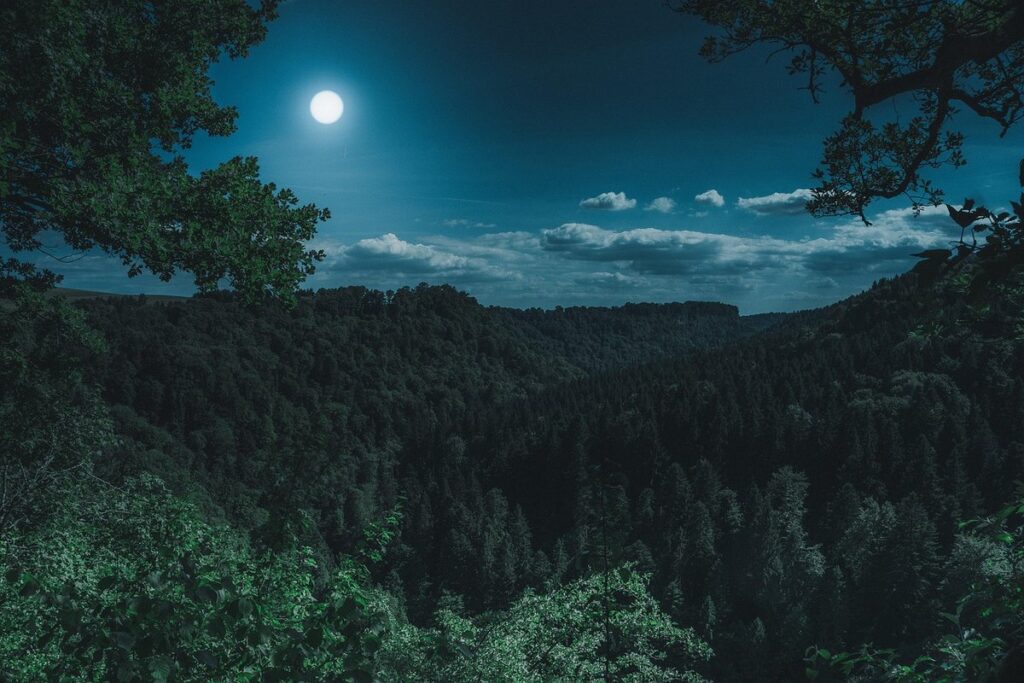
Understanding Full Moons
As you plan ahead for upcoming full moon dates, understanding their timing and significance can help you make the most of these lunar events. Each full moon has its unique energy and potential impact on our lives.
What is a Full Moon?
A full moon occurs when the entire face of the Moon is illuminated by the Sun’s light, making it fully visible from Earth. This happens when the Moon is on the opposite side of the Earth from the Sun, a position known as opposition. During this time, the Moon orbits the Earth while keeping its same face towards our planet, allowing us to see the entire lunar surface.
There are several types of full moons that are often referenced in astronomy and popular culture. One type is the Blue Moon, which occurs when there are two full moons within a single calendar month. This typically happens every 2-3 years, and it’s worth noting that having two full moons in one month can be beneficial for gardening and planting as it provides additional light and energy.
Another type of full moon is the Blood Moon, which is characterized by its reddish hue caused by atmospheric conditions on Earth. The Supermoon is a term used to describe a new or full moon that occurs when the Moon is at or near its closest point to Earth in its elliptical orbit. These types of full moons can appear larger and brighter than usual due to their proximity to our planet.
Importance of Full Moons in Astronomy and Culture
Full moons have been a significant aspect of human culture and astronomy for centuries. In many cultures, full moons are associated with spiritual significance, mythological events, and natural occurrences. For example, the indigenous communities of North America have a rich tradition of linking full moons to important rituals, ceremonies, and storytelling. Similarly, ancient civilizations such as the Greeks and Romans revered full moons in their mythology.
Astronomically, full moons play a crucial role in tracking time and lunar cycles. The exact timing of full moons can influence planetary alignments and eclipses. For instance, when a full moon occurs near the Earth’s equator, it can trigger total solar eclipses. By tracking full moon dates, astronomers can anticipate these rare events.
To harness this knowledge, lunar enthusiasts and researchers often consult full moon calendars or astronomy software to plan observations and prepare for potential celestial events. By understanding the significance of full moons in various cultures and astronomical contexts, individuals can gain a deeper appreciation for the interconnectedness of our planet’s natural rhythms and the impact on human experience.
Lunar Cycle Phases
To better understand the full moon dates, it’s essential to grasp the lunar cycle phases that occur throughout each month. Let’s break down the eight distinct phases of the lunar cycle.
New Moon to Full Moon: The Lunar Cycle Explained
The lunar cycle is a continuous process that spans approximately 29.5 days, from one new moon to the next. It’s divided into eight distinct phases, each with unique characteristics and effects on our planet.
As the moon begins to wax from its new moon phase, it passes through the waxing crescent phase, where we see a small sliver of light on the right side of the moon. This is followed by the first quarter moon, which occurs when the moon has completed one-quarter of its orbit around Earth and is half-illuminated.
The next phase is the waxing gibbous moon, where more of the moon’s illuminated surface becomes visible from our vantage point on Earth. Tides are also affected during this phase, with higher high tides and lower low tides becoming more pronounced as the gravitational pull between the moon and Earth increases.
The full moon marks the peak of the lunar cycle, where we see the entire face of the moon illuminated by the sun’s light.
How Long Does a Full Moon Last?
A full moon is only visible for a short period each month. This duration can vary slightly from one lunar cycle to another due to the Earth’s elliptical orbit around the Sun and the tilt of its axis, but it typically lasts around 3 days. The moon appears full for about 1-2 hours on either side of the peak moment, which occurs when it is directly opposite the sun in the sky.
During this brief window, you can usually see a full moon in the night sky. If you want to catch the most spectacular views, plan your viewing around the peak moment, typically within an hour or two after sunset. Keep in mind that light pollution and weather conditions can significantly impact visibility.
It’s also worth noting that the exact timing of a full moon varies depending on your location due to time zones and longitude. However, you can use online resources or lunar calendars to find out when the next full moon is visible from your area. This way, you’ll be better prepared to enjoy this spectacular celestial event.
Calendar of Full Moons
Below are the dates and corresponding calendar information for full moons throughout the year, organized by month. Each date is listed alongside its traditional name and lunar phase details.
Monthly Full Moon Dates: A Year-Round Guide
The dates of full moons are calculated based on lunar cycles and Earth’s rotation. Each month has a specific date for the full moon, with some months having multiple full moons due to the 29.5-day lunar cycle being shorter than the 30- or 31-day calendar month. This discrepancy is what gives rise to the extra full moon in months like January, March, May, July, August, October, and December.
The full moon names often tie into traditional farming practices and seasonal changes, reflecting the agricultural and social aspects of a bygone era. For example, the full moon closest to the spring equinox is called the “Full Worm Moon” due to the emergence of earthworms as soil temperatures rise. In contrast, the full moon nearest the autumnal equinox is known as the “Harvest Moon,” which typically occurs in September or October and marks the peak of the harvest season.
To determine the exact date and corresponding zodiac sign for a specific month’s full moon, consult an astronomy website or calendar that incorporates lunar data. This will give you access to information about upcoming full moons, including their timing and celestial associations.
How to Track Full Moons and Lunar Cycles
You can track full moon dates and lunar cycles using various methods. One popular approach is to use apps like Moon Phase Pro or The Photographer’s Ephemeris, which provide precise timing and visibility data for each phase. These apps often offer customizable notifications and alerts to help you stay on schedule.
Alternatively, you can keep a physical calendar specifically designed for tracking lunar cycles, such as the Farmer’s Almanac or the Old Farmer’s Almanac. These calendars typically include detailed information about full moon dates, tides, and astronomical events.
For those who prefer more technical approaches, there are several free software options available, including Stellarium and SkySafari. These programs allow you to input your location and visualize lunar cycles in 3D, providing a more immersive understanding of the moon’s phases.
Regardless of which method you choose, make sure it aligns with your specific needs and preferences. Some people prefer the simplicity of a physical calendar, while others enjoy the interactive features of software or apps.
Effects of Full Moons on Nature and Human Behavior
As we explore the fascinating world of full moon dates, let’s take a closer look at how these lunar events impact our surroundings and behavior, from tides to tantrums.
Tides and Ocean Currents
Coastal areas and marine ecosystems are significantly impacted by full moons, which cause tidal cycles to fluctuate more dramatically than during new moon phases. In fact, spring tides – characterized by higher high tides and lower low tides – occur when the gravitational pull of the sun aligns with that of the moon, resulting in an amplified tidal range.
As a result, coastal erosion becomes more pronounced, and marine life is often disrupted due to changes in water temperature and salinity. For instance, coral reefs may experience bleaching or die-off during periods of extreme high tides, while sea turtles may struggle to nest on exposed beaches.
Fishermen and beachgoers should be aware that full moons can also lead to more hazardous conditions for boats and swimmers. Stronger currents and unpredictable wave patterns increase the risk of accidents, emphasizing the need for extra caution when venturing into coastal waters during these times. By understanding the effects of full moons on tides and ocean currents, individuals can better prepare for and respond to these phenomena, promoting a safer and more sustainable coexistence with marine ecosystems.
Moon Cycles and Human Behavior: Fact or Fiction?
Many people believe that full moons have a profound effect on human behavior, with some even claiming that it’s behind increased rates of crime, accidents, and other chaotic events. However, there’s limited scientific evidence to support these claims. Research has shown mixed results, with some studies suggesting a correlation between full moons and certain behaviors, while others find no connection.
One study published in the journal “Human Nature” analyzed police records over several years and found that emergency calls did increase during full moon phases. However, subsequent studies have failed to replicate this finding, leaving many experts skeptical about the significance of these results. The scientific community remains divided on the issue, with some arguing that any perceived effects are due to biases in observational studies.
To make sense of this folklore, consider your own experiences and observations. Have you noticed a change in behavior or mood during full moon phases? While there may not be concrete evidence to support the idea that full moons directly influence human behavior, it’s possible that cultural associations and personal expectations play a role in shaping our perceptions and actions.
History and Mythology of Full Moons
The full moon has captivated human imagination for centuries, with mythological tales and historical events woven into its cycles. Let’s explore some of these fascinating stories behind the full moon’s power and significance.
Ancient Cultures and Lunar Worship
In ancient cultures, full moons were often associated with spiritual significance and worship. Many civilizations revered the moon as a symbol of fertility, power, and mystery. In Norse mythology, for example, the god Odin was said to ride across the sky on an eight-legged horse during full moons, known as “Horned Moon.” This mythological event was often linked to battles and conflicts.
Similarly, in ancient Greece, the full moon was associated with the goddess Selene, who rode a chariot through the night sky. The Greeks believed that during full moons, the veil between the mortal world and the realm of the gods was at its thinnest. In some cultures, full moons were also linked to rituals for fertility and agriculture.
The association between full moons and spiritual practices continues in modern times, particularly among some indigenous communities. Understanding these historical connections can provide insight into the enduring power of lunar cycles on human culture.
Folklore and Superstitions Surrounding Full Moons
In many cultures, full moons have been shrouded in superstition and folklore. Farmers, for example, often believe that a full moon can either bless or curse their crops, depending on its phase. In some African countries, farmers plant their seeds during the new moon, allowing them to germinate during the waxing crescent moon. This allows the crop to reach maturity by the full moon. Conversely, in other cultures, farmers may harvest their crops during the waning gibbous moon to avoid a supposedly “unlucky” full moon.
Hunters have also been influenced by full moon folklore. In ancient China, hunters believed that the full moon could summon spirits to aid them in hunting. Similarly, some indigenous communities in North America believe that the full moon imbues animals with unusual aggression and cunning, making hunting more challenging. These superstitions often influenced daily life as well, with many people avoiding certain activities or rituals during full moons.
Practically speaking, these folklore may be useful for those interested in aligning themselves with nature’s rhythms. By understanding these cultural associations, individuals can make informed decisions about when to plant seeds, go on a hunt, or even plan outdoor events, such as weddings or festivals.
How to Prepare for a Full Moon
As the full moon approaches, it’s essential to prepare yourself for its energy and influence. This involves setting intentions, cleansing your space, and getting grounded in advance of the lunar event.
Lunar Rituals and Practices
Connecting with the full moon’s energy can be a transformative experience. Many individuals find solace and rejuvenation through lunar rituals and practices. One way to tap into the full moon’s power is through meditation. Find a quiet space, dim the lights, and focus on your breath as you invite the moon’s energy to align with your own.
Some people incorporate specific mantras or intentions during their meditation practice, allowing them to harness the moon’s energies for personal growth. For example, setting an intention to release emotional blockages can help clear mental clutter, promoting a sense of renewal and calm. You might also consider practicing yoga under the full moon, using its energy to guide your movements and breath.
Other practices like energy work or Reiki can also be beneficial. These modalities allow you to channel the full moon’s energies into specific areas of your life, whether it’s nurturing creativity, calming anxiety, or amplifying personal power. Consider working with a practitioner who can help guide you through these practices, allowing you to tap into the full moon’s transformative potential.
Safety Tips During Full Moons: Weather, Travel, and More
During full moon periods, weather conditions can become extreme. Heavy rainfall, thunderstorms, and flash flooding are common occurrences due to increased atmospheric pressure and moisture. Be prepared for potential power outages by keeping a backup source of light, such as flashlights or battery-powered lanterns, on hand. If you live in an area prone to wildfires, be cautious with flammable materials like dry leaves and branches.
When traveling during full moon periods, plan ahead for possible disruptions. Check the weather forecast before embarking on a trip, especially if you’ll be driving through areas prone to flooding or landslides. Keep your vehicle’s gas tank at least half-full in case of an unexpected delay. If you’re planning a hike or outdoor adventure, research potential hazards like steep terrain and fast-moving water.
In emergency situations, have a plan for communication and evacuation. Charge your phone and keep a portable charger handy, but also know the location of emergency shelters and how to access them if needed. Be aware of local warning systems and sign up for emergency alerts from your county or state government to stay informed about potential dangers.
Frequently Asked Questions
How Often Should I Track Full Moon Dates for Personal Growth?
Tracking full moon dates can be beneficial for personal growth and spiritual development. It’s recommended to track them regularly, especially during the new moon and full moon phases, which are considered significant in many spiritual practices. You can use a lunar calendar or an app to stay informed about upcoming full moons.
Can I Use Any Method to Track Full Moons, or Are Some More Accurate Than Others?
While there are various methods to track full moons, some may be more accurate than others. Using a combination of astronomical software and lunar calendars is generally considered the most reliable method. Apps that use NASA’s data can also provide accurate information about full moon dates.
What If I Miss a Full Moon Date? Will it Affect My Spiritual Practice?
Missing a full moon date won’t necessarily affect your spiritual practice, as its significance lies in the intention and energy you put into it. However, being consistent with tracking full moons can help you stay connected to the lunar cycle and its effects on your life.
How Do I Know if a Full Moon is a Supermoon or Blood Moon?
To determine if a full moon is a supermoon or blood moon, check if it meets certain criteria: for a supermoon, look for a perigee (closest point) that’s within 90% of the Earth-Moon average distance; for a blood moon, observe if there’s a lunar eclipse. You can use astronomical software or apps to help you identify these special full moons.
Can I Use Full Moon Dates to Plan Outdoor Activities, Such as Hiking or Fishing?
Yes, you can use full moon dates to plan outdoor activities like hiking or fishing, but be aware of the effects on tides and ocean currents. In coastal areas, full moons often bring higher high tides and lower low tides, which can impact marine ecosystems and your plans.