
You’ve been wondering when the next full moon is, haven’t you? With its mesmerizing glow and profound effects on both human behavior and marine life, understanding the lunar cycle can be quite fascinating. For centuries, humans have been captivated by the beauty of a full moon, often finding themselves drawn to its mystique. But what exactly happens during this phase, and how can we calculate it? Knowing when the next full moon is can also make for some incredible stargazing opportunities, provided you do so responsibly.
As we’ll explore in this article, calculating the next full moon isn’t rocket science – with a few simple steps, anyone can determine its exact date. We’ll discuss not only how to calculate it but also highlight safe viewing locations and share tips for responsible stargazing, ensuring that your experience is both enjoyable and safe. By the time you finish reading this piece, you’ll be able to identify when the next full moon occurs and even plan your own lunar viewing session.
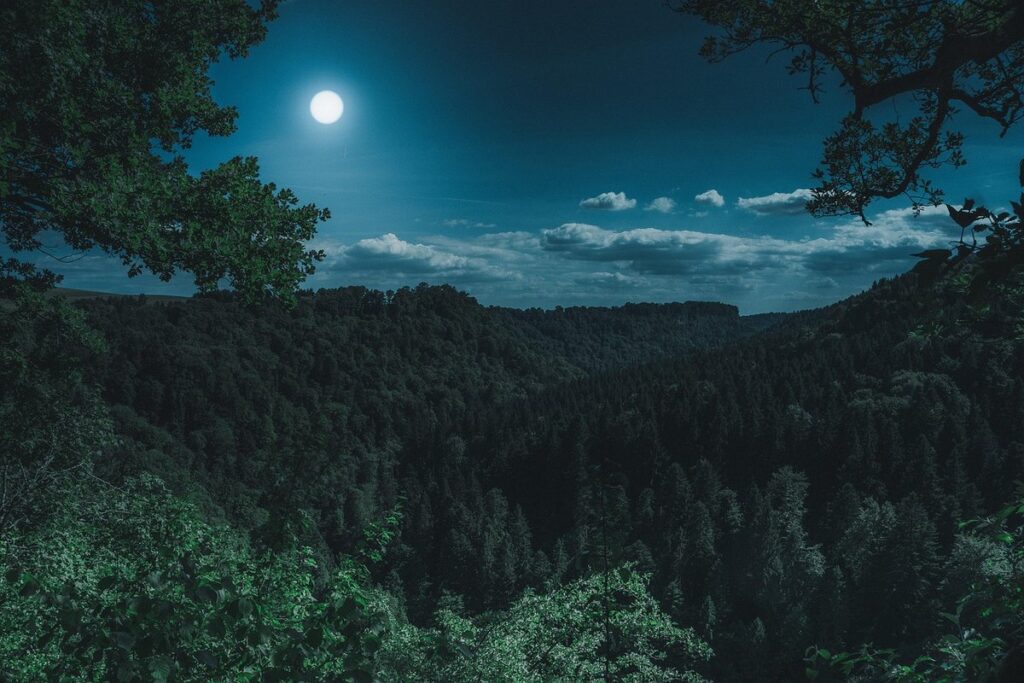
Understanding the Lunar Cycle
The lunar cycle plays a significant role in shaping our understanding of full moon dates and times, so let’s break down its key phases to better grasp their impact.
What is a Full Moon?
A full moon occurs when the Moon is on the opposite side of the Earth from the Sun, making it fully illuminated by the Sun’s light. This alignment is what gives the full moon its distinctive appearance, making it a striking sight to behold. The full moon has captivated humans for centuries, with many cultures and traditions observing this lunar phase as a significant event.
The full moon is often associated with increased energy and heightened emotions, leading some people to plan special events or ceremonies around this time. However, it’s essential to note that the full moon’s effects on human behavior are largely anecdotal and have not been scientifically proven. Nevertheless, the cultural significance of the full moon remains a powerful force, inspiring art, literature, and spiritual practices worldwide.
To best appreciate the full moon, find a spot with an unobstructed view of the sky and observe it at its peak illumination, typically around midnight or just before dawn. You can also use online resources to locate the exact timing and dates for upcoming full moons in your area.
Types of Full Moons
There are several types of full moons, each with its own distinct characteristics and associated folklore. One notable type is the supermoon, which occurs when a full moon coincides with the moon’s closest approach to Earth in its elliptical orbit. This results in the moon appearing larger and brighter than usual. Supermoons often have significant effects on the tides.
Another rare occurrence is the blue moon, which takes place when there are two full moons within a single month. Blue moons happen about once every 2-3 years and can be caused by variations in the calendar’s alignment with the lunar cycle. Some people believe that blue moons bring good luck or unusual events.
A blood moon, on the other hand, occurs during a total lunar eclipse when the Earth passes between the sun and the moon, casting a reddish hue over the lunar surface. Blood moons often carry symbolic significance in various cultures and are sometimes associated with major life events or significant changes. Understanding these different types of full moons can help you better appreciate their unique characteristics and prepare for any potential effects on your daily life.
Calculating the Next Full Moon Date
To calculate the next full moon date, you’ll need to know how to use lunar cycles and calendars to determine when the next full moon will occur. Let’s break down the steps involved in this process.
Lunar Cycle Explained
The lunar cycle is a fundamental concept to understand when calculating full moon dates. It’s approximately 29.5 days long, which means it takes the Moon about 29 and a half days to complete one orbit around the Earth relative to the Sun. This cycle repeats every month, with each new cycle beginning at the same phase as the previous one.
To put this into perspective, consider that most months have either 28 or 30 days. Given that the lunar cycle is slightly longer than these typical month lengths, it’s not surprising that full moons often occur a week and a half after the previous one. For example, if the last full moon occurred on January 15th, you can expect the next full moon to take place around February 1st or 2nd.
Understanding the lunar cycle helps you anticipate when full moons will occur and plan accordingly. This is especially useful for activities that rely on tides, weather forecasting, or astronomical observations. By knowing when a full moon is due to happen, you can make more informed decisions about your daily routine, outdoor activities, or other pursuits that might be affected by the lunar cycle.
Tools for Calculating Full Moons
When looking for tools to calculate the next full moon date, you have a variety of options available. Lunar calendars are one such resource, providing a visual representation of the lunar cycle and allowing you to plan ahead. Mobile apps like Moon Phase Pro or The Photographer’s Ephemeris offer detailed information on the moon’s phases and can be easily accessed on your smartphone.
Websites like timeanddate.com and usno.navy.mil also provide comprehensive data on lunar cycles, including full moon dates and times. These websites often include interactive charts and graphs to help illustrate the information. Additionally, some astrological software programs, such as Solar Fire or Janus, can be used to calculate the date of the next full moon.
When choosing a tool, consider your specific needs and preferences. If you want a simple, easy-to-use interface, a mobile app may be the best choice. On the other hand, if you need more advanced features or data analysis capabilities, a dedicated software program may be more suitable.
The Significance of Full Moons in Popular Culture
From folklore to film, full moons have captivated human imagination for centuries, inspiring a wide range of cultural expressions and traditions. Let’s examine some fascinating examples from popular culture.
Folklore and Mythology
In many cultures, full moons have been imbued with supernatural significance. For instance, ancient Greeks associated the full moon with the goddess Selene, who was said to control the tides and the fates of heroes. In Norse mythology, the full moon was linked to the legend of the Wild Hunt, a procession of ghostly spirits that roamed the land under its silvery glow.
Some cultures believe that full moons are a time for heightened emotions and increased energy. For example, in medieval Europe, it was common for people to avoid traveling or engaging in important decisions during full moon nights, as they were believed to be more prone to irrational behavior. In contrast, others associate full moons with chaos and unpredictability. The infamous “full moon effect” on crime rates, which suggests a correlation between lunar cycles and increased lawlessness, is still debated among experts.
Practically speaking, understanding the cultural associations surrounding full moons can help you prepare for their potential impact on your life. If you’re prone to mood swings or anxiety, it may be wise to take extra precautions during full moon periods.
Media Representations
The full moon has long been a source of inspiration for artists across various mediums. In literature, it’s often used as a symbol of transformation and upheaval. Think of classics like Shakespeare’s A Midsummer Night’s Dream or Mary Shelley’s Frankenstein, where the full moon serves as a catalyst for change. Similarly, in film, the full moon has been employed to represent power and intensity. The movie An American Werewolf in London is a prime example, using the full moon to trigger a transformation that both terrifies and fascinates.
Music too has been influenced by the full moon’s mystique. Many artists have referenced the lunar cycle in their work, often drawing parallels between the full moon’s power and human emotions. Consider artists like Nick Cave or Tom Waits, whose songs frequently touch on themes of darkness and transformation. The next time you’re planning a creative project or simply want to tap into your inner muse, take note of when the full moon is approaching – its influence can be a potent spark for inspiration.
Effects of Full Moons on the Human Body and Environment
As we explore the full moon’s lunar cycles, it’s essential to consider how its phases can impact our physical and emotional well-being. From increased energy to heightened emotions, discover how full moons affect us individually.
Lunar Cycle and Human Behavior
Research suggests a possible link between lunar cycles and human behavior. Specifically, studies have found correlations between full moon phases and increased rates of certain behaviors. Crime rates, for instance, have been observed to rise during full moons in some areas. A 2014 study published in the Journal of Forensic Sciences analyzed crime statistics over several years and discovered a significant spike in violent crimes during full moon periods.
Similar patterns have been noted in accident reports and emergency room visits. While the causes behind these correlations are still unclear, it’s possible that the subtle changes in lunar energy may affect human moods and emotions. Some experts propose that this could be due to increased water levels in the body, leading to fluctuations in hormone production and neurotransmitter activity.
While more research is needed to confirm these findings, being aware of the potential effects can help individuals prepare for potential challenges during full moon phases. For example, parents might want to plan extra supervision for children during peak moon hours or adjust their schedules to avoid potential conflicts with others. By understanding this subtle influence, we can better navigate our lives in sync with nature’s rhythms.
Impact on Marine Life and Coastal Ecosystems
The full moon’s effects on marine life and coastal ecosystems are a crucial aspect of its broader environmental impact. One notable consequence is tidal flooding, which can be particularly severe during high tides that coincide with full moons. This is because the moon’s gravitational pull causes ocean water to bulge out towards the Earth, resulting in higher than usual sea levels.
Changes in ocean currents also occur due to the full moon’s influence on tides and atmospheric pressure systems. These shifts can have a ripple effect throughout marine food chains, impacting species that rely on specific water temperatures or current patterns for survival. Coastal ecosystems, including mangroves, coral reefs, and salt marshes, are often most vulnerable to these changes.
Practically, individuals living in coastal areas can take steps to mitigate the effects of full moon-related tidal flooding by reinforcing seawalls, installing flood-resistant barriers, or elevating buildings above predicted high-water marks. However, it’s essential to note that local authorities and experts must be consulted for accurate predictions and guidance on how to prepare for such events. By understanding these environmental implications, we can better adapt our approaches to managing coastal ecosystems under the full moon’s influence.
How to Observe the Full Moon Safely and Responsibly
As you plan your next full moon viewing, it’s crucial to ensure you observe this celestial event safely and responsibly, without disrupting wildlife or local communities. We’ll cover essential guidelines for a harmonious experience.
Choosing a Safe Viewing Location
When observing the full moon, it’s crucial to select a safe viewing location with minimal light pollution. This is especially important for getting an unobstructed view of the lunar surface and maximizing stargazing opportunities. National parks, observatories, or designated dark-sky preserves are ideal locations for stargazing due to their remote areas and strict lighting regulations.
Some notable national parks in the United States that offer exceptional viewing conditions include Big Bend National Park in Texas, Death Valley National Park in California, and Joshua Tree National Park in California. These parks are often far from urban centers and have minimal artificial lighting. Observatories like the Palomar Observatory in California or the Mauna Kea Observatory in Hawaii provide even more advanced facilities for lunar observation.
Before heading out to a viewing location, research the area beforehand to ensure it offers suitable conditions for stargazing. Check for any local events, weather forecasts, and potential light pollution sources. This will help you plan your outing and make the most of your full moon observation experience.
Respecting Local Regulations and Environment
When observing the full moon, it’s essential to respect local regulations and environmental guidelines. This not only ensures a safe experience for yourself but also helps preserve the natural beauty of the surrounding area.
Before heading out, familiarize yourself with any rules or restrictions in place at the viewing location. Check if there are designated trails or viewing areas that you should stick to. Some popular full moon observation spots may have specific regulations regarding lighting, sound levels, or even photography equipment.
When it comes to minimizing your impact on the environment, a simple yet crucial step is to leave nothing behind but bubbles and take nothing but memories. This means avoiding sensitive habitats, such as wetlands or wildlife reserves, during peak breeding seasons. Also, be mindful of your waste disposal; dispose of trash properly in designated receptacles.
By being respectful of both local regulations and the environment, you can help preserve these special locations for future generations to enjoy. Take a few moments to review any posted signs or guidelines at the viewing site before starting your observation. This thoughtful approach will not only enhance your full moon experience but also contribute to a more sustainable relationship between observers and the natural world.
Conclusion
As we conclude our comprehensive guide to full moon dates and times, it’s essential to consider how this knowledge can be applied to your daily life. By staying informed about upcoming full moons, you can plan accordingly and make the most of their energies. For example, if a full moon falls on a night when you need to tackle a challenging project, use its energizing influence to boost your productivity. On the other hand, take advantage of the calming effects during a full moon in Libra, which often brings harmony and balance to our emotions.
To incorporate full moon awareness into your routine, consider setting reminders or marking your calendar with upcoming dates. This simple habit can help you stay connected to nature’s cycles and tap into their benefits. By embracing this lunar perspective, you’ll become more attuned to the world around you and better equipped to navigate life’s ups and downs.
Frequently Asked Questions
How to Calculate the Next Full Moon Date When You Don’t Have Internet Access
You can use a lunar calendar or a paper-based planner that displays the lunar cycle. These tools allow you to track the full moon dates and times without relying on online resources. Make sure to adjust for your time zone when referencing these calendars.
Can I Observe the Full Moon During the Day, or Is It Only Visible at Night?
You can observe the full moon during the day, but it will appear as a bright disk in the sky rather than fully illuminated. To see the full moon’s full glory, try to observe it after sunset when the sun has set below the horizon.
Why Do Some People Experience Increased Energy During Full Moons, While Others Feel More Tired?
The effects of full moons on human behavior can vary greatly from person to person. Factors like individual lunar cycle sensitivity, stress levels, and lifestyle choices contribute to these differences. Experimenting with journaling or tracking your energy levels around the full moon may help you understand how it affects you specifically.
Can I Observe the Full Moon Safely During a Thunderstorm?
Avoid observing the full moon during thunderstorms due to the risk of lightning strikes and other safety hazards. Instead, wait for clearer skies or opt for alternative activities like stargazing indoors using binoculars or a telescope.
How Do I Know If the Next Full Moon Is a Supermoon, Blue Moon, or Blood Moon?
To determine if the next full moon is one of these special types, consult a lunar calendar or an online resource that provides detailed information on upcoming full moons. Some websites and apps also offer notifications for significant lunar events, such as supermoons or blue moons.