
Identifying the tiny creatures that share your home can be a daunting task, especially when they’re as small and quick as common household bugs. You may have noticed them scurrying across countertops, hiding in dark corners, or even making themselves at home in your pantry. While some bugs are harmless, others can be pests, damaging property and spreading disease. To tackle these unwanted guests, you need to know how to identify them first. This guide will cover the essential aspects of home bug identification, including the distinctive features of common household insects, their habits and habitats, and the most effective methods for catching and containing them. By the end of this comprehensive guide, you’ll be able to confidently identify and manage the bugs that are taking over your home.
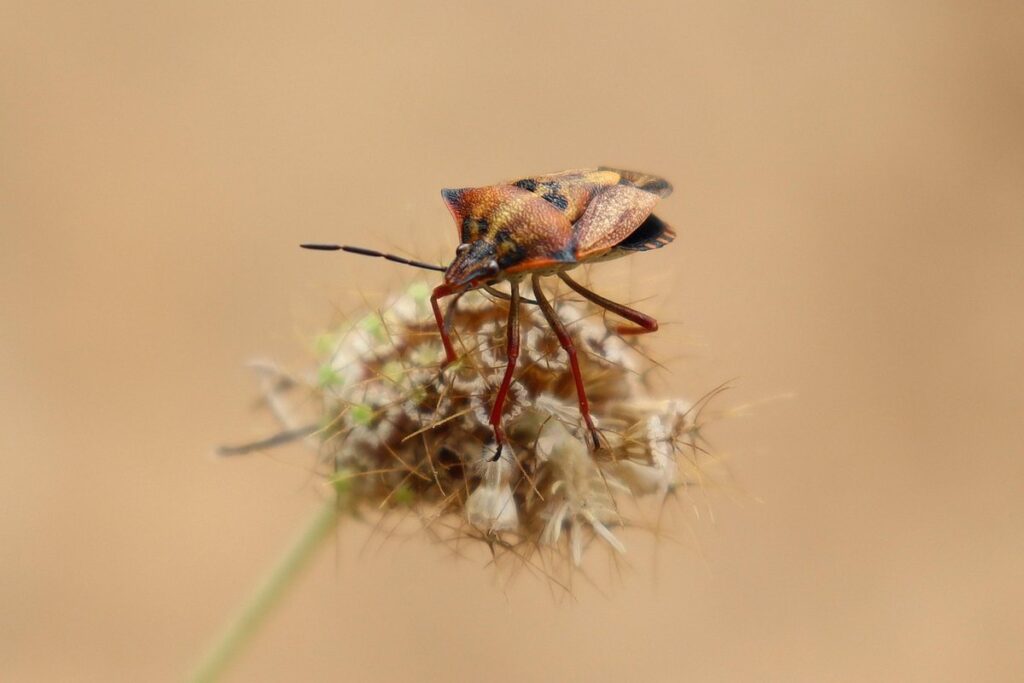
Understanding Common Household Bugs
Let’s take a closer look at some of the most common household bugs you might encounter, including ants, cockroaches, and silverfish. These pests can cause a range of problems, from cleanliness issues to allergic reactions.
Identifying Insect Orders
Insect orders are the primary way to categorize and understand the diversity of household bugs. The most common orders found in homes include Coleoptera (beetles), Diptera (flies), Hymenoptera (ants, bees, and wasps), and Hemiptera (true bugs). Each order has distinct characteristics that can help with identification. For example, beetles have a hard exoskeleton and often have elytra, or wing covers, while flies have a single pair of wings and a long, slender body. Ants, on the other hand, have a narrow waist and typically live in colonies. Recognizing these characteristics is essential for identifying the type of insect you’re dealing with.
Here are the key characteristics of each order to look for when identifying household bugs:
• Coleoptera: hard exoskeleton, elytra, often oval or rounded body shape
• Diptera: single pair of wings, long, slender body, often with a distinctive shape or pattern
• Hymenoptera: narrow waist, often with a stinger or ovipositor, often social and living in colonies
• Hemiptera: distinctive mouthparts, often with a long, slender body and wings that are usually membranous
By understanding the main insect orders and their characteristics, you’ll be better equipped to identify the bugs in your home and take steps to manage any potential issues.
Recognizing Bug Body Parts
The head is typically the most distinct feature of a bug’s body, and it’s often the first thing you notice when looking at an insect. The head usually contains the bug’s eyes, mouthparts, and sometimes even a pair of antennae. Antennae can be long and thin, like those found on ants and bees, or short and stout, like those found on beetles. Some bugs, like flies and mosquitoes, have a distinctive pair of large compound eyes that take up most of their head.
The thorax is the middle section of the bug’s body, and it’s often the widest part. It’s typically divided into three parts: the prothorax, mesothorax, and metathorax. Each of these parts supports a pair of wings, which can be either fully developed or reduced. For example, a butterfly has large, colorful wings that cover its entire body, while a grasshopper has small, delicate wings that are used primarily for gliding.
The abdomen is the final section of the bug’s body, and it’s usually the longest part. It’s often where the bug stores its food, and it can be quite prominent in certain insects, like certain species of beetles and flies.
Common Bug Shapes and Sizes
Common bug shapes and sizes vary significantly, making identification more challenging. The most common household bugs can be broadly categorized into three main groups based on their length: small (less than 1 inch), medium (1-2 inches), and large (more than 2 inches).
Small bugs, such as ants, aphids, and fruit flies, are often elongated and slender, with a narrow waist. They typically have a length of around 1/4 inch to 1 inch. Medium-sized bugs, like cockroaches and crickets, have a more robust build and can range from 1 to 2 inches in length. Large bugs, including beetles and wasps, can be quite intimidating, measuring over 2 inches in length.
When identifying bug shapes and sizes, it’s essential to consider the bug’s body parts, including the head, thorax, abdomen, and wings. Pay attention to the number of wings, as some bugs, like beetles, have no wings, while others, like flies, have two. The shape and size of a bug’s body can also provide clues about its diet, habitat, and behavior. For example, wasps are typically longer and more slender than bees, which have a rounder body shape. By paying attention to these details, you can better identify the common household bugs that inhabit your home.
Bug Behavior and Habitats
Most bugs are quite particular about their living arrangements, and understanding their habitats can be a big clue to identifying them. Let’s take a closer look at the types of environments they tend to favor.
Identifying Bug Habitats
When exploring your home for bugs, it’s essential to consider the environments and situations where they’re most likely to be found. In most cases, bugs are drawn to three primary resources: food, water, and shelter.
Food sources can be as simple as a sweet treat left on the counter or a crumb dropped on the floor. Ants, in particular, are notorious for their ability to detect even the smallest amounts of sugar. When searching for signs of ants, check around food sources, such as the kitchen or pantry. Look for small trails of ants leading to a food source, or tiny piles of sawdust near cracks and crevices.
Water sources, like sinks, toilets, and pet water dishes, are also attractive to bugs. Flies, for example, are drawn to moisture and can be found near dripping faucets or leaky pipes. When searching for signs of flies, inspect areas with high humidity, such as bathrooms or laundry rooms.
Shelter is another crucial resource for bugs. They often seek out dark, secluded areas to rest and hide. When searching for signs of shelter-seeking bugs, check behind furniture, in boxes and containers, and near cluttered areas.
Understanding Bug Life Cycles
Most bugs undergo a four-stage life cycle: egg, larva, pupa, and adult. The egg stage is typically the longest, and it’s where the bug develops from a fertilized egg to a young larva. The larval stage is characterized by rapid growth and molting, as the bug sheds its skin several times to accommodate its increasing size. During this stage, the bug’s body structure begins to take shape, and it starts to develop its adult features.
As the larva reaches its final stage, it will usually form a pupa or chrysalis, a protective casing that allows it to undergo metamorphosis. This stage is often the most recognizable, as the bug’s body undergoes a dramatic transformation, emerging as a fully formed adult. The adult stage is typically the shortest, and it’s where the bug reaches its full size and reproductive maturity.
It’s worth noting that some bugs, like mosquitoes and flies, have a unique life cycle where they go through a series of complete molts without forming a pupa. Other bugs, like beetles, may enter a diapause, a state of dormancy, during the winter months. Understanding the different life stages of bugs can help you identify them more accurately and appreciate the incredible diversity of insect life.
Recognizing Bug Behavior
When observing household bugs, it’s essential to recognize their common behaviors. Feeding habits are a crucial aspect of bug identification. Some bugs, like ants and cockroaches, are primarily attracted to sweet or sticky substances, while others, such as earwigs and silverfish, prefer decaying organic matter. Identify these preferences by observing what bugs are drawn to in your home. For example, if you notice ants near your kitchen sink or around food debris, it may indicate they’re attracted to sweet substances.
Mating rituals can also provide clues about a bug’s identity. Some bugs, like crickets and grasshoppers, engage in complex courtship behaviors, while others, such as mosquitoes and flies, tend to mate in more straightforward ways. Recognize the unique mating rituals of various bug species by researching their behavior. Finally, understanding a bug’s social structure can be a valuable tool in identification. Some bugs, like termites and carpenter ants, live in complex colonies, while others, like solitary wasps and bees, work alone. Observe the behavior of groups of bugs to determine if they’re living in a colony or working independently.
Pest Identification by Appearance
When it comes to tackling pest problems, accurately identifying the bugs is crucial, and this section will help you get started with identifying common household pests by their distinctive appearances.
Identifying Bug Colors and Patterns
When it comes to identifying bugs, their colors and patterns are crucial clues. Most common household bugs have one of four main colors: black, brown, gray, or yellow. However, many bugs display combinations of these colors, making it essential to note any distinctive patterns. Black and yellow bugs, like wasps and bees, are usually easy to spot due to their striking coloration. Brown and gray bugs, like carpet beetles and silverfish, are often more challenging to identify.
Some bugs display stripes or bands, which can help with identification. For example, the striped cockroach has a distinctive yellow stripe on its back, while the brown-banded cockroach has light-colored bands across its body. Spots or blotches are another common pattern, often found on bugs like ladybugs and fireflies. When observing a bug’s markings, pay attention to their shape, size, and arrangement. Note whether the patterns are symmetrical or irregular, as this can provide valuable clues about the bug’s identity.
In addition to overall color and pattern, consider the bug’s body shape and size. Some bugs, like ants and beetles, have smooth, shiny exoskeletons, while others, like flies and mosquitoes, have more textured bodies. When examining a bug, take note of any distinctive features, such as horns, spines, or antennae.
Recognizing Bug Shapes and Forms
When identifying bugs, it’s essential to consider their body shape, antennae, and other distinctive features. Different bug families have evolved unique shapes and forms to suit their environments and feeding habits. For instance, flies have a long, thin body and prominent antennae, while beetles typically have a rounded or oval body with shorter antennae. Ants, on the other hand, have a narrow waist and a distinctive petiole.
Some common household bugs have distinct body shapes that can help with identification. For example, cockroaches have a flat, oval body, while crickets have a longer, more slender body. Ladybugs, as their name suggests, have a distinctive rounded body shape with seven spots. When observing a bug, note the shape and size of its body, as well as the length and thickness of its antennae.
In addition to body shape, consider the bug’s other distinctive features, such as its wings, legs, and any notable protrusions. Some bugs, like butterflies and moths, have beautiful wing patterns that can be used for identification. Others, like spiders and ticks, have distinctive leg arrangements and body shapes that are essential for their survival. By paying attention to these features, you can develop a more accurate understanding of the bug’s identity.
Common Bug Markings and Features
Common household bugs often display distinctive markings and features that can aid in their identification. One of the most noticeable features is the shape and structure of their wings. For example, the wings of a housefly are relatively long and narrow, while those of a moth are typically broad and feathery. Another key characteristic is the number and shape of their legs, with some insects, like spiders, having eight legs, while others, like beetles, have six. Some bugs also display distinctive patterns or markings, such as the stripes on a ladybug or the spots on a cucumber beetle. In addition to these physical characteristics, some bugs may have other distinctive features, such as the long, thin antennae of ants or the fuzzy bodies of certain species of aphids. When examining a bug, pay attention to these markings and features, as they can be crucial in determining its identity. For example, if a bug has a distinctive red and black pattern, it may be a specific species of assassin bug, while a bug with a long, narrow body and a distinctive “W” shape on its back may be a certain type of weevil.
Bug Identification by Behavior
When it comes to home bug identification, observing a pest’s behavior can be a key factor in determining its type and potential threat to your home. Let’s take a closer look at how to identify bugs by their behavior.
Identifying Bug Feeding Habits
When it comes to identifying bug feeding habits, understanding what these pests eat is crucial. Most household bugs are either omnivores or detritivores, feeding on a combination of living and dead plant and animal matter. For example, the common pantry pest, the Indianmeal moth, feeds on starchy foods like flour, cereal, and grains. On the other hand, the carpet beetle is a detritivore that feeds on keratin, a protein found in animal hair, feathers, and even wool.
Some bugs, like the cockroach, are opportunistic feeders, consuming whatever is available. Others, like the fruit fly, are highly specialized, feeding on fermented or overripe fruits and vegetables. To identify bug feeding habits, look for evidence of their diet. Check for damage to food packaging, crumbs or spills around food sources, or the presence of insect fragments in food.
Some common feeding behaviors to look out for include:
- Gnawing or chewing on food packaging or surfaces
- Spills or crumbs around food sources
- Presence of insect fragments in food
- Fermentation or rotting of food
- Presence of egg shells or larval casings near food sources
Recognizing Bug Mating and Reproductive Habits
When it comes to identifying common household bugs, understanding their mating and reproductive habits can be a crucial step in accurate identification. Many bugs, such as ants and termites, engage in complex courtship rituals to establish dominance and ensure successful mating. For example, male ants will often perform a “waggle dance” to attract a female, while male termites will engage in a series of chemical signals to win her over.
Other bugs, like cockroaches and crickets, exhibit more straightforward mating behaviors. Female cockroaches, for instance, will release pheromones to attract males, which will then engage in a brief courtship before mating. Crickets, on the other hand, will often sing to attract females, who will then respond with their own song.
In addition to these courtship behaviors, it’s also essential to recognize the different reproductive habits of common household bugs. Some bugs, like mosquitoes and flies, lay eggs in protected areas, such as moist soil or decaying matter, while others, like beetles and weevils, lay eggs in plant material or soil. By understanding these reproductive habits, you can better identify the bugs that are present in your home and take steps to prevent their populations from growing.
Common Bug Social Structures
Household bugs often live in colonies, nests, or exhibit other communal behaviors that can aid in their identification. Ants, for example, are highly social creatures that live in colonies with distinct castes, including workers, soldiers, and queens. Carpenter ants, in particular, are known for their large, complex colonies that can infest homes through cracks and crevices. Termites also live in colonies, with different castes performing different functions, and are often found in humid, wood-rich areas.
Some bugs, like silverfish, are solitary creatures that don’t live in colonies, but may still be found in groups due to their attraction to moisture and organic matter. Cockroaches, on the other hand, are highly social and often live in large groups, especially in areas with high humidity and food availability. Identifying the social structure of a bug can be an important step in understanding its behavior and potential impact on the home.
When identifying bug social structures, consider the following:
- Look for signs of nesting or colony activity, such as discarded wings, eggs, or young
- Observe the bug’s behavior, noting whether it appears to be solitary or social
- Note the presence of different castes or individuals with distinct physical characteristics
Advanced Bug Identification Techniques
To take your bug identification skills to the next level, this section will focus on advanced techniques for recognizing and distinguishing between different pest species. Let’s examine the unique characteristics that separate them from similar-looking bugs.
Using Bug Traps and Catching Methods
When it comes to catching and containing common household bugs, using the right traps and catching methods can be a game-changer. One of the most effective methods is using sticky traps, which work by capturing bugs with a non-toxic adhesive. These traps are particularly useful for catching flying insects like flies and moths, as well as crawling insects like ants and cockroaches.
Pitfall traps, on the other hand, involve creating a shallow container filled with a liquid or gel that bugs will fall into. This method is effective for catching insects that are attracted to light, like fireflies or glowworms. Another option is the use of UV light traps, which lure bugs in with an invisible light that is invisible to humans. These traps are often used for catching flying insects like mosquitoes and moths.
When choosing a trap, consider the type of bug you’re trying to catch. For example, sticky traps are best for catching crawling insects, while pitfall traps are more effective for catching flying insects. By using the right trap and catching method, you can effectively contain and identify the bugs in your home.
Identifying Bug Eggs and Larvae
When identifying bugs, it’s essential to recognize the early stages of their life cycle, particularly the egg and larval development stages. Eggs are typically oval or elongated, ranging in color from white to brown or even translucent. They are usually laid on a surface or within a protected location, such as a leaf or a crevice. To identify eggs, look for them in areas where bugs are commonly found, such as near food sources or in dark, humid areas.
Larvae, on the other hand, are the immature stages of bugs that undergo metamorphosis to become adults. They have a distinctive body shape, with three pairs of legs and often a distinct head. Common examples of larvae include caterpillars (butterfly and moth larvae), beetle larvae, and fly maggots. To identify larvae, observe their body shape, leg placement, and any distinctive features, such as spines or protrusions.
When examining eggs and larvae, consider the bug’s life cycle and the environment in which they are found. This will help you narrow down the possibilities and make a more accurate identification. For example, if you find eggs near a flower, it may indicate a butterfly or moth species, while eggs found in a dark, damp area may suggest a beetle or fly species.
Advanced Bug Identification Tools
For advanced bug identification, having the right tools and resources can make all the difference. A microscope is an essential tool for examining the intricate details of a bug’s body. A good quality microscope can help you distinguish between similar-looking species and identify the tiny features that set them apart.
In addition to microscopes, field guides are also a valuable resource for advanced bug identification. These guides provide detailed descriptions and illustrations of various bug species, allowing you to compare your findings with known characteristics. Some popular field guides for home bug identification include the National Audubon Society Field Guide to Insects and the Peterson Field Guide to Insects.
Online resources are also increasingly available for advanced bug identification. Websites like BugGuide and iNaturalist offer extensive databases of bug species, complete with images and descriptions. These resources can be especially helpful when trying to identify a bug that you’re not familiar with. To get the most out of these resources, be sure to use specific keywords and descriptions to narrow down your search results.
FAQs and Common Mistakes
We’ve got some common questions and pitfalls to watch out for when it comes to identifying bugs in your home, and we’re sharing them with you here. Let’s take a look at what’s often misunderstood.
Common Misidentifications
Misidentifying a bug’s order is a common mistake. Many people assume that a bug’s order is solely based on its size or shape, but this is not always the case. For example, a small, winged bug may be mistaken for a beetle, when in fact it’s actually a fly. On the other hand, a large, armored bug may be mistaken for a cockroach, when in fact it’s a stag beetle.
Another common misidentification is based on a bug’s shape or behavior. A bug with a long, narrow body may be mistaken for a centipede, when in fact it’s a millipede. Similarly, a bug that appears to be moving slowly and deliberately may be mistaken for an ant, when in fact it’s a beetle.
It’s essential to take a closer look at a bug’s body parts, such as its antennae, wings, and legs, to accurately determine its order. A bug’s behavior, including its feeding habits and social structure, can also provide important clues about its identity. For example, if a bug is seen carrying food back to its nest, it’s likely a social insect, such as an ant or a bee.
Frequently Asked Questions
When identifying a bug, it’s common to wonder about its habitat, life cycle, and behavior. Here are some frequently asked questions that can help clarify these aspects:
If you find a bug in a specific location, such as a kitchen or bathroom, how do you determine its habitat? A bug’s habitat is often indicated by its body shape and size. For example, ants are typically found in moist environments, so if you spot an ant in a dry area, it may be a sign that the bug is not native to that environment. On the other hand, cockroaches are often found in dark, damp areas, so if you see one in a well-lit area, it may indicate that it’s been displaced from its natural habitat.
Understanding a bug’s life cycle can also be important for identification. Many bugs undergo a complete metamorphosis, which means they go through four distinct stages: egg, larva, pupa, and adult. Knowing which stage a bug is in can give you a better idea of its habits and habitats. For example, if you see a bug with a distinctive “c-shaped” body, it’s likely a larva.
It’s worth noting that some bugs can be difficult to identify based on their appearance alone. In these cases, observing their behavior can be a helpful clue. For instance, if you see a bug flying around a light source, it’s likely attracted to the light and may be a nocturnal species.
Best Practices for Bug Identification
When using bug identification guides, it’s essential to choose a reputable source. Look for guides from entomological societies, universities, or government agencies, as they often feature accurate and up-to-date information. Online resources like iNaturalist and BugGuide are also valuable tools, allowing you to search and compare images of various bug species.
To get the most out of these resources, make sure to follow their guidelines for submitting and verifying images. This ensures that the information you’re relying on is accurate and reliable. When using online resources, also consider the limitations of digital images – lighting, angle, and resolution can all impact the accuracy of identification.
In addition to guides and online resources, consider consulting with a local pest control professional or an entomologist for assistance with identification. They can provide expertise and context specific to your region and the bugs you’re dealing with.
When using any identification tool, remember that accuracy depends on the quality of the images and the knowledge of the user. Always double-check your findings and consider multiple sources before making a positive identification.
Frequently Asked Questions
How do I identify a bug if I’m not sure what order it belongs to?
Start by observing the bug’s body shape, size, and color, and match it to the characteristics of the main insect orders discussed in the article. If you’re still unsure, consult a field guide or online resource that specializes in insect identification.
Can I use a single method for identifying all types of household bugs?
While some methods, such as observing body shape and color, can be useful for identifying multiple bug types, others, like examining antennae or wings, may be more specific to certain orders or families. Be prepared to adapt your identification methods depending on the bug you’re trying to identify.
How do I know if a bug is a pest or just a harmless visitor?
Look for signs of damage or disruption to your home, such as droppings, gnaw marks, or changes in food or shelter. Additionally, consider the bug’s behavior, diet, and life cycle to determine if it’s likely to cause problems. Consult the article’s section on bug behavior and habitats for more information.
What if I think I’ve identified a bug, but I’m still unsure or need more confirmation?
Consult multiple field guides, online resources, or consult with an expert, such as an entomologist or pest control professional. Don’t rely on a single source for identification, and be willing to revise your conclusion based on new information.
How do I use the information from this guide to develop a long-term bug management plan for my home?
Use the knowledge you’ve gained to identify areas where bugs are likely to be present, and implement measures to prevent infestations, such as sealing entry points, reducing moisture, and removing food sources. Regularly monitor your home for signs of bugs and adjust your strategy as needed.