
When storing delicate items like artwork, antiques, or collectibles, maintaining optimal humidity and light levels is crucial to prevent damage and degradation. You may not realize it, but even small changes in temperature and humidity can cause irreparable harm to your collection. For example, paper-based artifacts can become brittle and discolored if exposed to excessive moisture, while textiles can suffer from fading or discoloration due to prolonged exposure to direct sunlight. Effective light control is just as important, with direct UV rays posing a significant threat to sensitive materials.
This article will explore the importance of humidity and light control for your collection, including temperature considerations, air circulation strategies, and essential measuring tools to ensure you’re maintaining optimal conditions. By understanding these factors, you’ll be able to take proactive steps to preserve your collection for years to come, allowing you to confidently showcase your treasured items in their best possible state.
Understanding the Importance of Humidity and Light Control
Maintaining optimal humidity levels is crucial for collections, as fluctuations can cause damage to materials. We’ll explore why precise control matters in preserving your valuable items.
Maintaining Optimal Relative Humidity Levels
Maintaining optimal relative humidity (RH) levels is crucial to prevent damage to various types of collections. For paper-based materials, a RH range between 30% and 50% is generally recommended. This helps maintain the fiber structure and prevents embrittlement or degradation due to excessive dryness. On the other hand, textiles require slightly higher RH levels, typically between 40% and 60%, to prevent shrinkage, fading, and brittleness.
Photographs are also sensitive to RH fluctuations, with most requiring a stable RH level of around 35%. If the RH drops too low, photographs can become brittle, while high RH levels can lead to mold growth. It’s essential to note that some photographs, such as those printed on specific papers or treated with certain chemicals, may have unique RH requirements.
Fluctuations in RH can cause significant damage to collections. For instance, a sudden drop in RH can cause fibers to contract, leading to cracking or breaking of artifacts. Conversely, high RH levels can result in mold growth, which can be difficult and expensive to remediate. To mitigate these risks, it’s crucial to monitor RH levels closely and maintain a stable environment within the recommended range for each collection type.
Managing Light Exposure to Prevent Photodegradation
When light is exposed to certain collection materials, it can cause a range of issues, from fading and discoloration to outright degradation. For example, UV radiation can break down dyes and pigments in artworks, leading to the loss of vibrant colors. Similarly, excessive light exposure can cause paper and parchment to yellow or brown over time.
To mitigate these effects, consider using UV-filtering glazing on display cases or windows. This type of glazing allows natural light to enter while blocking out harmful UV rays. Alternatively, you could use light-blocking curtains or shades to reduce the amount of direct sunlight entering a room. If possible, moving collections to a darker location when not on display is also an effective strategy.
In some cases, it may be necessary to relocate collections entirely. For instance, if a collection is frequently displayed in a bright, south-facing room, consider transferring it to a less exposed area. This could involve storing items in a climate-controlled storage facility or relocating them to a different part of the building with reduced light levels. Whatever approach you choose, be sure to assess your collection’s specific needs and take steps to minimize its exposure to excessive light.
Environmental Factors Affecting Humidity and Light Control
Proper control of humidity and light is crucial for preserving collections, but various environmental factors can impact your efforts. Temperature fluctuations are a significant concern in this regard.
Temperature Considerations for Collection Storage
When storing collections, maintaining optimal storage temperatures is crucial to preventing damage and ensuring preservation. The ideal temperature range varies depending on the type of collection. For archival paper, temperatures between 65°F and 70°F (18°C and 21°C) are recommended. Photographs, including negatives and prints, require a slightly narrower temperature range of 60°F to 65°F (15°C to 18°C). Artworks, especially those with fragile or sensitive materials, should be stored in an environment with temperatures between 60°F and 65°F (15°C to 18°C).
Temperature fluctuations can have a significant impact on collection preservation. Sudden changes can cause paper to expand and contract, leading to tears and creases. For photographs, temperature fluctuations can result in fogging or the formation of condensation, which can damage the image. In artworks, temperature changes can cause materials like paint or varnish to dry out or become brittle. To mitigate these effects, it’s essential to maintain a consistent storage environment with minimal temperature fluctuations. This may involve using climate-controlled storage facilities or installing temperature control systems in existing storage spaces. Regular monitoring of storage temperatures is also crucial to ensuring that the ideal conditions are being maintained.
Air Circulation and Ventilation Strategies
Air circulation plays a crucial role in maintaining optimal humidity levels within collection storage areas. When air is stagnant, moisture can accumulate and lead to mold growth, damage, and deterioration of sensitive materials. To prevent this, consider implementing ventilation strategies that promote airflow.
Using fans is an effective way to circulate air and reduce moisture buildup. Position fans near the storage area or in adjacent spaces to create a gentle breeze. This helps to distribute heat and humidity evenly throughout the environment.
Dehumidifiers are another essential tool for maintaining optimal humidity levels. By removing excess moisture from the air, dehumidifiers prevent the growth of mold and mildew. Place dehumidifiers in areas where moisture tends to accumulate, such as near walls or in corners.
When selecting ventilation strategies, consider the specific needs of your collection. For example, some materials may require a higher level of humidity control than others. Be sure to monitor temperature and humidity levels regularly to ensure that your chosen strategy is effective.
Measuring and Monitoring Humidity and Light Levels
Measuring humidity and light levels accurately is crucial for preserving collections, which is why it’s essential to understand how to properly calibrate your monitoring equipment. This section provides guidance on selecting the right tools for the job.
Choosing the Right Hygrometers for Your Collection
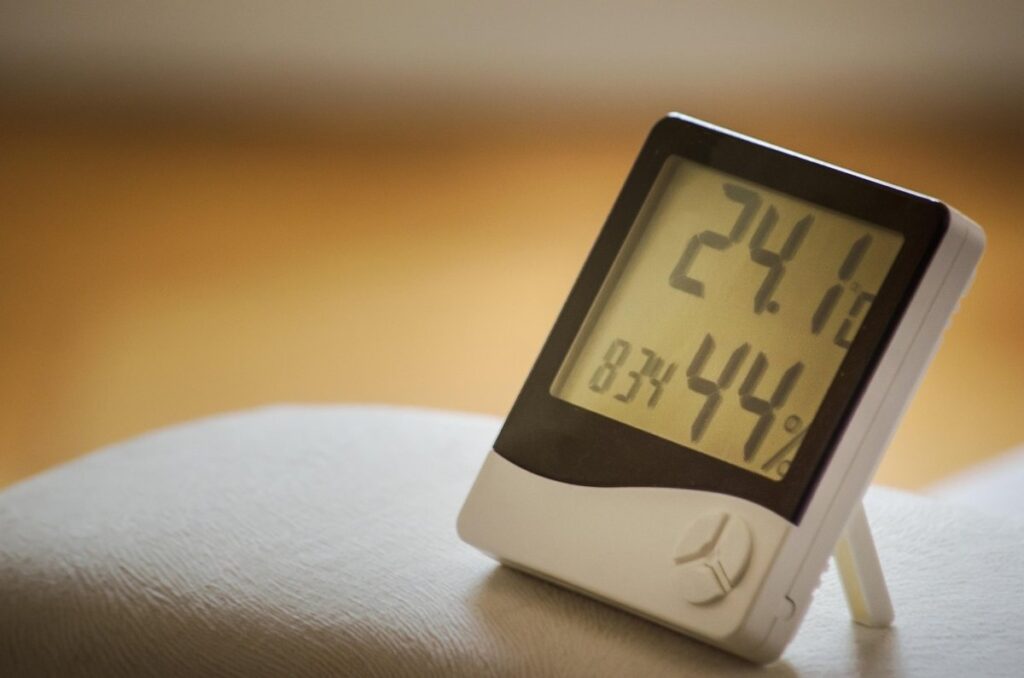
When selecting a hygrometer for your collection, consider the specific needs of your items. Digital hygrometers are popular due to their accuracy and ease of use – many models display readings on an LCD screen and can be set to alarm when humidity levels deviate from the desired range. However, some may find digital displays distracting or prefer a more traditional analog reading.
Analog hygrometers offer a simpler design but often require manual calibration and may not provide as precise measurements as digital options. Wireless hygrometers are another consideration – they allow for remote monitoring via smartphone apps, which can be especially useful if you have multiple collections or storage areas to keep track of.
To choose the right hygrometer for your needs, consider the following factors:
- Accuracy: Look for a hygrometer with an accuracy rating of ±1-2% relative humidity (RH).
- Range: Ensure the hygrometer can measure the specific RH range required for your collection.
- Ease of use: Consider whether you prefer digital or analog readings and whether wireless monitoring is essential.
Tools for Measuring Light Exposure
When measuring light exposure, you’ll want to use tools that can accurately quantify and characterize the light spectrum. Lux meters are a common choice for assessing overall lighting levels, but they may not provide detailed information about the specific wavelengths of light impacting your collection. For this reason, spectroradiometers are often preferred. These instruments measure the spectral power distribution (SPD) of light, allowing you to pinpoint potential damage-causing frequencies.
Light sensors can also be useful for monitoring light exposure over time. Some models track ambient light levels continuously, while others provide readings on demand. To determine optimal lighting conditions for your collection, it’s essential to consider both the intensity and spectral content of light. Measure the lux levels in areas where the collection will be displayed or stored. Next, use a spectroradiometer to analyze the SPD of the lighting source.
Some key factors to keep in mind when selecting tools for measuring light exposure include:
- Accuracy: Choose instruments with high accuracy ratings (typically ±2-5%).
- Sensitivity range: Select devices that can measure a wide range of light intensities.
- Spectral resolution: Opt for spectroradiometers with high spectral resolution (e.g., 1nm) to capture detailed SPD data.
- Data logging capabilities: Consider instruments that allow you to record and track light exposure over time.
Implementing Humidity and Light Control Solutions
When it comes to implementing effective humidity and light control solutions, understanding the nuances of each system is crucial for long-term preservation. We’ll examine the key considerations for integrating these systems in this collection environment.
Designing a Climate-Controlled Environment
When designing a climate-controlled storage facility or display area, several key factors come into play to maintain optimal humidity and light levels. Insulation is crucial in preventing moisture from entering the space, which can lead to mold growth and damage to collection items. This often involves sealing gaps around doors and windows, as well as using materials with high thermal mass to regulate temperature fluctuations.
Air conditioning and dehumidification systems are also essential components of a climate-controlled environment. Dehumidifiers help remove excess moisture from the air, which is particularly important in humid climates or during periods of high humidity. Conversely, air conditioning units can be used to lower temperatures and prevent overheating, which can accelerate degradation processes.
In addition to these mechanical systems, careful consideration should also be given to the layout and design of the storage area itself. This includes factors such as window placement, flooring materials, and shelving configurations that minimize exposure to direct sunlight and promote air circulation. By carefully balancing these elements, you can create an environment that effectively maintains optimal humidity and light levels for your collection.
Retrofitting Existing Spaces for Improved Humidity and Light Control
When retrofitting existing spaces to improve humidity and light control, it’s essential to focus on specific solutions tailored to the collection’s needs. One effective approach is to incorporate UV-filtering glazing into existing windows or skylights. This can be achieved by installing specialized film or glass that blocks up to 99% of UV radiation, preventing photodegradation and damage to sensitive materials.
In addition to glazing, consider installing dehumidifiers or humidistats to regulate humidity levels within the space. Dehumidifiers remove excess moisture from the air, while humidistats monitor and adjust relative humidity (RH) levels according to set parameters. For example, a humidistat can be programmed to maintain an RH range of 40-50% for optimal preservation.
For display cases, consider creating a climate-controlled environment within the existing enclosure. This can involve installing heating and cooling units, as well as precise control systems that monitor temperature and humidity levels in real-time. By implementing these retrofitted solutions, you can significantly improve the preservation conditions for your collection, even in spaces with limited design flexibility.
Case Studies and Best Practices
Effective humidity and light control strategies can be gleaned from real-world examples, where institutions have successfully preserved their collections by implementing best practices. We’ll explore several case studies in this section.
Successful Preservation Projects Using Humidity and Light Control Solutions
Successful preservation projects have demonstrated the effectiveness of humidity and light control solutions in protecting collections. The Smithsonian’s National Air and Space Museum, for instance, implemented a climate-controlled storage facility to preserve its vast collection of artifacts. By maintaining optimal relative humidity levels between 30-50% and limiting direct sunlight exposure, the museum has been able to slow down the aging process of sensitive materials.
Similarly, the Getty Conservation Institute worked with the Los Angeles County Museum of Art (LACMA) to develop a customized climate-control system for its collection storage areas. This included installing state-of-the-art humidification and dehumidification systems, as well as carefully designed lighting fixtures that minimize light exposure. The results have been impressive, with significant reductions in damage from moisture and UV radiation.
When planning or upgrading your own humidity and light control solutions, consider the specific needs of your collection. Assess the materials’ sensitivity to humidity and light levels, and consult with experts if necessary. By applying lessons learned from successful preservation projects like these, you can ensure that your collections remain safe and stable for generations to come.
Common Challenges and Solutions in Humidity and Light Control
Collectors and institutions often face budget constraints when implementing humidity and light control solutions. Limited space is another common challenge, particularly for those working with large or valuable collections. These obstacles can be overcome by prioritizing and reprioritizing, re-examining existing resources to allocate them towards preservation efforts.
Retrofitting existing spaces with new climate-control systems or LED lighting options can also help make the most of available space. In some cases, repurposing existing infrastructure can even reduce costs associated with renovation. For instance, incorporating passive humidity control methods like dehumidifying materials or moisture-absorbing products into existing storage solutions can be a cost-effective alternative to installing new systems.
It’s essential to weigh long-term preservation benefits against short-term expenses and consider the potential impact of delayed maintenance on collection integrity. Investing in climate-control technologies may require upfront costs, but it can also protect valuable items from damage and extend their lifespan.
Frequently Asked Questions
Can I use a single humidity-controlled environment for multiple types of collections?
Yes, it’s possible to use a single climate-controlled space for multiple collection materials, but it requires careful consideration of the specific needs and sensitivities of each material. For example, paper-based materials typically require a lower RH range than textiles. To ensure optimal preservation, you may need to implement separate storage areas or zones within the same environment.
How do I measure light exposure in a space with limited direct sunlight?
You can use a lux meter or spectroradiometer to measure the total amount of light entering the space, including indirect and reflected light. These tools will help you determine if your collection is being exposed to excessive light levels, even in spaces without direct sunlight.
What if I’m on a tight budget – are there affordable options for humidity control?
Yes, there are many cost-effective solutions for controlling humidity levels, such as using dehumidifiers or humidistats with a thermostat. These devices can be installed in existing storage areas or display cases to help maintain optimal RH levels without breaking the bank.
Can I use a hygrometer that measures temperature as well?
Many digital hygrometers come equipped with both temperature and humidity sensors, making them a convenient choice for monitoring environmental conditions. However, keep in mind that accurate temperature measurement is crucial when controlling humidity levels, so be sure to select a device with high accuracy ratings.
How often should I check the humidity and light levels in my collection storage area?
Regular monitoring of your collection’s environment is essential to ensure optimal preservation. We recommend checking humidity and light levels at least weekly, or more frequently if you notice any fluctuations or issues with your collection.