
Leaf identification can be a daunting task, especially for those just starting out. You may find yourself staring at a tree in your backyard, wondering if that peculiar leaf belongs to an oak or a maple. Accurate leaf identification is essential not only for nature enthusiasts but also for gardeners and outdoor enthusiasts who want to understand the characteristics of different plant species. In this comprehensive guide, we’ll walk you through key characteristics, tools, and advanced techniques for identifying leaves like a pro. From understanding leaf shape and size to using online resources and field guides, we’ll cover everything you need to know to become proficient in leaf identification. By the end of this article, you’ll be able to confidently identify leaves and expand your knowledge of the plant world.
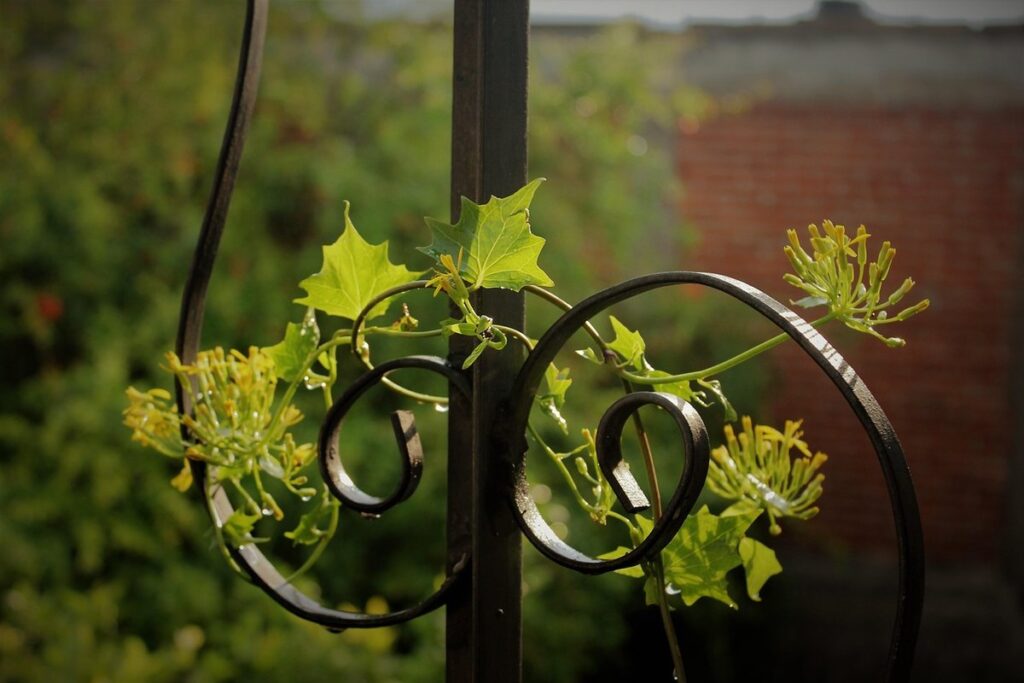
Understanding the Basics of Leaf Identification
Let’s start with the foundation: understanding the basic characteristics that make a leaf identifiable, including shape and arrangement. These key features are crucial for beginners to grasp.
What is Leaf Identification?
Leaf identification is a fundamental concept in botany and ecology that involves recognizing and classifying plant leaves based on their unique characteristics. This skill is essential for various fields, including conservation, horticulture, and environmental science. By understanding the intricacies of leaf morphology, researchers and enthusiasts can identify plant species, track changes in ecosystems, and monitor the impact of climate change.
Leaf identification is not just a matter of recognizing leaves visually; it also involves understanding their functional roles within the plant. For instance, leaves are responsible for photosynthesis, which occurs through specialized cells called chloroplasts. The shape, size, texture, and color of leaves can provide clues about the plant’s evolutionary history, its adaptations to environmental conditions, and its ecological role.
In conservation efforts, accurate leaf identification is crucial for tracking invasive species, identifying endangered plants, and understanding the impact of human activities on ecosystems. Moreover, in horticulture, leaf identification helps gardeners and nursery professionals select suitable plants for different climates and soil types. By developing this skill, beginners can appreciate the diversity of plant life, contribute to scientific research, and enhance their connection with nature.
Key Characteristics of Leaves
When identifying leaves, botanists look for a combination of characteristics that can be used to distinguish one species from another. The shape of a leaf is a key factor, with common shapes including oval or elliptical, lanceolate or lance-leafed, and cordate or heart-shaped. Leaf size is also important, as some species have small leaves while others have large ones.
In addition to shape and size, the color of a leaf can be an identifying feature. Some leaves are green on top and white or pale underneath, a phenomenon known as variegation. Others may have bright colors like red or purple, which can indicate toxicity in some species. The margin of a leaf refers to its edge, with shapes including entire (smooth), serrated (notched), and lobed (deeply notched).
Venation patterns are another essential feature of leaves. These are the lines or patterns that appear on the underside of the leaf as it grows from the stem. Some leaves have parallel venation, where the veins run parallel to each other, while others have netted or reticulate venation, with a network of veins crossing over one another. Understanding these characteristics can help you narrow down the possibilities when trying to identify an unknown leaf.
Tools and Resources for Leaf Identification
Field guides are an essential tool for beginners, providing a comprehensive overview of leaf morphology and taxonomy. The most widely used field guide is probably “Newcomb’s Wildflower Guide,” but there are many others that focus specifically on trees or regional flora. When selecting a field guide, consider the region you’ll be working in and the types of plants that are native to it.
Online databases such as PlantNET and Tropicos offer access to vast libraries of plant images and descriptions. These resources can be particularly useful for identifying rare or exotic species. However, keep in mind that online identification tools are only as good as their underlying data, so it’s essential to verify any identifications with multiple sources.
Mobile apps like Leafsnap and PlantSnap use AI-powered image recognition to help identify leaves. These apps often include large databases of plant images and can be used in conjunction with a field guide or online database for more accurate identification. When using mobile apps, make sure you have a clear photo of the leaf and follow any instructions provided by the app for optimal results.
Familiarizing Yourself with Common Leaf Shapes
As we start identifying leaves, it’s essential to become familiar with their various shapes, from simple oval forms to more complex lobed and divided patterns. We’ll explore these common leaf shapes next.
Oval or Elliptical Leaves
Oval-shaped leaves are one of the most common leaf shapes you’ll encounter when learning about plant identification. They’re characterized by a symmetrical, egg-like shape with two distinct ends, often resembling an oval or a football. To recognize oval leaves, look for their rounded tips and tapering bases. Many plant species have oval-shaped leaves, including deciduous trees like oaks and maples.
When observing oval leaves in the field, note the leaf’s length and width ratio. Oval leaves tend to be longer than they are wide, although some species may exhibit a more elliptical shape where the length and width are closer together. The margins of oval leaves can vary from smooth to deeply serrated, depending on the plant species.
Some common plants with oval or elliptical leaves include boxwood, holly, and certain varieties of magnolia. In garden settings, identifying oval-shaped leaves can be helpful when trying to determine the type of shrub or tree you’re looking at. By paying attention to these distinctive features, you’ll become more confident in your ability to identify oval-shaped leaves in various plant species.
Lanceolate or Lance-Leafed Plants
Lanceolate leaves are characterized by their narrow shape and pointed tips. This distinctive feature can be a key identifier when trying to distinguish between different plant species. The lanceolate leaf shape is often compared to a spearhead or a triangle, with the base of the leaf being wider than the tip. When observing lanceolate leaves, note that they typically have a single midrib that runs down the center of the leaf.
One way to recognize lanceolate leaves is by their arrangement on the stem. Often, these leaves are alternate, meaning they grow one after another in an alternating pattern along the length of the stem. This can be an important feature to consider when trying to identify a plant species.
When examining lanceolate leaves under magnification, you may notice that the edges of the leaf are smooth or have small teeth-like structures. These details can provide additional clues about the identity of the plant. By paying attention to these characteristics and features, you’ll become more confident in your ability to recognize lanceolate or lance-leafed plants in the field or when examining specimens under a microscope.
Cordate or Heart-Shaped Leaves
Cordate leaves have a distinctive heart-shaped base and are often found on plants with deciduous growth habits. This unique shape is typically symmetrical around the petiole, forming a teardrop or shield-like appearance. The cordate shape can vary from being quite pronounced to almost imperceptible.
Some common examples of plants that exhibit cordate leaves include the Japanese Maple (Acer palmatum) and the Ash tree (Fraxinus excelsior). These trees often have heart-shaped leaves with pointed tips and serrated margins, making them easily recognizable. Other notable plants featuring cordate leaves are certain species within the Peony (Paeonia spp.) and Hydrangea families.
To identify cordate leaves, look for the distinctive shape and symmetry around the petiole. Note whether the leaf edges are smooth or serrated, as this can be a useful distinguishing feature. The size of the leaf can also provide clues; larger leaves often exhibit more pronounced heart shapes than smaller ones. By paying attention to these characteristics, you’ll become more familiar with the appearance of cordate leaves and improve your overall leaf identification skills.
Identifying Leaf Arrangement and Venation Patterns
When examining a leaf, its arrangement of veins and shape can provide valuable clues for identification. Let’s break down how to identify these patterns in more detail.
Opposite Leaf Arrangement
When two or more leaves grow directly across from each other on the same stem, it is classified as an opposite leaf arrangement. This distinctive pattern can often be seen in plants with paired leaves, such as mint and basil. To identify an opposite leaf arrangement, look for leaves that are situated at a 90-degree angle to one another.
In many cases, opposite leaves will have identical shapes, sizes, and venation patterns. For example, two opposite oval-shaped leaves on the same stem may mirror each other perfectly in terms of their overall shape and size. However, it’s worth noting that not all opposite leaf arrangements are symmetrical – some plants may exhibit a slight variation in leaf size or shape.
When examining a plant with an opposite leaf arrangement, pay attention to the presence of stipules at the base of the petiole (leaf stem). Stipules can sometimes be difficult to see, but they play a crucial role in supporting the leaf and helping it grow. In the case of opposite leaves, you may notice two stipules on either side of the petiole, providing support for each individual leaf.
To make identification easier, observe how the leaves are attached to the stem. Opposite leaves often have short stalks or stems that connect them directly to the main plant axis.
Alternate Leaf Arrangement
In alternate leaf arrangement, leaves grow in an alternating pattern along the stem. This means that each pair of leaves is separated by a node, and the next leaf will be on the opposite side of the stem from its predecessor. To identify an alternate leaf arrangement, look for pairs of leaves with the same shape and size, but positioned on either side of the stem.
When examining a plant with alternate leaf arrangement, notice how the leaves are spaced along the stem. They typically occur at intervals, often leaving one or more nodes between each pair of leaves. This pattern can be found in many plant families, including those that produce flowers, fruits, and seeds.
A common example of an alternate leaf arrangement is found in the oak tree (Quercus spp.). The lobed leaves of the oak tree grow alternately along the stem, with each leaf separated by a distinct node. By recognizing this pattern, you can quickly identify plants as having an alternate leaf arrangement.
Palmate Leaf Arrangement
Palmate leaves have a distinctive fan-shaped arrangement, with multiple leaflets attached at a common point. This arrangement is often found in trees and shrubs, particularly in the families of Acer (maples) and Cercidiphyllum (katsura). The palmate shape can vary in size, with some species having very large leaves and others having much smaller ones.
To identify palmate leaves, look for the distinctive pattern of leaflets radiating from a central point. Some species have leaflets that are deeply lobed or cleft, while others may have more rounded tips. The number of leaflets can also be an important characteristic, as some species have very few (such as the sycamore) and others have many.
In terms of habitat, palmate leaves are often found on trees and shrubs that prefer well-drained soils and partial shade to full sun. These plants may thrive in a variety of environments, from woodlands to backyards. When examining palmate leaves, consider not only the shape but also any other distinguishing features, such as color or texture.
Identifying Stipules and Petioles
When examining a leaf, it’s essential to identify two distinct parts: the stipule, which connects the petiole to the stem, and the petiole itself. Let’s take a closer look at how to spot these crucial features.
What are Stipules?
Stipules are small, leaf-like structures found at the base of a leaf petiole. They serve several purposes, including protecting the petiole from herbivores and providing additional support to the leaf. You can identify stipules by looking for small, scale-like or thread-like structures attached to the stem just below where the leaf meets it.
Not all plants have stipules; in fact, they’re relatively rare in monocots like grasses and lilies. However, many dicot species do produce them. When identifying stipules, consider their size, shape, color, and arrangement on the plant. Some stipules are tiny and easily overlooked, while others may be larger or more prominent.
When examining a plant for stipules, pay attention to the base of each leaf petiole. Look for any small, appendage-like structures that might indicate the presence of stipules. Keep in mind that some plants have vestigial stipules – tiny, rudimentary structures that may not be functional but are still visible.
In general, stipules can provide valuable information about a plant’s evolutionary history and its relationships to other species within the same family or order.
Understanding Petioles
Petioles are the stalks that attach leaves to their stems. They play a crucial role in leaf identification and can provide valuable clues about a plant’s identity. To begin with, observe the length of the petiole. Some plants have very short petioles, often barely visible, while others may have long, slender stalks that support large leaves.
Look for any notable features on the petiole itself, such as hairs or ridges. These characteristics can be just as distinctive as those found on the leaf blade. For example, some species of succulents have fleshy petioles that store water, while others may have hairy or prickly stalks.
The arrangement of leaves in relation to their petioles is also important. Do the leaves arise from the stem at a right angle, or do they curve upwards or downwards? This can give you clues about the plant’s growth habits and environment. In some cases, the shape and length of the petiole can even indicate whether a plant is native to a particular region.
When examining petioles, remember that small differences can be just as significant as larger ones.
Advanced Leaf Identification Techniques
Now that you’ve mastered basic leaf identification, it’s time to take your skills to the next level with advanced techniques for precise and confident leaf recognition. We’ll explore these expert-level methods together.
Using Microscopy for Leaf Analysis
When examining leaves under a microscope, you can observe cell structure and tissue patterns. This level of detail helps distinguish between plant species and identify characteristics such as stomata distribution, cuticle thickness, and epidermal cell shape. To begin, choose a compound microscope with a magnification range of 40x to 1000x. Place the leaf sample on the stage, ensuring it’s centered and securely fixed.
Use a low-magnification lens (40x or 63x) to get an overview of the leaf structure before zooming in on specific areas. This initial examination can help you identify general features like stomatal density, trichome presence, and epidermal cell arrangement. For more detailed analysis, switch to higher magnifications (400x or 1000x) to observe cellular details like chloroplast shape, vacuole size, and cell wall thickness.
Some key features to look for under the microscope include:
- Stomatal distribution: Are they randomly scattered or arranged in specific patterns?
- Cuticle thickness: Is it thin and translucent or thick and waxy?
- Epidermal cell shape: Are they rectangular, rounded, or irregular?
By observing these characteristics, you can gather valuable information about the leaf’s anatomy and use this data to narrow down potential plant species.
Chemical Tests for Leaf Identification
Chemical tests for leaf identification involve using specialized reagents to detect specific compounds or features on a leaf’s surface. This technique is useful when trying to distinguish between similar-looking species, particularly when other characteristics are inconclusive. Common reagents used in chemical testing include iodine and sodium hydroxide (NaOH), which can reveal the presence of starch or cellulose.
When using chemical tests, it’s essential to follow proper protocol to avoid contamination or incorrect results. For example, if you’re testing for starch with iodine, apply a small amount of the reagent to a discrete area of the leaf and observe the reaction without over-saturating the surface. This helps prevent the reagent from spreading and interfering with other tests.
Some common applications of chemical testing include:
- Detecting the presence of resin or gum in certain plant species
- Identifying the type of leaf cell structure (e.g., parenchyma, collenchyma)
- Revealing the distribution of specific compounds, such as alkaloids or terpenes
When interpreting results from chemical tests, consider the context and any other relevant information about the specimen. This may involve consulting field guides or seeking guidance from an expert in leaf identification.
Putting It All Together: Practicing Leaf Identification Skills
Now that you’ve learned how to identify key leaf characteristics, it’s time to put your new skills into practice by trying out what you’ve learned on real leaves.
Tips for Accurate Leaf Identification
To develop accurate leaf identification skills, focus on observing and recording characteristics with precision. Begin by studying a single leaf under magnification, noting the shape, size, color, and texture. Next, observe the leaf’s arrangement on the stem, including whether it is opposite, alternate, or whorled. Record the venation pattern, paying attention to the arrangement of veins, especially near the base of the leaf.
When recording characteristics, use a consistent format to ensure accuracy. Create a checklist with key features such as shape, size, margin type (e.g., entire, serrated), and stipules presence. When possible, include photographs or drawings of the leaves for future reference. Be mindful of the environment in which you collect specimens, noting any unusual conditions that may affect leaf appearance.
For best results, practice observing and recording multiple leaves from different species. Compare your observations with images or descriptions from field guides to solidify your understanding.
Best Practices for Fieldwork and Collection
When collecting plant specimens for leaf identification, it’s crucial to follow best practices for fieldwork and collection. First and foremost, ensure you have the necessary permissions and follow local regulations regarding plant collection. This may involve obtaining permits or consulting with park rangers or other authorities.
When selecting plants, look for those with leaves that are in good condition, free from damage or disease. Avoid collecting rare or endangered species, as this can harm ecosystems and even lead to legal consequences. When handling plants, be gentle to avoid damaging leaves or disturbing the surrounding environment.
For accurate documentation, take clear photos of the plant’s leaves, including any notable features such as shape, size, color, and venation patterns. Make note of the location, time of year, and weather conditions. Consider using a plant press or airtight containers to store collected specimens for later examination.
When transporting plants, ensure they are securely packaged to prevent damage during transit. Keep in mind that some plants may be sensitive to light, temperature, or humidity changes, so take necessary precautions to maintain their condition. By following these best practices, you’ll be well-equipped to collect and document plant specimens for accurate leaf identification.
Frequently Asked Questions
What if I’m still unsure about identifying leaves even after practicing with the guide?
Yes, it’s normal to feel uncertain when learning a new skill like leaf identification. The key is to continue practicing and consulting multiple resources, including field guides, online databases, and expert opinions. Don’t be afraid to ask for help or seek guidance from experienced botanists or naturalists.
Can I use the same techniques for identifying leaves in different climates and regions?
While some leaf characteristics are universal, others may vary depending on climate, region, and even time of year. Be aware that adaptations to local conditions can alter leaf morphology, making it essential to familiarize yourself with regional plant species and their unique features.
How do I know if a leaf is actually from the plant I think it is?
Verify your identification by consulting multiple sources, including field guides, online databases, and expert opinions. Pay attention to minor details like stipule shape or petiole length, which can be critical in distinguishing between similar species. Also, consider taking photos of the plant for further reference.
What if I don’t have access to a microscope for advanced leaf analysis?
While microscopy is an essential tool for some advanced techniques, it’s not always necessary. You can still learn about leaf anatomy and cell structure through online resources or by consulting with experts. Additionally, many field guides and online databases provide detailed descriptions of leaf features that can be observed with the naked eye.
Can I use chemical tests for leaf identification in the field?
Yes, but exercise caution when working with reagents, as they can be hazardous to your health and the environment. Familiarize yourself with proper handling and disposal procedures before using any chemicals in the field. Also, consider consulting with experts or following established protocols to ensure accurate results.
How do I record and organize my observations for future reference?
Develop a systematic approach to recording your observations, including sketches, photos, and written notes on key characteristics. Consider creating a digital database or spreadsheet to store your data, making it easier to review and compare different plant species over time.