
Japanese ceramics have long been revered for their beauty, craftsmanship, and cultural significance. However, with so many styles and techniques emerging over the centuries, it can be challenging to determine whether a piece is authentic or not. The marks left by kiln stamps, artist signatures, and other identifying features are crucial in establishing a ceramic’s origins and value. But what do these marks mean? Are you unsure about how to distinguish between regional characteristics and studio-specific styles? Do you want to become a more confident collector of Japanese ceramics? In this comprehensive guide, we’ll delve into the history, types, and regional characteristics of made in Japan ceramics marks, covering everything from kiln stamps and artist signatures to the subtle nuances that set different regions apart. By the end of this article, you’ll be able to identify authentic Japanese ceramics with ease.
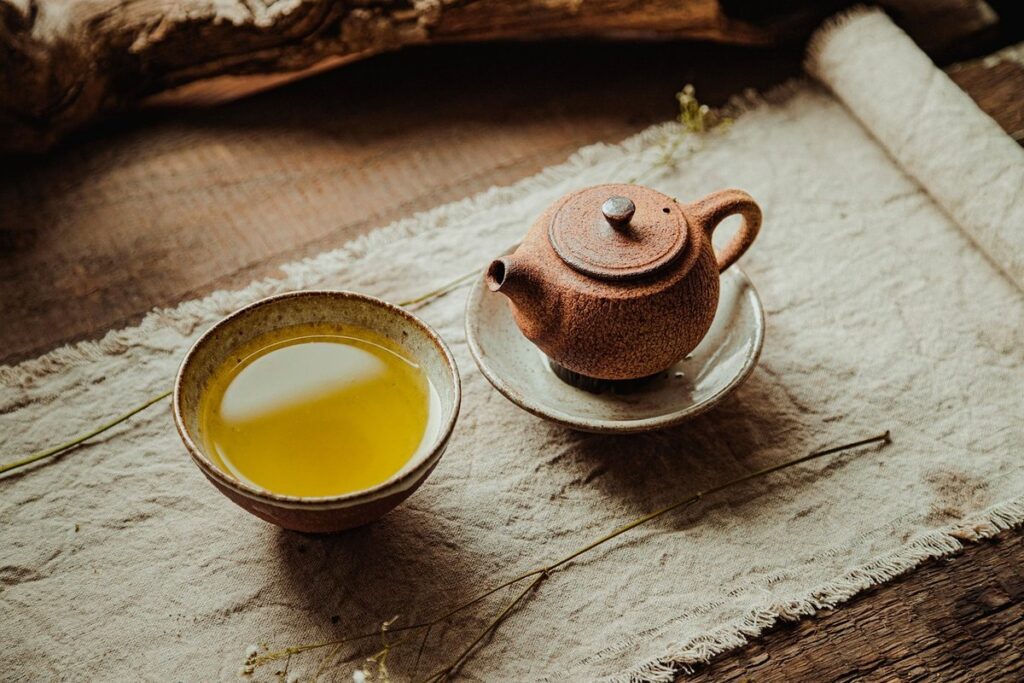
Understanding Japanese Ceramic Marks
Japanese ceramic marks can be a mystery, but learning their meanings is easier than you think. Let’s break down the key elements that make up these intricate marks.
History of Ceramic Marks in Japan
Ceramic marks have been an integral part of Japanese ceramics for centuries. The earliest recorded use of ceramic marks dates back to the 13th century during the Kamakura period, when kiln stamps began to appear on pottery and porcelain. These early marks typically consisted of simple symbols or characters that identified the kiln or studio.
Over time, ceramic marks evolved to reflect changes in technology, design, and regional influences. In the Edo period (1603-1867), ceramic marks became more sophisticated, featuring intricate designs and logos that signaled the quality and craftsmanship of the piece. The Meiji period (1868-1912) saw a significant increase in the use of ceramic marks, as Japanese potters began to adopt Western techniques and styles.
Today, ceramic marks can be found on ceramics from all periods and regions of Japan. Some marks are highly sought after by collectors due to their rarity or historical significance. When examining a piece with an unknown mark, it’s essential to consider the period and region in which it was made, as well as any other relevant factors that may influence its value or authenticity.
Types of Ceramic Marks Found on Japanese Pieces
Japanese ceramics often feature a variety of marks that provide valuable information about the piece’s origins and authenticity. Among these marks are kiln stamps, which are typically rectangular or square in shape and display the kiln’s name or logo. These stamps can be found on the base or underside of the ceramic, and their purpose is to identify the kiln where the piece was fired.
Artist’s signatures, on the other hand, are a more personal touch that often feature the artist’s name, initials, or sometimes a seal. These marks can vary greatly in style and complexity, depending on the artist’s preference. Some well-known Japanese ceramic artists, such as Bernard Leach and Shoji Hamada, have distinctive signature styles that collectors seek out.
Other identifying features include the “Hagi” mark, which indicates that the piece was made in the Hagi region of Japan known for its high-quality ceramics. The “Shino” mark is also common, signifying that the piece was made using a specific type of glaze developed in the Shino region. Collectors and researchers should be aware that some marks may be counterfeit or misattributed, so it’s essential to verify the authenticity of any Japanese ceramic before making a purchase.
Identifying Kiln Stamps and Their Significance
Kiln stamps are a crucial part of Japanese ceramics marks, providing valuable information about the kiln that produced the piece. Let’s take a closer look at how to identify them and what they reveal.
Understanding the Purpose of Kiln Stamps
Kiln stamps were a crucial part of Japanese ceramics production, serving as a means to identify the kiln where a piece was fired. By inspecting the kiln stamp, collectors and researchers can determine which kiln produced the ceramic, providing valuable information about its origins. Kiln stamps were used from the Edo period onwards, with many kilns adopting this practice as a way to ensure quality control and authenticity.
In the early days of Japanese ceramics production, kiln stamps helped distinguish between different regions and kilns, often featuring intricate designs or characters that reflected the kiln’s name or location. Over time, kiln stamps became more standardized, typically consisting of the kiln’s logo or initials. Some kilns even used multiple stamps to indicate the piece was made in a specific year or batch.
The importance of kiln stamps lies in their ability to verify a piece’s authenticity and origin. When examining a ceramic with a kiln stamp, it’s essential to research the kiln and its reputation to understand the piece’s value and provenance. This information can also help collectors identify potential forgeries or misattributed pieces, making kiln stamps an invaluable tool in the world of Japanese ceramics authentication.
Common Kiln Stamps Found on Japanese Ceramics
When examining Japanese ceramics, you’ll often come across kiln stamps, which serve as a mark of authenticity and origin. Some of the most common kiln stamps found on various types of Japanese ceramics include those from well-known kilns such as Tokoname, Bizen, and Hagi.
Tokoname’s distinctive stamp features a stylized kanji character for “water,” while Bizen’s mark often includes a stylized image of a dragonfly. Hagi, known for its delicate beauty, typically bears a simple yet elegant design featuring interlocking circles or squares. Other kilns, like Karatsu and Shigaraki, also have their unique stamps that can help identify the origin of a piece.
Some kiln stamps are more prominent than others, making them easier to spot on the ceramics. For instance, Tokoname’s stamp is often located near the base of the vessel, while Bizen’s mark may be positioned at the foot or along the rim. Being aware of these common kiln stamps can help you quickly identify the type of Japanese ceramic you’re examining and its potential value as a collector’s item.
When researching Japanese ceramics, it’s essential to study multiple sources and consult with experts in the field to gain a deeper understanding of these marks and their significance.
Deciphering Artist’s Signatures and Seals
Understanding an artist’s signature is crucial for authenticating a piece, and we’ll break down how to decipher these often subtle marks on Japanese ceramics. Look closely at the brushstrokes that reveal a craftsman’s identity.
Understanding the Role of Artist’s Signatures
Artist’s signatures and seals played a crucial role in identifying the creator of a piece in Japanese ceramics. By including their mark, an artist added personal authenticity to their work, much like a signature on a painting or a manuscript. The use of signatures was particularly prominent during the Edo period (1603-1867), when many ceramic artists began to sign their pieces with a unique seal or monogram.
These marks often featured complex designs that combined kanji characters and imagery. Some notable examples include the distinctive seals of renowned potters like Ogata Kenzan and Nonomura Ninsei. The presence of an artist’s signature not only added value to the piece but also served as a form of self-expression, reflecting the artist’s personality and creative vision.
When examining Japanese ceramics, look for these distinctive marks, which may be found on the base, foot ring, or even the inside of the vessel. Be cautious of reproductions or forgeries, where a fake signature might be added to increase the piece’s value. To verify authenticity, consult reputable sources, such as expert appraisers or museum records, and examine the mark in conjunction with other characteristics specific to that artist or region.
Examples of Famous Japanese Ceramic Artists and Their Marks
Notable Japanese ceramic artists have left their mark on the industry through unique styles and techniques. One such artist is Bernard Leach, a British-born potter who worked extensively in Japan during the 20th century. His distinctive mark features an interlocking ‘BL’ within a rectangle. Shoji Hamada, another influential artist, used a combination of English and Japanese characters to sign his work.
Ryosuke Sugita’s marks often feature intricate, hand-painted designs that reflect his background in Nihon-gariki, a traditional Japanese pottery style. The artist may also include a small seal or chop with his signature, adding an extra layer of authenticity to the piece. In contrast, Kenzan Hayashi’s marks are more minimalist, typically consisting of a single kanji character.
Each of these artists’ marks offers valuable insight into their creative process and techniques. When researching Japanese ceramics, it’s essential to familiarize yourself with the styles and signatures associated with prominent artists. This knowledge can help you identify the authenticity of a piece and provide context for its value.
Regional Markings and Characteristics
Let’s take a closer look at how regional markings can vary, with distinct characteristics that reflect local styles and influences found throughout Japan’s different regions. From Hokkaido to Okinawa, we’ll explore these unique features next.
Ceramics from Japan’s Major Regions
Ceramics from Japan’s Major Regions exhibit distinct characteristics and markings that reflect their local traditions. Hagi ware, originating from Yamaguchi Prefecture, is known for its soft, delicate glaze and subtle crackle pattern. The marks on Hagi pieces often feature a small, stylized character or a circular seal with the kanji for “Hagi” (). In contrast, Karatsu ware from Saga Prefecture boasts a more rustic appearance, with a thick, white salt glaze and often a crude, hand-painted mark featuring the characters “”.
Raku ware, originating from Kyoto, is characterized by its distinctive crackle pattern and bold, asymmetrical forms. Raku marks typically feature a small, incised character or a seal bearing the kanji for “Raku” (). When collecting ceramics from these regions, it’s essential to familiarize yourself with the typical markings and characteristics of each area. This will help you identify genuine pieces and avoid potential fakes. Pay attention to the glaze quality, form, and any notable marks or seals, as these can indicate the piece’s provenance and authenticity.
Examples of Regionally-Specific Marks and Techniques
Japanese ceramics production is often characterized by its regional diversity. The country’s major regions – Kyushu, Kansai, and Kanto – each possess distinct techniques and marks that reflect their unique cultural heritage. In the Kyushu region, for example, you’ll find ceramics marked with a distinctive red seal bearing the kanji character for “Kyushu.” These seals often feature intricate designs and patterns.
In contrast, ceramics from the Kansai region typically display a mark featuring the kanji characters for “Kansai” or a stylized image of Mount Fuji. The Kanto region is known for its use of bold, geometric patterns and marks featuring the kanji character for “Kanto.” When identifying regionally-specific marks, it’s essential to consider the period in which the piece was produced, as certain techniques and designs were more prevalent during specific time frames.
Some notable examples of regionally-specific marks include:
- A small, hand-painted kanji character indicating the potter’s name or workshop
- A raised seal featuring a stylized image of a local landmark or natural feature
- A bold, geometric pattern created using a combination of underglaze and glaze techniques
These marks not only reflect the region’s unique cultural identity but also provide valuable information about the piece’s provenance.
Advanced Identification Methods
When you’ve encountered a particularly tricky mark, understanding how to break it down and analyze its components can make all the difference. We’ll walk through some advanced techniques for decoding complex marks.
Scientific Analysis and Testing
Radiocarbon dating is a highly precise method used to determine the age of organic materials found on Japanese ceramics. This technique involves measuring the decay rate of radioactive carbon-14, which is present in all living organisms. By analyzing a sample’s remaining carbon-14 levels, scientists can estimate its age with remarkable accuracy.
Chemical testing is another advanced method employed to verify the authenticity of Japanese ceramics. This process typically involves analyzing the ceramic’s chemical composition using techniques such as X-ray fluorescence (XRF) or inductively coupled plasma mass spectrometry (ICP-MS). These methods help identify specific elements and their concentrations, which can be used to differentiate between genuine and forged pieces.
In some cases, researchers may also employ other specialized tests, including thermoluminescence dating and electron spin resonance. These techniques are particularly useful for analyzing ceramics that lack visible marks or stamps. By combining multiple testing methods, experts can build a comprehensive picture of a ceramic’s origins and authenticity. This is especially crucial when evaluating rare or high-value pieces.
The Role of Expert Appraisers in Authenticating Japanese Ceramics
Expert appraisers play a crucial role in authenticating Japanese ceramics and their marks. Their expertise is essential for verifying the legitimacy of a piece, which can be a complex process due to the varying quality and authenticity of marks found on Japanese ceramics. An expert appraiser’s extensive knowledge of ceramic production techniques, regional characteristics, and historical context enables them to identify potential red flags or inconsistencies that may indicate a mark or piece is forged.
To determine authenticity, an expert appraiser will typically examine the overall condition of the piece, including any signs of aging or wear. They will also study the kiln stamp, artist’s signature, and other marks for any anomalies or irregularities. Additionally, they will consider the rarity and demand for certain marks or techniques within specific regions.
In some cases, expert appraisers may use specialized equipment to analyze the ceramic material itself, such as X-ray fluorescence (XRF) testing to determine the presence of certain minerals or elements. By combining their knowledge with scientific analysis, expert appraisers can provide a confident assessment of a piece’s authenticity and help collectors and researchers avoid potential pitfalls when buying or researching Japanese ceramics.
Conclusion: Tips for Collectors and Researchers
Now that you’ve mastered identifying Japanese ceramic marks, here are some valuable tips to help collectors and researchers take their knowledge to the next level.
Best Practices for Collecting and Researching Japanese Ceramics
When collecting and researching Japanese ceramics, it’s essential to follow best practices that ensure authenticity and accuracy. Start by building relationships with reputable dealers, galleries, and auction houses specializing in Japanese ceramics. These experts often have extensive knowledge of various marks, kilns, and artists, making them invaluable resources for collectors.
Research institutions, such as museums and universities, also offer valuable information on Japanese ceramic history, techniques, and makers’ marks. Many institutions provide online collections, exhibitions, and publications that can aid in identification and authentication. For example, the Tokyo National Museum’s website features an extensive collection of Japanese ceramics with detailed descriptions and images.
In addition to these resources, networking with fellow collectors and experts is crucial for staying informed about new discoveries, techniques, and market trends. Attend workshops, seminars, and conferences focused on Japanese ceramics to learn from leading authorities in the field. Join online forums and social media groups dedicated to Japanese ceramics to share knowledge, ask questions, and engage with a community of enthusiasts.
When handling and examining ceramics, be aware of potential restoration or alteration attempts that can compromise authenticity. Inspect the piece carefully for signs of aging, firing patterns, and other characteristics unique to specific kilns or regions. When in doubt, consult with an expert appraiser who has extensive knowledge of Japanese ceramics and their marks.
Finally, prioritize documentation and record-keeping when collecting and researching Japanese ceramics. Keep detailed records of purchases, exhibitions, and conservation efforts, as well as photographs and notes on the piece’s condition and any notable features. This meticulous approach will help you build a comprehensive collection and provide valuable insights for future researchers.
Frequently Asked Questions
Can I use made in Japan ceramics marks to authenticate any ceramic piece?
Yes, kiln stamps and artist signatures can be used to verify the authenticity of Japanese ceramics, but it’s essential to understand their specific meanings and regional characteristics. This knowledge will help you accurately identify and date pieces.
How do I know when a kiln stamp is genuine vs. a reproduction or forgery?
A genuine kiln stamp typically has a distinct texture and material consistency that cannot be replicated by modern techniques. Be wary of stamps with blurry or irregular edges, as these may indicate a fake.
What if the mark on my Japanese ceramic doesn’t match any examples in the article? Should I still consider it authentic?
Even if your piece doesn’t fit into an established category, it’s not necessarily a reason to doubt its authenticity. Consider consulting with an expert appraiser or seeking additional research to better understand the specific characteristics of your piece.
Can made in Japan ceramics marks be used to determine the age of a ceramic piece?
Yes, kiln stamps and artist signatures can provide valuable information about a piece’s age. However, keep in mind that some marks may have been reused over time, so it’s essential to consider other factors when dating a piece.
How do I store and care for my Japanese ceramics collection to preserve the integrity of the made in Japan ceramics marks?
To maintain the condition of your pieces, store them away from direct sunlight, moisture, and extreme temperatures. Handle ceramics with clean hands, and avoid exposing them to chemicals or abrasive materials that could damage the marks.