
Nocturnal wildlife spotting can be a thrilling experience, but it requires patience, persistence, and knowledge. You’re likely aware that many species are active at night, and yet, they remain elusive to even the most seasoned naturalists. The key to successful nocturnal encounters lies in understanding the habits of these creatures and using the right techniques to locate them.
When venturing into the darkness, it’s essential to bring the right gear, such as high-powered binoculars or a spotting scope, and to choose locations that offer optimal viewing conditions. Location selection is crucial, as you’ll want to find areas with minimal light pollution and suitable habitats for the species you’re targeting. This article will cover expert tips and techniques for spotting nocturnal wildlife, including advanced tracking methods that can help minimize disturbance and maximize your nighttime encounters. By the end of this guide, you’ll be equipped with the knowledge to successfully track and observe these fascinating creatures under the cover of darkness.
Understanding Nocturnal Wildlife
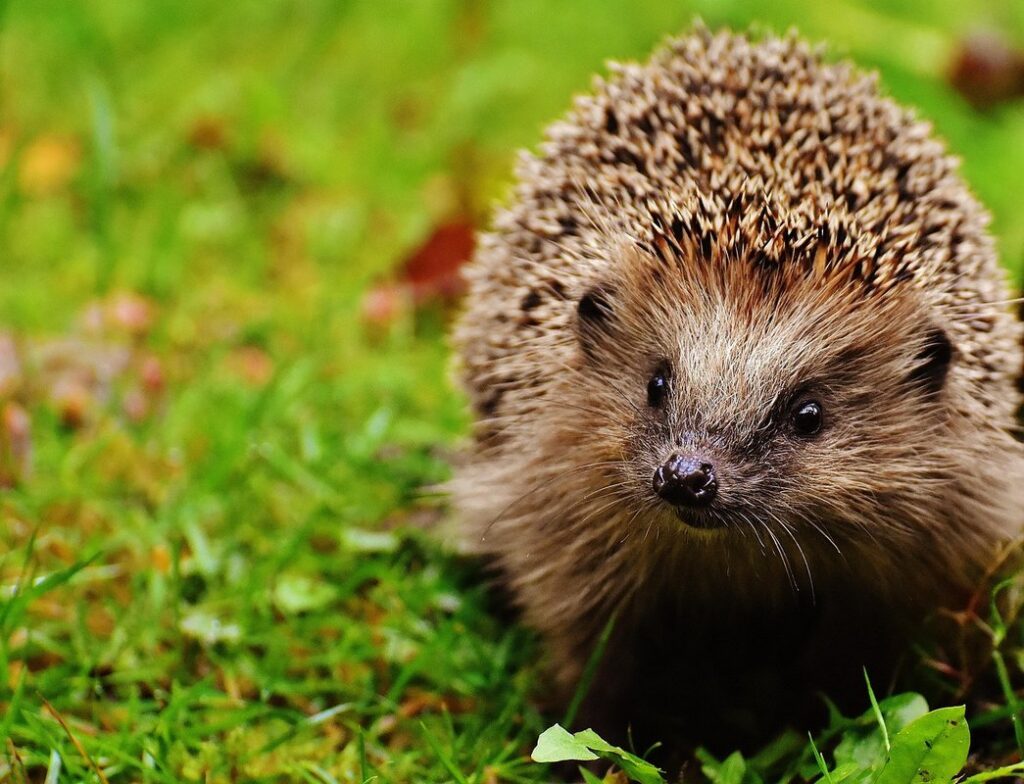
As we venture into the world of nocturnal wildlife, it’s essential to understand their unique habits and adaptations that allow them to thrive in the darkness. This section will explore the fascinating behaviors of creatures like owls, bats, and hedgehogs.
What is Nocturnal Behavior?
Animals exhibit nocturnal behavior when they’re most active at night, which is often the opposite of their diurnal counterparts. This isn’t just a matter of convenience; it’s largely determined by an animal’s internal circadian rhythm – its natural sleep-wake cycle. Circadian rhythms are controlled by an intricate system governed by light exposure, hormone regulation, and genetic predisposition.
In many nocturnal species, this means their eyes have adapted to low-light conditions, with sensitive retinas that can detect even the smallest amount of ambient illumination. The eyes may also have reflective layers or a tapetum lucidum, which helps to amplify available light and reduce glare. This enables them to see better in darkness than diurnal animals.
Some nocturnal animals engage in nighttime activity due to prey availability; for instance, owls and nightjars hunt under the cover of darkness when their preferred insect prey are most active. Others may avoid predators by being active at night, such as certain species of hedgehogs that roam freely while larger predators are less alert.
In general, nocturnal behavior offers a unique window into animal life, allowing us to observe creatures in situations they might not encounter during the day.
Identifying Nocturnal Species
To identify nocturnal species, you need to look for characteristics that indicate their ability to thrive in darkness. Nocturnal animals often have large eyes relative to their head size, which allows them to gather more light and see better in low-light conditions. You can also examine their ears and whiskers, as many nocturnal creatures have highly developed senses of hearing and touch.
Consider the habits of nocturnal species. They tend to be most active during twilight hours or at night, when other animals are dormant. Some species, like bats and hedgehogs, hibernate during the day but become more active in the evening. Other creatures, such as owls and nightjars, are solitary hunters that roam freely under cover of darkness.
Habitat is also a crucial factor in identifying nocturnal species. These animals often live in areas with minimal light pollution, such as forests or deserts. They may inhabit burrows, hollow trees, or other sheltered spots to protect themselves from predators and harsh weather conditions. By paying attention to these characteristics, habits, and habitats, you can increase your chances of spotting nocturnal species in the wild.
Preparing for a Nighttime Wildlife Adventure
Before you head out into the darkness, it’s essential to prepare your gear and body for the unique challenges of nighttime wildlife spotting. Make sure you’re equipped with the right equipment and knowledge.
Essential Gear for Nocturnal Spotting
For nocturnal wildlife spotting, you’ll need a combination of gear that enhances your visibility, helps you remain stealthy, and magnifies your viewing experience. A high-quality flashlight is essential, as it allows you to illuminate dark areas without disrupting the animals’ natural behavior. Consider investing in a red light flash or headlamp, which emits less blue light and won’t startle nocturnal creatures.
Binoculars are also crucial for spotting wildlife at a distance. Look for models with good low-light performance and image stabilization to ensure sharp views even when it’s dark. For longer-range viewing, consider a spotting scope or monocular with night vision capabilities.
To blend in with your surroundings, invest in camouflage gear such as face paint, gloves, and clothing. Choose muted colors that match the environment you’re observing in. Camouflage netting can also help conceal yourself while observing animals at close range.
When choosing equipment, consider factors like battery life, durability, and weight. Pack extra batteries and a backup light source to ensure you don’t get caught in the dark. A comfortable backpack or carrying case will also make it easier to transport your gear without making noise that might scare off wildlife.
Choosing the Right Location
When choosing a location for nocturnal wildlife spotting, consider proximity to animal habitats as a top priority. Look for areas with known populations of nocturnal species, such as forests, grasslands, or deserts. These ecosystems often provide the necessary shelter and food sources that attract nocturnal animals.
Minimal light pollution is also crucial for successful nocturnal spotting. Avoid areas near cities, towns, or developed regions where artificial lighting can disrupt animal behavior and make them more difficult to spot. Opt instead for remote locations with minimal human activity and natural darkness.
Additionally, consider the terrain and vegetation of your chosen location. Areas with dense foliage or rocky outcroppings can provide ideal hiding spots for nocturnal animals, while open spaces may be better suited for spotting larger species like owls or deer. Be mindful of protected areas, such as national parks or wildlife reserves, which often have restricted access at night.
When researching potential locations, consult local guides, park rangers, or online resources to gather information on the best spots and times for nocturnal wildlife viewing in your area.
Techniques for Successful Nocturnal Spotting
To increase your chances of spotting nocturnal creatures, it’s essential to understand how to use various techniques, such as patience and stealth. Effective application of these methods can greatly enhance your experience.
Moving Quietly and Unobtrusively
Moving quietly and unobtrusively through the environment is crucial when attempting to spot nocturnal wildlife. Animals have a keen sense of hearing and smell, making it essential to minimize noise and disturbance. When choosing footwear, opt for shoes with soft, flexible soles that won’t crunch leaves or snap twigs, such as hiking boots or trail running shoes. Avoid wearing anything too loud or obtrusive, like bright colors or jingling accessories.
When selecting clothing, consider the environment you’ll be in and dress accordingly. For example, wear earth-toned colors to blend in with your surroundings rather than standing out against them. A hood can help protect your face from bugs and wind while also reducing visibility. Additionally, wear layers that allow for easy removal if you get too warm or sweaty.
When moving through dense vegetation or brush, try to walk along game trails or paths to avoid disturbing animals unnecessarily. Keep your movements slow and deliberate, pausing frequently to scan the area with your eyes and ears. By being mindful of your surroundings and taking steps to minimize noise and disturbance, you’ll increase your chances of successfully spotting nocturnal wildlife.
Using Lights Effectively
When it comes to nocturnal spotting, using lights effectively is crucial for observing wildlife without disrupting them. Flashlights are a popular choice, but they can be too bright and disrupt an animal’s natural behavior. Red lights, on the other hand, are often preferred as they don’t affect an animal’s night vision like white light does.
A good red-light flashlight can help you spot nocturnal animals without disturbing them. Look for one with adjustable brightness settings to suit your environment. Some flashlights also come with a beam focus feature that allows you to adjust the width of the beam, reducing glare and minimizing disturbance.
When using camera equipment for nighttime photography, consider investing in a camera with built-in infrared (IR) capabilities or a dedicated IR converter. These allow you to capture high-quality images without disrupting the animal’s night vision. Additionally, use a remote shutter release or the camera’s timer function to minimize noise and movement when taking photos.
It’s also worth considering headlamps or helmet-mounted lights that direct the light downward, reducing glare and minimizing disturbance to animals below. Experiment with different lighting options to find what works best for you and your specific nocturnal spotting needs.
Advanced Nocturnal Spotting Techniques
To take your nocturnal spotting skills to the next level, let’s explore advanced techniques for navigating dark environments and staying one step ahead of your quarry.
Tracking and Following Animals
Experienced wildlife spotters use a variety of tracking techniques to follow animal tracks at night. One key approach is to focus on the track’s characteristics, such as its size, shape, and pattern. By paying attention to these details, you can identify the type of animal that made the track and estimate its weight and movement patterns. For example, larger animals like deer or elk typically leave deeper, more defined tracks than smaller creatures like rabbits or squirrels.
When tracking at night, it’s essential to use a reliable light source, such as a red-light flashlight, which minimizes disruption to nocturnal animals’ sensitive eyesight. You should also move slowly and deliberately, trying not to disturb the surrounding environment. To follow a track effectively, divide it into sections and examine each one carefully, taking note of any changes in direction or pace.
In addition to visual observation, experienced trackers often use their sense of smell to gather more information about the animal’s identity and behavior. By paying attention to scat (animal droppings), urine marks, and other signs of activity, you can gain a better understanding of the animal’s habits and movements.
Camera Equipment for Nighttime Photography
When shooting nighttime photography, a specialized camera setup is crucial for capturing high-quality images. One essential piece of equipment is a remote shutter release, which allows you to take photos without physically touching the camera. This reduces noise and vibrations that can distort the image.
You’ll also want to look for cameras with low-light imaging capabilities, such as those with large sensors or specialized low-noise modes. Some cameras have built-in infrared or night vision capabilities, but these often require specific settings or accessories.
In addition to the camera itself, consider investing in a tripod and a sturdy head for smoother panning shots. A wide-angle lens can help capture more of the scene, while a telephoto lens allows for better low-light performance due to its smaller aperture.
Some popular software options for post-processing nighttime images include Adobe Lightroom’s noise reduction tools and Nik Collection’s HDR Efex Pro. These programs can enhance details in dark areas while minimizing digital artifacts. Experiment with different settings and plugins to find what works best for your specific camera setup and photography style.
Safety Considerations for Nocturnal Wildlife Spotting
When venturing into the night to spot nocturnal wildlife, it’s crucial to prioritize your safety and well-being alongside that of the animals you’re trying to observe. Be aware of potential hazards such as remote locations and wildlife encounters.
Avoiding Disturbance to Animals
When approaching or following nocturnal animals, it’s essential to avoid disturbing them. Nocturnal creatures have adapted to survive and thrive in low-light conditions, but they can be easily startled by human presence. This can lead to a range of negative consequences, including stress, injury, and even death.
To minimize the impact on nocturnal animals, move quietly and unobtrusively when approaching them. Avoid sudden movements or loud noises, as these can startle animals into fleeing or becoming aggressive. Instead, take your time and observe from a safe distance. If you must get closer, do so slowly and carefully, keeping an eye out for signs of stress or agitation.
When following nocturnal animals, keep a safe distance to avoid disrupting their natural behavior. This may mean using binoculars or a camera with a telephoto lens to observe without disturbing them. Remember that even if you’re not making direct contact, the presence of humans can still impact nocturnal animals’ behavior and habitat use.
To minimize your footprint, plan your spotting trips during periods when animals are most active, reducing the likelihood of disturbance. Be aware of local regulations and guidelines for interacting with wildlife, and always prioritize animal welfare over your own interests or desires to observe them.
Preparing for Emergency Situations
When venturing into the night with a camera or binoculars, it’s essential to be prepared for emergency situations. A well-stocked first aid kit is crucial, containing items such as bandages, antiseptic wipes, and pain relievers. Consider packing a basic medical guide or a portable defibrillator if you’re in an area with limited access to healthcare.
Communication devices are also vital in case of an emergency. Bring a fully charged cell phone and a portable charger to ensure you can call for help if needed. Consider investing in a two-way radio, especially when traveling in groups. This allows you to stay in touch and coordinate responses in low-light conditions.
In addition to medical supplies and communication devices, it’s also important to have a plan for navigating back to civilization. Carry a map or GPS device and know your surroundings well enough to avoid getting lost. Consider carrying a whistle or other signaling device in case of an emergency. Knowing what to do and having the right equipment can make all the difference when responding to an unexpected situation.
Conclusion: Maximizing Your Nocturnal Wildlife Spotting Experience
Now that you’ve honed your skills for spotting nocturnal wildlife, it’s time to think about how to make the most of each successful outing. Effective planning and preparation will maximize your experience.
Recap of Key Takeaways
To maximize your nocturnal wildlife spotting experience, it’s essential to revisit the key takeaways from our guide. One of the most critical aspects is understanding and identifying nocturnal species, which requires research and knowledge about their habits and habitats.
When preparing for a nighttime adventure, don’t overlook the importance of choosing the right location. This involves selecting areas with minimal light pollution and access to water sources that attract nocturnal animals.
Effective lighting is also crucial for spotting nocturnal creatures. We discussed using flashlights or red lights to avoid startling animals and preserve their natural behavior. Moving quietly and unobtrusively is equally important, as sudden movements can scare off even the most curious species.
Additionally, consider investing in camera equipment specifically designed for nighttime photography, such as infrared cameras or night vision scopes. These tools can greatly enhance your spotting experience and provide valuable insights into nocturnal animal behavior. By following these key takeaways, you’ll be well-prepared to embark on a successful nocturnal wildlife spotting adventure.
Encouragement to Get Out There
Getting out into nature at night can be a transformative experience. The darkness brings with it a sense of calm and quiet, allowing you to tune into the subtle sounds and movements of nocturnal creatures. As you venture further into the unknown, you’ll begin to appreciate the unique adaptations that have allowed these animals to thrive in the dark.
The thrill of spotting your first owl or hedgehog is just the beginning – with time and practice, you’ll start to notice the intricate patterns of behavior that reveal themselves after sunset. You might witness a family of raccoons foraging for food under the light of the moon, or observe a lone fox stalking its prey through the shadows.
Nocturnal wildlife spotting is about more than just observing animals – it’s an opportunity to connect with nature on a deeper level. By immersing yourself in this world, you’ll develop a greater appreciation for the intricate web of life that exists beyond the reaches of human activity. So why not take the leap and try nocturnal wildlife spotting for yourself? With patience and persistence, you’ll be rewarded with unforgettable experiences and a newfound respect for the natural world.
Frequently Asked Questions
Can I use my smartphone camera for nighttime photography?
Yes, many smartphones now come with advanced low-light imaging capabilities and can be used for nighttime photography. However, keep in mind that the best results will still require specialized equipment such as a tripod and remote shutter release to minimize camera shake.
How do I choose the right location when there are multiple options nearby?
When selecting a location for nocturnal wildlife spotting, consider factors such as proximity to animal habitats, minimal light pollution, and access to water sources. Research local parks or nature reserves that offer guided nighttime tours or have designated areas for stargazing and wildlife observation.
Can I use any type of flashlight for nocturnal spotting, or are there specific requirements?
Yes, it’s essential to use a red-light flashlight when approaching animals at night, as white light can disrupt their natural behavior. Choose a flashlight with adjustable brightness settings to avoid startling animals, and consider using a headlamp or handheld light with a red filter.
What if I encounter an injured animal during my nocturnal spotting excursion?
If you come across an injured animal, prioritize the animal’s safety by keeping a safe distance and avoiding direct contact. Look for signs of distress such as erratic behavior, difficulty walking, or visible wounds. If possible, use a camera to document the animal’s condition without disturbing it further.
How do I know if my efforts are successful in spotting nocturnal wildlife?
Success in nocturnal wildlife spotting can be subjective and depends on individual goals and expectations. Focus on enjoying the experience, learning about nocturnal behavior, and observing animals in their natural habitat. Even if you don’t spot a specific species, consider it a success if you witness any nocturnal activity or learn something new about the environment.