
Identifying frog and toad calls is an essential skill for anyone involved in conservation efforts, as it allows researchers to track populations, monitor habitats, and detect changes in ecosystems. But despite its importance, many people struggle to distinguish between the calls of different species. A single misidentification can lead to incorrect conclusions about a population’s health or distribution. In this guide, we’ll take you through the key characteristics and acoustic features that make each frog and toad call unique. We’ll cover the basics of sound production, frequency ranges, and song structures, as well as advanced techniques for analyzing and identifying complex calls. By the end of this article, you’ll be able to accurately identify frog and toad calls in the wild, a crucial skill for anyone working in conservation.
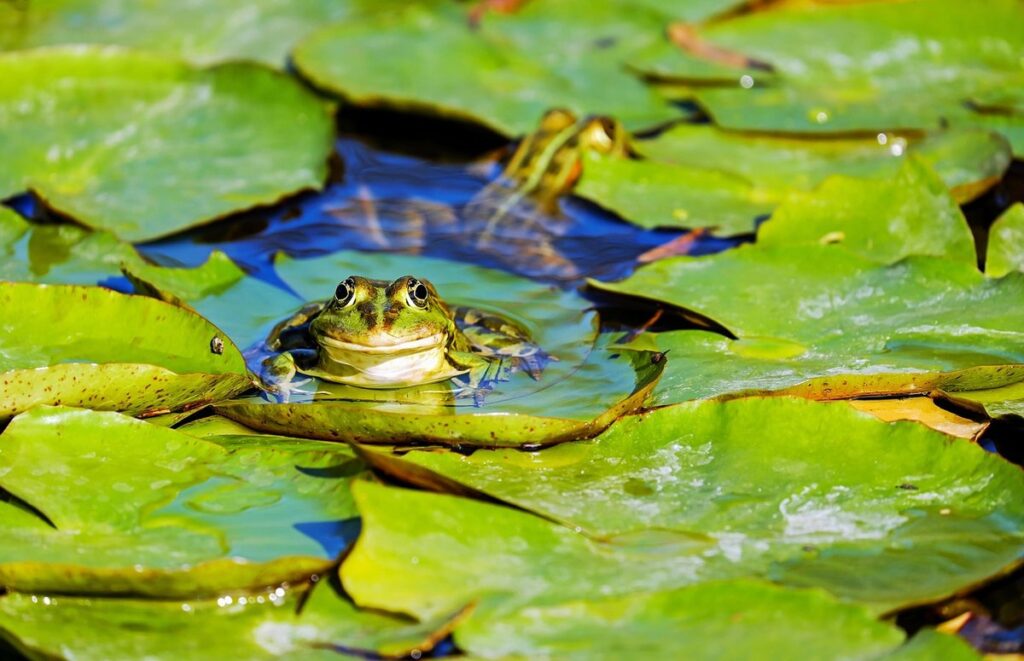
Understanding Frog and Toad Calls
To accurately identify a frog or toad, it’s essential to understand their unique vocalizations, which can vary greatly depending on the species. Let’s take a closer look at how these calls differ from one another.
What are the Key Characteristics of Amphibian Vocalizations?
Amphibian vocalizations serve a crucial purpose – they enable individuals to locate potential mates and warn off predators. To identify these calls accurately, it’s essential to understand their key characteristics.
Frog and toad calls typically exhibit repetitive patterns, often with a consistent rhythm or cadence. This repetition can be due to the animal’s need for efficient communication or its physical limitations in producing complex sounds. Some species, like the Pacific Chorus Frog, have a distinctive, musical quality to their calls, while others, such as the American Bullfrog, produce a more raspy, grunting sound.
In terms of variations, some amphibians are able to adjust their call patterns based on environmental factors or social context. For example, male frogs may change their song in response to the presence of a female or potential rival. Identifying these nuances can be challenging but is crucial for accurate identification and conservation efforts. By recognizing the unique characteristics of frog and toad calls, you’ll be better equipped to contribute to amphibian research and support conservation initiatives that rely on precise call identification.
Recognizing Different Call Types: Choruses and Solos
When identifying frog and toad calls, it’s essential to recognize the difference between choruses and solo calls. Chorusing is a behavior where multiple individuals produce their calls simultaneously, often at dawn or dusk when the environment is quietest. This type of calling serves as a form of communication and territorial marking, helping potential mates locate each other.
Some species, like the American bullfrog (Lithobates catesbeianus), are notorious for their loud, synchronized chorusing. These gatherings can be heard from great distances and often attract prey to the area. In contrast, solo calling occurs when an individual animal vocalizes on its own, without the accompaniment of other frogs or toads.
The wood frog (Rana sylvatica) is a notable example of a species that exhibits solo calling behavior. Its distinctive “quacking” call can be heard in early spring as males establish territories and attract females. Understanding these differences in call types will help you better identify the species responsible for specific calls in your area. By recognizing chorusing and solo behaviors, you’ll gain valuable insights into the social dynamics of local frog and toad populations.
Identifying Frogs and Toads Based on Their Calls
Now that we’ve explored how to recognize frog and toad calls, let’s take it a step further by learning how to identify specific species based on their unique vocalizations. We’ll break down some of the most common sounds you might hear in the wild.
Visual Cues: How Body Size and Coloration Relate to Call Characteristics
When identifying frogs and toads based on their calls, it’s essential to consider the relationship between an amphibian’s physical characteristics and its call patterns. For instance, larger species tend to produce deeper, more resonant calls, while smaller ones make higher-pitched sounds. This is because body size affects vocal cord length and muscle mass, which in turn influence sound frequency.
Coloration also plays a role in determining call characteristics. Some species have bright colors that signal aggression or territoriality, often accompanied by loud, sharp calls to deter competitors. Conversely, more subdued coloration may indicate a quieter, less aggressive nature, resulting in softer, more melodic calls.
Habitat can also influence call patterns. For example, frogs living in dense vegetation tend to produce higher-frequency calls that help them navigate through the undergrowth, while those in open areas make lower-pitched sounds to carry farther across the landscape. By taking these visual cues into account, you’ll be better equipped to narrow down the possible species and match their call patterns to specific characteristics.
Acoustic Features: Frequency, Pitch, and Rhythm in Frog and Toad Calls
When identifying frog and toad calls, it’s essential to consider their acoustic features. One key characteristic is frequency range, which varies significantly among species. For example, some frogs produce low-frequency calls (typically below 1 kHz), while others emit high-pitched sounds above 5 kHz. The American bullfrog, for instance, typically produces a deep call in the 0.2-1.8 kHz range.
Pitch is another critical aspect of frog and toad calls. While pitch can be subjective, most species exhibit distinct ranges that distinguish them from one another. Some species, like the Pacific chorus frog, produce high-pitched, repetitive notes, while others, such as the American green treefrog, emit a softer, more melodious song.
Rhythm also plays a significant role in distinguishing between different species. Calls can be fast-paced and repetitive (e.g., the spring peeper’s distinctive “peep-peep-peep”) or slower and more drawn out (e.g., the bullfrog’s low, throaty croaks). When listening to recordings of frog and toad calls, pay attention to both pitch and rhythm to gain a better understanding of each species’ unique characteristics.
Advanced Call Identification Techniques
To take your frog and toad call identification skills to the next level, we’ll explore advanced techniques for distinguishing between similar species. This includes analyzing frequency ranges, timing patterns, and other subtle variations.
Using Audio Recordings for Accurate Identification
When recording frog and toad calls for identification purposes, it’s essential to consider the environment and equipment used. Audio recordings can be affected by background noise, humidity, and temperature fluctuations. To minimize these impacts, record calls in areas with minimal human activity and away from water sources that may introduce echo or distortion.
Microphone choice also plays a crucial role. A directional microphone, such as a shotgun mic, is ideal for capturing clean and focused recordings. Alternatively, a lavalier mic can be used to capture more intimate sounds. When recording in the field, consider using a portable recorder with good low-light sensitivity and wind protection features.
Post-recording analysis involves checking for distortion, background noise, or other anomalies that may compromise call identification accuracy. Listen for clear, distinct calls amidst minimal background noise. If necessary, use audio editing software to boost or reduce specific frequencies to enhance call clarity. When analyzing recordings, consider the time of day and season when calls were recorded, as these factors can influence call patterns and characteristics.
Software and Apps for Call Identification: A Review of Available Tools
Several software programs and mobile apps have been developed to aid in amphibian call identification. Raven Lite is one such tool, which offers a user-friendly interface for visualizing spectrograms and analyzing acoustic features of calls. However, its steep learning curve may deter some users. Another option is Kaleidoscope, which provides more advanced analysis capabilities but requires a higher level of technical expertise.
For mobile devices, apps like iNaturalist and Sono allow users to record and identify amphibian calls using their smartphone’s microphone. These apps often rely on machine learning algorithms to match recorded calls with known species’ vocalizations. However, their accuracy can be compromised by background noise or poor recording quality.
In general, it is essential for users to familiarize themselves with the software or app they plan to use, as each has its unique features and limitations. For example, some programs may not support certain file formats or require specific hardware configurations. To get the most out of these tools, researchers and enthusiasts should consult user manuals, online tutorials, and community forums for guidance and troubleshooting advice.
Real-World Applications of Frog and Toad Call Identification
As you master the art of identifying frog and toad calls, it’s time to put your new skills into practice in real-world settings. You’ll discover how this knowledge can be applied to everything from conservation efforts to citizen science projects.
Conservation Efforts: How Accurate Identification Supports Amphibian Research
Accurate identification of frog and toad calls is crucial for conservation efforts. Researchers use these techniques to track populations, monitor habitats, and assess species’ responses to environmental changes. For instance, by analyzing call patterns, scientists can determine the extent to which a particular amphibian population has declined or increased over time.
This information allows researchers to identify areas where habitat destruction, pollution, or climate change may be having an impact on local ecosystems. By pinpointing these effects, conservationists can develop targeted strategies for protecting and restoring habitats. One example is the use of acoustic monitoring systems in protected areas, which help track changes in frog and toad populations over time.
In addition to population tracking, accurate call identification also enables researchers to study species’ responses to environmental changes. For instance, scientists have used call data to investigate how amphibian populations are affected by droughts or floods. By understanding these relationships, conservationists can make more informed decisions about how to manage ecosystems and protect vulnerable species.
Research has shown that frog and toad populations often serve as indicators of ecosystem health. Changes in their populations can signal broader environmental issues.
Citizen Science Initiatives: Engaging Communities in Amphibian Call Identification
Citizen science initiatives have revolutionized amphibian conservation by engaging communities in identifying frog and toad calls. One notable example is the iNaturalist platform, which enables users to record and identify species based on their calls. This crowdsourced approach has led to a significant increase in data collection, allowing researchers to better understand population dynamics and habitat requirements.
The FrogWatch USA program is another successful initiative that trains volunteers to monitor frog populations by recording their calls. Participants learn to distinguish between different species using a standardized protocol, contributing valuable data to conservation efforts. By engaging local communities, these initiatives not only promote biodiversity research but also foster environmental stewardship and education.
To participate in citizen science projects like FrogWatch USA, individuals typically undergo online training and attend workshops where they learn the necessary skills for call identification. They then use portable recorders or smartphone apps to collect data during designated monitoring sessions. By leveraging community involvement, these initiatives have demonstrated a significant impact on conservation efforts, highlighting the importance of engaging local populations in amphibian research and protection.
Frequently Asked Questions
What if I’m new to audio recording and don’t know where to start with capturing frog and toad calls?
Start by selecting a good quality digital recorder that can handle low-frequency sounds, such as the Roland R-26 or Tascam DR-40. Experiment with different microphone placements, such as near the water’s edge or in a nearby vegetation patch, to capture the clearest recordings.
Can I use just my smartphone to record frog and toad calls?
Yes, many smartphones have high-quality microphones that can be used for recording amphibian vocalizations. Look for apps like iRecord or SoundMeter that allow you to adjust sensitivity levels and sample rates for optimal recording quality.
What if I’m not sure whether a recorded call is from a frog or toad species?
Consult field guides, online resources, or consult with experts in the field to ensure accurate identification. Pay attention to specific characteristics like body size, coloration, and habitat when matching calls to species.
How can I analyze audio recordings of frog and toad calls to identify species beyond visual cues?
Use software like Raven Lite or Kaleidoscope to visualize call patterns and frequency ranges, which can help distinguish between different species. Compare your recorded calls to reference libraries online or in field guides to narrow down the identification.
Can I use frog and toad call identification for research purposes without any prior experience with acoustic analysis?
Yes, there are many software tools available that allow users to easily analyze audio recordings, such as Kaleidoscope’s auto-analysis feature. Consult with experts or take a beginner’s course on acoustic analysis to get started.