
The Victorian era may have been known for its ornate furnishings, but it was also a time when sofas began to take on more practical shapes. By the mid-20th century, however, this trend had shifted dramatically with the rise of mid-century modern design. As a result, vintage sofas from these periods are highly sought after by collectors and restorers. But how do you know what style to look for, or where to find one that’s been well-preserved? To collect and restore a vintage sofa successfully, you need to understand the evolution of old sofa styles and be able to spot the signs of original craftsmanship. This guide will walk you through the key characteristics of sofas from Victorian to mid-century modern eras, as well as provide expert advice on how to track down and revive these timeless pieces.
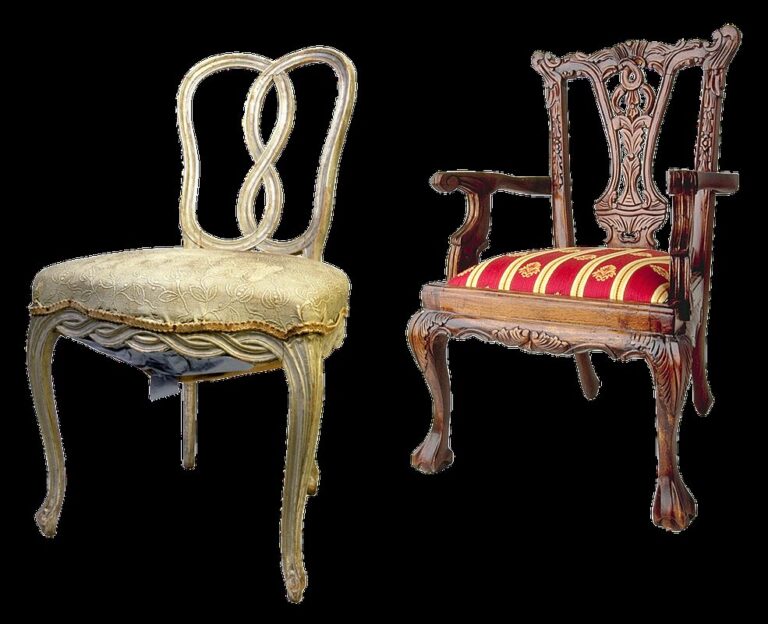
Evolution of Old Sofa Styles
From Regency-era roll arms to mid-century modern tufting, we’ll explore how sofa styles have transformed over time, reflecting changing tastes and technological advancements. Let’s take a closer look at this fascinating evolution.
The Victorian Era (1837-1901)
During the Victorian era, which spanned from 1837 to 1901, sofa design became increasingly ornate and intricate. This period saw a resurgence of interest in classical styles, with many designs incorporating elements such as carved wooden frames, plush upholstery, and gilded accents. To create an authentic Victorian-era look, consider using rich, bold fabrics like velvet or brocade for the upholstery, paired with intricately carved wooden armrests and legs.
One notable characteristic of Victorian sofa design is the use of ornate details, including carvings, moldings, and intricate patterns. These elements were often used to create a sense of drama and opulence, reflecting the era’s emphasis on luxury and grandeur. When selecting a vintage sofa from this period, look for pieces that feature these distinctive details, as they will help create an authentic and cohesive look.
Some key features to consider when choosing a Victorian-era sofa include:
• Intricately carved wooden frames or armrests
• Plush upholstery in rich, bold fabrics like velvet or brocade
• Gilded accents or moldings
• Ornate patterns or designs on the upholstery or frame
Edwardian Period (1901-1910)
The Edwardian Period marked a significant shift from the ornate and heavy Victorian style. Characterized by simpler lines, lighter colors, and an emphasis on comfort, Edwardian sofas embodied the era’s values of understated elegance and practicality. Gone were the elaborate carvings and patterns that defined Victorian design; instead, Edwardian sofas featured clean-lined silhouettes, often with a subtle curve or roll.
In terms of color palette, Edwardians favored lighter hues such as ivory, cream, and pale blue, which reflected the era’s love of natural light and airy spaces. Upholstery fabrics like velvet and linen were also popular during this period, chosen for their softness and durability. To accommodate the growing interest in leisure activities, Edwardian sofas often featured built-in storage compartments or footstools, demonstrating a greater focus on functionality.
The influence of Arts and Crafts movement can be seen in the use of natural materials, like oak wood and wicker, which added to the era’s cozy, domestic atmosphere. Overall, the Edwardian style sought to create a sense of relaxed sophistication, making it an appealing choice for those seeking a comfortable yet refined piece of furniture.
Mid-Century Modern Sofas
The iconic Mid-Century Modern sofa is a staple of vintage design, characterized by its clean lines, organic shapes, and emphasis on comfort. Its popularity spans decades, influencing furniture design today.
Influences of Post-War Design
Post-war design trends had a profound impact on mid-century modern sofas. The use of bold colors was a hallmark of this era, as designers sought to inject vibrancy and energy into their creations. Think of iconic pieces like the Eames Lounge Chair or the Noguchi Coffee Table – both of which feature striking color combinations that still influence design today.
Geometric shapes were another key element of mid-century modern sofas. Designers like Charles and Ray Eames, George Nelson, and Richard Neutra often incorporated clean lines, organic forms, and abstract patterns into their work. The result was a sense of dynamism and experimentation that reflected the optimism and progressiveness of post-war America.
Organic materials also played a significant role in mid-century modern sofas. Designers began to experiment with new textures and finishes, incorporating natural materials like leather, wood, and rattan into their designs. This emphasis on organic forms not only added depth and visual interest to sofa design but also reflected the growing interest in environmentalism and sustainability that characterized post-war culture.
The combination of bold colors, geometric shapes, and organic materials gave mid-century modern sofas a distinctive look and feel that continues to inspire designers today.
Famous Designers of the Era
Charles Eames and Eero Saarinen are just two of the notable designers who made significant contributions to mid-century modern sofa design. Eames’ iconic Lounge Chair, introduced in 1956, was a pioneering example of ergonomic design, where the curves and cushions were carefully crafted to provide optimal comfort for users. His collaboration with his wife Ray on furniture designs also led to the creation of the DSW (Dining Side Chair) and Eames Ottoman, which have become staples of mid-century modern style.
Eero Saarinen’s Womb Chair, designed in 1948, was another influential piece that embodied the era’s focus on comfort and organic shapes. Its rounded contours and pillowy cushions created a cozy, womb-like atmosphere – hence its name. The chair’s innovative design not only provided unparalleled comfort but also reflected the emerging trend of merging function with aesthetics.
Other notable designers who made significant impacts during this period include George Nelson, Isamu Noguchi, and Richard Neutra. Their work helped define the clean lines, minimal ornamentation, and emphasis on functionality that characterized mid-century modern sofa design.
Retro Revival Sofas
Let’s take a closer look at the Retro Revival sofa, which emerged in the 1920s and features clean lines, minimal ornamentation, and an emphasis on comfort. Its sleek design was influenced by the Bauhaus movement.
The Return of Vintage Styles
Retro revival sofas burst onto the design scene in the 1980s and 1990s, bringing with them a vibrant celebration of vintage style. Characterized by bold colors, intricate patterns, and ornate details, these sofas paid homage to the classic designs of earlier eras. Designers drew inspiration from Art Deco, Victorian, and Edwardian periods, incorporating elements like curved lines, tufted upholstery, and metallic accents.
To achieve this retro look, manufacturers turned to traditional techniques such as hand-tying and button-tufting. They also experimented with bold color combinations, pairing rich jewel tones with crisp whites and creamy neutrals. The result was a visually striking sofa that added personality to any room. For homeowners seeking to recreate the look on their own, consider starting with a classic silhouette and building from there. Add vintage-inspired patterns through throw pillows or a statement rug, then finish with ornate accessories like brass hardware or carved wood accents. By incorporating these elements thoughtfully, you can bring the spirit of retro revival back into your home design.
Designers Who Brought Back the Past
Designers like Thomas Chippendale and William Morris played a significant role in reviving old sofa styles. Their work was not only influenced by historical periods but also driven by a desire to preserve traditional craftsmanship. For instance, Morris’s designs often incorporated intricate patterns and motifs reminiscent of medieval art, while Chippendale’s work showcased the elegance of 18th-century English furniture.
Other notable designers who brought back the past include Jean-Michel Frank, who drew inspiration from ancient civilizations, and Eileen Gray, whose work blended modernist principles with Art Deco flair. These designers updated classic designs by incorporating new materials, shapes, and textures. For example, Frank’s use of lacquer and leather gave his pieces a sleek, modern look that was both sophisticated and timeless.
A key aspect of their approach was not simply reproducing historical styles but rather interpreting them through the lens of contemporary taste and technology. By doing so, they created unique pieces that paid homage to the past while still feeling fresh and relevant in the present. Their work serves as a testament to the enduring appeal of vintage design and the importance of preserving traditional craftsmanship.
Luxury Sofas from the 18th Century
Luxury sofas from the 18th century are renowned for their opulent designs, often featuring intricate carvings and plush velvet upholstery. Take a closer look at these majestic pieces of furniture.
Rococo and Neoclassical Influences
The opulent designs of 18th-century luxury sofas are a testament to the era’s love of extravagance and refinement. Two distinct styles emerged during this period: Rococo and Neoclassical. Rococo-influenced sofas feature delicate carvings, often depicting natural motifs like flowers or foliage, which were intricately carved into the upholstery or used as decorative accents.
In contrast, Neoclassical designs draw inspiration from ancient Greek and Roman architecture, incorporating clean lines, classical motifs, and a more restrained use of ornamentation. Gilded details, such as gold leaf or metal inlays, were often employed to add a touch of luxury to these sofas. Upholstery fabrics were typically rich and sumptuous, featuring intricate patterns and textures.
When seeking out 18th-century luxury sofas with Rococo or Neoclassical influences, look for pieces that showcase the era’s characteristic attention to detail and love of ornamentation. Consider the quality of the craftsmanship, the condition of the upholstery and carvings, and the overall presence of gilded details. Be mindful that authentic pieces from this period can command high prices due to their rarity and historical significance.
The Role of Royal Patronage
Royal patronage played a significant role in shaping luxury sofa designs during the 18th century. The aristocracy and upper-class individuals would often commission bespoke pieces from skilled craftsmen, resulting in elaborate and intricate designs that reflected their status and wealth.
The French monarchy was particularly influential in this regard. King Louis XV’s passion for rococo design led to the creation of lavish sofas with curved lines, ornate carvings, and plush upholstery. These opulent pieces were often adorned with luxurious materials such as silk, velvet, and gilded bronze accents.
In Britain, Queen Anne’s love of neoclassical style led to the development of more restrained yet elegant sofa designs. These pieces featured clean lines, minimal ornamentation, and a focus on comfort and durability.
When seeking out luxury sofas from this era, look for examples that reflect these royal influences. Check for intricate carvings, ornate details, and high-quality materials such as hand-carved wooden frames or intricately embroidered upholstery. Keep in mind that authentic 18th-century pieces can be rare and highly valuable, so approach with caution when purchasing or restoring.
Collecting Vintage Sofas: A Guide for Buyers
When scouring the market for vintage sofas, it’s essential to consider factors like condition, rarity, and original fabric to make an informed purchase decision. This guide will walk you through the process of collecting a unique vintage sofa.
Identifying Authentic Pieces
When scouring vintage shops and estate sales for a one-of-a-kind sofa, it’s easy to get caught up in the excitement of finding a rare piece. However, authenticity is crucial when collecting vintage furniture. One red flag is uneven or mismatched upholstery fabric; genuine vintage sofas often have distinct patterns or textures that can be difficult to replicate. Also, inspect the frame carefully – look for signs of wear on joints and legs, which can indicate age.
Check for any labels or markings that may provide insight into the sofa’s origins, such as a signature from the original designer or a date stamp. Most authentic vintage sofas have some level of patina, so be wary of pieces with overly polished finishes. Consider consulting an expert if you’re unsure about the authenticity of a piece; they can assess factors like hardware, springs, and construction techniques.
A small number of restoration techniques can also reveal whether a sofa has been heavily altered or repurposed. For example, many vintage sofas were reupholstered with new fabric over the years – check for signs of this under the cushions or on the underside of the skirt. Keep an eye out for mismatched screws and uneven seams as well; these are often telltale signs that a sofa has been partially restored.
Budget-Friendly Options for the Collector
When searching for vintage sofas on a budget, thrift stores can be an excellent place to start. Many second-hand stores carry gently used furniture at significantly lower prices than antique dealers. Keep in mind that you may need to do some restoration work to bring the sofa back to its former glory.
Estate sales are another option to consider. These events often feature items from a single estate or household, and can be a treasure trove for vintage collectors. You’ll typically have the opportunity to inspect the furniture before purchasing, which can help you avoid costly mistakes.
Online marketplaces like eBay and Craigslist also offer affordable options for buying vintage sofas. Be cautious when shopping online, however, as it’s easy to fall victim to scams or receive damaged goods. Make sure to carefully review seller ratings and descriptions before making a purchase.
To find the best deals, consider attending estate sales early in the morning or at the end of the event when prices tend to drop. Online marketplaces often have price filters that allow you to search for items within your budget. By being strategic and flexible, you can find high-quality vintage sofas without breaking the bank.
Restoring Old Sofas: Tips and Tricks
Restoring old sofas requires patience, skill, and the right techniques to revive their original charm. Learn how to breathe new life into a vintage sofa that’s been passed down through generations.
Preparing the Sofa for Restoration
Before beginning restoration work on an old sofa, it’s essential to prepare the piece for treatment. Start by gently vacuuming or brushing off loose dirt and debris from upholstery and frame surfaces. For more thorough cleaning, mix a solution of mild soap and warm water, applying it with a soft-bristled brush or cloth. Avoid harsh chemicals, abrasive cleaners, or excessive moisture that can damage fabric, wood, or other materials.
Next, inspect the sofa’s structure for any loose joints, worn springs, or broken tacks. Repair these issues using traditional methods whenever possible, such as reattaching legs with new hardware or replacing springs with matching originals. Consider enlisting a professional restorer if you’re unsure about specific repairs.
Once cleaned and repaired, apply a suitable primer to create a stable surface for refinishing. For wood components, choose a water-based or oil-based stain, depending on the original finish type. Apply multiple thin coats, allowing each layer to dry before adding additional layers. Always test small samples first to ensure color consistency and compatibility with existing materials.
Common Mistakes to Avoid
When restoring an old sofa, it’s easy to get carried away with the process and end up over-restoring the piece. This can lead to a loss of original character and potentially even damage the sofa’s structural integrity. Over-restoring often involves stripping away too much of the original finish or replacing key components unnecessarily.
Using the wrong materials is another common mistake to avoid. For example, modern upholstery fabrics may not be compatible with traditional frame designs or construction methods. Similarly, applying a layer of varnish or polyurethane can alter the sofa’s appearance and make it difficult to discern its original features.
Neglecting structural integrity is also crucial to consider. Sofas from different eras were built to withstand varying loads and weights, so it’s essential to assess the frame’s condition before making any repairs. For instance, a Victorian-era sofa may have been designed with a solid oak frame, while a Mid-Century Modern piece might feature a more minimalist steel or aluminum structure.
To avoid these pitfalls, take your time when evaluating the sofa and its components. Consult restoration experts if needed, and prioritize preserving original materials whenever possible.
Frequently Asked Questions
How can I determine which vintage sofa style will fit best with my current decor?
You can consider the era and design elements that match your existing furniture, such as color palette, materials, or patterns. For instance, if you have mid-century modern pieces, a vintage sofa from the same era might complement them nicely.
Can I use any type of fabric to reupholster an old sofa, or are there specific considerations?
Yes, it’s essential to choose fabrics that are suitable for upholstery and can withstand heavy use. Consider factors like durability, stain resistance, and breathability when selecting a material. Velvet, linen, and cotton are popular choices for vintage sofas.
What if I find a vintage sofa with a unique or damaged mechanism? Can I still restore it?
Yes, many old sofa mechanisms can be restored or replaced, but it’s crucial to assess the damage first. You may need to consult a professional upholsterer or furniture restorer to determine the best course of action.
How do I balance authenticity with practicality when restoring an antique sofa?
When restoring an antique sofa, prioritize preserving its original character while also ensuring it remains safe and functional. This might involve replacing worn-out parts with new ones that match the original design, rather than removing or altering essential structural elements.