
Identifying plants can be a daunting task, especially for those who are new to botany. However, by focusing on specific characteristics like flower parts, leaf shapes, and stem features, you’ll be able to narrow down your options and make more accurate identifications. For example, the number of petals, shape of sepals, and color of stamens can all provide valuable clues about a plant’s identity. Meanwhile, examining the arrangement of leaves on the stem, texture, and size can also help you determine whether a plant is native to your area or not. In this comprehensive guide, we’ll explore how to use these key features to develop your skills in plant identification, making it easier for botanists and nature enthusiasts like yourself to get started with confident identification of plants. By the end of this article, you’ll be able to accurately identify common plants using a flower parts guide.
Understanding Flower Anatomy
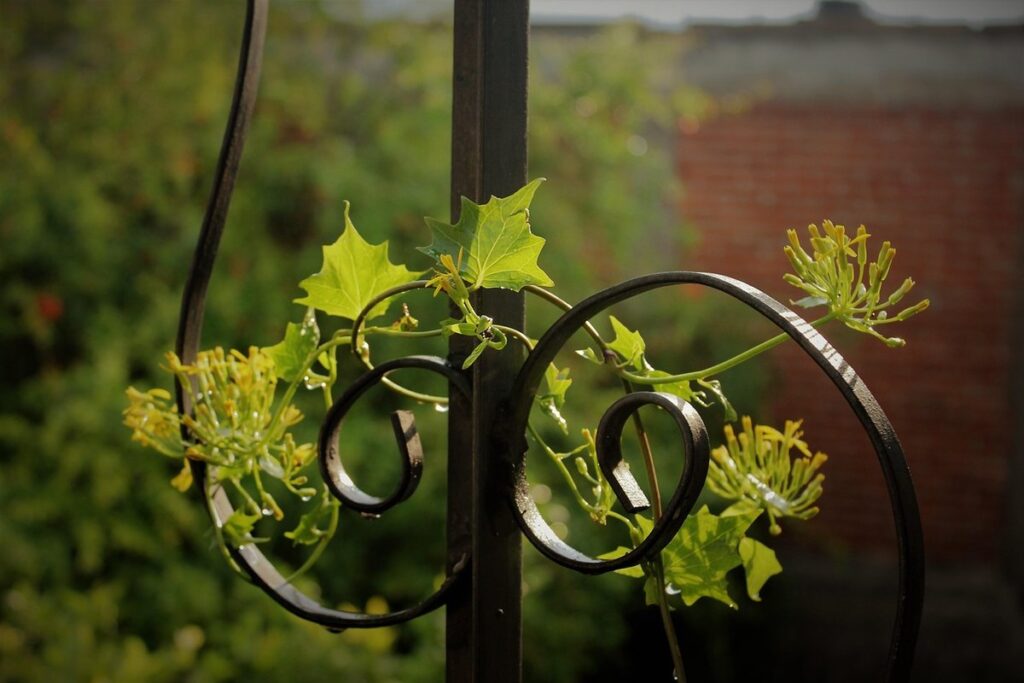
To identify a flower, you need to understand its basic parts and how they function together. Let’s break down the main components of a typical flower.
Recognizing Petals and Sepals
When examining a flower, it’s essential to distinguish between petals and sepals. Petals are often brightly colored and attract pollinators, while sepals are typically green and protect the delicate reproductive parts of the flower.
To identify these structures, look for their arrangement around the center of the flower. In most cases, petals are the showy, outer layer that surrounds the sepals. You can also check the texture and color of each structure. Petals tend to be softer and more fragile than sepals, which are usually firmer and more leaf-like.
In some flowers, such as those in the Aloe family (Aloaceae), the distinction between petals and sepals is less clear-cut. In these cases, the individual tepals (modified leaves that resemble both petals and sepals) may be difficult to distinguish from one another. However, even in complex flower structures like this, you can usually identify the tepals by their arrangement around the center of the flower.
In general, if a structure is brightly colored and has a distinct shape or pattern, it’s likely a petal. If it’s green and more leaf-like, it may be a sepal.
Identifying Different Types of Flowers
When examining flowers, it’s essential to recognize the different types of flowers, as this can greatly aid in plant identification. Single-petaled flowers have a distinct appearance, often with three or more petals that are similar in size and shape. These flowers usually have a prominent center, such as a cluster of stamens or a central disk. In contrast, double-petaled flowers feature multiple rows of petals that can be intricate and delicate.
Bell-shaped flowers, also known as trumpet-shaped flowers, are characterized by their curved, tubular structure. They often have a narrow tube at the base and expand into a wider, flared shape towards the top. These flowers typically have three or five sepals that protect the bud before it opens.
To recognize each type of flower, look for distinctive characteristics such as petal arrangement, size, and shape. For example, single-petaled flowers often have a prominent center, while double-petaled flowers are more elaborate in appearance. Bell-shaped flowers, on the other hand, have a unique tubular structure that can be identified by its narrow base and flared top. By paying attention to these details, you’ll become more skilled at identifying different types of flowers using a flower parts guide.
Using Leaf Shapes and Arrangements
Let’s take a closer look at how leaf shapes and arrangements can provide valuable clues for plant identification. From lobed to compound leaves, we’ll explore their unique characteristics and how they fit into the overall picture of plant classification.
Leaf Shape Identification
Leaf shape identification is an essential skill for plant enthusiasts and botanists alike. Leaves come in various shapes, and recognizing these differences can help you narrow down the possible identities of a plant. One common leaf shape is linear, characterized by its elongated and narrow form, often found in grasses and sedges.
Lanceolate leaves are narrower at the base than at the tip, resembling a lance or spearhead. Plants like hellebores and some species of willows exhibit this leaf shape. Ovate leaves, on the other hand, are egg-shaped and symmetrical about their central point. Examples include magnolia and tulip trees.
Elliptical leaves are oval in shape but not as pointed as ovate leaves. They can be found on plants like cherry laurel and some species of maples. When examining a plant’s leaves, pay attention to the overall shape, as well as any notable features such as lobes or teeth along the margins. For instance, plants with deeply lobed leaves like the sassafras are often easily recognizable due to this characteristic.
Leaf Arrangement Patterns
When examining leaves on stems, it’s essential to note the arrangement pattern. This refers to how individual leaves are spaced and positioned relative to each other. There are four primary patterns: alternate, opposite, whorled, and rosette.
Alternate arrangements occur when a single leaf grows at a 90-degree angle from the stem, often with equal distances between each leaf. For example, the leaves of a eucalyptus tree grow in this pattern. In contrast, opposite arrangements feature pairs of leaves that directly across from one another on the stem, like those found on the holly plant.
Whorled arrangements are less common but occur when three or more leaves emerge at the same point on the stem. This can be seen in the leaves of the foxglove flower. The rosette pattern features leaves growing in a circular pattern around the base of the stem, as seen in succulents like aloe vera.
When identifying plants using leaf arrangement patterns, pay attention to any notable exceptions. Some species may exhibit irregular or unique arrangements that can be distinctive. By familiarizing yourself with these different patterns, you’ll become more effective at plant identification and begin to notice details that might have gone unnoticed before.
Examining Flower Colors and Patterns
Let’s take a closer look at flower colors and patterns, which can often be a key clue when trying to identify a plant species accurately. Bright colors like red and purple tend to attract attention from pollinators.
Understanding Flower Color Meaning
Flower color plays a significant role in plant identification, as different colors often correspond to specific meanings. For instance, red flowers are commonly associated with love and passion, while yellow flowers typically symbolize happiness and sunshine. However, it’s essential to note that these associations can vary across cultures.
In the language of flowers, known as floriography, each color is imbued with a distinct meaning. White flowers often represent purity and innocence, whereas purple flowers signify luxury and creativity. Green flowers, on the other hand, are rarely seen in nature and typically signify growth or harmony.
When using flower colors to identify plant species, consider the following:
• Be aware that some plants may exhibit subtle color variations depending on factors like soil quality, climate, or time of day.
• Familiarize yourself with regional and cultural differences in floriography to avoid misinterpretation.
• Combine color analysis with other characteristics, such as flower shape and arrangement, for more accurate identification.
Identifying Stripes, Spots, and Other Markings
Stripes can be thin and parallel, as seen on the petals of certain zinnia varieties. These flowers display a clear pattern of alternating colors, often created by the presence of anthocyanins or carotenoids. Spots, on the other hand, are typically smaller and more rounded than stripes. They might be scattered randomly across the flower’s surface or grouped together in a specific arrangement.
One example of a plant with distinctive spots is the Calanthe orchid, whose petals feature small, dark-brown markings. In contrast, some species of Hibiscus display blotches – larger areas of color that can cover much of the flower’s surface. These blotches often have a rounded or irregular shape and may be more prominent on certain parts of the flower.
To identify stripes, spots, or other markings on flowers, examine the petals and sepals carefully. Look for patterns of color that seem to follow a specific arrangement or design. Note whether these patterns are uniform across all flowers of the same species or if they vary from bloom to bloom. By paying attention to these details, you can gain a better understanding of a plant’s flower morphology and improve your chances of making an accurate identification.
Using Stems and Inflorescences
When examining a plant, paying attention to its stems and inflorescences is crucial for accurate identification, as these structures can provide valuable clues. Let’s take a closer look at how they fit into the overall flower parts guide.
Identifying Stem Characteristics
When examining stems for plant identification, consider their color as one of the first characteristics to note. Stems can range from green and leafy to woody, brown, or even gray. Some plants may have brightly colored stems, like red or purple, which can be a distinctive feature in certain species. The texture of the stem is also worth noting – it might be smooth, hairy, waxy, or fibrous.
The shape of the stem can vary greatly between plant species, and this can sometimes be an important identification characteristic. For example, some plants have slender stems that grow upright, while others may produce sprawling or creeping stems. The presence of thorns, spines, or prickles on the stem can also be a key identifier in certain cases.
When using stem characteristics for plant identification, it’s essential to observe them in conjunction with other features like leaf shape and arrangement, flower color and pattern, and inflorescence type. By considering multiple parts of the plant together, you can increase your chances of accurately identifying a species.
Understanding Inflorescence Types
Inflorescences come in various forms, each with its unique characteristics. A raceme is an elongated stem bearing flowers that are attached at different points along its length. This type of inflorescence can be seen in plants like lavender and foxglove. In contrast, a panicle consists of multiple branches that emerge from the top of a central stem, forming a loose cluster of flowers. This arrangement is typical for plants such as oats and wheat.
Spikes are another common inflorescence type, often found on cacti and succulents like aloe vera. These plants have tightly packed flowers that are arranged along the length of the spike. An umbel, on the other hand, features multiple flowers that arise from a single point on the stem, giving it a distinctive umbrella-like appearance. You can observe this type of inflorescence in plants such as carrots and parsnips.
To recognize these different types, observe the arrangement of flowers along the stem. Note whether they are attached at regular intervals or appear to be scattered. Also, consider the shape and structure of the inflorescence itself, including any branches or clusters that may be present. By paying attention to these details, you can more accurately identify the type of inflorescence and narrow down the possible plant species.
Examining Flowers in Different Environments
When identifying flowers, it’s essential to consider how their appearance changes in various environments, such as in dry climates versus humid forests. This can significantly affect the shape and color of key parts.
Identifying Flowers in the Wild
Identifying flowers in their natural habitat can be a daunting task, especially for those without extensive experience. The first challenge is simply knowing where to look. Observe areas with rich soil and adequate moisture, such as meadows, forests, or near water sources. Be mindful of the time of year, as certain plants may only bloom during specific seasons.
When searching for flowers in the wild, pay attention to subtle cues that can reveal their presence. For instance, notice if birds are flocking to a particular area, which could indicate a nectar-rich flower is nearby. Also, keep an eye out for bees or butterflies visiting specific spots. These pollinators often have a keen sense of smell and can guide you to hidden blooms.
To increase your chances of successful identification, focus on flowers with distinctive characteristics that can be easily observed in the field. Look for plants with brightly colored petals, unusual shapes, or striking patterns. Consider carrying a magnifying glass or hand lens to examine details more closely. By combining these strategies and maintaining an observant mindset, you’ll become better equipped to identify flowers in their natural habitat.
Understanding Flower Adaptations
Flowers have developed a range of adaptations to thrive in diverse environments. In arid deserts, succulents like cacti and agave store water in their stems and leaves, enabling them to survive extended periods without rainfall. These thickened structures allow the plants to minimize transpiration, conserving precious water.
In tropical regions, flowers have adapted to withstand intense heat and humidity. Many species develop large, showy blooms that not only attract pollinators but also provide cooling through evapotranspiration. For instance, hibiscus and bougainvillea produce vibrant flowers that help regulate their temperature in the face of high ambient temperatures.
In alpine environments, where soil is poor and sunlight is limited, plants have evolved to optimize resource use. Some species, such as gentians and edelweiss, develop deep roots to tap into mineral-rich subsoil. Others, like forget-me-nots and alpines, produce small flowers that are less demanding in terms of resources.
Examples of adapted flower forms include the funnel-shaped blooms of pitcher plants, which facilitate insect capture, and the brightly colored tubular flowers of coral bells, which attract hummingbirds for pollination. By recognizing these adaptations, you can better understand how a plant has evolved to survive in its specific environment, providing valuable clues about its identity.
Advanced Plant Identification Techniques
Now that you’ve mastered the basics of flower parts, it’s time to take your plant identification skills to the next level with advanced techniques for distinguishing between similar species. We’ll explore expert-level methods for precise classification and accurate naming.
Using Floral Morphology
Floral morphology is the study of the structure and arrangement of flower parts. It’s a crucial aspect of advanced plant identification, as it provides clues about a plant’s evolutionary history, growth habits, and relationships to other species. By examining the morphology of flowers, you can identify key characteristics that distinguish one genus from another.
For example, the arrangement of petals in relation to the sepals is a notable feature in many plant families. In the Asteraceae family, for instance, the flower head is composed of hundreds of tiny florets, each with its own set of petals and sepals. This distinctive arrangement is a key diagnostic feature that helps botanists distinguish members of this family from others.
When examining floral morphology, pay attention to features such as:
- The number and arrangement of stamens and pistils
- The shape and size of the ovary and fruit
- The type of corolla (petals) and its relationship to the calyx (sepals)
- The presence or absence of bracts (modified leaves that resemble petals)
By considering these characteristics, you can gain a deeper understanding of a plant’s floral morphology and use it to inform your identification.
Applying Botanical Knowledge
Botanical knowledge is the foundation upon which plant identification is built. By understanding the unique characteristics and features of different plant families, you can narrow down the possibilities when identifying a specimen. For instance, knowing that members of the aster family (Asteraceae) have composite flowers made up of tiny florets in a central disk, you can immediately recognize this characteristic in other plants.
Similarly, familiarizing yourself with the reproductive structures and patterns of different plant families can aid in identification. For example, recognizing the presence of an inferior ovary – where the ovary is positioned below the attachment point of sepals and petals – can indicate that a plant belongs to the mint family (Lamiaceae). This knowledge allows you to make educated guesses about a plant’s identity based on its floral morphology.
To apply botanical knowledge in real-world situations, it helps to be familiar with common families and their distinguishing features. By carrying this knowledge with you when observing plants in the wild or examining specimens in a garden, you can quickly identify key characteristics that point towards a particular family or genus.
Putting It All Together
Now that you’ve learned how to identify flowers using their key parts, it’s time to practice what you’ve learned by putting these skills into action. Let’s apply your knowledge to a real-world example!
Creating a Plant Identification Guide
When compiling your plant identification guide, consider organizing it around easily identifiable features such as flower color, petal count, and stem characteristics. This allows readers to quickly scan the guide and narrow down their search. You can create sections for different types of plants or flowers with similar traits.
To make the guide more user-friendly, include illustrations or photographs that accurately depict each plant’s key features. Be sure these images are labeled clearly so users know what they’re looking at. This way, readers can get a visual confirmation of their identification.
A useful approach to structuring your guide is to break it down into categories such as annuals vs perennials or native vs introduced species. This helps readers focus on the specific group of plants they’re interested in. You should also consider including a “key” section that outlines how to use the guide, including any abbreviations or codes used.
When deciding which plants to include in your guide, prioritize those with distinctive features that are easy to identify. This might mean focusing on common garden flowers rather than rarer species. Keep in mind that the ultimate goal is to create a resource that’s accessible and useful for beginners as well as experienced botanists.
Here are some essential elements to consider including:
• Clear photographs or illustrations of each plant’s key features
• A concise description of each plant, highlighting its unique characteristics
• A list of abbreviations or codes used in the guide
• An explanation of how to use the guide effectively
• A section for users to record their own observations and notes
Frequently Asked Questions
Can I use this guide to identify plants that don’t have flowers?
Yes, the techniques discussed in this guide can also be applied to leaf identification and stem characteristics. However, for accurate plant identification, it’s essential to consider multiple features together, including leaf shape, arrangement, and color, as well as stem texture and inflorescence type.
What if I’m trying to identify a plant in an area with limited access to reference materials?
When working in areas with limited access to reference materials, it’s crucial to develop your observational skills. Take detailed notes on the plant’s characteristics, including photos and sketches of leaves, stems, and flowers. Additionally, try to collect plant samples for further study or consult with local experts who may have knowledge about the specific region.
How do I know when a flower is ripe for identification?
Flowers are typically at their most identifiable when they’re in full bloom, but this can vary depending on the species. Look for flowers that are fully open and showing distinct characteristics such as petal shape, color, and arrangement. It’s also essential to consider the plant’s growth stage, as some plants may have different leaf or flower shapes at various stages of development.
Can I use this guide to identify plants in a botanical garden setting?
Yes, the techniques discussed in this guide can be applied to identifying plants in a controlled environment like a botanical garden. However, keep in mind that many plants in gardens are cultivated and may not exhibit their natural characteristics. It’s essential to consider the plant’s label or consult with a knowledgeable gardener for accurate identification.
What if I’m trying to identify a plant from a photo, but it’s not clear?
When working with low-quality photos or unclear images, try to gather as much information as possible about the plant’s environment and characteristics. Look for clues such as leaf arrangement, stem color, or flower shape. Additionally, consult online resources or consult with experts who may have experience identifying plants from photos.