
Observing the intricate relationships between plants, pollinators, and your own garden is an essential step in maintaining a healthy ecosystem. As you tend to your garden, have you ever stopped to think about how your actions affect the bees, butterflies, and other beneficial insects that visit? A pollinator garden observation journal is a powerful tool for tracking these interactions, but many gardeners are unsure where to start.
By following this guide, you’ll learn how to set up an effective observation journal, record key observations, and gain valuable insights into your garden’s health and the behavior of its pollinators. This process will not only help you create a more welcoming environment for these vital creatures but also provide you with the expertise to make informed decisions about your garden’s care. By the end of this article, you’ll be able to track changes in your garden’s ecosystem and take targeted steps to support the well-being of its pollinators.
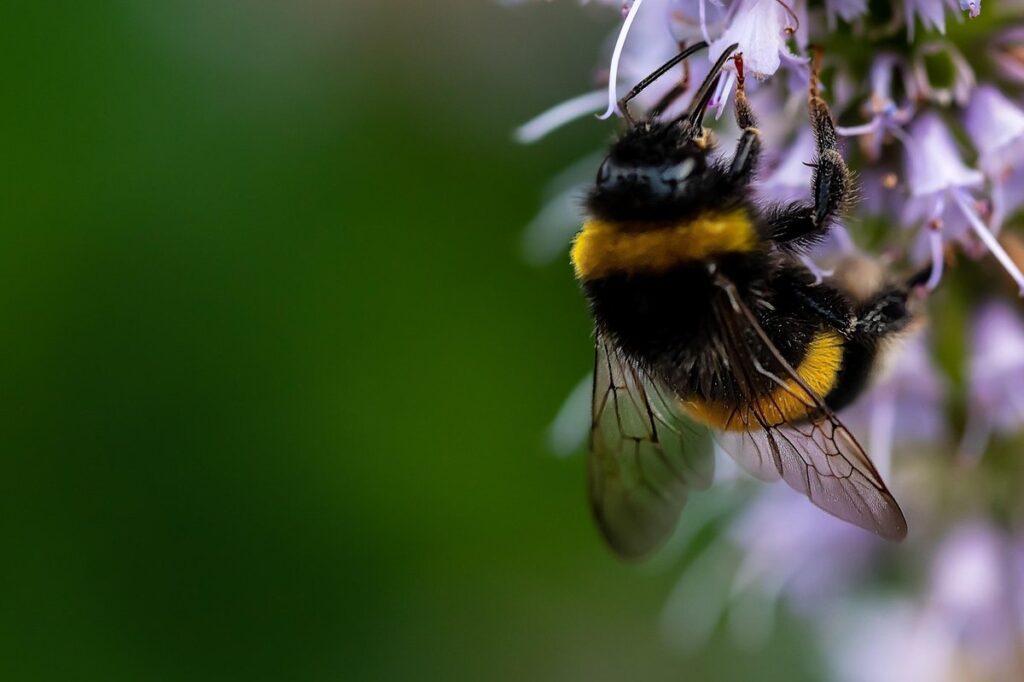
What is a Pollinator Garden Observation Journal?
A pollinator garden observation journal is a simple yet powerful tool for tracking your garden’s biodiversity and monitoring its impact on local pollinators. It helps you observe, record, and learn from nature’s rhythms.
Importance of Observing and Recording in Gardening
Observing and recording is crucial for effective gardening, especially when it comes to pollinator gardens. When you observe and record your garden’s activities, you gain a deeper understanding of how plants interact with their environment and the pollinators that visit them.
This insight allows you to make informed decisions about plant selection, placement, and maintenance. For instance, if you notice that certain species of bees are more attracted to specific flowers, you can replicate this combination in other areas of your garden. Conversely, if a particular plant seems to be struggling or failing to attract pollinators, you can adjust its care routine or replace it with a more suitable alternative.
Regular observation and recording also help identify patterns and trends that might not be immediately apparent. For example, tracking the types of insects visiting your flowers at different times of day or during various weather conditions can reveal how these factors impact pollinator activity. By monitoring and documenting this information, you’ll develop a nuanced understanding of your garden’s ecosystem and be better equipped to create a thriving pollinator-friendly environment.
Types of Observation Journals for Gardening
For gardening purposes, you can choose between digital and physical observation journals. Digital options allow for flexibility in recording and accessing data from anywhere, making it ideal for those with limited space or who prefer to keep their garden records on their devices. Popular digital tools include mobile apps like Nature Journal, Garden Journal, and FlowerChecker, which offer customizable templates and automatic date stamping.
On the other hand, physical journals provide a tactile experience and can be more engaging for some users. They come in various formats, such as notebooks, sketchbooks, or even reusable plant markers with a built-in journal section. When selecting a physical journal, consider factors like durability, ease of use, and sufficient space for notes and sketches.
Some gardeners also combine both digital and physical approaches by using a physical journal for initial observations and then transferring data to a digital platform for further analysis or sharing. Regardless of the chosen format, it’s essential to choose an option that suits your personal preferences and recording style to ensure consistency in maintaining your pollinator garden observation journal.
Setting Up Your Pollinator Garden Observation Journal
To make the most of your pollinator garden observation journal, let’s start by setting up a solid foundation for recording and tracking your observations over time. Begin by gathering essential supplies and materials to get started on this fun project.
Choosing the Right Format for Your Journal
When deciding on a format for your pollinator garden observation journal, you have several options to consider. Digital apps offer a convenient and space-saving alternative to traditional paper-based journals. Some popular digital options include Garden Journal by GardenTags and Pollen Tracker, which allow you to record observations and track plant growth using your smartphone or tablet.
On the other hand, many gardeners prefer the tactile experience of writing in a physical journal. You can opt for a dedicated pollinator garden observation journal or use a general gardening journal with separate sections for different types of records. Some popular paper-based options include the Garden Journal by HarperCollins and the Pollinator Garden Diary.
Ultimately, the choice between digital and paper-based formats comes down to personal preference and your specific needs. If you’re always on-the-go, a digital app may be the most practical choice. However, if you prefer writing with pen and paper or enjoy creating artwork in your journal, a traditional paper-based format may be more suitable. Consider experimenting with both options to see which one works best for you.
Creating a Consistent Recording System
Establishing a consistent recording system is crucial for making accurate and meaningful observations in your pollinator garden. Without a systematic approach, it’s easy to miss important details or get bogged down in irrelevant information. To set up a consistent recording system, start by defining what you want to track and why. For example, do you want to monitor the types of plants that attract specific pollinators? Or perhaps you’re interested in tracking weather patterns and their impact on your garden.
Make it easy for yourself to stick to your system by creating a template or checklist that outlines the key observations you want to record each day or week. Consider breaking down your recording process into smaller, manageable chunks, such as:
- Date and weather conditions
- Plant observations (e.g., blooming flowers, new growth)
- Pollinator sightings (e.g., types of bees, butterflies, hummingbirds)
- Notes on any issues or challenges you’ve encountered
Use a consistent format for each entry to ensure that your records are easy to scan and compare. This might include using separate sections or pages for different types of observations, or color-coding entries to distinguish between different categories.
Key Observations to Record in Your Pollinator Garden
When tracking pollinator activity, it’s essential to record observations on weather conditions that impact their behavior. Pay attention to temperature fluctuations and precipitation patterns affecting your garden’s visitors.
Weather Patterns and Their Impact on Pollinators
Tracking weather patterns is crucial for understanding their impact on pollinators in your garden. Extreme temperatures, precipitation, and wind can significantly affect pollinator behavior and plant growth. For instance, during hot spells, many pollinators may seek shelter in shaded areas or underground, while heavy rainfall can lead to increased nectar production but also drown some plants.
Monitor temperature fluctuations by recording the highest and lowest temperatures each day. Note any unusual weather patterns, such as fog, frost, or prolonged droughts. These events can be critical for pollinator survival and plant resilience.
Aim to record at least three types of weather-related observations:
- Temperature extremes (above 85°F/30°C or below 40°F/4°C)
- Precipitation patterns (heavy rain, light drizzle, or prolonged dry spells)
- Wind direction and speed (strong gusts can disorient pollinators)
Keep in mind that even subtle changes in weather can impact your garden’s ecosystem. By tracking these patterns, you’ll gain a deeper understanding of how to create a more resilient and supportive environment for your pollinators.
Plant Growth and Development
When recording plant growth and development stages in your observation journal, observe the plants’ changes over time. Note when new leaves emerge, buds swell, flowers bloom, and seeds form. You can track the progress of individual plants or focus on a specific stage, such as the transition from vegetative to reproductive growth.
Consider creating a simple chart or table to record plant growth milestones, like the following:
• Leaf emergence: observe when new leaves appear, noting their size, shape, and color.
• Bud formation: record when buds start to swell, indicating flower or seed development.
• Flowering: note the date and duration of blooming, as well as the number and type of flowers.
• Seed formation: track the development of seeds from pollination to maturity.
Regularly inspect your plants, making a notation in your journal each time you observe new growth or developmental changes. This will help you identify patterns and trends specific to your garden’s climate, soil, and plant varieties. By recording these details, you can refine your understanding of how different factors influence plant development and make more informed decisions for future gardening seasons.
Pollinator Sightings and Behavior
When recording pollinator sightings, it’s essential to capture not only the species identification but also their behavior. Start by noting the time of day and weather conditions when you observe a particular pollinator. This will help you understand how different environmental factors influence their activity.
For species identification, use a field guide or consult with an expert if you’re unsure. Record the specific characteristics that distinguish one species from another, such as color patterns, body shape, or markings. Be as detailed as possible to ensure accurate identification.
Behavior observations can provide valuable insights into pollinator ecology and inform your garden management decisions. Note any notable behaviors, like feeding patterns, mating habits, or interactions with other pollinators or plants. You can also record specific events, such as a monarch butterfly migrating through your garden or a bumblebee colony forming on a particular plant.
When documenting behavior, consider using a simple rating system to quantify observations, such as “1-5” for frequency of visits or “0-3” for level of activity. This will help you track changes over time and make data-driven decisions about your pollinator garden management practices.
Advanced Techniques for Enhancing Your Observation Journal
As you continue to track the activity and diversity of your pollinator garden, you’re likely looking for ways to take your observation journal to the next level. This is where advanced techniques come into play, refining your record-keeping and deepening your understanding of the ecosystem.
Incorporating Photography and Sketching
Incorporating photography and sketching into your pollinator garden observation journal can significantly enhance its value as a tool for learning and reflection. By capturing images of plants, insects, and other wildlife, you’ll be able to study their details and behaviors more closely than through written descriptions alone. This is especially useful when observing rare or fleeting events, such as the emergence of monarch butterflies from their chrysalises.
Sketching can also help you develop a deeper understanding of plant morphology and pollinator anatomy. By quickly sketching the shapes and arrangements of flowers, leaves, and other plant structures, you’ll become more attuned to the intricate relationships between plants and their pollinators. This skill will serve you well in designing more effective pollinator-friendly gardens.
To get started with photography and sketching in your observation journal, consider dedicating one page or spread per entry to visual documentation. You can use a combination of digital camera and drawing tools, such as pencils, ink, or watercolors, to create a mix of media that suits your style and preferences.
Using Data and Statistics in Your Recordings
To gain deeper insights from your pollinator garden observation journal, consider incorporating data and statistics into your recordings. Start by tracking specific metrics such as the number of pollinators visiting different plants or flowers over time. For example, you might note how many bees visit a particular species on a sunny versus cloudy day.
You can also use graphs to visualize trends in your data. If you notice that the number of butterflies increases significantly during peak blooming periods, this could suggest a relationship between plant growth and pollinator activity. To quantify this further, calculate the average number of butterflies per hour or per day during these periods.
When analyzing temperature and precipitation data, look for correlations with specific observations in your journal. For instance, if you’ve noticed that pollinators are scarce on particularly hot days, it’s likely not just a coincidence. By tracking and comparing different variables, you can identify patterns and gain a more nuanced understanding of the interactions between plants, pollinators, and environmental factors.
When using data and statistics in your recordings, be sure to keep track of units (e.g., numbers of individuals, duration of visits) and clearly label any charts or graphs.
Integrating Other Forms of Media
When incorporating other forms of media into your pollinator garden observation journal, consider capturing audio recordings of bird songs, buzzing insects, or even conversations with visiting experts. This can add a new layer of depth to your observations and provide a more immersive experience. You can use a smartphone app or a dedicated recorder to capture high-quality audio.
Another option is to include videos showcasing plant growth, pollinator behavior, or other relevant phenomena. These can be recorded using a handheld camera or a smartphone with a good camera. When incorporating video recordings, consider including timestamps and brief descriptions of what’s happening in the footage.
For added context, you can also include photographs of specific plants, pollinators, or garden features. Use captions to provide information about the photo, such as the date it was taken, the plant species, and any notable observations related to the image. This will help create a richer narrative within your journal and make it easier to reference and analyze your data in the future.
When integrating these multimedia elements, be mindful of storage space and file organization. Consider creating folders or categories for different types of media, and use descriptive file names to make them easily searchable.
Tips for Maintaining a Long-Term Observation Journal
As you continue to fill your pollinator garden observation journal, maintaining it over time requires a few key strategies to keep your records organized and easy to reference. Effective habits will help you track progress and patterns in your garden’s ecosystem.
Staying Consistent with Your Recordings
To maintain consistency in recording, establish a routine that works for you and stick to it. Choose a specific time each day or week when you can dedicate to observing and recording. This could be early morning, during lunch breaks, or right before bed – pick what fits best into your schedule. Write down the date, time, and weather conditions at the start of each entry to provide context for your observations.
Develop a habit of carrying your journal with you whenever you tend to your garden, so it’s always within reach when you want to make an observation or note something interesting. Consider setting reminders on your phone or placing sticky notes in strategic spots to prompt you to record specific information, like plant growth milestones or notable pollinator sightings.
To stay motivated and engaged, try incorporating visual elements into your recordings, such as sketches or photographs of the plants and pollinators you observe. This will not only make your journal more visually appealing but also provide a richer, more detailed understanding of the interactions between your garden’s inhabitants. By making recording a habit, you’ll begin to notice patterns and trends that might otherwise go unnoticed, which can be incredibly rewarding as an observer.
Overcoming Challenges and Obstacles
When keeping an observation journal for your pollinator garden, you may encounter challenges that make it difficult to maintain consistency. One common obstacle is feeling overwhelmed by the amount of data you’re collecting. To overcome this, break down your recordings into smaller, manageable chunks. For example, focus on one aspect of your garden each week – such as monitoring weather patterns or tracking plant growth. This will allow you to collect and record data without feeling swamped.
Another challenge is forgetting to make entries in a timely manner. Use reminders or set aside a specific time each day to review and update your journal. Consider keeping a small notebook with you when working in the garden, so you can jot down notes as soon as something interesting happens.
Additionally, some gardeners may struggle with identifying the types of pollinators they’re observing. To address this, invest in a field guide or use an app that provides identification resources and images. You can also consult with local experts or online forums for guidance. By acknowledging these potential challenges and implementing strategies to overcome them, you’ll be better equipped to maintain your observation journal over the long term.
Frequently Asked Questions
Can I use my pollinator garden observation journal in conjunction with other gardening activities?
Yes, using your pollinator garden observation journal alongside other gardening tasks can help you stay organized and focused. For example, you can record observations while watering or pruning plants, allowing you to track the impact of different gardening practices on your pollinators.
What if I’m unsure about identifying a particular plant or pollinator species?
Don’t worry! Identify unknown plants or pollinators by consulting field guides, online resources, or consulting with experienced gardeners. You can also record your observations and research them later to fill in any gaps in your knowledge. This process will help you improve your identification skills over time.
How often should I review my observation journal entries for analysis and insights?
Review your pollinator garden observation journal regularly, ideally at least once a season or after significant changes in weather patterns. Analyze your data to identify trends, patterns, and areas for improvement in your gardening practices and pollinator-friendly strategies.
Can I adapt the pollinator garden observation journal approach for indoor plants or urban gardens?
Yes, you can adapt the principles of a pollinator garden observation journal to suit indoor or urban gardening conditions. Focus on tracking temperature, humidity, and light exposure for indoor plants, while adapting your recording system to accommodate space constraints in urban gardens.
What if I encounter issues with pests, diseases, or other problems in my pollinator garden?
Don’t panic! If you encounter issues, refer to your observation journal to track the problem’s progression and any interventions you’ve made. Analyze this data to identify potential causes and adjust your gardening strategies accordingly. You can also consult online resources or gardening experts for guidance on addressing specific challenges.