
As you step outside into your backyard or local park, do you find yourself tuning in to the subtle changes that occur with each passing season? The way the light filters through the trees, the songs of birds returning from their migrations, and the vibrant blooms of wildflowers all signal a deeper connection between us and the natural world. Yet, so often we get caught up in our daily routines and fail to notice these tiny yet significant shifts. A seasonal nature observation journal can help you tune back into this rhythm, allowing you to slow down, observe more deeply, and cultivate a sense of wonder at the beauty that surrounds you. In this article, we’ll explore how keeping such a journal can foster mindfulness, deepen your connection with the outdoors, and even connect you with like-minded individuals who share your passion for nature’s seasonal cycles.
Introduction to Nature Observation Journals
To get started, let’s talk about the basics of nature observation journals and how they can be a powerful tool for deepening your connection with the natural world.
What are Nature Observation Journals?
A nature observation journal is a dedicated notebook where you record and reflect on your observations of the natural world. By committing your observations to paper, you can slow down and truly appreciate the beauty and complexity of the world around you. This practice has numerous benefits, including increased mindfulness, improved critical thinking skills, and a deeper understanding of the interconnectedness of all living things.
When used consistently over time, nature observation journals can become a powerful tool for developing a more nuanced relationship with the natural world. By regularly observing and recording the changing seasons, weather patterns, and wildlife behaviors, you can begin to see patterns and cycles that might otherwise go unnoticed. This heightened awareness can inspire a sense of wonder, gratitude, and responsibility towards the environment.
To get started with nature observation journaling, consider setting aside a specific time each day or week to sit outdoors with your notebook and observe the world around you. You don’t need any special training or equipment – just a willingness to slow down and pay attention.
History and Evolution of Nature Observation Journals
Nature observation journals have a rich history that spans centuries, originating from naturalist traditions and evolving over time to cater to contemporary audiences. The earliest recorded instances of nature journaling date back to 17th-century England, where naturalists like Robert Plot and John Ray documented their observations of plants, animals, and the environment.
In the 19th century, the tradition of nature journaling gained momentum with the rise of the Romantic movement. Writers like Wordsworth and Coleridge recorded their experiences in nature, highlighting its transformative power on the human spirit. This era also saw the development of specialized journals for recording botanical observations, such as the ones used by Charles Darwin during his voyages.
In recent years, nature observation journals have adapted to modern sensibilities, incorporating prompts, exercises, and formats that cater to diverse needs and interests. Contemporary adaptations include digital tools, apps, and online platforms that facilitate sharing and collaboration among nature enthusiasts. These innovations aim to make nature journaling more accessible and engaging for a broader audience.
Setting Up Your Seasonal Nature Observation Journal
To make the most of your seasonal nature observation journal, you’ll first need to set it up and establish a routine that works for you. This involves creating a dedicated space and developing a system for recording your observations.
Choosing the Right Journal for You
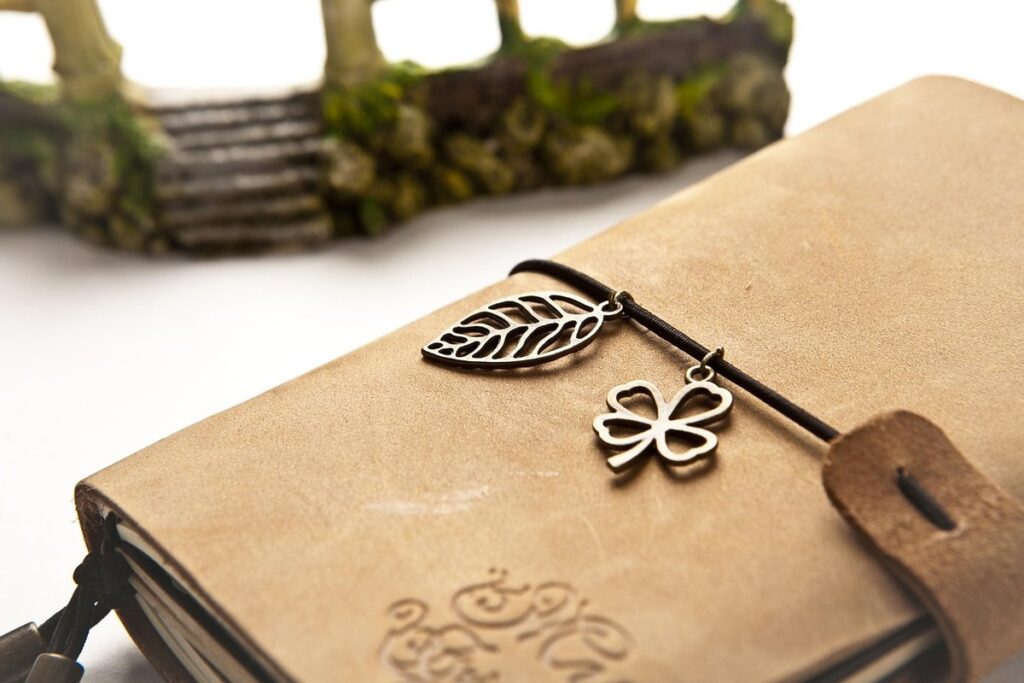
When selecting a journal for your seasonal nature observation practice, consider both digital and physical options. Physical journals offer the tactile experience of writing with pen and paper, which can be meditative and engaging. They also allow for easy annotation and sketching. Digital journals, on the other hand, provide flexibility in terms of storage space and accessibility across devices.
The size of your journal is another crucial factor to consider. A smaller journal (around 5 x 7 inches) is perfect for carrying with you on walks or hikes, allowing for quick notes and sketches. Larger journals (A5 or A4 size) offer more space for in-depth observations and record-keeping. Ultimately, choose a size that suits your needs and preferences.
Layout is also important. Consider a journal with dedicated sections for different seasons or themes. Some journals feature prompts or guided questions to help you stay focused on seasonal observations. Others have ample space for sketches, watercolor paintings, or collaged ephemera. Choose a layout that complements your creative style and observation habits.
Preparing for Your First Entry: Tips and Tricks
When starting a seasonal nature observation journal, it’s essential to prepare for your first entry. This involves setting intentions and creating a schedule that will guide you throughout the seasons.
Begin by setting aside a specific time each day or week for observation, ideally at the same hour and location. Consistency is key to developing a habit of noticing details in nature. Consider designating a “nature hour” each morning or evening, where you step outside to observe the current weather conditions, note any changes in the landscape, and record your thoughts.
Before making your first entry, take a moment to reflect on what you hope to achieve through this practice. What aspects of nature do you want to focus on? Are there specific themes or questions you’d like to explore throughout the seasons? Write down these intentions as they can serve as a reminder and guide for future entries.
Additionally, keep your journal easily accessible so that it becomes an automatic part of your daily routine.
Seasonal Themes and Observations
As you fill the pages of your nature observation journal, consider how seasonal themes can shape your observations and deepen your connection to the outdoors.
From blooming wildflowers in spring to autumn’s fiery foliage, each season offers a unique tapestry for exploration.
Spring: Awakening to New Life
As spring awakens from its winter slumber, the natural world around you transforms. Observe how plant life emerges from dormancy: first, tiny buds swell on branches, followed by a burst of greenery as leaves unfurl. Note the changes in leaf shape and color – some trees, like maples and oaks, sport vibrant reds and oranges, while others, like birches and aspens, display bright yellows and greens.
Watch for animal behavior shifts: birds return from migration, singing sweet melodies to stake their territories; squirrels and chipmunks scurry about, gathering nuts and seeds for storage. Pay attention to the weather patterns – spring showers bring much-needed moisture, while gentle breezes signal a shift towards warmer temperatures.
Record these observations in your journal, noting any changes you witness over time. Consider tracking specific plants or animals, like monitoring the blooming dates of nearby flowers or the migratory patterns of local bird species. By observing and documenting these shifts, you’ll develop a deeper appreciation for the cyclical nature of life – and perhaps even discover new insights into your own experiences with growth and renewal.
Summer: Abundance and Growth
Summer is a time of unparalleled abundance and growth, with many plant species reaching their peak blooming periods. This can be an excellent opportunity to observe the vibrant colors and sweet fragrances that fill the air. Be sure to note the specific types of flowers or plants that are blooming in your area, as well as any notable changes in their appearance or behavior. For example, you might observe how certain species are more resilient to heat than others, or how they adapt to changing weather patterns.
As summer progresses, insect activity often reaches its peak, with many species emerging from their winter dormancy to forage for food and mates. Observe the types of insects that are present in your area, including butterflies, bees, wasps, and ants. Note any notable changes in their behavior or populations, such as an increase in certain species or a decrease in others.
The heat of summer can also have significant effects on local ecosystems. For example, you might observe how plants respond to drought conditions, or how animals adapt to the increased temperatures. Consider how these changes impact the overall balance and diversity of your local ecosystem. By paying close attention to these details, you can gain a deeper understanding of the complex relationships within your natural environment.
Autumn: Harvest and Transition
As autumn sets in, the natural world undergoes a dramatic transformation. The changing colors of leaves are one of the most striking aspects of this season, with trees donning vibrant hues of gold, orange, and red before finally surrendering to the cold. Take note of which species are displaying the most intense coloration – are they maples, oaks, or birches? Observe how these colors change over the course of the week, as if watching a masterpiece unfold.
Migratory bird patterns also become more pronounced in autumn. Many species make their way south to warmer climates, while others pass through on their way to wintering grounds further north. Look for flocks of robins, blue jays, and cedar waxwings, which often congregate around food sources like bird feeders or berry bushes.
As the days grow shorter and nights cooler, autumn is also a time of preparation for winter. Take stock of what’s still in bloom – asters, goldenrods, and sedums are common late-season flowers. Note how the light changes, becoming softer and more diffuse as the sun dips lower in the sky. These subtle shifts can be just as revealing as more dramatic changes in the natural world.
Advanced Techniques for Seasonal Nature Observation
As we venture deeper into our seasonal nature observation journey, let’s explore some advanced techniques to take your observations to the next level. This includes using binoculars and spotting scopes to enhance your views.
Record-Keeping Strategies for Depth and Detail
Effective record-keeping is essential for capturing the depth and detail of seasonal nature observations. While note-taking methods can vary, consider incorporating a combination of written descriptions, sketches, and photographs to create a rich and immersive journal. For instance, sketching the shapes and patterns of leaves or flowers can help you remember their details more accurately than simply writing about them.
When it comes to photography, don’t be afraid to get creative with your shots. Take close-ups of textures, capture the play of light on water, or document the intricate structures of insects. Consider using a macro lens or smartphone attachment to enhance your photos’ resolution and detail.
To streamline your record-keeping process, consider implementing a simple system for categorizing and cross-referencing your entries. This can be as straightforward as creating tabs or sections in your journal for different seasons, habitats, or observation types (e.g., birds, insects, plants). By establishing a clear organizational structure, you’ll save time and make it easier to track patterns and connections over the course of the year.
Some record-keeping essentials include:
- A dedicated notebook or journal with high-quality paper
- A set of fine-tip pens or pencils for writing and sketching
- A smartphone or camera for capturing photographs
Developing a Personal Symbolism System
Creating a personal symbolism system can elevate your seasonal nature observation journal from a record of events to a rich tapestry of meaning. This system allows you to distill complex experiences into concise, symbolic representations, facilitating deeper connections with the natural world.
To develop a personal symbolism system, start by identifying recurring themes or motifs in your observations. For example, perhaps the arrival of spring is consistently accompanied by the blooming of specific flowers or the return of certain bird species. Choose symbols that resonate with these patterns, such as drawing a stylized flower to represent renewal or using a particular color to denote growth.
Consider the symbolic associations you already have in your mind when thinking about nature. For instance, do birds evoke feelings of freedom or responsibility? Trees might symbolize strength and resilience. As you continue observing and recording, refine your symbolism system by adding new symbols and refining existing ones. Experiment with different representations until you find a system that feels intuitive and authentic to your experiences.
Some questions to keep in mind as you develop your personal symbolism system: What emotions or sensations do certain natural events evoke? Which aspects of nature hold particular significance for you? How can you distill these experiences into concise, symbolic forms that capture their essence?
Integrating Your Nature Observation Journal into Daily Life
As you continue to fill your seasonal nature observation journal, integrating its practice into daily life is key to making mindful connection with the outdoors a lasting habit. This section offers practical tips for weaving observations into your daily routine.
Incorporating Mindfulness Practices
Incorporating mindfulness practices into your nature observation journaling routine can deepen your connection to the natural world and enhance your observations. Mindfulness is about being fully present in the moment, observing without judgment or attachment. This mindset is particularly well-suited to nature observation, where the fleeting beauty of seasonal changes and the intricate details of plant life invite contemplation.
Meditation, deep breathing exercises, and yoga are all effective mindfulness practices that can be adapted for outdoor use. Take a few minutes each day to sit quietly in your backyard or on a nearby park bench, focusing on your breath and the sensations in your body. Notice the sounds, smells, and textures of nature around you – the rustle of leaves, the chirping of birds, the warmth of sunlight on skin.
To integrate mindfulness into your journaling routine, try incorporating short meditation sessions before or after writing entries. Alternatively, use yoga poses that reflect seasonal themes, such as child’s pose to represent the protection and renewal of spring or tree pose for the strength and stability of autumn. By combining these practices with your nature observations, you’ll cultivate a more nuanced understanding of the natural world and develop greater awareness of the interconnectedness between yourself and the land.
Engaging with Your Community: Sharing and Learning from Others
Sharing your observations and connecting with others who practice seasonal nature observation can be a rich source of inspiration and insight. Joining a community of like-minded individuals can help you stay motivated to continue recording your observations, even on days when the weather is unfavorable or the seasons feel stagnant.
Consider sharing your journal entries online through platforms such as social media or dedicated nature journaling forums. Many websites also host seasonal nature observation challenges, where participants share their observations and learn from one another’s experiences. You can also participate in local events, such as park cleanups or guided nature walks, to meet others who share your interest.
To deepen your connection with the community, look for opportunities to collaborate on projects that combine art and science, such as creating a shared online exhibit of seasonal observations or contributing to a collective journal. These experiences can help you see how your individual efforts contribute to a larger understanding of the natural world.
Frequently Asked Questions
Can I Start My Seasonal Nature Observation Journal at Any Time of the Year?
Yes, while it’s ideal to begin your journal during a specific season (e.g., spring or autumn), you can start at any time. Focus on observing the current season and its characteristics, then gradually transition to other seasons as they change.
How Do I Balance My Journaling Practice with Other Activities and Responsibilities?
Prioritize your seasonal nature observation practice by setting aside dedicated time for journaling each week. Start small (even 10-15 minutes a day) and be consistent; you can always adjust the frequency or duration as needed to fit your schedule.
What if I’m Not an Experienced Artist or Writer? Can I Still Use a Journal with Illustrations and Writing?
Absolutely! Nature observation journals are not about creating perfect art or writing literary masterpieces. Focus on capturing observations, using simple sketches or drawings, and writing down notes in a way that feels authentic to you.
How Do I Incorporate Technology into My Seasonal Nature Observation Journaling Practice?
Consider using digital tools (e.g., note-taking apps, drawing software) to enhance your journaling experience. You can also use photography and audio recordings to supplement written observations, making it easier to reflect on and analyze your experiences over time.
Can I Share My Nature Observation Journal with Others, or Is It a Personal Practice?
While keeping a nature observation journal is ultimately a personal practice, sharing your journal or photos with others can be a great way to connect with like-minded individuals. Consider joining online communities or local groups focused on seasonal nature observation and mindfulness practices.