
Victorian-style wall lamp shades are a timeless design element that adds elegance and sophistication to any room. Not only do they provide functional lighting, but their ornate details and classic charm also make them a statement piece in interior decor. However, restoring or creating authentic Victorian-style wall lamp shades can be a daunting task, especially for those new to DIY projects.
You may have inherited an old lamp shade that needs refinishing, or perhaps you’re looking to recreate the opulent ambiance of a bygone era. Either way, understanding the key design elements and materials used in traditional Victorian-era lighting is crucial to achieving authentic results. In this comprehensive guide, we’ll cover everything from choosing the right fabrics and metalwork to maintenance tips for extending the life of your newly crafted or restored lamp shade, so you can create a beautiful, period-inspired lighting fixture that will stand the test of time.
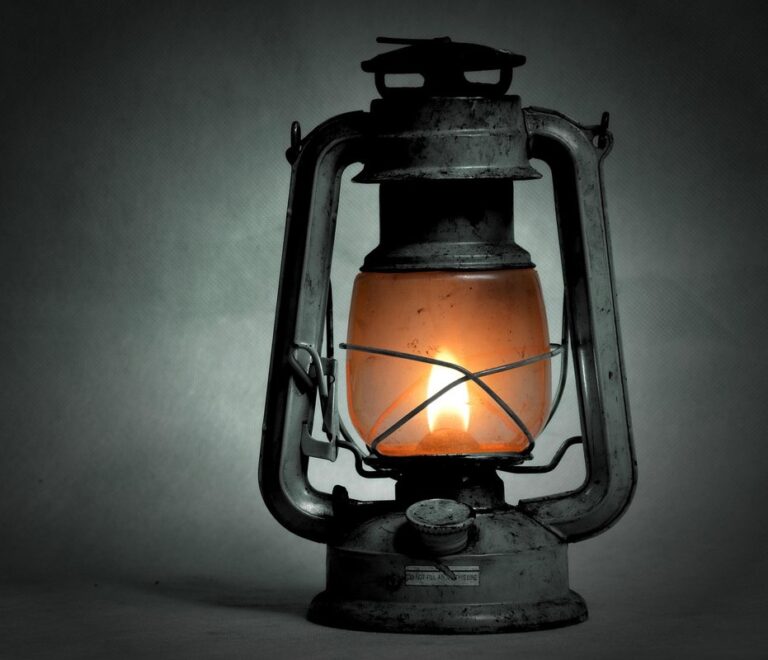
Understanding Victorian Era Lighting
To truly appreciate the beauty of Victorian-style wall lamp shades, it’s essential to understand the lighting options available during that era. We’ll take a closer look at how people lit their homes back then.
The Evolution of Lighting in the 19th Century
The Victorian era was marked by significant advancements in lighting technology. Prior to this time, candles and gas lamps were the primary sources of illumination. However, as the 19th century progressed, inventors like Humphry Davy introduced the first incandescent light bulb in 1802. Although it wasn’t practical for widespread use, this innovation paved the way for later developments.
One major breakthrough came with the introduction of the carbon filament light bulb by Joseph Swan and Thomas Edison in the late 1870s. This design improved upon earlier models by using a carbon thread to conduct electricity. By the 1880s, electric lighting began to replace gas lamps in homes and businesses, revolutionizing the way people lived and worked.
As electric lighting became more widespread, new materials and designs emerged for fixtures and shades. In response to these changes, Victorian-era craftsmen developed intricate metalwork and ornate glass components that complemented the aesthetic of the era’s architectural styles. This evolution not only improved functionality but also added visual appeal to interior spaces.
Key Characteristics of Victorian Lighting
Victorian lighting is characterized by its opulence and grandeur, reflecting the era’s love of ornamentation. One key feature of Victorian lighting is the use of ornate details, such as intricate carvings, gilding, and etchings. These decorative elements are often applied to metal lamp shades or glass, adding a touch of luxury to the overall design.
Rich materials were also prominent in Victorian lighting, with opulent fabrics like velvet, silk, and satin used to create elaborate drapery or upholstery for lamps. Glasswork was another notable feature, with intricate cuts and etchings creating beautiful patterns on lamp shades.
The use of decorative elements was not limited to the design itself but often extended to the hardware as well. Victorian-style wall lamp shades frequently featured bronze or brass fixtures adorned with floral motifs, acanthus leaves, or other ornate designs. When selecting a Victorian-style wall lamp shade, look for these distinctive features to ensure an authentic and period-accurate design.
Designing Your Victorian-Style Wall Lamp Shade
Now that you’ve chosen a style for your wall lamp shade, let’s focus on designing one that fits perfectly with your existing decor. We’ll cover how to select fabrics and patterns that evoke Victorian charm.
Choosing the Right Materials
Traditional Victorian-style lamp shades often feature intricate designs and delicate details. When it comes to choosing materials for a period-correct look, you have several options: silk, linen, and paper are popular choices. Silk, in particular, was prized by the Victorians for its soft glow and subtle sheen. However, it can be prone to yellowing over time.
Linen is another excellent option, offering a crisp texture and clean lines that complement traditional Victorian decor. Its natural weave adds depth and visual interest to any room. On the other hand, paper shades are lightweight and easy to install but may not provide the same level of durability as silk or linen.
When selecting materials for your shade, consider the ambiance you want to create. For example, a silk shade can add a touch of luxury, while a linen shade will contribute to a more rustic feel. Paper shades, meanwhile, are ideal for those who prefer a softer, warmer glow. Be mindful that some materials may be more prone to fading or discoloration with age.
Selecting a Suitable Shape and Size
When selecting a suitable shape and size for your Victorian-style wall lamp shade, consider the room’s dimensions and furniture style. A large, ornate shade may overwhelm a small room, while a delicate one might get lost in a spacious area. Measure the space where the lamp will sit to determine the maximum height and width of the shade.
Think about the style of your furniture and other decor elements in the room. For example, if you have antique or vintage pieces, choose a shade with a more traditional shape, such as a round or oval. If your space has a more modern aesthetic, consider a more geometric shape, like a hexagon or diamond. Personal preference also plays a role – do you prefer a statement piece or something more understated?
Ultimately, the size and shape of the shade should balance with the surrounding decor without overpowering it. A good rule of thumb is to choose a shade that’s roughly 2/3 to 3/4 the height of the wall, leaving some visual breathing room at the top. This will create a sense of harmony in the space and ensure the lamp doesn’t feel imposing or awkward.
DIY vs. Store-Bought: Creating Your Own Victorian-Style Wall Lamp Shade
Creating your own Victorian-style wall lamp shade can be a fun and rewarding project, but it requires some planning and attention to detail. Let’s take a closer look at the benefits of making your own versus buying from a store.
Benefits of Making Your Own Lamp Shade
Creating a custom lamp shade offers several benefits, particularly when aiming for a Victorian-style look. One significant advantage is cost-effectiveness. Store-bought shades often have generic designs and materials that may not perfectly match your desired aesthetic. By making your own, you can repurpose or select specific materials that fit within your budget while achieving the exact appearance you want.
Another benefit of creating a custom shade is the opportunity for creativity. You can experiment with various shapes, sizes, and embellishments to create a unique piece that reflects your personal style. This freedom allows you to incorporate distinctive Victorian-era elements, such as intricate patterns or ornate trim, which may be difficult or expensive to find in pre-made shades.
Additionally, crafting your own shade enables you to tailor it to specific design requirements. For example, you can adjust the size and shape of the shade to fit a unique lamp base or optimize its placement within a specific room layout. This level of customization ensures that your finished product seamlessly integrates with the surrounding decor, creating a cohesive and sophisticated look.
Step-by-Step Guide to Crafting a Traditional Lamp Shade
To craft a traditional Victorian-style wall lamp shade from scratch, start by preparing your materials. You’ll need a piece of parchment paper or muslin, some wooden or plastic ring molds, and a sturdy fabric glue specifically designed for crafting with delicate materials. Make sure to choose a high-quality glue that can withstand the rigors of handling without becoming brittle or discolored over time.
Next, cut out your shade material into a circular shape using scissors or a craft knife. Be precise in your cutting, as any mistakes will be visible from the outside when the shade is assembled. Use a template or a compass to create a smooth, rounded edge that’s characteristic of traditional Victorian-style lamp shades.
Once you’ve cut out the fabric, place it over one of the ring molds and apply a thin layer of glue to the edges. Smooth out any wrinkles or air pockets as you assemble the shade, working from the center outward to avoid trapping excess glue in unwanted places. Allow the glue to dry completely before handling your newly crafted shade.
Store-Bought Options: Tips for Selecting the Perfect Victorian-Style Wall Lamp Shade
When shopping for a store-bought wall lamp shade, consider the materials and finishes that fit your desired Victorian aesthetic, from silk to metal.
Evaluating Quality and Authenticity
When browsing store-bought lamp shades for a traditional Victorian look, it’s essential to evaluate quality and authenticity. First, examine the materials: genuine silk or linen are typical choices for high-quality Victorian-style shades, while synthetic fabrics may lack depth and texture. Look for subtle imperfections like hand-stitching or gentle fading – these signs of craftsmanship can make all the difference in an authentic Victorian design.
Pay attention to the shape and silhouette as well. Traditional Victorian lamp shades often feature a soft, bell-shaped profile with delicate curves. Compare this to more streamlined or angular designs that may be inspired by other periods or styles. Consider the details: ornate metalwork, subtle patterning, or carved wooden bases can all contribute to an authentic Victorian look.
Some manufacturers may use clever marketing or misleading labels to suggest their products are traditional or handmade. Be wary of terms like “Victorian-inspired” or “traditional-style,” which can be vague and unhelpful. If possible, read reviews from other customers who have purchased similar shades – their experiences can provide valuable insights into the product’s quality and authenticity.
Where to Find High-Quality, Affordable Options
Online marketplaces and specialty stores are treasure troves for authentic Victorian-style wall lamp shades. You can find high-quality options on websites like eBay, Etsy, and Ruby Lane. These platforms often feature vintage and antique items from reputable sellers, allowing you to browse a curated selection of genuine pieces.
Vintage shops and local antique stores are also great resources for finding unique, affordable lamp shades. When shopping in-person, inspect the shade carefully for signs of wear, damage, or restoration. Ask the store owner about the item’s history and provenance to ensure it’s an authentic Victorian-era piece. Consider visiting local estate sales, auctions, or flea markets for one-of-a-kind finds.
When purchasing online, be cautious of sellers who claim their items are “authentic” but provide little documentation. Look for clear photos, detailed descriptions, and seller feedback before making a purchase. Some retailers may also offer certification from organizations like the Victorian Society or the National Trust. While these certifications don’t guarantee authenticity, they can indicate a level of expertise and commitment to preserving historical integrity.
Restoration and Upcycling: Transforming Old Lamp Shades into Unique Victorian-Style Decor
Transform old lamp shades into unique Victorian-style decor by giving them a new life through restoration and upcycling techniques, adding character to any room. With these creative methods, you can breathe fresh elegance into your space.
Identifying Potential Candidates
When scouring thrift stores, estate sales, or online marketplaces for potential candidates, keep an eye out for lamp shades with intricate details and ornate metalwork. These characteristics are often hallmarks of Victorian-era craftsmanship. Look for shades made from opalescent glass, which was popular during the period, or those featuring etched or cut designs that evoke a sense of elegance.
Consider the shape and size of the shade as well. Victorian-style lamp shades were often tall and narrow, with a distinctive bell-shaped curve at the top. Avoid shades that are too large or have an overly simplistic design, as these may not fit with your desired aesthetic. Instead, opt for pieces with unique shapes, such as hexagonal or octagonal profiles.
Finally, inspect the shade’s condition closely. While some wear and tear can be a sign of character, excessive damage or staining may indicate that the shade is beyond repair. However, even heavily worn shades can still be upcycled into one-of-a-kind pieces with creative restoration techniques.
Creative Upcycling Ideas and Techniques
Transforming old lamp shades into unique Victorian-style decor is an art form that requires creativity and a keen eye for detail. One of the most effective ways to upcycle a lamp shade is to repurpose it as a unique wall decoration. Consider adding intricate metalwork or delicate lace to create a sense of opulence reminiscent of Victorian-era craftsmanship.
To give your vintage lamp shade a fresh new look, try decoupage with vintage book pages or music sheets in muted colors that evoke the era’s aesthetic. This technique not only adds visual interest but also tells a story through the incorporation of historical text. Alternatively, you can paint the shade with a subtle gold or mercury finish to give it an air of sophistication and timelessness.
When selecting old lamp shades for upcycling, look for ones with intricate details such as etched glass, carved wooden frames, or ornate metalwork. These features will serve as the foundation for your unique design, allowing you to build upon them with additional embellishments like ribbons, tassels, or other adornments that reflect your personal style.
Caring for Your Victorian-Style Wall Lamp Shade: Maintenance Tips and Tricks
To keep your beautiful Victorian-style wall lamp shade looking its best, regular cleaning and maintenance are a must. Learn how to gently dust and clean delicate details without damaging the fabric.
Cleaning and Dusting Techniques
When cleaning and dusting your traditional wall lamp shade, it’s essential to approach the process with care. Avoid using harsh chemicals or abrasive materials that can damage the intricate details or discolor the fabric. For glass shades, a gentle glass cleaner and a soft cloth will suffice. Dip the cloth into the cleaner, wring it out thoroughly, and wipe down the glass in a circular motion.
For fabric shades, start by gently vacuuming the surface with a soft-bristled brush attachment to remove loose dust. Then, mix a solution of mild soap and warm water, and dip a clean cloth into the mixture. Wring out the cloth so it’s damp, not soaking wet, and wipe down the shade in a gentle, overlapping motion.
Some materials, such as silk or velvet, may require special care. For these shades, use a soft-bristled brush to gently sweep away dust and debris, rather than wiping with a cloth. This will help maintain the delicate texture and prevent damage. Regular cleaning will not only keep your Victorian-style wall lamp shade looking its best but also prolong its lifespan.
Storage and Handling Best Practices
When storing your Victorian-style wall lamp shade, avoid exposing it to direct sunlight, which can cause fading and discoloration. Instead, place it in a shaded area or store it away from windows. If you must display the shade, consider using UV-filtering glass or acrylic to minimize damage.
When handling your shade, be gentle to prevent creasing or tearing of the delicate fabric. Use soft gloves or a clean cloth to handle fragile areas, such as the trim or tassels. Avoid touching the surface with oily hands, as this can transfer dirt and cause discoloration.
For transportation, use a sturdy box specifically designed for lamp shades, and fill any empty spaces with packing materials like bubble wrap or tissue paper to prevent movement during transit. You can also place the shade in its original packaging if it’s still available. Never carry the shade by its cord or metal parts, as this can cause damage to the electrical components. By following these storage and handling best practices, you’ll be able to preserve your valuable Victorian-style wall lamp shade for years to come.
Frequently Asked Questions
What if I’m new to DIY projects – can I still create my own Victorian-style wall lamp shade?
Creating your own Victorian-style wall lamp shade is a rewarding project for beginners and experienced crafters alike. Start by choosing simple patterns or shapes, working with readily available materials like paper or silk, and gradually move on to more intricate designs as you gain confidence and skills.
Can I use any type of fabric or material for my Victorian-style wall lamp shade?
While traditional Victorian-era lighting often featured rich, heavy fabrics like silk or linen, modern alternatives can also achieve the desired look. Consider using lightweight materials like cotton or even repurposed textiles to create a unique, vintage-inspired piece without sacrificing durability.
How do I know if a store-bought Victorian-style wall lamp shade is authentic?
When evaluating store-bought options, inspect the shade’s craftsmanship, materials, and attention to detail. Look for subtle signs of wear, such as patina on metalwork or gentle fading of fabrics, which can be indicative of genuine age. Also, research reputable sellers and read reviews from other customers who have purchased similar items.
What if my DIY project doesn’t turn out as expected – how do I troubleshoot common mistakes?
Don’t worry if your first attempt at crafting a Victorian-style wall lamp shade doesn’t meet your expectations. Common issues often arise from misjudging measurements, over- or under-stretching materials, or miscalculating electrical requirements. Review the article’s step-by-step guide and consult online resources to troubleshoot common problems and adjust your approach for future projects.
Can I use a Victorian-style wall lamp shade in a modern setting without it feeling out of place?
While traditional Victorian-era lighting is often associated with antique settings, its ornate details and rich textures can add a touch of elegance to contemporary spaces. To integrate a vintage-inspired wall lamp shade into a modern decor, balance its ornateness with minimalist furniture or sleek accents, and consider placing it in a statement-making location like above a console table or sideboard.