
Vintage sofas have been a staple in home decor for decades, with each era bringing its own unique style and flair. From the opulent curves of Art Deco to the sleek lines of Mid-Century Modern, these classic designs continue to captivate us with their timeless appeal. But beyond their aesthetic beauty, vintage sofas also hold a special place in our hearts as family heirlooms, passed down through generations. Whether you’re an antique enthusiast or simply looking for ways to breathe new life into your living room, identifying and restoring vintage sofas can be a rewarding challenge.
You’ll learn how to spot the distinctive characteristics of various styles, from the glamorous metallic accents of Art Deco to the organic shapes of Mid-Century Modern. With expert tips on restoration and care, you’ll know just what to do to bring your vintage sofa back to its former glory. By the end of this article, you’ll be able to identify, restore, and care for your own vintage sofa with confidence.
Understanding the History of Vintage Sofas
The evolution of vintage sofa styles is deeply rooted in history, and understanding where they came from can help you appreciate their timeless beauty. Let’s take a step back and explore the fascinating stories behind these iconic designs.
The Evolution of Sofa Design in the Early 20th Century
The early 20th century saw a significant shift in sofa design, heavily influenced by the emerging Art Deco and Mid-Century Modern styles. As international trade increased, designers began incorporating exotic materials and motifs into their work. In the 1920s, for example, sofas often featured geometric patterns, metallic accents, and bold colors inspired by African and Asian textiles.
The influence of Art Deco is particularly evident in the use of inlaid woods, such as ebony and mahogany, which were used to create intricate designs on sofa frames. This style’s emphasis on luxury and opulence also led to the incorporation of plush upholstery fabrics, often featuring metallic threads or other decorative elements.
As the century progressed, Mid-Century Modern styles began to emerge, with designers like Charles Eames and Eero Saarinen pushing the boundaries of modern design. Sofas from this era often featured clean lines, minimal ornamentation, and an emphasis on functionality. The use of new materials, such as leather and foam, also became more prevalent, allowing for greater comfort and durability in sofa design.
Key Features of Vintage Sofas from the 1920s to 1960s
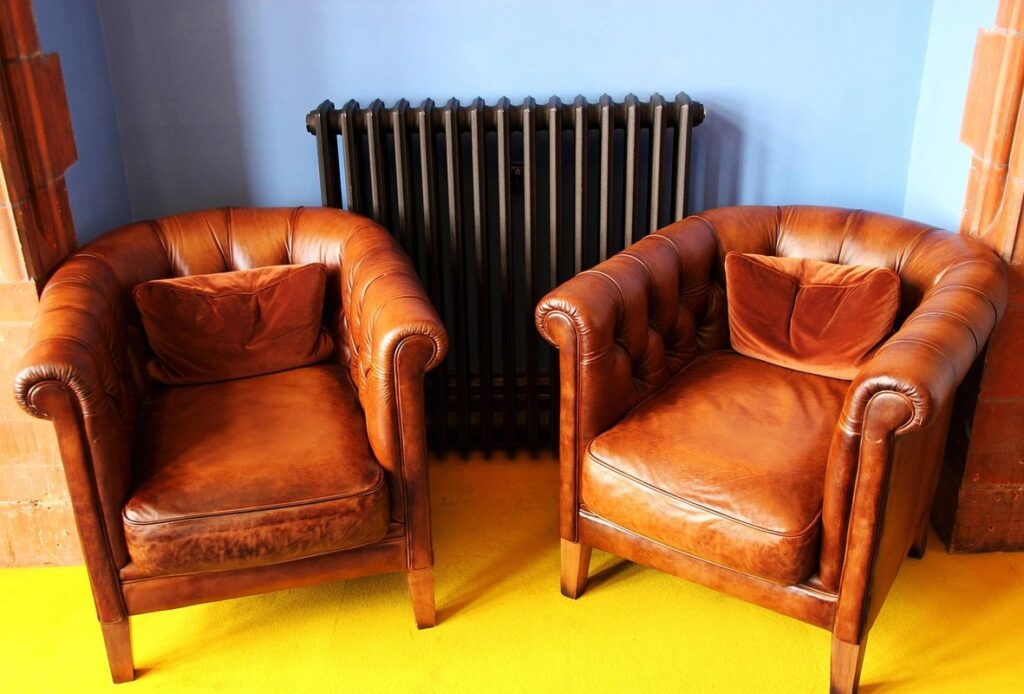
Sofas from the 1920s to 1960s often feature ornate carvings and intricate details, such as carved wooden legs, upholstered armrests, or decorative metal accents. Rolled arms are another distinctive characteristic of this period, providing a comfortable seating area while also showcasing the sofa’s craftsmanship. Tufted upholstery, where buttons are sewn into the fabric to create a textured appearance, was also popular during this time.
The use of velvet and other luxurious fabrics in tufted upholstery added an air of sophistication to these sofas. In contrast, some designs from the 1920s and 1930s feature more streamlined silhouettes and minimal ornamentation, reflecting the influence of modernist design principles. The mid-century period saw a resurgence of ornate details, with designers incorporating bold patterns, bright colors, and exotic woods into their designs.
When searching for vintage sofas from this era, pay attention to these characteristic features: carved wooden legs, rolled arms, tufted upholstery, and luxurious fabrics like velvet. These elements can help you identify the age and style of your sofa, making it easier to determine its value and potential for restoration.
Identifying and Dating Vintage Sofas
When it comes to vintage sofas, being able to identify their age and authenticity is crucial for collectors and enthusiasts. This next part of our guide will walk you through the process of dating your vintage sofa.
Determining Age: A Guide for Collectors
When examining a vintage sofa to determine its age, start by looking at the hardware. Examine the legs, arms, and other metal components for signs of craftsmanship, such as hand-forged details or ornate designs. The presence of brass or bronze hardware is more common in older pieces. In contrast, later models may feature tubular steel or plastic components.
Next, inspect the fabric. Older sofas often feature heavy-duty, tightly woven fabrics like velvet, linen, or canvas. These materials were chosen for their durability and resistance to wear. Look for signs of aging, such as fading, fraying, or pilling. Also, check the stitching – if it’s loose or uneven, it could indicate a later repair.
Other features can also help date a vintage sofa. Consider the shape and design of the cushions, arms, and backrest. For example, sofas from the 1920s often feature rolled arms and low, boxy backs. In contrast, mid-century modern designs typically have tapered legs and a more streamlined silhouette. By examining these details, you can make an educated guess about the age of your vintage sofa.
Authentication: Verifying the Authenticity of Vintage Sofas
Verifying the authenticity of a vintage sofa is crucial to determining its value and provenance. To do so, start by researching the manufacturer or maker of the sofa. Check for any documentation, such as receipts, certificates of authenticity, or labels on the frame or upholstery. Look for signatures or marks from renowned designers or craftsmen.
Some manufacturers, like Baker Furniture, label their products with a serial number that can be used to verify the sofa’s age and authenticity. Others may have a distinct style or design element that is characteristic of their work. For example, sofas made by the iconic designer Dorothy Draper often feature a signature pattern or upholstery fabric.
Check for any stamps or labels on the frame, springs, or other components, which can indicate the manufacturer or era in which the sofa was produced. Online archives and databases, such as those maintained by antique furniture dealers or collectors’ associations, can also provide valuable information about specific manufacturers and their products.
When checking for signatures or labels, be sure to examine the sofa carefully, both inside and out. A thorough inspection may reveal subtle details that confirm its authenticity.
Styles and Trends in Vintage Sofas
When it comes to vintage sofas, distinct styles and trends emerged over the years, reflecting changing tastes and cultural influences of their time. From Art Deco opulence to mid-century modern minimalism.
Victorian-Style Sofas: Characteristics and Design Elements
Victorian-style sofas are characterized by their ornate and elaborate design elements. One of the most distinctive features is the carved wooden frame, often adorned with intricate details such as scrollwork, acanthus leaves, or other motifs. The frames may also feature raised panels, which add to the overall sense of grandeur.
The upholstery on a Victorian-style sofa is typically plush and heavily patterned, featuring fabrics like velvet, brocade, or tapestry. These patterns often include classic motifs such as florals, stripes, or geometric shapes. In some cases, the upholstery may be studded with decorative buttons or other embellishments.
Other design elements that define Victorian-style sofas include rolled arms, rounded cushions, and a low, straight back. The overall silhouette of these sofas is often more compact than modern designs, making them well-suited for smaller rooms or intimate settings. When restoring or purchasing a Victorian-style sofa, look for examples with high-quality craftsmanship and attention to detail – the original carved woodwork, upholstery patterns, and hardware can all be telling indicators of the piece’s authenticity.
Mid-Century Modern Sofas: Clean Lines and Minimalist Aesthetics
Mid-Century Modern sofas are characterized by clean lines and a minimalist aesthetic. Designers of this era often incorporated organic materials into their designs, such as wood and wicker, to create a sense of warmth and naturalness. This emphasis on using organic materials was driven by the desire for comfort and functionality in furniture.
In terms of form, Mid-Century Modern sofas tend to have low profiles and clean lines, with minimal ornamentation. The focus is on simplicity and elegance rather than opulence. Consider a classic example like the Eames Lounge Chair, which features a sleek, minimalist design that prioritizes comfort above all else.
The use of organic materials in Mid-Century Modern sofa design also extended to upholstery choices. Fabrics such as linen and cotton were popular for their breathability and natural texture. These materials not only added a tactile element to the furniture but also helped to create a sense of relaxation and calm. By incorporating these principles into your vintage sofa’s restoration, you can enhance its overall aesthetic appeal while maintaining its historical integrity.
Restoring and Refurbishing Vintage Sofas
You’re probably eager to breathe new life into your vintage sofa, so let’s start with restoring and refurbishing – a crucial step in bringing it back to its former glory. We’ll walk you through the process from scratch.
Preparation and Cleaning: Preparing Your Sofa for Restoration
Before diving into restoration work, it’s essential to thoroughly clean and inspect your vintage sofa. Start by removing any loose debris, such as dust, dirt, or old stuffing. Use a soft-bristled brush to gently sweep away particles from the frame, arms, and legs.
Next, vacuum the upholstery using a gentle suction setting. This will help loosen any embedded dirt without pushing it deeper into the fabric. For more stubborn stains, apply a small amount of mild soap directly to the affected area. Gently work the soap into the stain with a soft-bristled brush, then rinse with clean water.
To address worn or damaged upholstery, assess the type of fabric and damage before proceeding. For minor tears, you can use a fabric repair kit or apply a matching thread to reinforce the area. More extensive damage may require replacing sections of the upholstery altogether.
When cleaning or repairing your vintage sofa’s upholstery, be mindful of its original design elements and try not to alter them unnecessarily. Consider consulting with a professional restorer if you’re unsure about the best approach for your specific piece.
Upholstery Options: Choosing the Right Fabric for Your Vintage Sofa
When restoring a vintage sofa, choosing the right fabric is crucial for maintaining its original character while ensuring it remains durable and functional. Consider the sofa’s intended use: if it will be used frequently, opt for more robust fabrics like velvet or canvas. Conversely, delicate patterns and silks may be better suited for occasional use.
Aesthetic compatibility is also vital. Match the fabric to the sofa’s existing design elements, such as the frame, springs, and hardware. For instance, a vintage sofa with ornate carvings might benefit from a richly textured fabric like brocade or jacquard.
Other factors to consider include color palette and texture. If you’re aiming for a period-accurate look, choose fabrics that would have been available during the sofa’s original era. Avoid bold patterns and bright colors that may clash with the existing design.
Key considerations when selecting fabric include:
• Durability: Choose materials that can withstand regular use
• Aesthetic compatibility: Match the fabric to the sofa’s design elements
• Color palette: Select hues that complement or echo the existing color scheme
• Texture: Balance smooth fabrics with textured ones for visual interest
Tips for Buying and Selling Vintage Sofas
When scouring the market for a vintage sofa, it’s essential to know how to spot a gem from a restoration project. Here are some expert tips on buying and selling these retro beauties.
What to Look for When Purchasing a Vintage Sofa
When purchasing a vintage sofa, it’s essential to consider more than just its aesthetic appeal. Condition is crucial, as even a beautiful piece can be worthless if it’s severely damaged. Inspect the frame, springs, and cushions for signs of wear or decay. Check for any water damage, stains, or odors that may indicate previous restoration attempts.
Provenance, or the sofa’s history, can also impact its value. Look for documentation or labels that confirm the sofa’s age, manufacturer, or original owner. This information can significantly increase the sofa’s worth and authenticity. Be wary of sellers who claim a piece is “highly collectible” without providing concrete evidence.
Authenticity is another key factor to consider. Check for consistent design elements, such as stitching patterns or fabric textures, that match the era in question. Consult reference books, online resources, or expert opinions to verify the sofa’s legitimacy. Some pieces may have been restored or repurposed over time, so carefully assess any modifications to determine their impact on the overall value and authenticity of the piece.
Pricing Guide: How Much Should You Pay for a Vintage Sofa?
When setting a price for a vintage sofa, consider three key factors: rarity, condition, and market demand. The most valuable pieces are often those from renowned designers or manufacturers with limited production runs. For example, a 1950s-era Eames lounge chair can command high prices due to its scarcity.
Condition also plays a significant role in determining value. A well-preserved vintage sofa with original upholstery and minimal wear can retain its original price tag or even appreciate over time. Conversely, a worn-out or damaged piece may need costly repairs before it can be sold at a reasonable price. Assessing the condition involves inspecting for signs of aging, stains, tears, or other damage.
Market demand is another crucial factor to consider. A vintage sofa that’s in high demand among collectors or interior designers can fetch higher prices than one with low interest. Consider the current design trends and which styles are currently popular. Research online marketplaces, antique shops, and auction houses to gauge the going price for similar pieces. As a rule of thumb, set aside 10-20% of the estimated value for restoration costs to ensure you’re not overpaying.
Care and Maintenance of Vintage Sofas
To keep your vintage sofa looking its best, regular cleaning and maintenance are essential to preserve its unique character and extend its lifespan. This includes tasks like dusting, polishing, and repairing any damage that may occur over time.
Cleaning and Upkeep: Tips for Preserving Your Vintage Sofa’s Condition
When cleaning a vintage sofa, it’s essential to use gentle cleaning products to preserve its condition. Avoid harsh chemicals like bleach, ammonia, and strong detergents, as they can damage the fabric or strip away its original finish. Instead, opt for mild soap solutions or specialized cleaning products designed specifically for upholstery.
For delicate fabrics like velvet or silk, use a soft-bristled brush to gently remove dirt and dust before applying any cleaning solution. For more robust materials like linen or cotton, you can use a clean cloth dampened with water, but avoid soaking the fabric as it may cause shrinkage.
Regular vacuuming is also crucial for maintaining your vintage sofa’s condition. Use a handheld vacuum cleaner or a gentle suction setting to remove dust and dirt from crevices and seams without damaging the upholstery. For tougher stains, try applying a small amount of white vinegar directly to the stain before wiping clean with a damp cloth.
When cleaning your vintage sofa, always test a small, inconspicuous area first to ensure the cleaning solution or product won’t damage the fabric.
Storage and Transportation: How to Move Your Vintage Sofa Safely
When moving a vintage sofa, it’s essential to prioritize its safety and protection. You’ll need to take extra precautions to prevent damage during transportation and storage. First, cover the sofa with a high-quality, breathable fabric protector that won’t scratch or mark the upholstery. This will shield your sofa from dust, dirt, and moisture.
To pad the sofa for transport, use foam corners or wrap it in thick blankets to cushion any potential bumps. Avoid using plastic bags or cheap covers that can cause condensation and damage the frame or padding. Instead, opt for a sturdy cardboard box specifically designed for moving furniture.
If you’re storing your vintage sofa, consider keeping it upright rather than folding or reclining it. This will help prevent creases and pressure marks on the fabric. If storage space is limited, wrap the sofa in acid-free tissue paper or use plastic sheeting to protect it from dust. When transporting the sofa, ensure the moving vehicle is climate-controlled and won’t expose your vintage piece to extreme temperatures.
Avoid using rope or twine to secure the sofa, as this can damage the frame or leave marks on the upholstery. Instead, opt for soft padding or straps specifically designed for securing furniture during transport.
Frequently Asked Questions
Can I restore my vintage sofa with mismatched upholstery?
Yes, it’s possible to combine different fabrics and styles when restoring a vintage sofa. However, consider the overall aesthetic and ensure that the chosen materials are compatible in terms of texture, color, and durability.
How do I know if a vintage sofa is worth refinishing or should be left as is?
Assess the sofa’s condition, considering factors like structural integrity, wear, and tear. If it’s a rare or unique piece with significant historical value, refinishing might be beneficial. Otherwise, leaving it as is can preserve its original character.
What if I’m not experienced in restoring vintage furniture – can I still do it?
Yes, you don’t need to be an expert to restore a vintage sofa. Start by researching the specific style and techniques involved. Consider enlisting help from friends or professionals for more complex tasks, and remember that mistakes are often part of the learning process.
Can I replace the old springs in my vintage sofa with modern ones?
Yes, replacing outdated springs with new ones can improve comfort and support. However, be mindful of preserving the original integrity of the sofa’s design. Consult a professional or do thorough research to ensure you choose springs that are compatible with your specific sofa model.
How can I determine if a vintage sofa is worth selling at an antique auction?
Research similar sofas sold at auctions in the past to estimate their value. Consider factors like rarity, condition, and provenance (documentation of ownership history). Consult with a professional appraiser or auction house expert for guidance on pricing and sale strategies.