
As a music enthusiast, you’ve likely spent hours curating your vinyl record collection, carefully selecting each album and admiring the artwork. But with a growing collection, it can be challenging to keep your records organized and easily accessible. This is where a vinyl record storage shelf with dividers comes in – a practical and stylish solution for music lovers. Not only do these shelves provide a safe and secure space for your records, but they also add a touch of music-themed decor to your home. In this article, we’ll explore the best vinyl record storage shelves with dividers, highlighting key features to consider when choosing the right one for your needs, and provide a step-by-step guide on how to install them with ease, so you can keep your collection organized and protected.
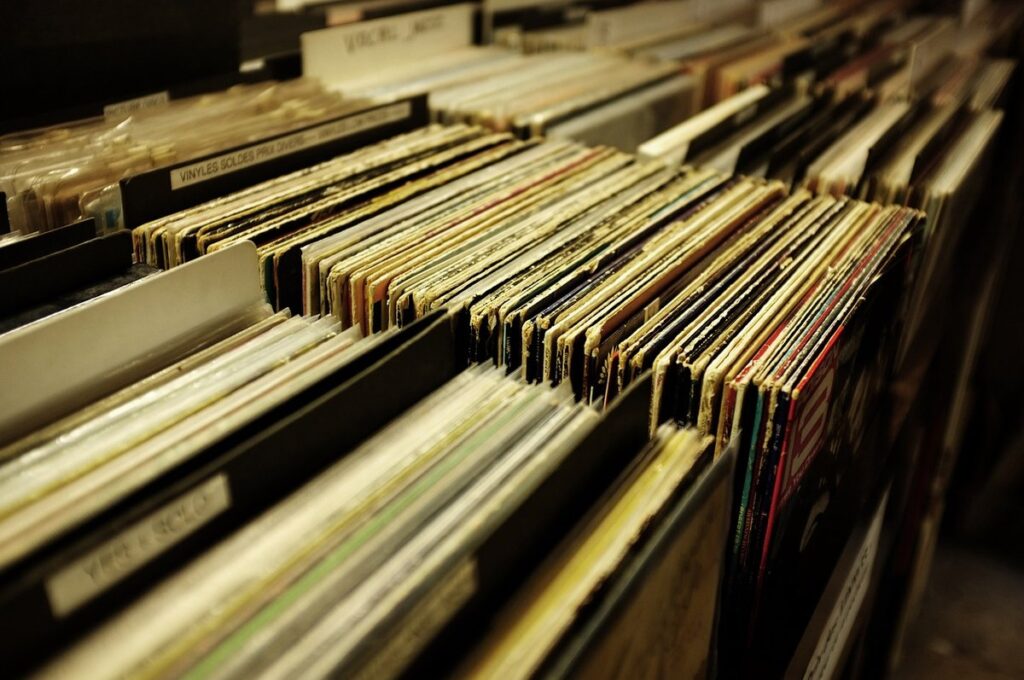
Choosing the Right Vinyl Record Storage Shelf
When selecting a vinyl record storage shelf, there are several factors to consider to ensure you find the perfect solution for your needs and space. This section highlights the key considerations to keep in mind.
Types of Vinyl Record Storage Shelves
When it comes to storing your vinyl record collection, you have several options for vinyl record storage shelves. Wall-mounted shelves are a great space-saving solution, perfect for small rooms or apartments. They usually come with a sturdy bracket that can hold a significant weight, making them ideal for heavy record collections. Additionally, wall-mounted shelves can help keep your floor clear, creating a more open and airy feel in your room.
Freestanding shelves, on the other hand, offer more flexibility in terms of placement and design. They can be moved from room to room, and some models even come with wheels for easy mobility. Freestanding shelves also provide more storage capacity than wall-mounted shelves, making them a great option for larger collections. Corner shelves are another type of vinyl record storage shelf that can help maximize storage space in small rooms. They are designed to fit snugly into corners, providing additional storage for your records without taking up valuable floor space.
In terms of materials, vinyl record storage shelves come in a variety of options, including wood, metal, and glass. Wooden shelves offer a classic look and can be stained or painted to match your home decor. Metal shelves are more modern and sleek, often featuring a minimalist design. Glass shelves provide a transparent and airy feel, perfect for showcasing your record collection.
Measuring Your Space for the Perfect Fit
To ensure your vinyl record storage shelf fits comfortably in your space, it’s essential to measure your room, doorways, and stairways accurately. Start by measuring the width of your doorways and stairways to ensure the shelf will fit through these openings. Consider the thickness of the shelf and any dividers you plan to use, as these will add to the overall width.
Measure the height of your ceiling and any obstructions, such as light fixtures or beams, to determine the maximum height of your shelf. Take note of any corners or angles that may require extra clearance. Measure the length and width of the area where the shelf will sit, leaving enough space between the shelf and any surrounding furniture for easy access.
A good rule of thumb is to leave at least 2-3 inches of clearance on each side of the shelf to allow for easy removal and addition of records. Also, consider the depth of your shelf, as some vinyl record storage shelves have a deeper profile than others. Measure the space carefully to avoid having to return the shelf or having it stuck in a doorway.
Considering the Capacity of Your Shelf
When choosing a vinyl record storage shelf, it’s essential to consider the number of records you plan to store and the shelf’s capacity. This might seem obvious, but it’s surprising how often people underestimate the space they need. A general rule of thumb is to allocate about 1-2 square feet of shelf space per 20-30 records. This assumes a moderate-sized record with a standard cover size.
However, if you have larger records, such as picture discs or gatefolds, you’ll need more space. Additionally, if you plan to store your records in a humid or dusty environment, you may need to consider a shelf with increased capacity to accommodate the extra records you’ll need to store. Adjustable dividers can be a valuable feature in this regard, as they allow you to customize the shelf to fit your specific needs.
To make the most of your shelf’s capacity, think about the types of records you have and how they’re organized. Do you have a large collection of albums, or are you primarily a singles collector? Consider the size and shape of your records, as well as any special storage requirements they may have. By considering these factors, you can choose a shelf that meets your needs and provides the best storage solution for your vinyl record collection.
Benefits of Using Vinyl Record Storage Shelves with Dividers
When it comes to showcasing your vinyl collection, utilizing storage shelves with dividers is a game-changer for organization and accessibility. This section highlights the key benefits of using these shelves.
Organizing Your Vinyl Record Collection
Organizing your vinyl record collection can be a daunting task, but a vinyl record storage shelf with dividers can make it a breeze. By using dividers, you can categorize your records by genre, artist, or album, keeping similar records together and making it easy to find what you’re looking for. This also helps to reduce clutter and keep your records dust-free.
For example, you can dedicate a section to your favorite albums, another to your classical collection, and a third to your rare or collectible records. You can also use dividers to create separate sections for your 7-inch and 12-inch records, or for your colored vinyl records. By organizing your records in a logical and visually appealing way, you can enjoy your collection even more.
When choosing dividers, consider the width of your records and the space between them. You’ll want to select dividers that are tall enough to separate your records, but not so tall that they obscure the labels. Most shelves come with adjustable dividers, which allow you to customize the layout to fit your specific needs.
Protecting Your Vinyl Records from Damage
Dividers play a crucial role in protecting your vinyl records from damage, particularly when it comes to scratches, dents, and dust accumulation. By separating each record, you prevent them from colliding and causing scratches or dents on their surfaces. This is especially important for delicate or rare records that are prone to damage.
When choosing dividers, consider the thickness and material of the divider itself. Thicker dividers made from sturdy materials like wood or plastic are more effective at preventing records from moving around and colliding.
To minimize dust accumulation, use dividers with smooth surfaces that allow for easy cleaning. Avoid dividers with intricate designs or textures that can trap dust particles. Regularly cleaning your shelf and dividers will also help prevent dust buildup.
For maximum protection, consider using dividers with individual compartments for each record. These compartments can be adjusted to fit records of different sizes, ensuring a snug and secure fit. This will prevent records from shifting or getting damaged during storage. By using dividers with these features, you can enjoy your record collection while keeping it safe from damage.
Aesthetic Appeal and Home Decor
A vinyl record storage shelf with dividers can be a beautiful addition to any room, adding a touch of music-themed decor that’s both functional and visually appealing. The shelves’ design and materials can vary greatly, ranging from minimalist and modern to vintage-inspired and ornate. You can choose a shelf that complements your home’s aesthetic, such as a sleek glass shelf for a contemporary look or a wooden shelf with a distressed finish for a more rustic feel.
Incorporating dividers into your vinyl record storage shelf can also add a decorative element. Some dividers come with decorative trim or edges, while others feature patterns or designs that can be matched to your home’s decor. You can even repurpose old vinyl record albums or CDs to create unique divider inserts that add a personal touch.
Consider placing your vinyl record storage shelf in a prominent location, such as a living room or home office, to create a focal point that showcases your collection. You can also use the shelves as a conversation starter when entertaining guests. By choosing a vinyl record storage shelf with dividers, you can not only protect your records but also create a beautiful and functional piece of home decor.
How to Choose the Right Dividers for Your Vinyl Record Storage Shelf
When it comes to organizing your record collection, selecting the right dividers is crucial to maximize storage efficiency and protect your vinyls. Let’s discuss the key factors to consider when choosing the perfect dividers for your shelf.
Materials and Durability
When it comes to the materials used for dividers in vinyl record storage shelves, there are several options to consider. Plastic dividers are often the most affordable and lightweight choice, but they may not be as durable as other materials. Some plastic dividers are made with high-quality materials that are resistant to scratches and damage, but they can still be prone to warping or bending over time.
Wooden dividers, on the other hand, offer a more premium look and feel. They can be made from a variety of types of wood, such as maple or walnut, and can be stained or painted to match the rest of the shelf. Wood dividers are generally more durable than plastic and can withstand scratches and scuffs, but they may require more maintenance to keep them looking their best.
Glass dividers offer a sleek and modern look, and are often used in high-end vinyl record storage shelves. They are highly resistant to scratches and damage, but can be prone to breakage if dropped. If you choose to use glass dividers, be sure to handle them with care and consider using a protective coating to prevent damage.
Adjustable vs. Fixed Dividers
When it comes to dividers for your vinyl record storage shelf, you have two main options: adjustable and fixed dividers. Adjustable dividers offer flexibility and versatility, allowing you to customize the layout of your records as needed. This is particularly useful if you have a collection that’s constantly growing or if you like to regularly rotate your records. With adjustable dividers, you can easily reconfigure the shelves to accommodate new additions or to create a visually appealing display.
However, adjustable dividers may lack the stability and rigidity of fixed dividers. Without a secure anchor point, the dividers can shift or collapse under the weight of multiple records, potentially causing damage to your collection. Fixed dividers, on the other hand, provide a sturdy and unshakeable barrier between each record compartment, ensuring that your records remain organized and protected.
If you do choose to use fixed dividers, consider the potential limitations on reconfiguring your shelf in the future. Adjustable dividers, while potentially less stable, offer a greater degree of flexibility and adaptability. Ultimately, the decision between adjustable and fixed dividers will depend on your specific needs and preferences.
Customizing Your Dividers for a Personal Touch
When it comes to customizing your dividers, the possibilities are endless. You can choose colors and designs that complement your vinyl record collection, creating a unique and personalized look for your shelf. Consider the color scheme of your room and the aesthetic of your records. For example, if you have a collection of vintage records with vintage covers, you might opt for dividers with a distressed or retro-inspired finish.
Alternatively, if you have a more modern record collection, sleek and minimalist dividers might be the way to go. You can also choose dividers with designs that match the theme of your records. For instance, if you have a collection of jazz records with classic album artwork, you might choose dividers with a similar design aesthetic.
If you’re feeling crafty, you can even DIY your own dividers with paint, stickers, or other creative materials. This can be a fun and cost-effective way to add a personal touch to your shelf. When customizing your dividers, remember to choose materials and finishes that are durable and easy to clean, to ensure they withstand the test of time and remain a beautiful addition to your record collection.
Installing and Assembling Your Vinyl Record Storage Shelf
Now that you’ve got your vinyl record storage shelf with dividers, let’s move on to the fun part – putting it together and making sure it’s sturdy and secure. This section will walk you through the installation and assembly process.
Pre-Assembly Checklist
Before you start assembling your vinyl record storage shelf, take a few minutes to review the instructions and gather the necessary tools. This will save you time and frustration in the long run. Begin by reading the assembly manual from start to finish, even if you’re confident in your DIY skills. Pay attention to any specific requirements or recommendations for your particular shelf model.
Next, collect all the tools and hardware included with your purchase. This might include a screwdriver, Allen wrench, or other specialized tools. Double-check that all the parts are accounted for and that you have any additional fasteners or accessories required for assembly.
Take a moment to familiarize yourself with the shelf’s design and layout. Identify any areas where you’ll need to be particularly careful, such as when attaching dividers or supports. Make sure you have a clear workspace and that any clutter or obstructions are removed. By taking these simple precautions, you’ll be well-prepared to tackle the assembly process and enjoy a smooth, stress-free installation.
Step-by-Step Assembly Instructions
Begin by unpacking the shelf’s components, which typically include the main frame, shelves, dividers, and any hardware for assembly. Check the manufacturer’s instructions for any specific requirements or recommendations. Next, attach the shelves to the main frame using the provided screws or bolts. Make sure they’re evenly spaced and aligned with the shelf’s edges.
Once the shelves are in place, it’s time to install the dividers. These usually come in the form of removable inserts or clips that can be adjusted to fit your specific record size. Follow the manufacturer’s guidelines for installing the dividers, taking care to align them with the shelf’s edges.
If your shelf comes with adjustable dividers, ensure they’re securely fastened to prevent them from shifting during use. Finally, double-check the entire assembly for stability and balance. This may involve testing the weight capacity of the shelves and ensuring the dividers are evenly spaced. Proper assembly will help maintain the structural integrity of your vinyl record storage shelf and keep your records organized and protected.
Troubleshooting Common Issues
When installing your vinyl record storage shelf, you may encounter issues with uneven shelves or missing parts. If you notice that your shelves are not level, check the instructions for any specific assembly requirements. Ensure that all screws and bolts are tightened evenly, as uneven tightening can cause the shelves to become misaligned. If the problem persists, try adjusting the shelves by loosening the screws and repositioning them.
Another common issue is missing parts. Double-check the packaging and instructions to confirm that all components are included. If a part is missing, contact the manufacturer for replacement or support. To avoid this issue in the future, keep all packaging materials and instructions in a safe place, and verify the contents before starting the assembly process.
A small adjustment to the shelf’s design can also help with uneven shelves. Consider using shims or adjusting the shelf’s position to ensure it is level. For example, if the shelf is too wide for the space, you can use shims to raise the edges and create a stable surface. By addressing these common issues, you can ensure a smooth and successful installation of your vinyl record storage shelf.
Maintenance and Care of Your Vinyl Record Storage Shelf
To keep your vinyl record storage shelf in top condition, regular cleaning and dusting are essential, along with checking for any scratches or damage.
Cleaning and Dusting Your Shelf
When cleaning your vinyl record storage shelf, it’s essential to use gentle cleaning products that won’t damage the materials. A microfiber cloth is an excellent tool for dusting and cleaning your shelf, as it’s gentle and effective. For tougher stains or grime buildup, you can use a mild soap solution, but be sure to test it on a small, inconspicuous area first.
Avoid using harsh chemicals or abrasive cleaners, as they can damage the finish or harm the shelf’s structure. Instead, opt for a gentle, pH-neutral cleaner specifically designed for cleaning surfaces. For particularly stubborn stains, a soft-bristled brush can help loosen the debris without scratching the surface.
To keep your shelf clean and dust-free, aim to dust it at least once a month. Use a microfiber cloth to gently wipe down the entire shelf, paying extra attention to areas with high dust accumulation. You can also use a dusting spray specifically designed for electronics and surfaces to help attract and trap dust particles.
Regular cleaning and dusting will not only keep your shelf looking its best but also protect your vinyl records from dust and debris.
Protecting Your Records from Dust and Moisture
To keep your vinyl records in pristine condition, it’s essential to protect them from dust and moisture. Regularly cleaning your records can help prevent dust from accumulating and causing scratches or cracks. Use a record cleaning kit, which typically includes a cleaning solution and a soft brush. Dip the brush into the solution, and gently wipe the record from the outer edge to the center. Avoid applying too much pressure, which can damage the vinyl.
Record sleeves also play a crucial role in protecting your records. Store each record in a sleeve that fits snugly around the jacket. This will prevent dust and moisture from seeping in and causing damage. You can also use acid-free tissue paper or archival-quality sleeves to further prevent damage. When storing your records, make sure to keep them upright to prevent moisture from accumulating on the surface.
It’s also a good idea to regularly inspect your records for signs of dust or moisture damage. Check for any visible signs of wear or tear, and address any issues promptly. By taking these simple steps, you can help extend the life of your vinyl records and keep them sounding their best.
Regular Maintenance to Extend Shelf Life
Regular maintenance is crucial to extend the life of your vinyl record storage shelf. Over time, your shelf will inevitably accumulate dust, dirt, and other debris that can compromise its structural integrity and damage your records. To prevent this, inspect your shelf regularly for signs of wear and tear, such as loose screws, warped wood, or scratches on the surface. Make a habit of checking the dividers for any damage or misalignment, and adjust or replace them as needed.
To keep your shelf clean, dust it with a soft cloth and gentle cleaning product every 1-2 months. You can also use a microfiber cloth to wipe down the surfaces and remove any stubborn stains. In humid environments, consider applying a clear coat of varnish to protect the wood from moisture. Additionally, avoid placing your shelf near direct sunlight or heat sources, as this can cause warping or discoloration.
By performing these simple maintenance tasks, you can ensure your vinyl record storage shelf remains in good condition, protecting your records and extending the shelf’s lifespan.
Frequently Asked Questions
Can I use a vinyl record storage shelf with dividers in a small room with limited space?
Yes, you can use a vinyl record storage shelf with dividers in a small room with limited space by measuring your space carefully and choosing a shelf that fits comfortably, taking into account the dimensions of the shelf and the space between the records.
How do I protect my vinyl records from dust accumulation when using a shelf with dividers?
To protect your vinyl records from dust accumulation when using a shelf with dividers, you can use record cleaning kits and microfiber cloths to regularly clean and dust the records, and also consider using record sleeves to keep the records clean and protected.
Can I customize the dividers to match my personal style and vinyl record collection?
Yes, you can customize the dividers to match your personal style and vinyl record collection by choosing dividers made from materials that match your shelf, such as wood or glass, and also by choosing dividers with unique designs or colors that complement your vinyl record collection.
What if I have a large collection of vinyl records and need a shelf with a high capacity?
If you have a large collection of vinyl records and need a shelf with a high capacity, you should consider choosing a shelf with adjustable dividers that can be customized to fit your specific needs, and also consider choosing a shelf made from durable materials that can withstand the weight of your records.
Can I use a vinyl record storage shelf with dividers in a room with high humidity or moisture?
While vinyl record storage shelves with dividers can be used in most rooms, it’s not recommended to use them in rooms with high humidity or moisture, as this can cause damage to the records and the shelf, and instead consider using a shelf made from moisture-resistant materials or taking steps to control the humidity in the room.