
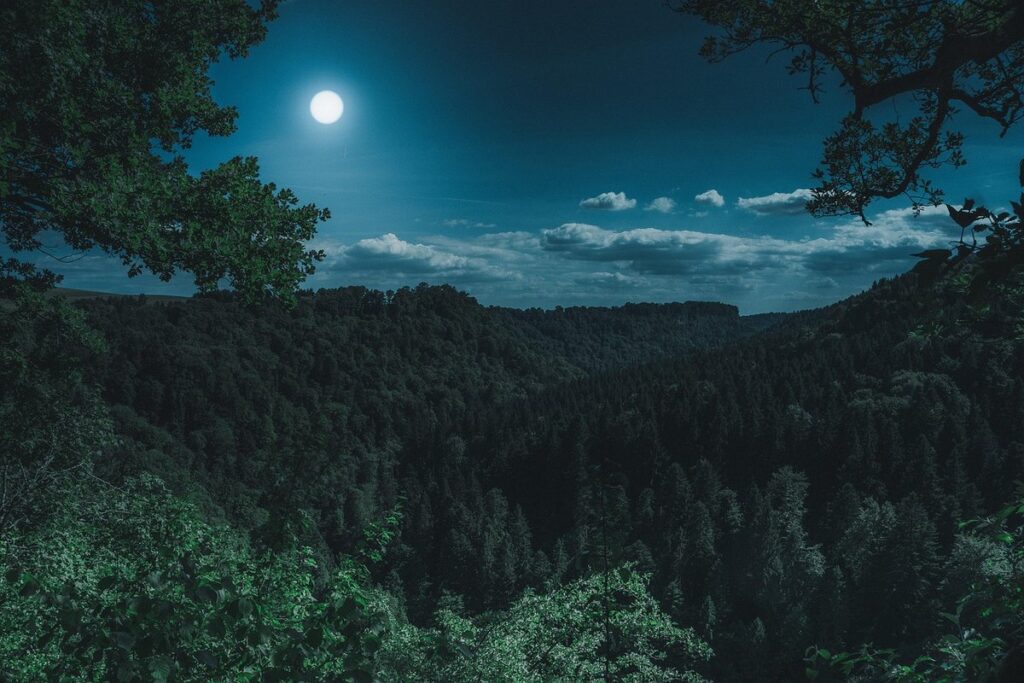
The night sky is about to put on a spectacular show as the full moon rises high. For centuries, humans have been fascinated by the full moon, its effects on our emotions and behavior, and the way it’s perceived in various cultures around the world. In astrology, the full moon is considered a significant event that can influence our lives in profound ways. But beyond its cultural and spiritual significance, the full moon also has real-world effects, from tidal patterns to animal behavior. You might be wondering how the timing of the full moon impacts us, or what it means when we experience multiple full moons in quick succession. In this article, we’ll explore the science behind the full moon, its history and cultural associations, and what it really means for humans and animals alike. By the end of this article, you’ll understand the complexities of the full moon’s influence on our lives.
Lunar Cycle Basics
Understanding the lunar cycle is essential for appreciating the significance of a full moon, and it all starts with knowing the basic phases of the moon. Let’s break down the key stages that lead up to this spectacular event.
Understanding the Phases of the Moon
The moon’s cycle is often misunderstood, but understanding its phases can enhance our appreciation for its significance. The four main phases are new moon, full moon, quarter moons (first and last), and eclipses.
A new moon occurs when the side of the moon facing Earth is not illuminated by the sun. This phase is typically marked by a dark sky and is often associated with new beginnings and fresh starts. Conversely, a full moon happens when the entire face of the moon is lit up by the sun’s rays, making it visible throughout the night.
Quarter moons occur when the moon is half-illuminated, either on its first quarter (when the right half is bright) or last quarter (when the left half is illuminated). These phases have historically been used to mark time and track the passage of days. Eclipses, which can be solar or lunar, occur during new moons or full moons when Earth passes between the sun and moon.
To better understand these phases, observe them personally – note how your mood, energy levels, and surroundings change as each phase progresses. This awareness can help you tap into the full moon’s power and significance in a more intuitive way.
How Often Does a Full Moon Occur?
A full moon occurs approximately once every 29.5 days, which is roughly the time it takes for the Moon to orbit the Earth. However, due to the way our calendar year is structured, we don’t have a whole number of lunar cycles within a calendar year. As a result, we end up with extra full moons, often referred to as “blue moons.” These occur when an additional full moon appears in a month where it’s not typically expected.
To understand why this happens, let’s break down the lunar cycle and its relationship with our calendar. Since there are 365 days in a year (except for leap years, which add an extra day), we’d need to account for the extra time it takes for the Moon to orbit the Earth. This discrepancy is where blue moons come in – they help keep our calendar in sync with the lunar cycle. In terms of frequency, you can expect around 2-3 blue moons per decade.
Cultural and Historical Significance of Full Moons
Full moons have been imbued with spiritual significance across cultures for centuries, each one reflecting a unique energy and emotional resonance. From ancient myths to modern-day rituals, we’ll explore their rich cultural heritage.
Mythology and Folklore
Many cultures have imbued the full moon with mythological and folkloric significance. In ancient Greece, for example, the full moon was associated with the goddess Selene, who rode across the sky each night in a chariot. Similarly, in Norse mythology, the full moon was linked to the god Odin’s journey through the heavens. In many Indigenous cultures of North America, the full moon is seen as a time for spiritual renewal and connection with nature.
The full moon has also been associated with various supernatural events and creatures throughout history. For instance, the “werewolf legend” – where humans transform into wolves during the full moon – has its roots in ancient European folklore. In some cultures, the full moon is believed to amplify magical powers or increase the risk of curses. These associations often serve as a reminder of the moon’s mystical hold on human imagination.
To tap into this cultural significance, you can explore your own family’s traditions and mythologies surrounding the full moon. Perhaps there are stories passed down through generations about how ancestors celebrated or revered the full moon. By honoring these connections to our collective past, we can deepen our appreciation for the full moon’s enduring power and significance.
Ancient Calendars and Lunar Cycles
Ancient civilizations recognized the importance of lunar cycles, using them to plan their calendars, festivals, and agricultural activities. Many cultures aligned their calendars with the 29.5-day lunar cycle, resulting in months that sometimes coincided with a full moon. For example, the ancient Egyptians divided their calendar into three seasons, each beginning on the day of a new moon. The Babylonians, on the other hand, used a lunisolar calendar, which combined the cycles of the moon and the sun to create a 12-month year.
In many societies, festivals and celebrations were tied to specific lunar events. The ancient Greeks, for instance, honored the full moon with festivals dedicated to their goddess Selene. Similarly, the Celts in Northern Europe observed the autumnal equinox, which often fell on or near a full moon. By tracking these cycles, ancient cultures could plan their agricultural activities around the optimal times for planting and harvesting.
To apply this knowledge today, consider observing the lunar cycles when planning your own schedule and activities. For instance, you might choose to plant seeds during the new moon phase, allowing them to germinate under the gentle light of the increasing moon.
Scientific Facts About Full Moons
A full moon has long been a source of fascination, but did you know that it also affects our environment and wildlife in some remarkable ways?
From tidal patterns to animal behavior, let’s examine the surprising scientific facts behind this lunar phenomenon.
Tidal Forces and Ocean Behavior
A full moon has a significant impact on ocean behavior due to tidal forces. These forces are caused by the gravitational pull of the moon on Earth’s oceans. The moon’s gravity causes the water to bulge out in two areas: one on the side of the Earth facing the moon and the other on the opposite side. This creates two high tides and two low tides each day, but their effect is amplified during a full moon.
The increased tidal force can lead to higher high tides and lower low tides, resulting in coastal erosion, flooding, and damage to shorelines. For example, during a full moon, the tide may rise by as much as 10 feet or more, causing significant damage to coastal areas. This is why some communities have developed flood-control measures and emergency plans for full moon events.
Coastal residents can prepare for these events by checking weather forecasts and tidal predictions, which are often available online or through local news sources. They should also take steps to protect their properties, such as sandbagging or installing storm shutters, to minimize damage from flooding.
Full Moon and Weather Patterns
Research has been conducted to explore whether there’s a correlation between full moons and changes in weather patterns. Some studies have suggested that full moons may be linked to increased storm activity. A 2015 study published in the journal “Weather” found that tropical cyclones were more frequent during full moon phases, possibly due to tidal forces exerting greater pressure on the atmosphere.
Other research has looked into the relationship between full moons and temperature fluctuations. While these findings are not conclusive, some scientists have proposed that the gravitational pull of the full moon could influence atmospheric circulation patterns, leading to changes in temperature and precipitation. However, it’s essential to note that these studies often rely on observational data rather than direct experimentation.
The implications of a potential link between full moons and weather patterns are significant. If confirmed, this relationship could have practical applications for meteorologists and emergency responders. For example, being aware of the full moon phase might allow for more accurate storm forecasting or better preparedness for extreme weather events. While further research is needed to fully understand this phenomenon, it’s an intriguing area of study that continues to capture scientific interest.
Effects of Full Moons on Humans and Animals
During a full moon, many people report heightened emotions and changed behavior in both humans and animals alike. Let’s examine some fascinating examples of how this lunar phenomenon affects all living beings.
The Lunar Cycle and Human Behavior
Research has explored various connections between full moons and human behavior. Some studies have found correlations between increased crime rates and full moon phases. A 2013 study published in the journal “BMC Psychiatry” analyzed data from a UK police database and reported a significant spike in violent crimes during the full moon phase.
Other research suggests that emergency room visits also increase during full moons. A 2007 study published in the “Journal of Emergency Medicine” found that ER admissions for injuries rose by an average of 11% during periods with a full moon. While these findings are intriguing, it’s essential to note that most studies have small sample sizes and rely on observational data.
Some researchers propose that changes in lunar cycles affect human hormone levels and circadian rhythms, contributing to increased aggression or erratic behavior. However, more research is needed to confirm this hypothesis. A few hospitals and mental health facilities incorporate full moon tracking into their planning, anticipating potential surges in patient admissions.
Animal Behavior and Migration Patterns
Many animals exhibit unique behaviors during full moons, often influenced by changes in lunar cycles. In some species, these modifications are related to migration patterns. For example, wolves and coyotes may synchronize their migrations with the full moon, utilizing its illumination for navigation. Similarly, birds like the Arctic tern and the great shearwater have been observed making long-distance flights during peak moon phases.
Breeding habits are another area where animals respond to the full moon. Many marine mammals, such as sea lions and seals, give birth to their young during full moons due to the increased tidal activity. This allows them to take advantage of more abundant food sources in shallow coastal waters.
Nocturnal creatures also exhibit altered activity patterns under the full moon’s influence. Some animals become more active at night, while others retreat to sheltered areas during this phase. A notable example is the behavior of cats and other felines, which tend to prowl more extensively at night when a full moon is present.
Full Moons in Astrology and Spirituality
The full moon is a potent time for spiritual growth, and understanding its influence on our emotions, intuition, and connection to the universe can be incredibly empowering. We’ll explore how full moons interact with astrology and spirituality.
The Role of the Moon in Astrology
In astrology, the full moon is considered a powerful symbol of completion, fulfillment, and illumination. Its significance varies across different zodiac signs, with each sign associated with unique themes, energies, and planetary influences. For example, during a full moon in Leo, fiery energy and creativity are emphasized, making it an ideal time for artistic expression and self-confidence. Conversely, a full moon in Scorpio can amplify intensity and passion, prompting deep emotional release and transformation.
Astrological practitioners often consider the lunar cycle’s relationship with planetary alignments, such as conjunctions and oppositions, to interpret the full moon’s impact. A full moon conjunct Mars, for instance, may heighten energy and drive, while a full moon opposite Jupiter can bring expansion and growth opportunities. By examining the specific zodiac sign and planetary configurations involved, individuals can tap into the unique energies of each full moon and align their intentions with its themes.
When working with astrology, it’s essential to recognize that the full moon’s significance is not solely defined by its position in a particular zodiac sign. Rather, it’s the culmination of complex astrological relationships, which can be used to guide personal growth, decision-making, and spiritual exploration.
Spiritual and Mystical Associations
Full moons have long been associated with spiritual and mystical practices across various cultures and traditions. In many Eastern spiritualities, such as Buddhism and Hinduism, full moons are considered auspicious times for meditation, prayer, and introspection. For example, the full moon is often seen as a time to let go of attachment and ego, allowing for greater spiritual growth and clarity.
In Western esoteric traditions, full moons are sometimes linked with magical and ritual practices. Many modern witches and pagans celebrate full moons with ceremonies and rituals aimed at harnessing the lunar energy. These may include activities such as moonwater charging, lunar altars, and divination techniques like scrying and tarot readings.
Some spiritual practitioners also use full moons as an opportunity for personal reflection and release. This can involve writing down negative thoughts or emotions on paper to be burned during the full moon, symbolizing a purging of old patterns and energies. Others may choose to focus on gratitude and abundance, using this time to acknowledge and celebrate their blessings.
These practices serve as reminders that the full moon is not just an astronomical event but also a potent symbol of spiritual growth and transformation.
Conclusion: The Impact and Significance of a Full Moon
A full moon has a profound impact on our lives, often manifesting in subtle yet significant ways. It’s a time when the collective unconscious is heightened, influencing our emotions, thoughts, and behaviors. The full moon’s energy can be both invigorating and unsettling, depending on one’s individual perspective and circumstances. For some, it may amplify creativity, fostering innovative ideas and artistic expression. Others may experience increased anxiety or restlessness, as if their emotions are being stirred up from beneath the surface. To harness the full moon’s power, take time to reflect on your own emotional state and desires. Allow yourself to tap into its energy by engaging in activities that promote self-awareness, such as meditation or journaling. By tuning into the full moon’s influence, you can better navigate life’s challenges and make more informed decisions about your path forward.
Frequently Asked Questions
Can I Use Full Moon Cycles for Personal Planning and Goal-Setting?
Yes, incorporating full moon cycles into your personal planning can be beneficial for setting and achieving goals. By aligning your goals with the energy of the full moon, you can tap into its symbolic power to amplify motivation and momentum.
How Do I Know If a Full Moon Is Causing an Unusual Event in My Area?
While full moons can have significant effects on ocean behavior and coastal areas, their impact on specific events is often unpredictable. It’s essential to consider other factors such as weather patterns, human activity, and environmental conditions when assessing the role of a full moon in unusual events.
Can I Use Full Moon Energy for Healing and Meditation?
Yes, many people find that working with full moon energy can be beneficial for healing and meditation. By tuning into its symbolic power and aligning your intentions with its energy, you may experience enhanced emotional release, spiritual growth, and inner peace.
How Do I Balance the Energies of Full Moons in My Home or Workspace?
To balance the energies of full moons in your home or workspace, consider incorporating elements that reflect the moon’s symbolisms, such as candles, mirrors, and crystals. This can help to harmonize the space with the lunar cycle and promote a sense of calm and clarity.
Is There Any Scientific Research on the Effects of Full Moons on Plant Growth?
While there is ongoing research into the effects of full moons on various aspects of nature, studies specifically investigating their impact on plant growth are limited. However, some anecdotal evidence suggests that plants may respond positively to the increased lunar energy during full moon phases, leading to enhanced growth and vitality.