
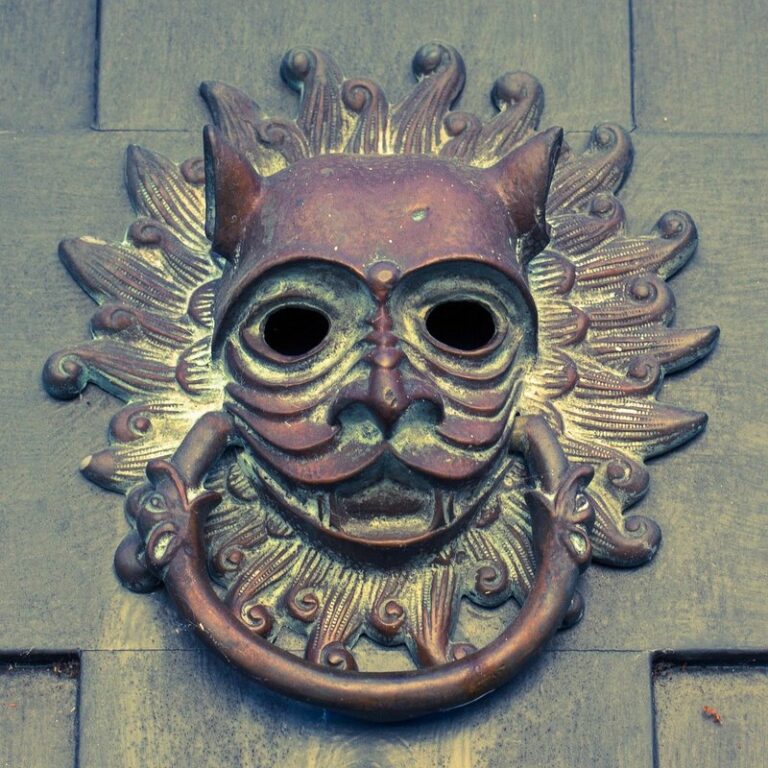
You’ve likely walked past Victorian-era homes with their ornate door knockers, but have you ever stopped to think about what these metal or ceramic adornments represent? Beyond just serving as a means for visitors to signal their presence, Victorian-style door knockers often carry symbolic meanings that reveal the values and aesthetics of their time. For instance, door knockers in the form of eagles were meant to signify strength and protection, while those shaped like lions represented courage and nobility. Understanding these symbols can add depth to your appreciation of historic homes, as well as inspire you to incorporate similar elements into your own modern space. This article will explore the history, significance, and cultural impact of Victorian-style door knockers, shedding light on their meanings and providing guidance for those looking to bring a touch of nostalgia into their homes.
The Origins of Door Knockers
The story of door knockers begins long before they became a staple on Victorian-era homes, and their evolution is steeped in history and functionality. Let’s examine how this iconic feature came to be.
Early Uses of Door Knockers in Ancient Civilizations
Door knockers were not a staple of ancient civilizations, but their precursors served multiple purposes. In ancient Greece and Rome, for instance, the equivalent of door knockers were ornate handles or plaques that adorned doors. These designs often featured mythological creatures or symbolic motifs, serving both functional and ceremonial purposes.
In ancient China, during the Han Dynasty (206 BCE – 220 CE), bronze door knockers in the form of animal heads or figurines began to appear. These early door knockers not only announced visitors but also reflected the homeowner’s social status and wealth. In Japan, similarly, ornate door knockers called “tsuzumi” were used as early as the Heian period (794-1185 CE). Tsuzumi featured intricate designs and were often made from copper or bronze.
The use of door knockers in these ancient cultures underscores their significance beyond mere functionality. They reveal a desire to announce one’s presence, showcase wealth, and even express cultural identity through design. Understanding the early uses of door knockers provides context for later developments in door knocker design, including the Victorian style’s emphasis on grandeur and opulence.
Development of Door Knockers Through the Middle Ages
During the Middle Ages, door knockers underwent significant changes in materials and designs. Initially made from simple wood or metal, craftsmen began to experiment with more intricate designs using iron and bronze. These early door knockers often featured bold, geometric patterns that reflected the era’s Gothic architecture.
As trade routes expanded, exotic materials like brass and copper became available for use in door knocker production. This led to a surge in ornate designs, with many door knockers featuring complex shapes and motifs. To prevent wear and tear on these elaborate pieces, craftsmen developed techniques to secure them firmly to the doorframe.
Door knockers from this period often displayed distinct regional characteristics, reflecting local artisanal styles and cultural influences. For instance, those produced in Italy featured delicate filigree work, while Germanic designs emphasized robust, fortified patterns. As metalworking techniques improved, door knockers became increasingly sophisticated, eventually paving the way for the more refined Victorian-era designs that would follow.
Victorian Era Door Knockers: Symbolism and Design
Victorian door knockers were not just functional, but also carried significant symbolic meaning, often reflecting a homeowner’s status and personal style. Let’s take a closer look at their design and cultural impact.
The Role of Door Knockers in Victorian Architecture
During the Victorian era, door knockers were not only functional but also an integral part of a home’s architectural design. They were typically installed above the entrance door, often in a prominent location, and were crafted from materials such as brass, iron, or bronze. The elaborate designs and ornate details on these door knockers reflected the era’s love for Gothic Revival and Italianate styles.
In Victorian homes, door knockers served not only to announce visitors but also to showcase the homeowner’s status and wealth. Wealthier households often opted for more intricate and expensive materials, such as bronze or gilded iron, while middle-class families chose more modest designs made from brass or copper. As a result, door knockers became a symbol of the occupant’s social standing.
When choosing a door knocker for your Victorian-style home, consider the era’s architectural influences and opt for designs that reflect these styles. For example, a Gothic Revival-inspired door knocker might feature pointed arches or intricate carvings, while an Italianate design could incorporate scrollwork or acanthus leaves. By selecting a door knocker that resonates with the era’s aesthetic, you can add a touch of authenticity to your home’s exterior.
Symbolism Behind Victorian-Style Door Knockers
During the Victorian era, door knockers were more than just functional devices; they also conveyed symbolic meanings. One notable example is the use of animal figures, such as lions, dogs, and even mythical creatures like griffins or dragons. These designs often signified protection, loyalty, and strength. A lion’s head, for instance, was a common feature on high-end door knockers, symbolizing courage and regality.
In contrast, a more modest household might have opted for a simpler design, such as a pair of dogs or a single bird, to convey a sense of welcoming warmth and hospitality. Some Victorian door knockers even featured mythological creatures, like the griffin, which represented vigilance and guardianship.
When interpreting the symbolism behind these door knockers, consider the materials used. Brass, for example, was often reserved for more affluent households, while cast iron or zinc were more accessible options. This distinction can help you identify the social status of a household based on their door knocker’s design and material.
Materials and Techniques Used in Victorian-Style Door Knockers
Victorian door knockers often feature intricate metalwork, ornate designs, and attention to detail. We’ll explore the specific materials and techniques that craftsmen employed to create these unique pieces of hardware.
Types of Metals Used for Victorian-Style Door Knockers
Victorian-style door knockers were crafted using a variety of metals to achieve their distinctive look and durability. Brass was a popular choice due to its warm, golden tone and ability to resist corrosion. It was often alloyed with zinc or other metals to enhance its strength and resistance to wear.
Copper was another commonly used metal for Victorian-style door knockers, prized for its rich, reddish-brown hue and natural beauty. Copper’s malleability made it ideal for intricate designs and patterns, which were often inlaid or etched onto the door knocker itself.
Bronze, an alloy of copper and tin, was also used to create durable and attractive door knockers. Its dark, muted color added a touch of elegance to homes, while its strength ensured that the door knocker could withstand frequent use. In many cases, bronze door knockers were cast in ornate designs, featuring intricate details and patterns that reflected the owner’s personal style.
To maintain their appearance over time, Victorian-style door knockers required regular polishing with a soft cloth and mild soap solution. This helped to prevent tarnish and preserve the metal’s luster, ensuring that the door knocker continued to make a statement at every entrance.
Craftsmanship and Techniques Behind Victorian-Style Door Knockers
Master craftsmen employed a range of techniques to create the intricate details found on Victorian-style door knockers. One key method was chasing and repoussé: skilled artisans would hammer small areas of metal into high relief, creating ornate patterns and textures that added visual interest to the knocker’s surface. This labor-intensive process required immense skill and patience.
Another technique used in Victorian-era door knocker production was die-stamping. A die – essentially a metal template with intricate designs – would be pressed onto the metal stock, allowing craftsmen to quickly create uniform patterns across multiple pieces. However, this method limited design flexibility and produced more uniform results compared to chasing and repoussé.
Some of the most exquisite door knockers feature delicate filigree work: thin, lace-like threads of metal carefully crafted into intricate patterns. These designs often showcased a craftsman’s mastery of heat manipulation, as they coaxed molten metal into taking on desired shapes and forms without losing detail or precision.
Cultural Significance of Victorian-Style Door Knockers
Victorian-style door knockers have long been more than just a practical tool, but also a reflection of the homeowner’s personality and social status. They often told a story about the family that lived behind the door.
Preservation Efforts for Historic Door Knockers
Historic door knockers are often seen as mere decorations, but they hold significant importance in architectural heritage. Preservation efforts aim to safeguard these unique fixtures from decay and loss. In the UK, the National Trust has led initiatives to restore and conserve historic door knockers, ensuring their continued presence on iconic buildings.
In the United States, organizations like the National Historic Preservation Act (NHPA) work with local communities to identify and protect notable door knockers. These efforts not only preserve the physical artifacts but also help maintain the cultural context in which they were created.
Homeowners can contribute to preservation by being mindful of restoration techniques when renovating historic homes. The use of original materials, whenever possible, is crucial for maintaining authenticity. For example, if a historic door knocker is found to be missing, homeowners should seek replacements from reputable manufacturers that replicate the original design and craftsmanship.
Ultimately, preserving historic door knockers requires a collaborative effort between preservationists, property owners, and local governments. By working together, we can ensure these distinctive fixtures continue to tell the story of architectural heritage for generations to come.
Restoring Originality to Modern Homes with Victorian-Style Door Knockers
When incorporating Victorian-style door knockers into modern homes, it’s essential to balance historical authenticity with contemporary sensibilities. One way to achieve this is by selecting a period-correct design that complements the home’s architecture and era. For example, if you’re restoring a mid-century modern home, a brass knocker from the 1870s might be too ornate for the space.
Consider the door itself: what style of hinges and hardware does it have? A Victorian-style knocker with intricate details will clash with minimalist doors. Opt for a simpler design or one that echoes the door’s aesthetic. Additionally, pay attention to scale: oversized knockers can overwhelm small entryways. You might choose a smaller version or pair multiple knockers together to create a balanced look.
Another crucial aspect is material choice. While it’s tempting to opt for shiny new metals, consider using restored or repurposed materials that reflect the era of your knocker. This will add depth and authenticity to the space.
Historical Preservation and Restoration Considerations
When restoring a vintage home, it’s essential to preserve original door knockers as they not only add to the property’s historical charm but also hold significant cultural value.
Maintaining Authenticity in Restoration Projects
Restoring Victorian-era door knockers requires a delicate balance between preserving their original character and making necessary repairs. When working with these intricate pieces, it’s essential to avoid modern materials and techniques that can compromise their authenticity. Instead, opt for traditional methods like hand-forging or repoussé to match the original craftsmanship.
For instance, if a door knocker is missing its metalwork, consider replacing it with a handmade piece from a reputable artisan. This will ensure that the new component blends seamlessly with the existing design. When it comes to restoring brass or bronze finishes, avoid using modern polishes that can leave a residue. Instead, use gentle cleaning products specifically designed for antique metals.
Another crucial aspect is preserving the door knocker’s patina – its unique age-related finish. Avoid sanding or buffing too aggressively, as this can strip away valuable layers of patina. Instead, gently clean the surface with a soft brush and mild soap solution to maintain its original appearance. By taking these precautions, you can restore Victorian-era door knockers that are both functional and visually stunning, while honoring their historical significance.
Tips for Choosing the Right Replacement Door Knocker
When selecting a replacement door knocker for a Victorian-style home, it’s essential to consider the original’s material, size, and style. If the original door knocker was made of solid brass or bronze, you’ll want to replicate this with a new one to maintain consistency in appearance. However, if the original door knocker was damaged beyond repair due to its age or condition, you may need to choose a different material that’s more durable.
In terms of size, ensure the replacement door knocker is proportional to your home’s doors and entrance. A larger door knocker can overwhelm the space, while a smaller one may appear insignificant. Consider consulting with a professional carpenter or restorer for guidance on selecting the correct size.
When it comes to style, choose a door knocker that accurately reflects the Victorian era’s ornate details and patterns. A simple, minimalist design may not be suitable for a home that boasts intricate carvings or gilded accents. Consider purchasing a replacement door knocker from a reputable vendor specializing in historical restoration supplies.
Frequently Asked Questions
Can I use a Victorian-style door knocker in a modern home with an unusual architectural style?
Yes, it’s entirely possible to incorporate a Victorian-style door knocker into a non-traditional home. Consider the overall aesthetic you want to achieve and balance it with historical authenticity by choosing a design that resonates with your unique style.
How do I clean and maintain a historic Victorian-era door knocker without damaging its intricate details?
Gently wipe the door knocker with a soft, dry cloth to remove dust and dirt. For more stubborn stains or buildup, mix a solution of mild soap and warm water on a soft-bristled brush. Avoid harsh chemicals or abrasive materials that can damage the metal or other materials used in the door knocker.
What if I want to replace my original Victorian-style door knocker with an exact replica; how do I ensure it’s authentic?
Choose a reputable supplier or artisan who specializes in historical reproductions, paying close attention to details such as material quality and craftsmanship. Inspect the new door knocker carefully for accuracy in design, shape, and overall aesthetic.
Is there a way to make my modern home more energy-efficient while still retaining its Victorian-style door knocker?
Yes, you can balance heritage with modernity by incorporating smart glass or energy-efficient windows that complement your original door knocker. Consider consulting an architect or interior designer who specializes in blending historical elements with contemporary functionality.
Can I replace a damaged portion of my original Victorian-era door knocker rather than replacing the entire piece?
In many cases, yes, it’s possible to repair or restore specific parts of the door knocker, especially if you work with a skilled craftsman or conservator. However, some repairs may not be feasible without compromising the integrity and historical value of the piece, so consult an expert before embarking on any restoration project.