
The moon is about to put on quite a show in 2026, with a spectacular lunar eclipse that promises to captivate skygazers around the world. This rare event has long fascinated scientists and astronomers, who study its science to better understand the Earth’s shadow and the moon’s orbit. But the significance of a lunar eclipse extends far beyond the realm of scientific inquiry – it also holds deep cultural and historical meaning for many societies, with some believing it to be an omen or a time of spiritual renewal. As we approach this remarkable event, you’ll want to know how to safely observe it, as well as the latest research breakthroughs that are shedding new light on these celestial spectacles. In this in-depth guide, we’ll explore all aspects of the 2026 lunar eclipse, from its science and history to its cultural significance, helping you make the most of this unforgettable experience and giving you the knowledge to interpret its beauty for yourself by the time you finish reading.
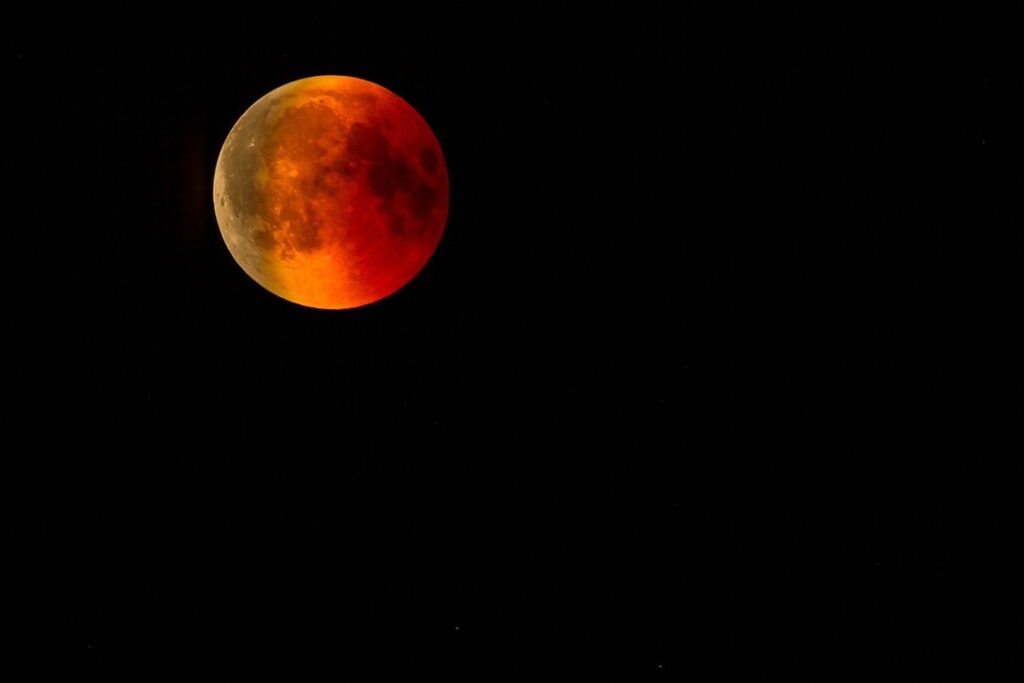
What is a Lunar Eclipse?
A lunar eclipse occurs when Earth passes directly between the sun and the moon, blocking the sunlight that normally reflects off the moon’s surface. This rare event can be breathtaking to witness.
Definition and Types of Lunar Eclipses
A lunar eclipse occurs when the Earth passes between the Sun and the Moon, blocking the sunlight that normally reflects off the Moon’s surface. This rare alignment can result in three distinct types of eclipses: penumbral, partial, or total.
Penumbral eclipses are the most frequent type, occurring about twice a year, but they are often difficult to spot due to the subtle dimming of the Moon’s light by the Earth’s penumbra. Partial eclipses, on the other hand, happen less frequently than total eclipses and occur when only part of the Moon passes through the Earth’s umbra.
Total lunar eclipses are relatively rare, occurring about once every 2-3 years, and offer a spectacular sight as the Moon takes on a reddish hue. These events can last for several hours, allowing observers to witness the gradual transition from partial to total eclipse.
To put this into perspective, most people will experience only one or two total lunar eclipses in their lifetime.
History of Lunar Eclipses in Human Culture
Lunar eclipses have captivated human imagination for centuries, with various cultures assigning mythological and astronomical significance to these celestial events. In ancient China, lunar eclipses were believed to be omens of great change, often associated with the decline or rise of imperial dynasties. Conversely, in many African societies, lunar eclipses are seen as a time of renewal and spiritual rejuvenation.
The earliest recorded observations of lunar eclipses date back to around 2137 BCE in ancient Mesopotamia, where astronomers documented these events using cuneiform script. Similarly, the ancient Greeks attributed lunar eclipses to the moon’s passage through the shadow of the Earth, which was thought to be a sign of the gods’ displeasure.
Many indigenous cultures still revere lunar eclipses as sacred events, often holding ceremonies and rituals to coincide with these celestial occurrences. In some Native American communities, lunar eclipses are believed to signal the approach of significant events or decisions that require collective consideration. By understanding the cultural significance of lunar eclipses throughout history, we can better appreciate their enduring impact on human perception and experience.
Science Behind Lunar Eclipses
A lunar eclipse occurs when Earth passes between the sun and moon, but have you ever wondered what triggers this alignment? We’ll explore the fascinating science behind this rare celestial event.
Earth’s Shadow on the Moon: The Mechanism
A lunar eclipse occurs when the Earth passes between the Sun and the Moon, casting a shadow on the lunar surface. This alignment is only possible during a full moon, when the Moon is on the opposite side of the Earth from the Sun. As the Earth moves into this position, it blocks the sunlight that normally reflects off the Moon’s surface, creating an eclipse.
The Earth’s shadow has two parts: the umbra and the penumbra. The umbra is the darker inner shadow where the light is completely blocked by the Earth, while the penumbra is the lighter outer shadow where the light is only partially blocked. During a lunar eclipse, the Moon passes through both shadows, causing the Moon’s appearance to change.
The alignment of the Earth, Sun, and Moon can be visualized using a diagram or model. When the Earth is directly between the Sun and the Moon, the umbra falls on a specific point on the lunar surface. As the Earth moves, the umbra shifts across the Moon’s surface, creating different types of eclipses depending on how much of the Moon is covered by the shadow. This understanding of the mechanism behind a lunar eclipse helps explain why some eclipses appear partial or penumbral while others are total.
Phases of a Lunar Eclipse: Penumbral to Total
A lunar eclipse progresses through distinct phases, each with unique visual characteristics and key events. The process begins with a penumbral eclipse, where the Moon passes through Earth’s partial shadow. During this phase, the Moon appears slightly darker than usual, but the effect is often subtle and may be difficult to notice.
As the Moon continues into the partial phase, the extent of the darkening increases. This is when you can start to see a noticeable bite taken out of the Moon’s edge. The partial phase usually lasts around 30-60 minutes, depending on the specific eclipse path and timing.
The next phase is the annular phase, where the Moon appears as a ring of light around the Earth’s shadow. This occurs when the Moon is at or near its apogee (farthest point from Earth), making it appear smaller than the Earth’s shadow. The annular phase can be a breathtaking sight, with the Moon’s edge glowing brightly against the inky blackness.
The final and most dramatic phase is the total eclipse, where the entire face of the Moon is hidden by the Earth’s umbra (dark inner shadow). The sky darkens, stars become visible, and the Moon takes on an ethereal quality. Total eclipses are relatively rare, occurring when the Moon is at or near its perigee (closest point to Earth) and aligns perfectly with the Earth’s shadow.
Preparing for the 2026 Lunar Eclipse
To make the most of the 2026 lunar eclipse, it’s essential to prepare yourself and your equipment in advance. Let’s start by discussing how to safely observe this rare celestial event.
When and Where to Observe the Eclipse
The 2026 lunar eclipse will be visible from specific locations on Earth, and knowing exactly where to observe it is crucial for enthusiasts. According to NASA’s predictions, the eclipse will be visible from parts of North America, South America, and western Europe.
To determine if you’ll be able to see the eclipse in your area, consult a world map or use online tools that provide eclipse visibility maps. These resources typically show the path of totality, which is the narrow region where the eclipse will be total. Keep in mind that even within the path of totality, the eclipse will not be visible from locations with heavy cloud cover.
For those planning to observe the eclipse, it’s essential to note the exact time and date. The 2026 lunar eclipse will occur on [insert date and time]. You can use online tools or mobile apps to get real-time updates on the eclipse’s progression and visibility in your area. Always check local weather forecasts before heading out to observe the eclipse.
Some popular locations for viewing the eclipse include national parks, observatories, and planetariums. These spots often host events and viewing parties during lunar eclipses, making it an excellent opportunity to learn from experts and connect with fellow enthusiasts.
Safety Tips for Observing a Lunar Eclipse
When observing a lunar eclipse, it’s essential to prioritize eye safety. The intense light from the Earth’s shadow can be hazardous if you’re not equipped with proper protection. Always use certified solar viewing glasses or handheld solar viewers that meet international safety standards (ISO 12312-2). Never look directly at the eclipse through regular binoculars, telescopes, or cameras without the appropriate filters, as this can cause serious eye damage.
Choose a safe location for observing the lunar eclipse. Find a spot with minimal light pollution and obstructions to ensure an unobstructed view of the Moon. Be mindful of your surroundings and keep children close to prevent them from accidentally looking directly at the eclipse.
To enhance your viewing experience, consider investing in a pair of 7×50 or 10×50 binoculars for a closer look at the Moon’s surface during the eclipse. A tripod-mounted telescope with a moon filter can also provide clearer views, but be sure to follow proper eye safety guidelines when using these devices.
If you’re observing from a location where the sky is partially obstructed by trees or buildings, consider moving to an open area for better visibility.
The Impact of Lunar Eclipses on Tides and Oceanic Activity
Lunar eclipses have a profound effect on our oceans, causing significant changes in tides and oceanic activity that can be felt across the globe. Let’s take a closer look at these fascinating phenomena together!
Earth’s Tidal Patterns and Lunar Cycles
Lunar eclipses have a profound impact on Earth’s tidal patterns and lunar cycles. During an eclipse, the Moon is temporarily removed from its normal position in the sky, disrupting the gravitational pull it exerts on our oceans. As a result, ocean currents and marine life are significantly affected.
The tidal pattern of any given location is influenced by the combined effects of the Sun and the Moon’s gravitational forces. Typically, the Moon’s gravitational pull causes high tides to occur when it is at its closest point to Earth, known as perigee, and low tides when it is farthest away, apogee. However, during a lunar eclipse, the Moon is being obscured by Earth’s shadow, which temporarily weakens its gravitational influence on the oceans.
This disruption can cause a slight increase in tidal range for some locations, particularly coastal areas with sensitive ecosystems. For instance, an area prone to flooding may experience more severe high tides or even storm surges during an eclipse. Marine life, such as fish and shellfish, also exhibit changes in behavior due to the altered tidal patterns.
In terms of ocean currents, researchers have observed that lunar eclipses can temporarily affect the strength and direction of these currents.
Myths and Legends Surrounding Lunar Eclipses
Lunar eclipses have long been shrouded in mystery and superstition. In many cultures, these rare events are seen as omens of doom, while others view them as harbingers of good fortune. One of the most enduring myths surrounding lunar eclipses is that they signal a change in leadership or power struggles on Earth.
In ancient China, for example, lunar eclipses were believed to be a sign that the emperor was about to be overthrown. Similarly, in some African cultures, an eclipse is thought to foretell the death of a king or chief. These myths highlight the significance that many societies have placed on lunar eclipses throughout history.
In addition to these ominous interpretations, lunar eclipses also carry more positive symbolic meanings. In some Indigenous cultures, an eclipse is seen as a time for spiritual renewal and purification. During this time, people are encouraged to reflect on their actions and make amends with others. While the scientific community can explain the mechanics of a lunar eclipse, it’s fascinating to explore the cultural significance and symbolic meanings that have been attributed to these events throughout history.
Advanced Topics in Lunar Eclipse Research
For those interested in the science behind lunar eclipses, we’ll delve into some of the more complex and fascinating aspects of these celestial events. This includes discussions on eclipse prediction methods and rare phenomena.
Recent Discoveries and Breakthroughs
Recent research on lunar eclipses has shed new light on several key aspects of these celestial events. One significant breakthrough involves a better understanding of the Earth’s shadow during an eclipse. Scientists have found that the shadow is not a uniform disk, but rather has a complex structure with multiple layers. This discovery has helped refine models of eclipse frequency and duration.
Studies have also revealed that lunar eclipses are more frequent than previously thought due to the Moon’s slightly elliptical orbit. Researchers have identified patterns in the distribution of eclipses over time, allowing for more accurate predictions about future events. Additionally, new insights into orbital dynamics have improved our understanding of how the Earth-Moon system affects the frequency and timing of lunar eclipses.
These findings have important implications for astronomers and eclipse enthusiasts alike. By better understanding the complex interplay between the Earth’s shadow, eclipse frequency, and orbital dynamics, researchers can refine their models and improve predictions about future eclipses. This knowledge will also enable observers to plan more effectively for upcoming events, including the 2026 lunar eclipse.
Future Directions in Lunar Eclipse Studies
Research on lunar eclipses continues to advance with new initiatives and technologies emerging. One area of focus is the use of artificial intelligence (AI) to improve eclipse prediction accuracy. For instance, researchers are exploring how AI can help identify subtle patterns in celestial body movements that might affect eclipse timing.
Another direction is the development of specialized instruments for capturing high-resolution images during lunar eclipses. This includes camera systems designed specifically for astronomical photography and advanced software for processing and analyzing these images. These advancements will enable scientists to gather more precise data on the Moon’s surface and atmosphere during an eclipse.
In addition, researchers are investigating the potential applications of lunar eclipses in other fields beyond astronomy. For example, studying the effects of moonlight on nocturnal animal behavior could provide valuable insights for conservation efforts. Similarly, examining how lunar eclipses impact Earth’s magnetic field could contribute to our understanding of this complex phenomenon.
Researchers are also exploring novel ways to engage the public with lunar eclipse research through citizen science projects and interactive visualizations.
Frequently Asked Questions
How Can I Be Sure I’m Seeing the Entire Lunar Eclipse?
You can be sure you’re seeing the entire lunar eclipse by observing from a location with an unobstructed view of the western horizon during the peak viewing hours. Additionally, consider downloading a lunar eclipse app that provides real-time tracking and alerts to ensure you don’t miss any crucial moments.
Can I Take Pictures of the Lunar Eclipse During the Day?
Yes, it’s possible to take pictures of the lunar eclipse during the day, but it requires careful planning and attention to lighting conditions. Look for areas with minimal shadows and harsh sunlight, as these can affect image quality. Use a high-quality camera lens and experiment with different exposure settings to capture the best possible images.
What if I Miss the Peak Viewing Time for the 2026 Lunar Eclipse?
If you miss the peak viewing time, don’t worry – there’s still plenty of opportunity to observe the lunar eclipse. The partial phases can be just as spectacular, and you may even catch some interesting astronomical events like satellite transits or planetary alignments.
Can I Use Binoculars or a Telescope to Observe the Lunar Eclipse?
Yes, binoculars or a telescope can enhance your lunar eclipse experience by providing a closer view of the Moon’s surface. However, be aware that these instruments can introduce optical distortions and affect image quality. Choose high-quality optics with good magnification and consider using adapters for a more stable viewing experience.
Will Lunar Eclipses Always Be Visible from My Location?
Lunar eclipses are generally visible from anywhere on the Earth’s night side during their peak hours, but frequency and visibility can vary due to factors like atmospheric conditions and lunar node positions. Check eclipse maps or consult with local astronomy clubs for more information on viewing opportunities in your area.
Can I Observe a Lunar Eclipse During Cloudy Weather?
It’s challenging to observe a lunar eclipse through clouds, as they can obscure the view of the Moon and reduce image quality. However, consider using cloud-penetrating wavelengths like infrared or radio frequencies to capture data during cloudy conditions. This approach requires specialized equipment and expertise but can provide valuable insights into lunar eclipse phenomena.
Can I Use Smartphones for Lunar Eclipse Photography?
Yes, smartphones can be used for lunar eclipse photography with the right accessories and techniques. Invest in a good tripod, a wide-angle lens adapter, or an external camera attachment to stabilize your device and capture sharper images. Experiment with different apps and settings to optimize your smartphone’s performance during the eclipse.
How Long Will It Take Me to Adjust My Camera Settings for Lunar Eclipse Photography?
Adjusting your camera settings for lunar eclipse photography may take some trial and error, but it can be done within a few minutes of observing the event. Familiarize yourself with your equipment’s features and experiment with different exposure modes, aperture values, and ISO settings during practice sessions or low-contrast scenes.
What if I Experience Eye Strain During Lunar Eclipse Viewing?
If you experience eye strain during lunar eclipse viewing, take regular breaks to rest your eyes and adjust the brightness of your surroundings. Consider using specialized eyewear designed for astrophotography or observing, which can reduce glare and improve image quality while protecting your vision.
Can I Use Filters for Enhanced Visibility During Lunar Eclipses?
Yes, filters can be used to enhance visibility during lunar eclipses by reducing light pollution and improving contrast. Choose high-quality astronomical filters specifically designed for lunar viewing, and apply them according to the manufacturer’s instructions to optimize image quality and reduce eye strain.
Can I Observe a Lunar Eclipse with My Naked Eyes?
Yes, it is possible to observe a lunar eclipse with your naked eyes, but you may need to adjust your expectations. A full moon appears much brighter than during an eclipse, so be prepared for reduced visibility in the penumbral phases. Use binoculars or other assistive devices if necessary, and consider observing from a location with minimal light pollution.
Can I Use My Laptop’s Web Camera for Live Streaming Lunar Eclipses?
Yes, you can use your laptop’s web camera to live stream lunar eclipses, but image quality may vary due to technical limitations. Choose high-resolution cameras or invest in external adapters that enhance low-light performance and reduce noise. Experiment with different streaming software and settings to optimize your feed for online viewers.
Can I Record a Lunar Eclipse Using My Smartphone?
Yes, you can record a lunar eclipse using your smartphone, but consider investing in a dedicated camera attachment or tripod for smoother footage. Choose high-quality apps that provide real-time tracking and alerts during the event, and experiment with different recording settings to optimize image quality and reduce noise.
Can I Take Photos of the Lunar Eclipse from a Moving Vehicle?
Yes, you can take photos of the lunar eclipse from a moving vehicle if done safely and responsibly. Use a camera with image stabilization or consider investing in a specialized adapter for smooth footage during car rides. However, prioritize road safety above photography concerns to avoid accidents.
How Can I Protect My Eyes During Lunar Eclipse Viewing?
Protect your eyes during lunar eclipse viewing by using proper eye protection gear, such as solar viewing glasses or handheld viewers specifically designed for astrophotography. Avoid looking directly at the Sun or Moon through unfiltered telescopes or binoculars and prioritize eye safety above all else.
Can I Use My Smartphone’s Camera to Capture Time-Lapse Videos of Lunar Eclipses?
Yes, you can use your smartphone’s camera to capture time-lapse videos of lunar eclipses with the right accessories and techniques. Choose high-quality apps that provide real-time tracking and alerts during the event, and experiment with different recording settings to optimize image quality and reduce noise.
Can I Use a Laptop Computer for Live Streaming Lunar Eclipses?
Yes, you can use a laptop computer for live streaming lunar eclipses, but ensure stable internet connectivity and consider investing in external devices like webcams or adapters for improved performance. Choose high-quality streaming software that provides real-time tracking and alerts during the event to optimize your feed.
Can I Take Photos of Lunar Eclipses with My DSLR Camera?
Yes, you can take photos of lunar eclipses with your DSLR camera using a combination of proper technique and equipment. Invest in a good tripod, a wide-angle lens adapter, or an external camera attachment for smoother images during low-contrast scenes.
Can I Use Smartphones to Capture High-Quality Audio During Lunar Eclipse Events?
Yes, you can use smartphones to capture high-quality audio during lunar eclipse events by investing in specialized microphones and recording software. Experiment with different settings and apps to optimize your recordings for improved sound quality.
What if I’m Confused About the Different Types of Lunar Eclipses?
Don’t be confused – there are only three main types: penumbral, partial, and total lunar eclipses. Familiarize yourself with their distinct characteristics and visual effects during the eclipse to better understand and appreciate this rare event.
Can I Take Photos of a Lunar Eclipse During Daytime?
Yes, you can take photos of a lunar eclipse during daytime by adjusting your camera settings according to lighting conditions. Consider using specialized filters or polarizing lenses for improved image quality.
Can I Observe a Lunar Eclipse from Anywhere on Earth?
Lunar eclipses are generally visible from anywhere on the Earth’s night side during their peak hours, but frequency and visibility can vary due to factors like atmospheric conditions and lunar node positions. Check eclipse maps or consult with local astronomy clubs for more information on viewing opportunities in your area.
Can I Use Smartphones for Recording Time-Lapse Videos of Lunar Eclipses?
Yes, you can use smartphones for recording time-lapse videos of lunar eclipses using high-quality apps that provide real-time tracking and alerts during the event. Experiment with different recording settings to optimize image quality and reduce noise.
Will a Lunar Eclipse Affect My Wi-Fi or Internet Connectivity?
No, a lunar eclipse itself will not affect your Wi-Fi or internet connectivity, but ensure stable power supply and minimize data usage during peak viewing hours for smoother live streaming experiences.