
The Cancer constellation has been a source of fascination for centuries, with its mythological associations and ancient roots continuing to captivate us today. You might be surprised to learn that this particular region in the night sky has played a significant role in shaping our understanding of the universe and our place within it. From the symbolic meanings assigned by ancient cultures to the modern scientific discoveries made possible by studying the stars, the Cancer constellation is more than just a collection of celestial bodies – it’s a window into our collective history and a bridge between mythology and science. As we explore the enduring influence of this constellation on culture and astrology, you’ll discover how its significance extends far beyond the realm of astronomy itself, offering insights that can be applied to our lives today. By the end of this article, you’ll have a deeper understanding of the Cancer constellation’s ancient roots and modern relevance.
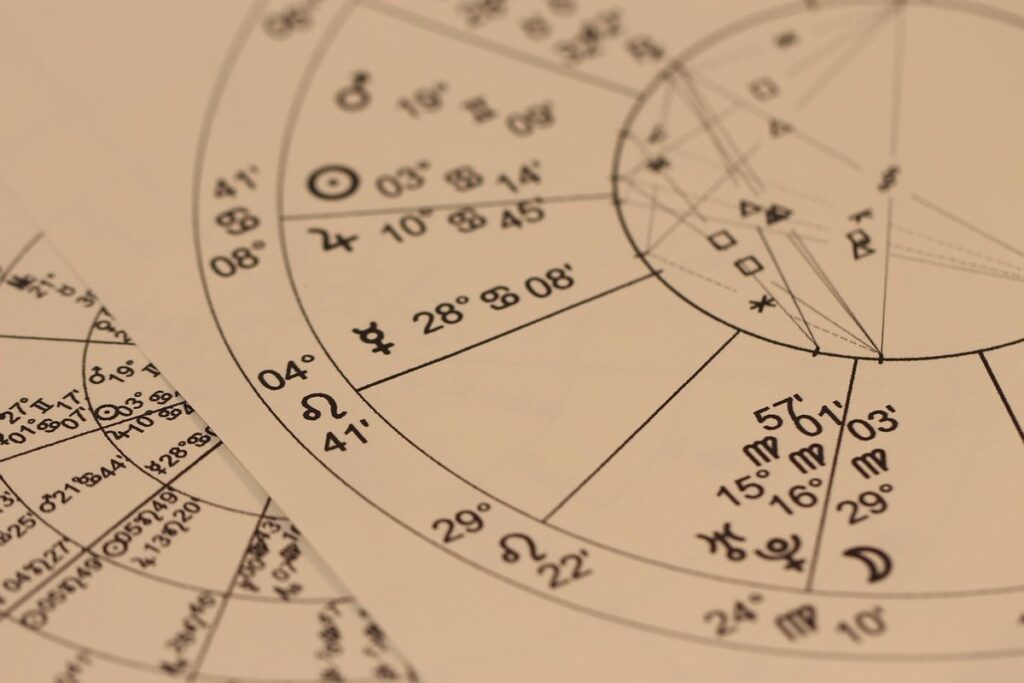
The Ancient Roots of the Cancer Constellation
The Cancer constellation has its roots in ancient mythology, where it’s often associated with the story of Karkinos, a giant crab that played a pivotal role in Greek legend.
Origins and Significance in Ancient Cultures
In ancient cultures such as Egypt, Greece, and Rome, the constellation of Cancer was deeply revered for its symbolic significance. The Egyptians associated the Crab with the goddess Neith, who embodied nurturing and protection. They saw the constellation as a representation of the feminine principle, caring for and safeguarding the vulnerable. In Greek mythology, the story of Karkinos, the giant crab sent by Gaia to distract Heracles during his battle with the Hydra, is closely tied to the Cancer constellation’s origins.
The significance of Cancer in these ancient cultures extended beyond mythological associations. It represented themes of rebirth and renewal, as the constellation was often linked to the flooding of the Nile, which marked the beginning of a new cycle of growth. The Roman poet Ovid wrote about the constellation’s role in symbolizing the cyclical nature of life. These civilizations saw Cancer not just as a celestial entity but as an embodiment of their values and experiences.
The reverence for Cancer in these ancient cultures has left a lasting impact on modern astronomy, with its legacy evident in contemporary astrological practices and artistic representations.
Mythological Associations and Storytelling
In ancient Greek mythology, the Cancer constellation is associated with two distinct stories. One involves Karkinos, a giant crab sent by Hera to distract Hercules during his battle against Hydra. According to legend, Karkinos was rewarded for its efforts by being placed among the stars as a constellation. This mythological tale highlights the importance of the crab in Greek mythology, often seen as a symbol of rebirth and renewal.
The Cancer constellation is also linked to the goddess Hera herself, who played a significant role in Greek mythology. As the wife of Zeus and the mother of several gods, Hera’s story is deeply intertwined with the cosmos. The association between Hera and the Cancer constellation serves as a reminder of the celestial connections that existed between ancient cultures and their mythological narratives.
One way to appreciate these mythological associations is by looking at how they have influenced artistic representations of the Cancer constellation over time. From depictions in ancient Greek pottery to modern-day astronomical illustrations, the image of Karkinos or Hera has been used to symbolize the power and significance of this celestial body.
Constellation Structure and Identification
The Cancer constellation is comprised of a few key stars that help astronomers identify its location, but it’s not just about pinpointing its position on the night sky. Understanding these defining features is crucial for accurate identification and navigation through the stars.
Identifying the Constellation in the Night Sky
To identify the Cancer constellation in the night sky, start by locating the celestial crossroads where the Milky Way intersects with the zodiac. The key stars to look for are Acubens (Alpha Cancri), Asellus Australis (Delta Cancri), and Asellus Borealis (Epsilon Cancri). These bright stars form the constellation’s “heart” and serve as a reference point for identifying its shape.
Look for the faint, diamond-shaped asterism formed by these stars. The Cancer constellation is also characterized by its proximity to the bright star Sirius, which lies just north of it in the night sky. On a clear evening in May or June, you should be able to spot the Cancer constellation rising in the east around 9 PM.
When identifying the constellation, consider its position relative to other nearby stars and constellations. For example, if you’re having trouble locating Acubens, try finding the brighter star Arcturus (Alpha Boötis) first, as it lies due north of Cancer. From this anchor point, you can work your way down towards the constellation’s “heart” and identify its distinctive shape.
Understanding the Mythological Map
Ancient astronomers used a combination of mythological associations and astronomical observations to map the Cancer constellation onto the celestial sphere. This process involved connecting specific stars and regions of the sky to key events and figures from their myths. For example, the bright star Asellus Australis is associated with one of the Crab’s hind legs, while the nearby cluster M67 represents a group of Crabs’ companions.
The mythological map of Cancer is rooted in ancient Greek mythology, which describes the constellation as a representation of Karkinos, the giant crab sent by the goddess Gaia to distract Heracles during his battle with the Hydra. This story has been linked to specific stars and regions through various astronomical observations and mathematical calculations. Understanding this process can provide insight into how ancient astronomers conceptualized the relationship between mythological events and celestial bodies.
To visualize the mythological map of Cancer, consider looking for the bright star Asellus Australis, which marks one of the Crab’s hind legs. From there, move northward to locate M67, a cluster representing the Crabs’ companions. By tracing the connections between these stars and their associated mythological events, you can gain a deeper appreciation for how ancient astronomers mapped the Cancer constellation onto the celestial sphere.
Scientific Significance and Modern Research
Modern astronomers continue to study the Cancer constellation, revealing new insights into its composition and behavior through ongoing research projects. Recent discoveries shed light on the celestial body’s unique characteristics.
Cancer’s Place in the Zodiac and Astrology
The Cancer constellation holds a unique place within the zodiac and modern astrology. In astrological traditions, Cancer is associated with the emotional realm, nurturing energies, and the ability to form deep connections with others. The influence of the Cancer constellation on human personality is often described as empathetic, protective, and fiercely loyal. People born under the sign of Cancer are said to possess a strong intuition that guides their relationships and decision-making processes.
Astrologers believe that the Cancer constellation’s energies shape our emotional landscape, influencing how we relate to family, home, and community. The constellation is also linked to the concept of “motherhood,” symbolizing the selfless care and nurturing instincts that are essential for human growth and development. When it comes to relationships, individuals influenced by the Cancer constellation tend to prioritize emotional connection, trust, and loyalty over intellectual or material pursuits.
In modern astrology, the Cancer constellation continues to hold significance as a symbol of emotional intelligence and compassion. By understanding the energies associated with this constellation, we can better navigate our own emotional lives and cultivate deeper connections with others.
Astronomical Discoveries and Observations
Recent studies have shed new light on star formation within the Cancer constellation. Researchers have identified a young open cluster, NGC 2899, located near the constellation’s eastern edge. This cluster is thought to be around 30 million years old and contains multiple stars that are still in their early stages of evolution. Observations suggest that these stars are surrounded by dense molecular clouds, which are essential for star formation.
In addition to studying individual stars, astronomers have made significant discoveries about the interstellar medium within Cancer. A recent survey revealed a vast network of gas filaments crisscrossing the constellation. These filaments are thought to be the remnants of supernovae explosions and are crucial for understanding the impact of stellar evolution on the surrounding environment.
Furthermore, new observations have provided insights into the planet-forming process in the Cancer constellation. Astronomers have detected a large number of protoplanetary disks, which are the precursor to planetary systems. These findings have significant implications for our understanding of how planets form and evolve within the context of stellar evolution.
Astrology and Cancer: Cultural Significance
As we explore the cultural impact of the Cancer constellation, let’s examine how its symbolism has influenced various societies throughout history. From ancient mythologies to modern-day astrology, the Crab’s significance remains profound and multifaceted.
The Emotional Realm and Cancer’s Influence
In astrology, the Cancer constellation is often associated with the emotional realm, influencing human behavior, decision-making, and relationships. This connection stems from the mythological figure of Karkinos, a giant crab that guarded Hera during her childbirth. As a result, Cancer is linked to nurturing, protection, and family ties. In many cultures, Cancer is seen as a symbol of maternal instincts, with its influence extending beyond personal relationships to broader societal structures.
The emotional realm associated with Cancer can manifest in various ways. For instance, people born under the sign may be more empathetic and compassionate towards others, but also intensely private and guarded about their own emotions. This dichotomy reflects the dual nature of Cancer: on one hand, it’s a water sign that’s deeply connected to emotions; on the other, it’s an earth sign that grounds and stabilizes those emotions.
To better understand how Cancer influences your life, consider its role in decision-making. People under this sign often rely on intuition and emotional intelligence when making choices.
Artistic Representations and Symbolism
In art and literature, the Cancer constellation has been depicted as a nurturing figure, often associated with the sea and its creatures. In ancient Greek pottery, for example, Cancer is shown as a crab emerging from the ocean, symbolizing protection and care. Similarly, in 16th-century European paintings, Cancer is often depicted as a maternal figure, cradling her children or tending to the needs of others.
In literature, Cancer’s symbolism extends to themes of family, home, and emotional connection. In Homer’s Odyssey, the crab that pinches Hercules’ foot during his battle with the Hydra becomes a symbol of Cancer’s tenacity and loyalty. This mythological association has influenced artistic representations, often depicting the constellation as a protective, yet fiercely independent figure.
The symbolic meanings attributed to Cancer have been interpreted in various ways across cultures. In Chinese astrology, Cancer represents the element of water and is associated with emotional depth and intuition. In contrast, Western astrology often links Cancer to themes of family, security, and domesticity. Understanding these artistic representations and symbolic associations can provide insight into the complexities of the Cancer constellation’s cultural significance.
The Cancer Constellation in Modern Astronomy
The Cancer Constellation has undergone significant transformations from ancient mythological associations to its modern understanding as a vast celestial expanse. Let’s examine how astronomers have refined our knowledge of this constellation over time.
Star Clusters and Nebulae within the Constellation
The Cancer constellation is home to several notable star clusters and nebulae that have captivated astronomers for centuries. One of the most prominent star clusters within Cancer is NGC 2899, a bright and compact cluster located about 20 light-years from Earth. This cluster is notable for its rich population of young stars and its association with the nearby spiral galaxy NGC 2905.
Another significant feature in the Cancer constellation is the M67 globular cluster, which is one of the oldest clusters in our galaxy. With an estimated age of over 4 billion years, M67 provides valuable insights into the early formation and evolution of our Milky Way. Additionally, the Cancer Nebula (NGC 2890) is a stunning example of a bright emission nebula that has been illuminated by the intense radiation from nearby hot stars.
These star clusters and nebulae not only add to the celestial beauty of the Cancer constellation but also offer scientists opportunities for studying the formation and evolution of our galaxy. By examining these features, astronomers can gain valuable insights into the history and structure of the Milky Way, shedding light on the mysteries that have captivated us for centuries.
New Discoveries and Emerging Research Areas
Recent studies have shed new light on the composition and structure of the Cancer constellation. Astronomers have discovered several star clusters within the constellation’s boundaries, including the open cluster NGC 2362. This cluster is notable for its young age, estimated to be around 5-7 million years old, making it a fascinating subject for studies on stellar evolution.
Researchers have also made significant progress in understanding the gas and dust content of Cancer. A recent survey using the Atacama Large Millimeter/submillimeter Array (ALMA) revealed that the constellation is home to several molecular clouds, which are rich in water vapor and other complex molecules. These findings provide valuable insights into the formation and evolution of stars within the galaxy.
The emerging research area of astrochemistry is also relevant to the study of Cancer. Scientists are using advanced techniques to analyze the chemical composition of celestial objects within the constellation, gaining a better understanding of the processes that govern the formation of organic compounds in space. These discoveries have significant implications for our understanding of the origins of life and the potential for life beyond Earth.
Conclusion: The Enduring Allure of the Cancer Constellation
As we wrap up our journey through the mythological and astronomical depths of the Cancer constellation, let’s reflect on its enduring mystique. What has kept this celestial wonder a staple in human culture for millennia?
Recapitulating Key Points and Takeaways
The Cancer constellation’s enduring allure can be attributed to its rich and complex history. From ancient mythological associations to modern astronomical significance, this article has explored the multifaceted nature of the Cancer constellation. At its core, Cancer is a symbol of nurturing and protection, reflecting the maternal instincts that drive human behavior.
In terms of mythology, Cancer’s association with the goddess Artemis and her twin brother Apollo serves as a reminder of the constellation’s celestial roots. The mythological map of Cancer also highlights the importance of water in ancient cultures, with its depiction of a great sea monster threatening the heavens.
From an astronomical perspective, the Cancer constellation contains numerous star clusters and nebulae that continue to fascinate scientists today. The scientific community has also shed light on Cancer’s place within the zodiac and astrology, demonstrating its enduring influence on human culture.
Ultimately, this article has shown that the Cancer constellation is more than just a collection of stars in the night sky – it represents a deep connection between mythology, science, and human experience.
Final Thoughts and Future Directions
The Cancer constellation continues to captivate astronomers, astrologers, artists, and enthusiasts alike with its rich cultural heritage and scientific significance. Its enduring allure stems from a unique blend of mythological associations, astronomical features, and emotional resonance. As we reflect on the key points discussed throughout this exploration, it’s clear that the Cancer constellation has left an indelible mark on various fields.
In astronomy, future research may focus on uncovering the secrets of the Crab Nebula, one of the most spectacular supernovae remnants in the sky. The nebula’s intricate structure and complex physics make it an ideal target for studying stellar evolution and explosive events. Meanwhile, astrologers will continue to interpret the Cancer constellation’s influence on human affairs, examining its symbolic connections to emotions, nurturing, and protection.
As we look to the future, there are several potential research directions worth exploring. These include:
• Investigating the role of star clusters within the constellation in shaping our understanding of galaxy evolution.
• Examining the relationships between the Cancer constellation’s mythological map and its astronomical features.
• Exploring the intersection of art and astronomy through creative interpretations of the constellation’s symbolism.
By pursuing these avenues, we can deepen our appreciation for the Cancer constellation’s multifaceted nature and uncover new insights into its enduring allure.
Frequently Asked Questions
What if I’m having trouble identifying the Cancer constellation in the night sky?
If you’re having trouble identifying the Cancer constellation, try using a star chart or mobile app that overlays celestial objects on your location’s night sky. Focus on the key stars and patterns mentioned in the article to help guide your search.
Can I use astrology for personal growth and self-awareness if I’m not interested in astronomy?
Yes, you can still benefit from astrological insights about the Cancer constellation even if you’re not interested in astronomy. Many people find value in understanding their emotional patterns and relationships through astrology, regardless of their knowledge of celestial objects.
How do I incorporate the symbolism of the Cancer constellation into my art or creative projects?
To incorporate the symbolism of the Cancer constellation into your art, reflect on its themes of nurturing, protection, and rebirth. Consider using colors like blue, green, and gold, which are associated with these themes. You can also explore mythological stories behind the constellation for inspiration.
What if I’m interested in astronomy but feel overwhelmed by the technical language used in scientific research?
If you’re new to astronomy, don’t be discouraged by technical language. Start by reading introductory texts or online resources that explain complex concepts in simple terms. Join online forums or local astronomy clubs to connect with others who share your interest and learn from their experiences.
Can I use the Cancer constellation as a model for understanding other celestial objects?
Yes, studying the Cancer constellation can provide insights into the structure and evolution of stars and galaxies. Its notable star clusters and nebulae offer opportunities for comparative analysis with other astronomical objects, helping you develop a deeper understanding of the universe.