
Equinox dates mark two significant moments in Earth’s rotation around the sun, where day and night are perfectly balanced. These events have captivated humans for centuries, with ancient cultures honoring them as sacred occurrences that signal a new beginning. You might be wondering why equinox dates matter, but their importance extends beyond being mere astronomical phenomena. In this article, we’ll explore the significance of equinox dates in our planet’s rotation and how they’re celebrated worldwide. From ancient traditions to modern-day festivals, we’ll delve into the unique ways people around the globe observe these special events. By understanding the importance of equinox dates and their cultural impact, you’ll gain a deeper appreciation for the intricate dance between Earth and its sun.
What is an Equinox Date?
An equinox date marks a precise moment when day and night are equal in length, occurring twice a year due to Earth’s tilt. This rare phenomenon has significant implications for our planet’s climate and natural rhythms.
Definition and Explanation
An equinox date is a moment when day and night are approximately equal in duration, occurring twice a year as Earth rotates on its axis. This phenomenon happens when our planet’s tilt towards or away from the Sun results in 12 hours of daylight and 12 hours of darkness at any given point on the globe.
The significance of equinox dates lies in their impact on Earth’s rotation and climate patterns. During an equinox, the sun appears directly above the equator, resulting in relatively moderate temperatures across the world. This balanced distribution of sunlight has a profound effect on our planet’s atmospheric conditions, influencing weather patterns and seasonal changes.
To better understand equinoxes, it’s essential to grasp basic concepts related to Earth’s rotation. The tilt of Earth’s axis is approximately 23.5 degrees, which causes the apparent shift of the Sun’s position in the sky throughout the year. This angle, combined with our planet’s orbit around the Sun, gives rise to the changing seasons and equinox dates that mark their beginning and end.
Equinox dates serve as critical markers for tracking seasonal changes and understanding Earth’s climate dynamics.
Importance of Equinoxes in Earth’s Rotation
Equinox dates are significant milestones in Earth’s rotation due to their impact on our planet’s axis tilt and climate patterns. The tilt of Earth’s axis is approximately 23.5 degrees, which is responsible for the changing seasons. During equinoxes, the tilt is perpendicular to the Sun, resulting in relatively equal amounts of daylight and darkness across the globe.
This alignment has a profound effect on our climate, as it influences temperature, humidity, and precipitation patterns. The shift from one season to another can be quite dramatic, with some regions experiencing a significant increase or decrease in temperature within a short period. For instance, during spring equinoxes, temperatures often rise rapidly in the Northern Hemisphere, leading to an explosion of plant growth.
The importance of equinoxes lies not only in their immediate effects but also in their long-term consequences for our planet’s climate. Understanding the relationship between equinoxes and Earth’s rotation can provide valuable insights into predicting seasonal patterns, which is essential for agriculture, conservation, and environmental planning.
Types of Equinox Dates: Spring, Autumn, Winter, and Summer
Equinox dates occur twice a year, but did you know there are actually four distinct types, each with its own unique characteristics and celestial events? Let’s explore these variations.
What Happens During a Vernal (Spring) Equinox
During a vernal (spring) equinox, several significant astronomical events occur. One notable change is the increase in daylight hours as the Earth tilts towards the sun. In the Northern Hemisphere, the day lengthens by about 6 minutes every day around this time. This means that on the spring equinox itself, people typically experience around 12-13 hours of daylight.
Temperature changes are another characteristic of spring equinoxes. As the Earth begins to tilt more towards the sun, temperatures gradually rise. In many regions, this marks a significant shift from cooler winter conditions to warmer spring weather. Average temperature increases vary depending on location, but most areas see a noticeable rise in mercury readings.
Solar activity is also noteworthy during vernal equinoxes. The increased sunlight and Earth’s position in its orbit lead to higher levels of solar radiation reaching the planet. This can result in more frequent cloud cover and precipitation in some areas. For outdoor enthusiasts, this may signal the start of better weather conditions for activities like hiking or gardening.
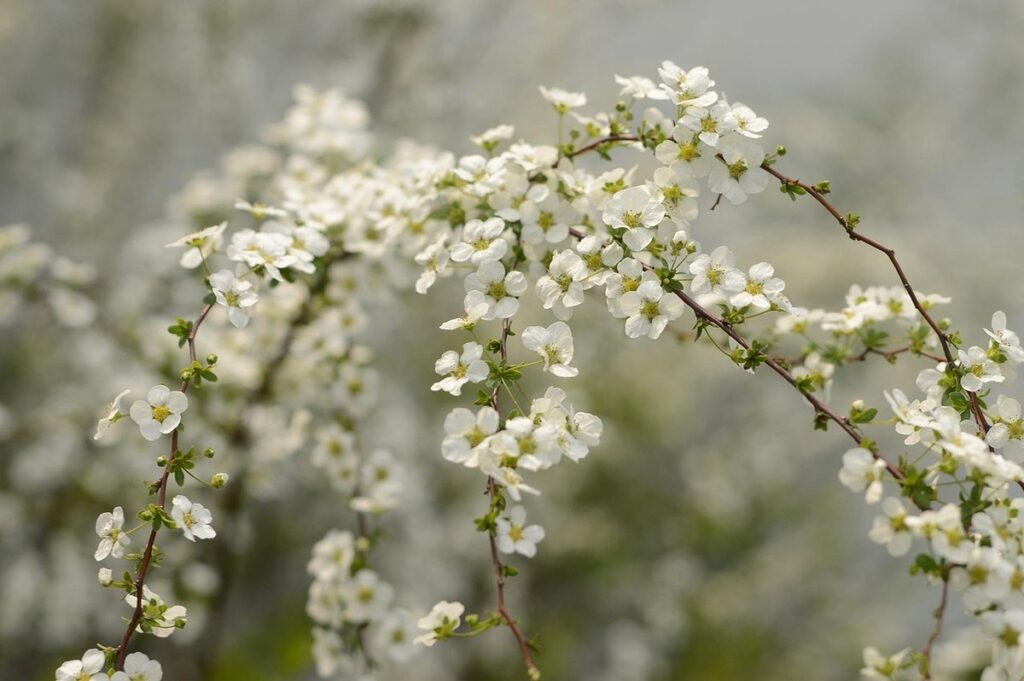
In regions with distinct spring seasons, the equinox marks a turning point where plants begin to bloom and growth accelerates rapidly.
Characteristics of Autumnal Equinox
During an autumnal equinox, several distinct characteristics come into play. One of the most notable is the changing foliage as deciduous trees prepare for winter by shedding their leaves. This process typically begins a few weeks before the equinox and reaches its peak around late September or early October in the Northern Hemisphere.
As days shorten, the sun’s rays hit the Earth at an angle, casting longer shadows and warming the planet more evenly. In many regions, this marks the beginning of harvest season, as crops mature and ripen under favorable conditions. Farmers take advantage of the cooler temperatures and increased daylight hours to bring in their yields, often celebrating the bounty with seasonal festivals.
As autumn progresses, the air grows crisper, and the nights become noticeably cooler. This gradual shift in temperature is a result of the Earth’s tilt away from the sun, which reduces the amount of direct sunlight reaching the planet. The equinox itself signals a turning point in this process, marking the moment when day and night are roughly equal in length.
Spring Equinox: History and Cultural Significance
The Spring Equinox has been celebrated by cultures around the world for thousands of years, marking a significant moment of renewal and rebirth. We’ll explore its rich history and cultural significance in this section.
Ancient Celebrations and Traditions
In ancient cultures, spring equinoxes were often celebrated with grand festivals and rituals. The Egyptians, for example, honored the goddess Isis during the spring equinox, associating her with fertility and rebirth. Similarly, the ancient Greeks worshipped Demeter, the goddess of agriculture, to ensure a bountiful harvest.
Many cultures believed that the spring equinox marked a time of renewal and rejuvenation. In some indigenous societies, this was seen as an opportunity to restore balance and harmony within nature and among people. In other cases, it was associated with mythological events, such as the resurrection of gods or the return of ancestors from the underworld.
Some modern-day practices have their roots in these ancient traditions. For instance, the spring equinox is often celebrated as a time for renewal and growth in contemporary pagan communities. Many people participate in outdoor activities like planting seeds, decorating eggs, or simply spending time in nature to connect with the changing seasons. By embracing these cultural connections, individuals can deepen their appreciation for the natural world and the significance of the spring equinox.
Modern-Day Festivals and Events
The spring equinox continues to be a time for celebration and reflection around the world. Many cities host festivals and events to mark the occasion, often incorporating elements of nature and renewal. For example, in Spain’s Seville, the Feria de Abril festival takes place in late March or early April, featuring parades, live music, and traditional food.
In other parts of the globe, communities come together for outdoor festivities. The Cherry Blossom Festival in Washington D.C., USA, is a popular event that coincides with the spring equinox. Visitors can enjoy the blooming cherry blossoms, try Japanese cuisine, and participate in cultural performances.
Some cities also organize equinox-themed events, such as sunrise ceremonies or meditation sessions. These gatherings often focus on mindfulness and gratitude for the changing seasons. In New York City’s Bryant Park, for instance, a spring equinox celebration typically features yoga classes, live music, and a moment of silence to mark the occasion.
These modern-day festivals and events demonstrate the ongoing cultural significance of the spring equinox. By embracing the themes of renewal and growth associated with this time of year, people can connect with their surroundings and foster a sense of community.
Autumn Equinox: Symbolism and Folklore
As we approach the autumn equinox, various cultures have imbued it with rich symbolism and folklore, reflecting the changing seasons and human experiences. Let’s explore some of these fascinating stories and traditions.
Themes of Harvest and Letting Go
The autumn equinox is often associated with themes of harvest and letting go. This time of year marks the peak of the harvest season, when crops are ripe and ready to be reaped. In many cultures, the autumn equinox is seen as a celebration of abundance and gratitude for the fruits of one’s labor. It’s also a moment to acknowledge the cycle of life and death, as the days grow shorter and the nights grow cooler.
The balance between light and darkness is another significant theme at this time of year. As the days begin to shorten, the sun appears lower in the sky, casting long shadows across the landscape. This balance is reflected in many autumnal traditions, such as the use of candles and lanterns to symbolize the fading light. The autumn equinox is also a time for reflection and introspection, as we let go of what’s no longer serving us and make space for new growth.
In practical terms, this means taking stock of our own lives and letting go of things that are holding us back. It might be a cluttered closet or an unhealthy habit – whatever it is, the autumn equinox is a powerful time to release it and make room for something new.
Regional Variations in Celebrations and Traditions
Autumn equinox celebrations vary significantly across different regions and cultures. In Mexico, for instance, Día de los Muertos honors the deceased with vibrant altars, traditional foods, and festivities. This celebration, which coincides with the autumnal equinox, acknowledges the cycle of life and death.
In contrast, Germanic harvest festivals like Michaelmas and Lammas commemorate the changing seasons. These ancient traditions involve feasting, singing, and merriment to mark the end of summer and the beginning of autumn. The focus on harvest themes reflects the importance of agriculture during this time of year.
Other regions have their unique autumn equinox celebrations as well. For example, in Japan, Obon honors the spirits of ancestors with lanterns, dances, and food offerings. Similarly, in Korea, Chuseok is a harvest festival that celebrates the full moon and the changing seasons.
When exploring regional variations in autumn equinox celebrations, it’s essential to consider local customs and traditions. By doing so, you can gain a deeper understanding of the diverse ways people connect with nature and mark the passage of time.
Understanding the Science Behind Equinox Dates
The equinox dates have fascinated people for centuries, and understanding their science is key to appreciating these pivotal moments in our planet’s orbit. Let’s explore the underlying astronomical principles that govern these events.
Celestial Mechanics and Earth’s Orbit
Earth’s orbit is not a perfect circle, which affects the timing and duration of equinoxes. The elliptical shape of our orbit means that the distance between Earth and the Sun varies throughout the year. This variation has a significant impact on the amount of solar energy received by our planet, influencing the length and temperature of seasons.
Axial precession, also known as the procession of the equinoxes, is another crucial factor to consider. It’s the gradual shift in the position of Earth’s rotational axis over a period of approximately 26,000 years. This process causes the location of the North Pole Star to change, which in turn affects the timing and placement of celestial events like equinoxes.
Solar cycles also play a role in determining equinox dates. The Sun’s path across the sky changes due to its slightly tilted axis, resulting in different amounts of sunlight reaching Earth at various times of the year. This interplay between elliptical orbits, axial precession, and solar cycles is what ultimately governs the timing and characteristics of equinoxes. Understanding these celestial mechanics principles helps us appreciate the complex and dynamic nature of our planet’s rotation and orbit.
Observing and Tracking Equinox Dates
Astronomers use a combination of observations and calculations to determine equinox dates. One key tool is the Earth’s orbital period, which is approximately 365.24 days. By tracking the planet’s position against the background stars, astronomers can identify the exact moment when the sun crosses the celestial equator.
In modern astronomy, equinox dates are calculated using sophisticated software and algorithms that account for various factors such as Earth’s elliptical orbit and the tilt of its axis. These calculations are then verified through observations made with telescopes and other astronomical instruments.
To track equinox dates, astronomers also rely on precise timing techniques, including atomic clocks and satellite-based navigation systems. This ensures that their calculations align with actual celestial events to within seconds or even milliseconds. For example, the International Earth Rotation and Reference Systems Service (IERS) provides accurate predictions of equinox dates based on its monitoring of Earth’s rotation and orbit.
By combining these modern tools and techniques, astronomers can pinpoint equinox dates with remarkable accuracy, enabling them to study the Earth’s rotation and orbit in greater detail.
Debunking Common Myths and Misconceptions about Equinox Dates
Many people have misconceptions about equinox dates, but one of the most widespread myths is that they mark a significant shift in the Earth’s axis. Let’s clear up some of these common misunderstandings and get to the truth.
Separating Fact from Fiction
Many claim that equinoxes bring about unusual weather patterns, such as unseasonable storms or extreme temperature fluctuations. However, there is no scientific evidence to support these claims. In fact, studies have shown that the timing of spring and autumn equinoxes has little to no impact on global climate patterns.
Another common myth surrounding equinoxes is that they are somehow connected to changes in human behavior or personality. Some people believe that during an equinox, people become more “alike” or that their personalities undergo a dramatic shift. This idea is likely rooted in the fact that equinoxes often coincide with festivals and celebrations that emphasize unity and equality.
But what about the myth that the Earth’s axis wobbles significantly during an equinox, causing the planet to experience unpredictable effects? In reality, the Earth’s axial precession – a gradual shift of the rotational axis over a period of 26,000 years – is a well-documented phenomenon. However, this process occurs very slowly and has no significant impact on our daily lives.
To separate fact from fiction, it’s essential to consult credible sources and rely on scientific evidence rather than anecdotal claims or hearsay. When evaluating information about equinoxes, ask yourself: what is the basis for this claim? Is there any empirical research to support it? By being critical of unsubstantiated claims and relying on verifiable data, you can gain a more accurate understanding of these important astronomical events.
Some common sources of misinformation include:
- Websites and social media platforms that publish unverified or sensationalized content
- Self-proclaimed “experts” who lack formal training in relevant fields
- Misleading headlines or clickbait titles designed to attract attention rather than inform
Frequently Asked Questions
Can I celebrate an equinox date anywhere in the world?
Yes, equinox dates are celebrated worldwide, but it’s essential to research local customs and traditions to ensure you participate respectfully. For example, in some cultures, specific rituals or ceremonies are tied to specific locations or times of day.
How do I know if the timing of an equinox date is significant for my region?
The significance of an equinox date depends on your location’s climate, geography, and cultural background. Research how local communities have traditionally celebrated or honored these events, and consider incorporating those practices into your own celebrations or personal reflections.
What if I’m unable to attend in-person events during the equinox dates? Are there alternative ways to participate?
You can still participate by hosting a private event with friends or family, following online ceremonies or live streams, or creating your own ritual at home. Even small acts of reflection or mindfulness can acknowledge and honor these significant astronomical events.
Can I celebrate both spring and autumn equinoxes if my location doesn’t experience one season?
Yes, you can still observe and celebrate the principles behind both seasons, regardless of your geographical location. Reflect on how their themes – renewal, harvest, balance, and transition – apply to your life or community, even in regions without distinct seasonal changes.
Are there equinox celebrations that involve specific foods, drinks, or offerings?
Yes, various cultures incorporate traditional foods, beverages, and offerings into their equinox celebrations. For example, some communities prepare specific meals tied to the harvest season or offer prayers with particular incense or flowers. Research local customs and adapt these elements into your own observances to deepen your connection to the event.