
You’ve heard about the International Space Station (ISS) buzzing above us, but have you ever tried to spot it in the night sky? Tonight is a great opportunity to catch a glimpse of this marvel of engineering as it orbits Earth at an incredible 17,500 miles per hour. For beginners, spotting the ISS can seem daunting, but with some simple timing and location information, you’ll be well on your way to optimal stargazing experiences. To make the most of tonight’s viewing opportunity, we’ll take a closer look at the best times to see the ISS, where to find it in the sky, and some expert tips for getting the most out of your stargazing session. By the end of this guide, you’ll be able to spot the ISS with ease, adding a new dimension to your nighttime adventures and deepening your appreciation for the wonders of space exploration.
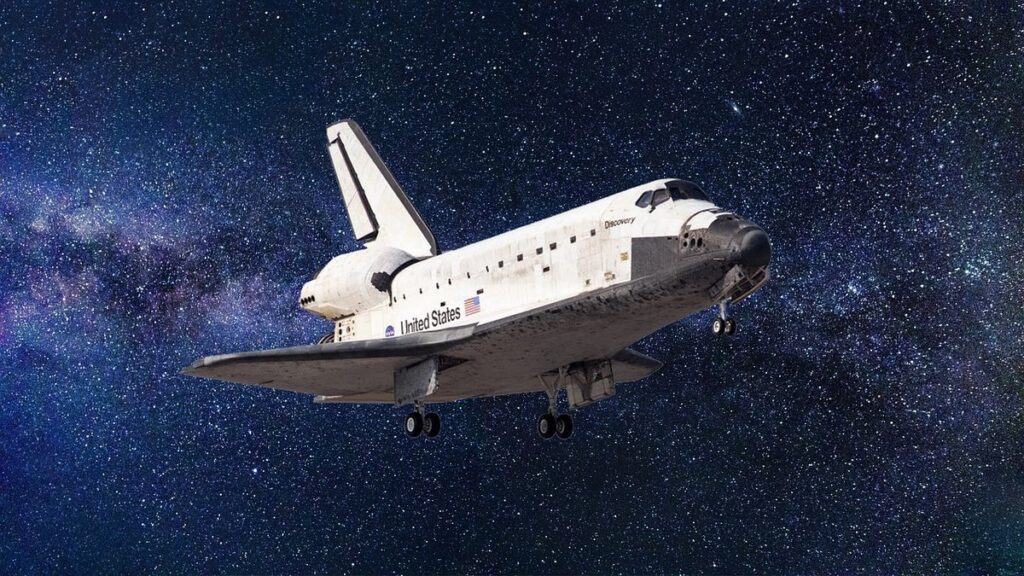
What is the ISS?
The International Space Station (ISS) is a massive, habitable artificial satellite where astronauts live and work for extended periods, conducting scientific research and experiments. Let’s start by understanding its purpose and basic functionality.
Overview of the ISS Mission
The ISS serves as a vital platform for scientific research and experimentation. Its primary function is to provide a stable environment for conducting experiments and gathering data in microgravity conditions. This allows scientists to study phenomena that cannot be replicated on Earth, such as the effects of zero-gravity environments on plant growth or the behavior of fluids in space.
One notable example is the European Modular Cultivation System (EMCS), which was used to grow plants in the ISS’s controlled environment. The EMCS provided a precise climate control system, enabling researchers to study plant development and response to various environmental conditions.
The ISS also plays a critical role in testing technologies and equipment for future long-duration space missions. By evaluating the performance of new systems and equipment in microgravity environments, engineers can identify areas for improvement and optimize their designs before deploying them on future space flights.
As a result, the ISS has facilitated numerous breakthroughs in scientific research, from understanding the behavior of materials in space to developing more efficient life support systems for deep space exploration.
Components of the ISS
The International Space Station (ISS) is a complex system comprised of several interconnected modules. The main components are the Unity module, Zarya Functional Cargo Block, and Zvezda Service Module. Each module serves a distinct purpose: the Unity module connects the US to the Russian segment, while Zarya provides power and propulsion systems. Zvezda houses living quarters, life support systems, and navigation equipment.
The ISS also includes several laboratories, such as Destiny, Harmony, and Tranquility, which provide space for scientific research and experiments. These modules are often referred to by their abbreviations (e.g., “Destiny” is the US Laboratory). The European Space Agency’s Columbus laboratory is another significant module, offering a pressurized compartment for scientific investigations.
The ISS also has its cargo ships, like P6 Truss and Kibo Experiment Module, which supply essential resources and equipment. Each of these components, ranging from living quarters to laboratories, contributes to the ISS’s overall functionality and allows it to support long-term space research.
Sighting Opportunities: Timing and Location
To spot the ISS, timing and location are crucial factors to consider. Knowing when and where it will be visible can make all the difference in a successful sighting.
When to See the ISS
The time of day plays a crucial role in determining when you can spot the ISS. The station follows an orbit that takes it above the Earth’s horizon for about 1-2 minutes, depending on its altitude and your location. As a general rule, try to observe the sky during the early evening or late evening hours (around sunset or shortly after), when the ISS is in its best position for visibility.
Weather conditions also significantly impact your ability to see the ISS. Cloud cover can block your view entirely, so it’s essential to check local weather forecasts before heading out to watch the station. Clear skies and a moonless night make it easier to spot the ISS due to reduced light pollution. Additionally, avoid observing during periods of high humidity or precipitation, as these conditions can distort your line of sight.
Check online tools like NASA’s Spot the Station website or mobile apps for specific viewing times tailored to your location. These resources provide detailed information about the station’s orbit and visibility windows, helping you plan your observation sessions more effectively. By considering both time of day and weather conditions, you’ll increase your chances of catching a glimpse of this incredible marvel in space.
ISS Flybys in Your Area
To find out if the ISS will fly over your location, you can use online tools and apps specifically designed for tracking its passage. One popular option is NASA’s Spot the Station database, which provides a list of upcoming ISS sightings based on your location. Simply enter your city or zip code to get a schedule of upcoming flybys.
Another useful tool is the ISS Detector app, available for both iOS and Android devices. This app allows you to see when the ISS will be visible in the sky from your current location, and even sends push notifications when it’s time to view the station. You can also use websites like Heavens-Above or Space-Track.org to track the ISS’s orbit.
When using these tools, keep in mind that the accuracy of the predictions may vary depending on your location and the tool itself. It’s always a good idea to double-check the information with multiple sources before heading out to view the ISS. By planning ahead and using the right resources, you can increase your chances of spotting this incredible spacecraft as it passes over your area.
Viewing Tips: Equipment and Preparation
To make the most of your ISS viewing experience, having the right equipment and preparation is crucial. Make sure you’re set up for success with these essential tips and tricks.
Choosing a Good Spot to Observe
When selecting a spot to observe the ISS, it’s essential to consider the impact of light pollution on visibility. Darker locations typically offer better viewing conditions, so try to get away from urban areas and brightly lit buildings. A nearby park or nature reserve might be an ideal spot, but even a small clearing in a residential area can provide sufficient darkness.
Avoid areas with tall trees or other obstructions that could block your view of the horizon. Find a location with an open view of the sky, ideally facing north to southeast – this will help you track the ISS as it passes over. If possible, choose a spot with minimal artificial lighting, such as streetlights or building lights, which can make the station harder to see.
Consider the time of day and try to observe from a location that is shaded during the peak sunlight hours (usually between 10 am and 4 pm). This will help reduce glare and provide better contrast for spotting the ISS.
Essential Equipment for Stargazing
To observe the ISS, you’ll need some essential equipment for stargazing. A good pair of binoculars is a great starting point, allowing you to get a closer look at the station as it passes overhead. Consider 7×50 or 10×50 binoculars for optimal magnification and light-gathering capabilities.
If you’re looking for even more detail, a telescope can be a worthwhile investment. A refractor or reflector telescope with an aperture of 60mm to 80mm is sufficient for ISS observations. However, keep in mind that the station’s brightness may overwhelm smaller telescopes.
To enhance your viewing experience, consider additional accessories such as:
- A tripod for stable binocular or telescope support
- Moon filters to protect your eyes from the reflected light
- Red light flashlights to preserve your night vision
Some popular options for binoculars and telescopes include Celestron, Meade Instruments, and Orion Telescopes. When choosing equipment, consider factors like magnification power, aperture size, and weight for optimal portability.
Keep in mind that the ISS is a relatively bright object, so you don’t need extremely high-powered optics to spot it. A well-chosen pair of binoculars or a modest telescope will allow you to enjoy this unique viewing experience.
How to Identify the ISS in the Sky
To spot the International Space Station, you’ll need to know what to look for as it blazes across the night sky at incredible speeds. Here’s how to identify this fleeting celestial sight.
Visual Characteristics of the ISS
The ISS is a large spacecraft, measuring 357 feet long and 240 feet wide. At first glance, it may appear as a small dot or a faint light in the sky. However, when you know what to look for, you’ll be able to spot it easily. One of its distinctive features is its rectangular shape, caused by the combination of solar panels and radiators on either side.
As the ISS orbits the Earth, it moves at an incredible speed of around 17,500 miles per hour. This means that in a matter of minutes, it can change direction and move from one end of the sky to the other. When you spot the ISS, pay attention to its movement pattern – it will appear to be moving from east to west, just like many other satellites.
Look for the ISS when it’s in the right position in the sky, which is usually around 10-15 minutes after sunset or before sunrise, when the sky is dark enough to see stars. Take note of the ISS’s brightness – it can appear as a small star or even a faint planet-like object.
Distinguishing the ISS from Other Satellites
When observing the ISS in the sky, it can be challenging to distinguish it from other artificial satellites or celestial objects. However, there are several key characteristics that set the ISS apart.
Firstly, the ISS is a large satellite, measuring over 357 feet long and 240 feet wide. In comparison, most other satellites are much smaller. You can estimate the size of an object by observing how many stars it blocks from view as it passes in front of them. If it blocks several stars at once, it’s likely to be a larger object like the ISS.
The ISS also has a distinctive shape, with a long, cylindrical body and a series of solar panels on its sides. These solar panels are usually visible when the ISS is passing over the sun, giving it a unique appearance in the sky.
Finally, the ISS moves at a relatively slow pace compared to other satellites, taking around 1-2 minutes to pass from one horizon to the other. This slower speed can make it easier to track and observe. When tracking the ISS, pay attention to its movement and try to spot any smaller objects or debris following behind it.
Advanced Observations: Photography and Data Collection
As you continue to observe the ISS, you can elevate your experience by making more advanced observations using photography and data collection techniques that take your knowledge to the next level. This involves understanding how to capture precise details.
Capturing Images of the ISS
When taking photos of the ISS, it’s essential to use a camera with manual settings. Set your mode to “M” and adjust the ISO to 800-1600 for optimal results. A wide-angle lens (10-24mm) is ideal for capturing the entire station, while a telephoto lens (70-200mm) is better suited for close-ups.
To capture sharp images, use a tripod or stabilize your camera with a monopod. This will help you avoid camera shake and ensure a clear focus. For smartphones, consider investing in a camera stabilizer or using the phone’s built-in timer to minimize hand movement.
Adjust your white balance to “Daylight” or “Cloudy” to account for the station’s reflective surface. Avoid overexposing the image by adjusting the exposure compensation accordingly. Bracketing shots with different exposures can also help you capture the ISS in various lighting conditions.
When framing your shot, consider the ISS’s path across the sky and plan accordingly. Aiming for a clear horizon or a contrasting background will add depth to your photos.
Collecting and Analyzing ISS Data
To collect and analyze ISS data, you’ll need a computer program specifically designed for tracking celestial objects. The most popular options are Stellarium Web, ISS Detector, and Satellite Tracker 3D. These programs use GPS coordinates to estimate the ISS’s speed, altitude, and other metrics as it passes over your location.
You can also use a smartphone app like ISS Detector or Star Walk 2 to track the ISS’s movement in real-time. These apps often provide more detailed information about the ISS’s trajectory and timing of flybys.
When collecting data, consider the following factors:
- Altitude: The ISS orbits at an average altitude of around 250 miles (400 kilometers). You can estimate its altitude using a program like Stellarium Web.
- Speed: The ISS travels at approximately 17,500 mph (28,200 km/h), making it one of the fastest objects in space.
- Pass duration: The ISS’s passage over your location typically lasts around 1-2 minutes.
Keep in mind that these metrics can vary depending on the specific orbit and other factors.
ISS Safety and Regulations
To safely observe the International Space Station, it’s crucial to understand the regulations surrounding its visibility and positioning. Let’s take a closer look at the rules governing ISS sightings.
Precautions for ISS Viewing
When observing the ISS, it’s essential to take safety precautions to avoid eye damage and other potential hazards. One common mistake is using binoculars or telescopes without proper care, which can cause serious eye strain or even permanent vision loss. When using optical instruments, ensure you’re at a safe distance from any reflective surfaces, such as windows or metal objects, to prevent accidental reflections that could harm your eyes.
Additionally, be mindful of your surroundings and avoid looking directly at the sun through any optical instrument, including binoculars or telescopes. This can cause serious eye damage, even if you think it’s just a brief glance. To minimize risks, consider wearing protective eyewear, such as specialized glasses or goggles designed for astronomical viewing.
When handling or adjusting your equipment, keep your eyes away from the lens and optical surfaces to prevent accidental exposure to bright light. If you’re using a telescope, make sure it’s securely positioned on a sturdy tripod to avoid any accidents caused by unstable equipment. By taking these precautions, you can enjoy safe and enjoyable ISS viewing experiences while protecting your vision.
Laws and Regulations Regarding ISS Observation
When observing the ISS, it’s essential to be aware of the laws and regulations governing its observation. The ISS is a government-funded spacecraft, and as such, there are restrictions on photography and data collection.
In the United States, for example, federal law prohibits taking pictures or videos of the ISS with intent to use them for military purposes. However, recreational observation and photography are generally allowed, provided they do not interfere with the station’s operations. NASA provides guidelines for responsible ISS viewing, including staying at least 1,000 feet away from any launch or landing site.
Some countries have more restrictive laws regarding ISS observation. For instance, in China, taking pictures or videos of the ISS without permission is considered espionage and can result in severe penalties. Before attempting to photograph or collect data on the ISS, ensure you’re familiar with the laws and regulations in your area. Check with local authorities for any specific guidelines or restrictions.
It’s also worth noting that some private companies, such as SpaceX and Blue Origin, have launched satellites into orbit around the ISS. These satellites may be subject to different observation rules, so it’s essential to research the specific satellite you’re interested in observing.
Frequently Asked Questions
Can I spot the ISS with just my naked eyes?
Yes, it’s possible to see the ISS without any optical aids, but be aware that its brightness can vary greatly depending on the time of day and your location. The ISS appears as a bright white dot moving across the sky, so keep an eye out for something that looks like a fast-moving star.
What if I have trouble finding the ISS because of light pollution in my area?
There are several options to consider when dealing with heavy light pollution: try using a red light flashlight or cover your white lights with a red filter, as this can minimize light pollution’s impact on your stargazing experience. You can also use binoculars or a telescope with a narrow field of view to help pinpoint the ISS.
Can I photograph the ISS with my smartphone?
Yes, you can take photos of the ISS with your smartphone, but be sure to adjust your camera settings accordingly: use a low ISO setting and a wide aperture to capture as much light as possible. Additionally, try taking multiple shots in quick succession to increase the chances of getting a clear image.
What if I accidentally point my binoculars directly at the sun while trying to spot the ISS?
Don’t worry; it’s not uncommon for beginners to mistake the sun for the ISS, but be cautious: looking directly at the sun can cause serious eye damage. If this happens, quickly turn your gaze away from the sun and take a moment to reorient yourself in the sky.
Can I track the ISS using online tools if I don’t have access to a computer or smartphone?
Yes, there are websites and mobile apps that offer ISS tracking functionality on older devices, such as flip phones or basic feature phones. While these may not be as user-friendly as their modern counterparts, they can still provide essential information about the ISS’s location and timing.
Is it safe to photograph the ISS at night using a tripod-mounted camera?
Yes, as long as you follow proper safety precautions: keep your camera away from any power sources or open flames, and avoid overexposure by adjusting your settings accordingly. It’s also a good idea to review local regulations regarding nighttime photography in your area.