
Observing the moon’s cycles can be a fascinating hobby that allows you to connect with nature and appreciate its beauty. However, understanding the different lunar phases can be a challenge for many enthusiasts. The moon goes through eight distinct phases each month, ranging from new moon to full moon and back again, offering unique viewing opportunities for astronomers and stargazers. To enhance your understanding of these cycles and improve your viewing experience, it’s essential to learn about the equipment requirements and advanced techniques involved in lunar phase observation activities. This comprehensive guide will walk you through the basics of observing lunar phases, covering topics such as moonrise timing, shadow casting, and craters visibility, allowing you to gain a deeper understanding of the moon’s cycles and appreciate its beauty more fully.
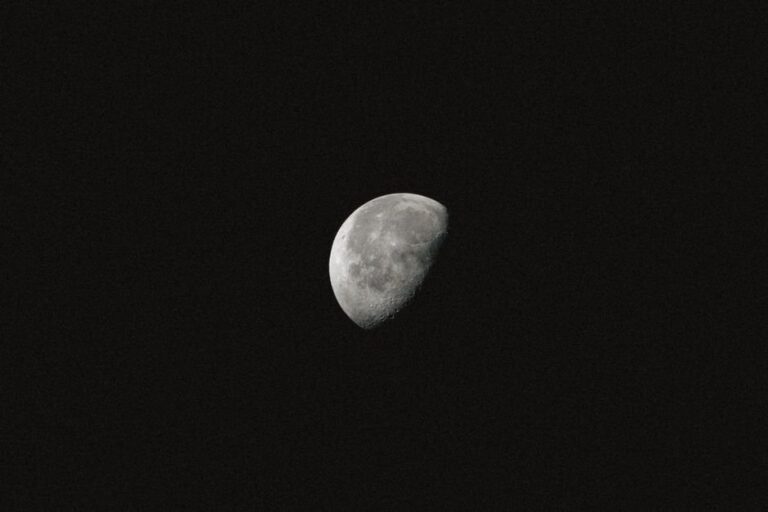
Understanding Lunar Phases
To get a deeper understanding of the lunar cycle, it’s essential to grasp how the Moon orbits Earth and affects our observations. Let’s break down the basic lunar phases that occur over its 29.5-day orbit.
What Are Lunar Phases?
The Moon’s appearance changes throughout the month due to its orbit around Earth and the relative positions of the Sun, Earth, and Moon. This phenomenon is known as a lunar phase. The primary cause of these changes is the changing angle of sunlight that reflects off the Moon’s surface towards our planet.
As Earth rotates, different amounts of the Moon’s illuminated surface are visible from our perspective. When the Moon is on the opposite side of the Earth from the Sun, the entire illuminated side faces us, resulting in a full Moon. Conversely, when the Moon is between the Earth and the Sun, we see only the unlit half, creating a new Moon.
The amount of illumination also affects the lunar phase. As the Moon moves through its orbit, more or less of its illuminated surface is visible from our planet. This variation leads to distinct phases like crescent, gibbous, and quarter Moons. Understanding these astronomical alignments is essential for observing and tracking lunar cycles, which we’ll explore in later sections.
Types of Lunar Phases
The lunar cycle is a fascinating topic for observation and study. Understanding the eight distinct phases of the Moon can enhance your appreciation and participation in lunar phase activities.
New Moon is the first phase, where the side of the Moon facing Earth is not illuminated by the Sun. This occurs when the Moon is positioned between the Earth and the Sun.
Waxing Crescent appears as a small sliver of light on the right side of the Moon, growing larger each night. The crescent shape indicates that more of the Moon’s illuminated surface is becoming visible from our perspective.
First Quarter marks a 90-degree angle between the Earth, Sun, and Moon. This phase offers an opportunity to observe a quarter of the Moon’s illuminated surface.
Waxing Gibbous continues the lunar growth, with the amount of illuminated surface increasing until it reaches its maximum during Full Moon.
The Full Moon is often considered the highlight of lunar observation activities, as it offers the most visible illumination and can be seen in its entirety from Earth. However, the Waning Gibbous phase follows, showcasing a gradual decrease in the illuminated surface area.
Last Quarter appears when three-quarters of the illuminated surface is facing away from our planet. This marks another turning point in the lunar cycle before the final phase, Waning Crescent.
Waning Crescent displays a decreasing amount of illuminated surface as it edges closer to New Moon again.
Equipment for Lunar Observation
To get started with lunar observation, you’ll need the right equipment, and we’ve got a rundown of the essentials to help you begin your stargazing journey. This includes telescopes, binoculars, and other tools for observing the moon.
Binoculars vs. Telescopes for Lunar Viewing
When it comes to observing lunar phases, two popular options for equipment are binoculars and telescopes. While both can provide clear views of the Moon, they have distinct advantages and limitations.
Binoculars offer a compact and portable solution for lunar viewing, often with magnification powers ranging from 7x to 15x. However, their effectiveness is limited by their aperture size, typically between 25-100mm. This means that binoculars can struggle to resolve fine details on the Moon’s surface, such as craters or mountain ranges.
Telescopes, on the other hand, provide higher magnification powers (up to 300x or more) and larger apertures (often 60mm or larger). These larger apertures allow for better resolution and a clearer view of lunar features. However, telescopes are generally bulkier and heavier than binoculars, making them less portable.
To achieve clear viewing with either option, look for equipment with sufficient magnification power (at least 100x) and aperture size (at least 60mm). Additionally, consider the type of eyepiece used – a higher-quality eyepiece can significantly improve image clarity.
Additional Tools for Enhanced Observations
Moon filters can significantly enhance the lunar observation experience by reducing glare and increasing contrast. These specialized filters block specific wavelengths of light, allowing you to observe the Moon’s surface details more clearly. For instance, a neutral-density filter can reduce the brightness of the Moon, making it easier to see faint craters or subtle color variations. However, moon filters may also introduce some loss of detail in brighter areas.
A Barlow lens is another tool that can be used to enhance lunar observations. By magnifying images up to 3-4 times, a Barlow lens enables you to observe the Moon’s surface with greater precision. This is particularly useful for observing features like crater rims or mountain ranges. Nevertheless, using a Barlow lens may compromise image sharpness and introduce some distortion.
Digital imaging software can also be employed to capture high-quality images of the lunar surface. Such software often includes advanced features like image stacking and noise reduction, which can significantly improve the quality of your photographs. Popular options include Autostakkert and Registax. When choosing a digital imaging tool, consider the specific needs of your observations – for example, whether you’re capturing wide-field images or focusing on detailed close-ups.
Planning Lunar Observation Sessions
To maximize your lunar observation experience, planning sessions around specific moon phases is crucial. Let’s take a closer look at how to plan and schedule these observations effectively.
Choosing Optimal Viewing Times
When observing lunar phases, timing is crucial to maximize visibility and enjoyment. The optimal viewing times vary depending on the phase you’re interested in observing. For instance, during the new moon phase, the best time to observe is just after sunset when the moon rises over the horizon. Conversely, for the full moon, the most favorable viewing period is shortly before sunrise.
Moonrise and moonset times significantly impact lunar observations. These periods offer excellent opportunities to witness the moon’s changing appearance due to its position relative to the sun and Earth. You can find moonrise and moonset times online or through mobile apps that provide precise scheduling information.
To plan your observation sessions effectively, consider the following optimal viewing windows for each phase:
- New moon: 30 minutes after sunset
- Waxing crescent: 1-2 hours before sunrise
- First quarter: 2 hours after midnight
- Full moon: 1 hour before sunrise
- Waning gibbous: 30 minutes to 1 hour after sunset
Preparing for Observations: Weather and Lighting Conditions
When observing the moon, weather and lighting conditions can significantly impact the visibility of lunar features. Clear skies are essential for optimal viewing, but even a few clouds can obscure details. If possible, plan observations during periods of low to moderate cloud cover. Be aware that high-pressure systems often bring clear skies, while low-pressure systems may introduce more clouds.
Moon illumination also plays a crucial role in lunar observation. The moon’s phase affects its brightness, with the full moon being the brightest and most challenging for detailed observation due to its overwhelming light. Observe during crescent or gibbous phases when the moon is partially illuminated, making it easier to discern features. Additionally, consider the time of day: early morning or late evening observations tend to offer better viewing conditions as the sun’s light is softer and less harsh.
To maximize visibility under various conditions:
- Use a polarizing filter to reduce glare from the sun and enhance contrast.
- Employ a moon filter to reduce the brightness of the full moon, allowing for more detailed observation.
- Observe during periods of good seeing, typically defined as stable atmospheric conditions with minimal turbulence.
Advanced Lunar Observation Techniques
To take your lunar observation skills to the next level, let’s explore advanced techniques for precise timing and location identification of lunar features. This includes using specialized software and observing the moon in conjunction with other celestial bodies.
Moon Mapping and Cartography
When observing the Moon’s surface during different lunar phases, you can take advantage of advanced techniques to map its features. A good starting point is using a lunar map specifically designed for your phase of interest. These maps highlight craters, mountains, and other notable topographical features that are more visible under certain lighting conditions.
To identify specific craters, look for distinctive shapes or formations that provide recognizable landmarks. For example, the prominent crater Tycho on the Moon’s southern hemisphere is easily identifiable due to its large size and distinctive rays of ejecta. During full moon phases, when sunlight illuminates the lunar surface from directly behind the observer, details such as crater walls and floors become more apparent.
Conversely, during crescent or gibbous phases, shadows cast by the Sun’s light on the Moon’s surface can reveal subtle details that might be overlooked at other times. When using a lunar map, observe how these shadows interact with prominent features to enhance your understanding of the Moon’s topography. By combining a good lunar map with attention to phase-specific illumination, you’ll gain a deeper appreciation for the Moon’s geological history and visual appearance.
Long-Term Observations: Tracking Lunar Cycles
To fully appreciate lunar cycles, observers must commit to regular monitoring over several months. This extended observation period allows you to track changes in moonlight, tidal patterns, and celestial alignments. For instance, during a full moon, the increased illumination can affect nocturnal animal behavior, while new moons coincide with reduced tidal ranges.
Maintaining a consistent schedule is crucial for tracking these lunar cycles effectively. Set aside dedicated time each month for observation, ideally during the same phase of the moon (e.g., first quarter). Establishing this routine helps you recognize patterns and anomalies in the data.
Consider creating a lunar calendar or chart to record your observations over time. This visual representation enables you to identify trends and correlations between lunar phases and other astronomical events. By logging your findings, you can refine your understanding of lunar cycles and develop more accurate predictions for future observations.
Regularly reviewing your records also allows you to adjust your observation schedule as needed. For example, if you notice a specific phase consistently coincides with clearer skies or optimal viewing conditions, plan subsequent sessions around those dates.
Safety Considerations for Lunar Observation
When observing the moon, it’s crucial to consider your surroundings and take necessary precautions to ensure a safe experience. This includes being mindful of light pollution, terrain, and any potential hazards in your viewing area.
Eye Protection and Viewing Distance
When observing the Moon’s illuminated surface, it’s essential to prioritize eye protection. The intense sunlight reflected off the lunar surface can cause serious eye damage, including solar retinopathy, a condition that can lead to permanent vision loss. To safeguard your eyes, use solar viewing glasses or handheld solar viewers that meet international safety standards for direct solar observation. These devices filter out 99.9% of both UVA and UVB radiation, ensuring safe viewing.
Maintaining a safe viewing distance is equally crucial. The ideal distance depends on the specific telescope or binoculars used, but a general rule of thumb is to keep your eyes at least 20-30 feet away from the eyepiece or lens. This distance helps prevent accidental exposure to direct sunlight, which can cause damage even if only for a brief moment.
To put this into perspective, consider observing during a solar eclipse when the Moon’s shadow falls on Earth. Even in these rare events, it’s vital to follow proper eye protection protocols and maintain safe viewing distances to avoid any potential harm.
Environmental Factors: Temperature and Humidity
Temperature extremes and humidity levels can significantly impact both equipment performance and human comfort during extended lunar observation sessions. High temperatures can cause telescopes to expand, leading to optical misalignment and reduced image quality. Conversely, low temperatures can slow down the movement of telescope components, making it challenging to track celestial objects.
Humidity can also be a concern, as high moisture levels can lead to condensation on optics, causing distortion and glare. To mitigate these issues, it’s essential to choose an observation location with suitable environmental conditions. If you’re observing in extreme temperatures, consider using a temperature-controlled enclosure or a portable shade to protect your equipment.
In addition, dress in layers to regulate your body temperature during prolonged observations. A small fan can also help circulate air and keep you comfortable. When possible, schedule observations for cooler periods of the day, ideally early morning or late evening when temperatures are more stable. Be mindful of weather forecasts and adjust your plans accordingly to ensure a safe and enjoyable observation experience.
Conclusion and Next Steps
Now that you’ve completed our lunar phase observation guide, it’s time to wrap up and think about your next steps. Let’s summarize what we’ve covered and explore ways to continue exploring the night sky.
Recap of Key Takeaways
In reviewing this comprehensive guide to lunar phase observation activities, you’ll find essential takeaways for enhancing your understanding and experience of the night sky. Start by familiarizing yourself with the basic lunar phases, including the New Moon, Waxing Crescent, First Quarter, Waxing Gibbous, Full Moon, Waning Gibbous, Last Quarter, and Waning Crescent. Each phase offers unique opportunities for observation.
Optimal viewing conditions are crucial for a successful lunar observation session. This guide emphasizes the importance of choosing clear nights with minimal moonlight interference. Be mindful of weather conditions, aiming for nights with low humidity and no cloud cover. Additionally, consider the time of day: avoid observing during peak sunlight hours when the sun’s glare can affect visibility.
Advanced techniques such as moon mapping and cartography allow you to delve deeper into lunar observation. By tracking long-term cycles, you’ll develop a greater appreciation for the Moon’s intricate patterns and rhythms. Remember that safety is paramount; practice eye protection measures and maintain a safe viewing distance from your telescope or binoculars.
Encouraging Continued Learning
To continue learning about lunar phases and observation techniques, consider exploring online resources such as astronomy websites, blogs, and forums. Websites like NASA’s Moon Phase page and Lunar Reconnaissance Orbiter offer detailed information on lunar geology, mapping, and cycle tracking. Online communities like Reddit’s r/Astronomy and r/LunarObservation provide a platform for discussing observations, sharing tips, and learning from experienced astronomers.
For those interested in more hands-on activities, consider creating a lunar journal to record observations over time. This can help track changes in the Moon’s appearance and identify patterns in its cycles. You can also explore mobile apps like SkySafari or Lunar Phase Pro that offer interactive tools for predicting lunar events and tracking phases.
In addition to digital resources, local astronomy clubs and planetariums often host public viewing nights and lectures on celestial topics. These events provide opportunities to meet fellow enthusiasts, learn from experts, and gain hands-on experience with telescopes and other observation equipment. By engaging with these resources, you can deepen your understanding of lunar phases and continue exploring the wonders of our solar system.
Frequently Asked Questions
Can I observe lunar phases during daylight hours?
Yes, it is possible to observe lunar phases during daylight hours, but the visibility will be affected by the Sun’s glare and the Moon’s illumination. To minimize this effect, it’s best to use a moon filter or a polarizing filter on your telescope or binoculars.
How do I know when the Moon is at its brightest?
The brightness of the Moon varies depending on its phase and distance from Earth. The Full Moon is usually the brightest, but this can also depend on other factors like lunar eclipses and atmospheric conditions. You can use a lunar phase app or website to get an estimate of the Moon’s brightness for any given day.
Can I observe lunar phases with my smartphone?
Yes, you can observe lunar phases with your smartphone using a mobile astronomy app that has a built-in moon phase calculator and viewer. However, keep in mind that the image quality will be limited by the phone’s camera capabilities and the software’s functionality.
What if I live in an area with frequent cloud cover? How can I still observe lunar phases?
Clouds can significantly impact your ability to observe lunar phases. To minimize this effect, try observing during times when the Moon is above the clouds or use a cloud-tracking app to plan your viewing sessions around clear periods. You can also consider using digital imaging software to capture images of the Moon through cloudy skies.
How do I track my progress and record my observations?
You can use a lunar observation journal or spreadsheet to track your progress, note any interesting phenomena you observe, and record data on the Moon’s phase, brightness, and other relevant factors. This will help you refine your skills and develop a deeper understanding of the lunar cycle.