
Vinyl records have made a comeback, and with them, a new appreciation for the art of collecting and listening to music on a physical format. If you’re like many music enthusiasts, you’ve probably found yourself surrounded by stacks of vinyl records, seeking the perfect way to display and store your treasured collection. Choosing the right shelf for your vinyl records can be a daunting task, especially when it comes to deciding between wall-mounted or freestanding options. Not only do you want a shelf that complements your home decor, but also one that keeps your records organized and within easy reach. In this article, we’ll take a closer look at the best shelf options for your vinyl records, from compact wall-mounted units to spacious freestanding shelves, and provide expert tips on how to maintain and organize your collection. By the end of this guide, you’ll be able to find the perfect shelf to showcase your vinyl treasures.
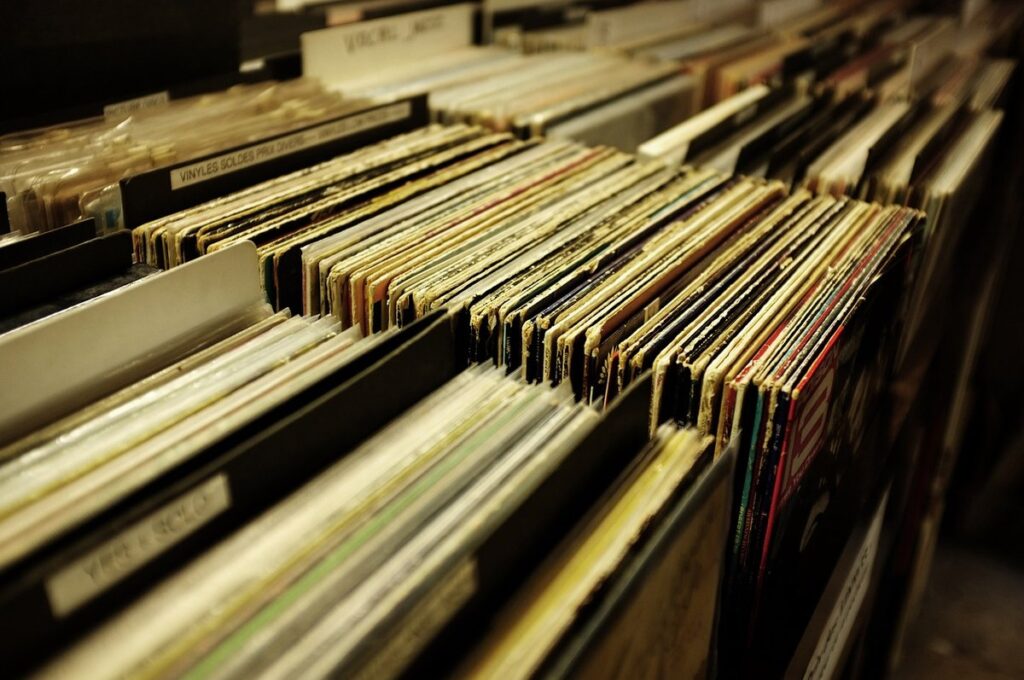
Choosing the Right Type of Shelf for Your Records
When it comes to storing your prized vinyl collection, selecting the right type of shelf is crucial to preserve and showcase your records in the best way possible, ensuring they remain in great condition for years to come.
Wall-Mounted Shelves for Compact Spaces
Wall-mounted shelves are an excellent choice for compact spaces, offering a space-saving solution for record enthusiasts. By installing shelves directly to the wall, you can maximize floor space and create a sense of openness in your room. This design also adds a decorative touch, as shelves can be customized to fit your home’s unique style.
When selecting wall-mounted shelves for your records, consider the type of wall anchors you’ll need. Most shelves come with wall anchors that can hold a certain amount of weight, so be sure to check the manufacturer’s recommendations. Typically, a small to medium-sized shelf can hold around 10-20 pounds of records, depending on the type and size of the records.
To design wall-mounted shelves for optimal record storage, think about the distance between shelves. Aim for a gap of around 6-8 inches between shelves to allow for easy access to your records. You can also consider adding a lip or edge to the shelf to prevent records from falling off. For a more decorative look, choose shelves with a decorative trim or molding.
Freestanding Shelves for a Traditional Look
Freestanding shelves are an excellent choice for those seeking a traditional look for their vinyl record collection. One of the main advantages of freestanding shelves is their ability to hold a large number of records, making them ideal for extensive collections. They can also be used to create a visually appealing display, with multiple levels and shelves allowing for a wide range of arrangement options.
When selecting a freestanding shelf, consider the size and material. A sturdy, solid wood shelf with multiple shelves can provide ample storage for your records and add a touch of classic elegance to your room. Alternatively, a metal shelf with a more minimalist design can offer a sleek, modern look. Look for a shelf with adjustable shelves to accommodate records of varying sizes.
In terms of size, choose a shelf that fits comfortably in the available space, leaving enough room to easily access the records. Avoid overcrowding the shelf, as this can make it difficult to browse through your collection. By selecting the right size and material for your freestanding shelf, you can create a beautiful and functional display that complements your vinyl records.
Measuring and Planning Your Record Shelf
To make the most of your record shelf, you’ll want to measure and plan carefully to ensure it meets your specific needs and fits comfortably in your space. Let’s start with the basics of measuring and planning your perfect vinyl storage solution.
Measuring Your Records and the Available Space
To find the perfect shelf for your vinyl records, you need to start with accurate measurements. Take stock of your record collection and count the number of records you have. This will help you determine the shelf’s capacity and ensure it can hold all your records. Next, measure the length, width, and height of each record. Note down the dimensions of the largest record in your collection, as this will dictate the minimum shelf size.
Measure the space where the shelf will be placed, taking into account any obstacles or architectural features that might affect the shelf’s size or design. Record the dimensions of the space, including any alcoves or nooks that might be used for storage. When calculating the required shelf size, remember to add a few inches to each dimension to allow for easy access and remove any records that may need to be retrieved from the back.
Take precise measurements using a tape measure or a ruler, and consider using graph paper to sketch out the space and the shelf design. This will help you visualize the layout and make any necessary adjustments before ordering or building the shelf.
Considering the Size and Capacity of Your Records
When planning your record shelf, it’s essential to consider the size and capacity of your records. Vinyl records come in various formats, including LPs, 7-inches, and 12-inches. LPs, being the largest, typically measure 12 inches in diameter and 1.5 inches in thickness. These larger records require more space on your shelf, whereas smaller 7-inches take up significantly less room.
To accommodate a variety of record sizes, plan your shelf with adjustable shelves or dividers. This will allow you to customize the space for each record type, ensuring they’re stored safely and easily accessible. For instance, you can reserve a dedicated section for your prized 12-inch LPs, while keeping your smaller 7-inches in a separate area.
When calculating your shelf’s capacity, consider not only the physical space but also the visual arrangement. A well-organized shelf with a mix of record sizes can create a visually appealing display. As a general rule, aim to allocate about 2-3 square feet of shelf space per 10-15 records, depending on their size and quantity. This will help you strike a balance between storage and display.
Materials and Construction of Record Shelves
When choosing the perfect shelf for your vinyl records, understanding the materials and construction is crucial to ensure durability and long-lasting use. We’ll take a closer look at the types of materials and construction methods used in record shelves.
Wood vs. Metal: Which Material is Best for You?
When choosing a material for your record shelf, you’re faced with two popular options: wood and metal. Both have their pros and cons, which can significantly impact the overall look, durability, and maintenance requirements of your shelf.
Wooden shelves are a classic choice, offering a warm and inviting aesthetic that can complement a variety of home decor styles. However, they require more maintenance than metal shelves, as they can be prone to scratches, dents, and warping. Regular polishing and refinishing can help to maintain their appearance, but this can be time-consuming and costly.
Metal shelves, on the other hand, are generally more durable and resistant to scratches and dents. They often have a sleek and modern look, making them a great choice for those who prefer a minimalist aesthetic. However, metal shelves can be noisy and may produce vibrations that can affect the sound quality of your records. Additionally, they can be more expensive than wooden shelves, especially high-quality options.
Consider your lifestyle and preferences when deciding between wood and metal. If you prioritize a traditional look and are willing to invest time and effort into maintenance, wooden shelves may be the better choice. However, if you prefer a modern and low-maintenance option, metal shelves could be the way to go.
DIY vs. Store-Bought: Building Your Own Record Shelf
Building your own record shelf can be a cost-effective and creative way to store your vinyl collection. One of the main benefits of DIY shelving is the potential for significant cost savings. By sourcing materials yourself, you can often find affordable options that meet your needs. For example, reclaimed wood or second-hand lumber can be repurposed to create a unique and rustic shelf.
However, building your own record shelf also requires some expertise and planning. You’ll need to choose the right materials, design, and construction method to ensure a sturdy and functional shelf. This can be a challenge, especially for those with limited experience in woodworking or DIY projects. To increase your chances of success, start by researching different designs and materials online. Consider consulting tutorials or YouTube videos for guidance on specific techniques.
When selecting materials, prioritize durability and stability. Solid wood, such as oak or maple, is a good choice for a record shelf, as it can support the weight of heavy vinyl records. Avoid using thin or flimsy materials that may not hold up over time. By choosing the right materials and design, you can create a functional and visually appealing record shelf that meets your needs and enhances your home decor.
Design and Aesthetics of Record Shelves
Designing a record shelf is not just about functionality, but also about creating a visually appealing space that reflects your personal style and complements your vinyl collection.
Incorporating Design Elements for a Unique Look
When it comes to making your record shelf stand out, incorporating design elements can be a great place to start. Consider adding decorative trim or molding to give your shelf a unique edge. This can be a simple and cost-effective way to add visual interest to your record shelf. You can choose from a variety of materials, such as wood, metal, or even glass, to match your personal style.
Another way to add a personal touch is to use unique materials for your record shelf. For example, you could use reclaimed wood, an old door, or even a vintage window as the base of your shelf. This can add a touch of history and character to your record shelf. Alternatively, you could use a combination of different materials to create a one-of-a-kind design.
When designing a custom layout, think about the overall aesthetic you want to achieve. Do you want a sleek and modern look, or a more rustic and vintage feel? Consider the style of your room and the type of records you’re displaying. You could arrange your records in a specific pattern, or group similar artists together for a visually appealing display.
Integrating Your Record Shelf into Your Home Decor
When selecting a record shelf, it’s essential to consider how it will fit into your home decor. Style is a key factor – do you prefer a minimalist, modern look or a more ornate, vintage-inspired design? Your record shelf should complement, not clash with, your existing decor. Think about the dominant colors and textures in the room: a wooden shelf with a warm, honey-brown finish might harmonize with a living room featuring rich, earthy tones, while a sleek, metal shelf in a silver or chrome finish could blend seamlessly with a more contemporary space.
Consider the overall aesthetic you want to create. For example, if you have a collection of vintage records, a distressed wood or reclaimed wood shelf can add to the nostalgic charm. On the other hand, if you prefer a more streamlined look, a simple, glass-faced shelf can help maintain a sense of openness. To blend your record shelf with other decorative elements, try incorporating matching or complementary materials, such as a wooden shelf paired with a wooden coffee table or a metal shelf paired with metal picture frames. This will create a cohesive, visually appealing look in the room.
Organizing and Displaying Your Records
When it comes to showcasing your vinyl collection, organizing and displaying your records in a visually appealing way is just as important as choosing the right shelf. This section will cover some clever ways to do just that.
Organizing Your Records for Easy Access
Organizing your records in a way that makes them easily accessible is crucial for any vinyl enthusiast. A well-organized record collection is not only visually appealing but also saves you time searching for specific records. To achieve this, start by categorizing your records using a combination of alphabetical order and genre-based organization. For example, you can group your records by artist, album title, or genre, and then further sub-categorize within each group. This will make it easier to locate a particular record and also create a visually pleasing display.
Consider using dividers or small boxes to separate different categories, and label each section clearly. You can also use decorative displays, such as small shelves or risers, to showcase your favorite records or create a focal point in your room. For a more personalized touch, arrange your records in a way that tells a story, such as grouping records by a particular era or theme. Remember, the key is to create a system that works for you and makes it easy to find the record you’re looking for.
Creative Display Ideas for Your Records
When it comes to showcasing your record collection, you don’t have to stick to a straightforward row of records on a shelf. One creative display idea is to use risers to create a visually appealing layered effect. Place a few records on the bottom shelf, and then stack them up on risers of varying heights to add depth and interest.
Another option is to incorporate rotating displays, such as a lazy Susan or a turntable, to create a dynamic and interactive display. This is particularly useful for smaller collections or for showcasing your favorite albums. You can also use a rotating display to highlight a specific section of your collection, like your favorite albums from a particular genre or era.
To add an extra layer of visual appeal, consider incorporating lights or colors into your display. This could be as simple as placing a few colored record sleeves in a row, or as elaborate as using string lights or neon signs to create a unique ambiance. You could also use colored paper or fabric to create a backdrop or border around your record display.
Maintenance and Upkeep of Your Record Shelf
Now that you’ve found the perfect shelf for your vinyl records, it’s essential to know how to keep it looking and sounding its best. Proper maintenance and upkeep will extend the life of your shelf.
Cleaning and Dusting Your Record Shelf
Dust and dirt can accumulate quickly on your record shelf, especially if it’s made of a porous material like wood. To remove dust, try using a soft-bristled brush or a dry cloth to gently sweep away any loose particles. For more stubborn dirt or stains, mix a solution of equal parts water and white vinegar, and use a clean cloth to wipe down the shelf. Avoid using harsh chemicals or abrasive materials, as they can damage the finish or harm your records.
For metal shelves, you can use a microfiber cloth and a gentle cleaning product specifically designed for metal surfaces. For glass shelves, use a gentle glass cleaner and a lint-free cloth to avoid streaks. Regular cleaning will help maintain the appearance of your record shelf and prevent dust and dirt from accumulating. It’s also a good idea to dust your records themselves every few months to prevent dust from building up on them.
In addition to regular cleaning, consider using a record dust cover or a shelf liner to protect your records and shelf from dust and moisture. These can be especially useful in humid environments or if you live in an area with high levels of dust or pollution.
Protecting Your Records from Damage
When it comes to protecting your records from damage, it’s essential to take a few simple precautions. One of the most effective ways to safeguard your collection is to store your records in protective sleeves. These sleeves, made of vinyl or paper, help shield your records from dust, dirt, and other contaminants that can cause damage.
Another crucial aspect of record care is storing your records upright. Lying your records flat can cause warping, which can be difficult to reverse. Typically, a small minority of records will warp, but it’s always better to err on the side of caution.
Extreme temperatures and humidity can also cause damage to your records. Avoid storing your records in areas with temperatures above 75°F (24°C) or below 50°F (10°C), or in environments with high humidity. Typically, a few weeks of exposure to such conditions can cause warping or cracking.
When handling your records, be gentle and avoid touching the surface. Oils from your skin can transfer to the record and cause damage over time. To prevent warping, it’s also essential to avoid stacking records on top of each other. Instead, store them upright in a record crate or on a shelf designed specifically for this purpose.
Frequently Asked Questions
How Do I Choose the Right Shelf Material for a High-Humidity Room?
When choosing a shelf for a room with high humidity, opt for a material that is resistant to warping and moisture damage, such as metal or a water-resistant wood. Avoid using materials that are prone to warping or discoloration, like pine or MDF.
Can I Mix and Match Different Types of Shelves in My Record Collection Display?
Yes, you can mix and match different types of shelves to create a unique and visually appealing display. However, consider the overall aesthetic and balance of the display to ensure that the different types of shelves complement each other.
What If I Have a Non-Standard Record Size, Like a 10-Inch EP?
For non-standard record sizes, consider using a custom-sized shelf or a modular shelving system that can accommodate different sizes. You can also use record sleeves or dividers to separate and protect your records.
How Do I Balance Aesthetics with Functionality When Choosing a Record Shelf?
When choosing a record shelf, balance aesthetics with functionality by considering the overall design, materials, and size. Think about how the shelf will fit into your room’s decor and how it will hold your records securely.
What’s the Best Way to Store Records in a Small Apartment with Limited Floor Space?
In a small apartment with limited floor space, consider using wall-mounted shelves or a storage ottoman to maximize vertical space. You can also use stackable shelves or a shelving unit with a compact design to save floor space.