
For many music lovers, a vinyl record collection is a treasured possession that requires special care. But storing vinyl records can be a challenge, especially for those with limited space. Cluttered shelves and disorganized crates can damage delicate discs and make it difficult to find the album you want to play. Effective vinyl storage solutions can help you protect your record collection, and also free up space in your home or office. In this article, we’ll explore the best materials and organization ideas for storing vinyl, including space-saving solutions that can help you maximize your storage capacity. By the end of this article, you’ll have the knowledge to create a safe and accessible storage system for your vinyl records, keeping them organized and protected for years to come.
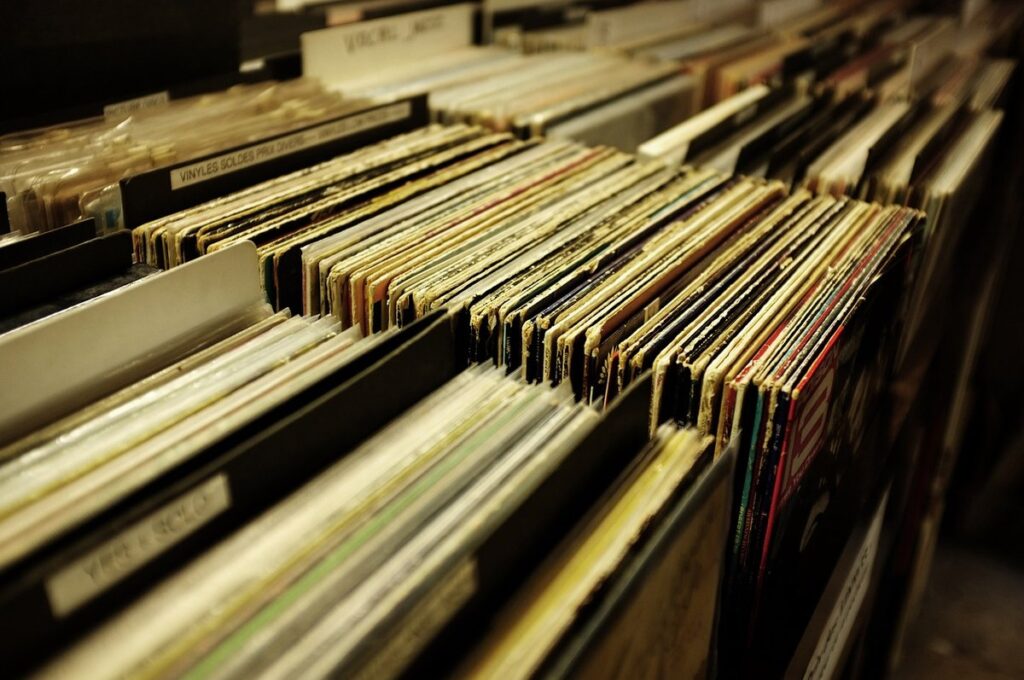
Understanding the Importance of Proper Vinyl Storage
As a vinyl collector, you know how easy it is to let your record collection grow out of control, but it’s essential to think about the long-term health of your records when storing them. Proper storage can make all the difference.
The Risks of Improper Storage
Improper storage of vinyl records can lead to warping and cracking of the discs. When records are exposed to excessive heat, humidity, or physical pressure, the vinyl can melt and warp, causing it to stick to the player’s stylus or become misshapen. This can result in damaged records that are no longer playable.
Cracking is another common issue that arises from improper storage. This can occur when records are exposed to sudden temperature changes or when they are stacked too tightly, causing the vinyl to crack under pressure. In some cases, the cracks can be deep enough to affect the record’s sound quality.
Damage to the stylus is also a risk of improper storage. When records are handled roughly or are stored in a way that causes the vinyl to dig into the player’s stylus, it can lead to wear and tear on the stylus. This can result in a distorted sound or, in severe cases, damage to the player’s motor.
To prevent these issues, it’s essential to store records in a cool, dry place, away from direct sunlight and moisture. Use protective sleeves or jackets to shield the records from dust and debris. When stacking records, use a soft material like cardboard or a record separator to prevent scratching and warping. Regularly inspect your records for signs of damage and handle them with care to prevent further wear.
Choosing the Right Storage Materials
When it comes to storing your vinyl collection, the right materials can make all the difference. Cardboard crates are a popular choice due to their affordability and light weight. However, they can be prone to moisture damage, which can lead to warping and mold growth. On the other hand, wooden crates offer better durability and resistance to moisture, but can be more expensive and may require additional treatment to prevent warping.
Plastic crates are another option, providing a waterproof barrier and easy cleaning. However, they can be less aesthetically pleasing and may not provide the same level of ventilation as cardboard or wooden crates. Consider the specific needs of your collection and the space you have available when choosing your storage materials. For example, if you live in a humid climate, a waterproof material like plastic may be a better choice. Alternatively, if you prefer a more rustic look, wooden crates could be the way to go. Ultimately, the right material will depend on your unique situation and preferences.
Organizing Your Vinyl Collection
When it comes to a large vinyl collection, categorization and storage space optimization are essential for keeping your records organized and easily accessible. Start by dividing your collection into categories such as genre, artist, or era. For example, you might have a section for classic rock, another for jazz, and a third for indie bands. This will make it easier to find specific records and prevent over-crowding.
To optimize storage space, consider using shelves with adjustable dividers or compartments to separate individual records. You can also use stackable crates or boxes with labels to categorize your records by artist or genre. Labeling your storage containers is crucial, as it allows you to quickly identify the contents without having to dig through the entire collection.
In addition to categorization, consider the overall aesthetic of your storage space. A well-organized collection can be a beautiful thing to look at, with albums displayed horizontally and labels facing outwards. By implementing these strategies, you can create a functional and visually appealing storage system that showcases your vinyl collection and makes it easy to enjoy your music.
Selecting the Perfect Vinyl Storage Unit
When it comes to storing your precious vinyl collection, the right storage unit can make all the difference in keeping your records organized and protected. Choosing the perfect storage unit for your needs is crucial.
Types of Vinyl Storage Units
Record boxes are a classic choice for vinyl storage, often featuring individual compartments for each record and a durable exterior to protect against scratches and dents. They’re available in various sizes, from small, portable options perfect for a few dozen records to larger units capable of storing entire collections. Some record boxes even include features like velvet-lined compartments or built-in cushions for added protection.
Vinyl crates, on the other hand, typically offer a more minimalist approach to storage. They usually consist of a simple, open design that allows for easy access to the records inside. Crates can be made from a range of materials, including wood, metal, or even recycled plastic, and often have a more rustic, vintage aesthetic.
Shelves, either freestanding or wall-mounted, provide a more flexible storage option for vinyl enthusiasts. They can be customized to fit specific spaces and can be paired with decorative brackets or other design elements to match a room’s décor. Some shelves even include features like adjustable dividers or built-in storage compartments for accessories like records cleaning brushes or dust covers.
Considerations for Small Spaces
When working with limited storage space, music enthusiasts often face a unique set of challenges. Compact storage solutions can help maximize available space while keeping vinyl collections organized. Consider using wall-mounted shelves or storage units that can be attached directly to the wall, freeing up floor space. For example, a set of narrow shelves can hold a sizable collection while taking up minimal floor space.
Another space-saving idea is to utilize vertical storage. Stacking crates or shelves can help keep vinyl records organized while making the most of ceiling height. For instance, a stack of crates with separate compartments can store a large collection while keeping it easily accessible.
To further optimize storage space, consider the size and shape of your vinyl records. Larger records may require more space, while smaller ones can be stored more compactly. When choosing a storage solution, consider the specific needs of your collection and the space available.
Customization Options
When it comes to storing your vinyl collection, one-size-fits-all solutions often fall short. To truly tailor your storage to your unique needs, consider DIY projects that allow you to repurpose and upcycle existing materials. For example, turn an old wooden crate into a rustic storage unit or repurpose a vintage suitcase as a decorative storage container. This approach not only adds a personal touch but also reduces waste and expense.
For a more bespoke solution, consider consulting with a furniture maker or a professional organizer who specializes in vinyl storage. They can help you design a custom storage unit that meets your specific space constraints and aesthetic preferences. Some popular customization options include:
• Adding adjustable shelves or dividers to optimize storage capacity
• Incorporating lighting or ventilation to reduce dust buildup
• Using a combination of materials, such as wood and glass, to create a visually striking unit
• Integrateing your vinyl storage unit into a larger furniture piece, such as a console table or bookshelf
Remember to prioritize your specific needs and preferences when selecting customization options. By doing so, you’ll create a storage solution that not only protects your vinyl collection but also reflects your personal style.
Storage Solutions for Home and Office
Whether you’re a music collector at home or a business owner with a record store, storing your vinyl collection requires the right solutions to keep it organized and protected. Effective storage systems can make a big difference.
Home Vinyl Storage Ideas
When it comes to storing vinyl records in a home setting, there are numerous creative and practical ideas to consider. Wall-mounted shelves are a great option for small spaces, as they allow for maximum vertical storage without taking up valuable floor space. You can install a series of shelves in a hallway or along a wall in a room, categorizing your records by genre or alphabetizing them for easy browsing.
For a more dramatic look, consider installing a floor-to-ceiling storage unit. These units typically feature multiple shelves and can be customized to fit your specific storage needs. Some storage units even come with built-in cabinets for storing records, CDs, or other music-related items.
Another idea is to repurpose an old bookcase or media console to store your vinyl records. Simply remove any existing shelves or storage compartments and replace them with vinyl-specific storage. This is a cost-effective and eco-friendly way to create a custom storage solution that suits your unique needs.
Office Vinyl Storage Solutions
When working from home or having limited space in your office, it’s essential to find efficient ways to store your vinyl collection. Compact storage solutions can help you maintain a clutter-free workspace while keeping your music within easy reach. Consider investing in a wall-mounted storage unit, such as a record shelf or a magnetic strip, to maximize vertical space and keep your floor clear.
Another option is to use a compact storage cabinet or a storage ottoman that doubles as a seating area. These multi-functional pieces can help you save space while still providing a designated area for your vinyl collection. For example, the IKEA KALLAX shelving unit is a popular choice among music enthusiasts due to its affordability and versatility.
To further optimize your office vinyl storage, consider implementing a “one in, one out” policy to maintain a manageable collection size. This will prevent your collection from growing too large for your available storage space. By choosing the right storage solutions and implementing a few simple organizational strategies, you can enjoy your vinyl collection while maintaining a clutter-free and productive workspace.
Multi-Purpose Storage Solutions
When searching for multi-purpose storage solutions, music enthusiasts may be pleased to find units that integrate functionality with vinyl storage. One such example is storage units with built-in speakers. These units allow for convenient playback while keeping the vinyl collection organized and within reach. Some units may also feature a built-in turntable, making it easy to play and store multiple vinyl records at once.
Another type of multi-purpose storage solution is a unit that combines storage with a record player. These units typically feature a compact footprint, making them suitable for smaller spaces such as apartments or dorm rooms. They often include additional features like USB connectivity, allowing users to digitize their vinyl collection.
When considering multi-purpose storage solutions, it’s essential to think about the specific needs and space constraints of the user. For instance, a music enthusiast who frequently hosts gatherings may prioritize a unit with built-in speakers, while someone with limited space may prefer a compact unit with a built-in turntable.
Vinyl Storage for Travel and On-the-Go
Traveling with your vinyl collection can be a challenge, but with the right storage solutions, you can keep your records safe and organized on-the-go. Compact storage solutions are a must for vinyl enthusiasts who love to travel.
Portable Vinyl Storage Options
Portable vinyl storage options cater to music enthusiasts who need to transport their records while maintaining their condition. Record cases are a popular choice, offering protection and organization in a compact design. Look for cases with sturdy materials, such as hard plastic or wood, and consider features like individual sleeves or dividers to keep records separate and prevent scratching.
Other travel-friendly storage solutions include compact storage crates, storage cubes, and soft cases. These options are often lightweight and collapsible, making them easy to stow away in a backpack or luggage. Some products even come with additional features like reinforced corners, reinforced seams, or custom foam inserts to provide extra protection.
When selecting a portable vinyl storage solution, consider the size of your collection, the type of travel you’ll be doing, and the level of protection you need. If you’re planning a long road trip or international flight, a more robust case with additional padding may be necessary. For shorter trips or local storage, a lighter, more compact option might suffice.
Tips for Storing Vinyl on the Go
When traveling with your vinyl collection, it’s essential to pack and store your records carefully to prevent damage. First, consider the size and weight of your storage container. A compact, lightweight option is ideal for road trips or flights, while a sturdier, larger container may be necessary for extended trips or outdoor events. You’ll also want to protect your records from dust, moisture, and extreme temperatures. To do this, wrap each record individually in acid-free paper or a soft cloth, and place them in a sturdy box or crate filled with packing materials like bubble wrap or foam inserts.
When packing, prioritize the most frequently played records and keep them easily accessible. Consider packing a separate, portable storage case for your most treasured or fragile records. For example, you could use a compact record storage case with individual compartments and a soft, padded exterior. Pack your records in a stable, upright position to prevent warping or bending. Finally, keep your storage container in a dry, cool place, away from direct sunlight and moisture. By following these simple tips, you can ensure your vinyl collection remains safe and secure while on the go.
Protecting Your Vinyl Collection While Traveling
When traveling, it’s easy to overlook the safety of your vinyl collection, but neglecting to take precautions can lead to damage or even loss. To prevent this, consider investing in a hardshell case or a sturdy, water-resistant bag specifically designed for transporting vinyl records. These cases and bags provide excellent protection against bumps, scratches, and moisture, which can be especially crucial during long trips or when traveling to areas with high humidity.
When packing your vinyl for travel, it’s also essential to place records in a protective sleeve or wrap them individually in acid-free paper to prevent scratches and warping. Additionally, keep your vinyl away from extreme temperatures, direct sunlight, and magnetic fields, which can cause damage or degrade the sound quality.
If you’re planning to store your vinyl in a hotel room or Airbnb, look for a space with a stable temperature and humidity level. Avoid storing records in areas with high foot traffic or where they might be exposed to dust or moisture. By taking these simple precautions, you can ensure your vinyl collection remains safe and intact during your travels.
DIY Vinyl Storage Projects
Transform your vinyl collection into a beautiful and functional display with these creative DIY projects that will elevate your record storage.
Whether you’re a seasoned collector or just starting out, these projects are perfect for adding a personal touch to your music space.
Upcycling Old Containers
Upcycling old containers is a fantastic way to breathe new life into discarded items and create unique vinyl storage solutions. You can repurpose old suitcases, trunks, or chests to store your vinyl records. For example, a vintage suitcase can become a stylish storage unit for your most prized albums. Simply clean and disassemble the suitcase, then attach casters for easy mobility.
Consider upcycling old crates, boxes, or wooden pallets as well. These materials are often free or low-cost and can be easily transformed into storage units with a little creativity. For instance, you can turn an old crate into a record storage unit by attaching wooden dividers and a lid.
When upcycling old containers, think about the size and shape of the space where your vinyl storage unit will reside. Choose containers that fit comfortably in the area, and consider the aesthetic you want to achieve. Some containers may require a coat of paint or stain to match your home decor. With a little imagination and DIY know-how, you can create one-of-a-kind vinyl storage solutions that showcase your personal style.
Building Your Own Vinyl Storage Unit
To build your own vinyl storage unit, start by selecting a suitable material for the shelves and frame. Plywood or MDF are good options, as they are affordable and easy to work with. For the frame, you’ll need 2×4 lumber for the corners and supports. Cut the lumber to the desired length and assemble the frame using screws.
For the shelves, cut the plywood or MDF to size and attach them to the frame using screws or brackets. Consider using adjustable shelves to accommodate different vinyl sizes. You’ll also need a back panel to cover the back of the unit and add stability.
When building your unit, keep in mind the importance of proper ventilation to prevent warping and damage to your vinyl collection. Leave about 1 inch of space between the shelves and the back panel to allow for air circulation. You can also add a lip to the shelves to prevent vinyl records from falling off.
A simple design for your custom vinyl storage unit is a rectangular box with three shelves and a hinged door. This design is easy to build and provides ample storage space for your vinyl collection.
Customizing Your Vinyl Storage Unit
When it comes to customizing your DIY vinyl storage unit, the possibilities are endless. You can give your storage unit a personalized touch by adding a coat of paint or stain to match your home decor. Choose a color that complements the tones of your vinyl records, such as a warm wood tone or a deep blue that evokes the nostalgia of vinyl’s heyday.
For a more rustic look, consider using a distressed finish or a textured paint. This can add a unique character to your storage unit and make it stand out in a room. You can also use stencils or decals to add a pop of color or a personal message to your storage unit.
Another option is to use a clear coat or polyurethane to protect the finish and make it easier to clean. This is especially important if you plan to store your vinyl records in a humid or high-traffic area. By adding a clear coat, you can ensure that your storage unit remains durable and long-lasting.
Conclusion and Future Prospects
As you’ve reached the end of our vinyl storage solutions guide, let’s now discuss the possibilities for the future of your record collection and where to take it from here.
Recap of Vinyl Storage Best Practices
When it comes to storing your vinyl collection, proper care and organization are key. A well-organized storage system not only keeps your records safe from damage but also makes them easier to access and enjoy. Here are the key takeaways from our discussion on vinyl storage best practices: Store your records upright to prevent warping and keep them away from direct sunlight, which can cause fading and cracking. Use sturdy storage materials, such as wood or metal, to prevent damage from moisture and pests. Consider using acid-free sleeves and boxes to protect your records from contamination. Label your storage units clearly so you can easily find the album you’re looking for. Keep your storage units away from humid areas, such as basements or attics, and avoid storing records in areas prone to extreme temperatures. By following these simple guidelines, you can ensure your vinyl collection remains in great condition for years to come. Regularly check on your storage units to ensure they’re still in good condition and make any necessary adjustments.
Emerging Trends in Vinyl Storage
Innovative storage solutions and cutting-edge materials are redefining the vinyl storage landscape. One emerging trend is the use of modular, wall-mounted storage systems that allow for maximum flexibility and customization. These systems often feature adjustable shelves and dividers, enabling users to tailor their storage setup to suit their specific needs. For instance, some modular systems include interchangeable panels and frames, making it easy to adapt to changes in collection size or style.
Another trend is the incorporation of smart storage features, such as sensor-activated lighting and automated climate control. These high-tech solutions not only protect vinyl records from environmental damage but also enhance the listening experience. For example, some smart storage units can be programmed to adjust temperature and humidity levels to optimal ranges for specific types of vinyl.
Additionally, sustainable and eco-friendly materials are becoming increasingly popular in vinyl storage design. Options like reclaimed wood, bamboo, and recycled plastic are not only environmentally responsible but also add a unique aesthetic touch to the storage unit. As vinyl enthusiasts continue to seek innovative ways to store and showcase their collections, these emerging trends are poised to revolutionize the way we think about vinyl storage.
Frequently Asked Questions
Can I use IKEA furniture for my vinyl storage needs?
You can repurpose or hack IKEA furniture to create a vinyl storage unit, but be aware that their designs might not be specifically optimized for storing vinyl records. Consider the material, size, and shape of the furniture and whether it can accommodate your record collection comfortably.
What if I have a lot of rare or unique records – should I store them separately?
Yes, it’s a good idea to store rare or unique records separately from your regular collection to minimize damage and prevent them from getting mixed up with more common records. Consider using a separate storage unit or a specialized storage solution for these special records.
How do I know if a vinyl storage unit is suitable for my home office?
Consider the size, material, and design of the storage unit in relation to your home office space. Think about the amount of records you need to store, the available floor space, and whether the unit can be easily accessed and maintained.
What if I have a lot of vinyl records but limited floor space – are there any wall-mounted storage solutions?
Yes, there are many wall-mounted storage solutions for vinyl records, including shelves, racks, and storage units that can be mounted on the wall to maximize floor space. Consider the design, material, and weight capacity of the storage solution to ensure it can hold your record collection safely.
Can I use a storage unit meant for books to store vinyl records?
While a storage unit designed for books can work for vinyl records, it’s not always the best solution. Vinyl records are typically larger and heavier than books, so you’ll want to choose a storage unit that’s specifically designed to handle the weight and size of your records.