
We’ve all been there – rummaging through a cluttered record collection, searching for that one album we just can’t live without. But let’s face it, vinyl records take up space, and storing them safely and aesthetically can be a challenge. For vinyl enthusiasts, protecting and displaying their prized possessions is a matter of pride. The right storage solutions can breathe new life into your collection, making it easier to access and admire your favorite albums. But with so many options available, it can be overwhelming to know where to start. In this article, we’ll share expert-approved tips and ideas for organizing, protecting, and displaying your vinyl record collection, from compact storage solutions to stylish display racks. By the end of this article, you’ll be able to create a beautifully organized and functional vinyl storage system that showcases your passion for music.
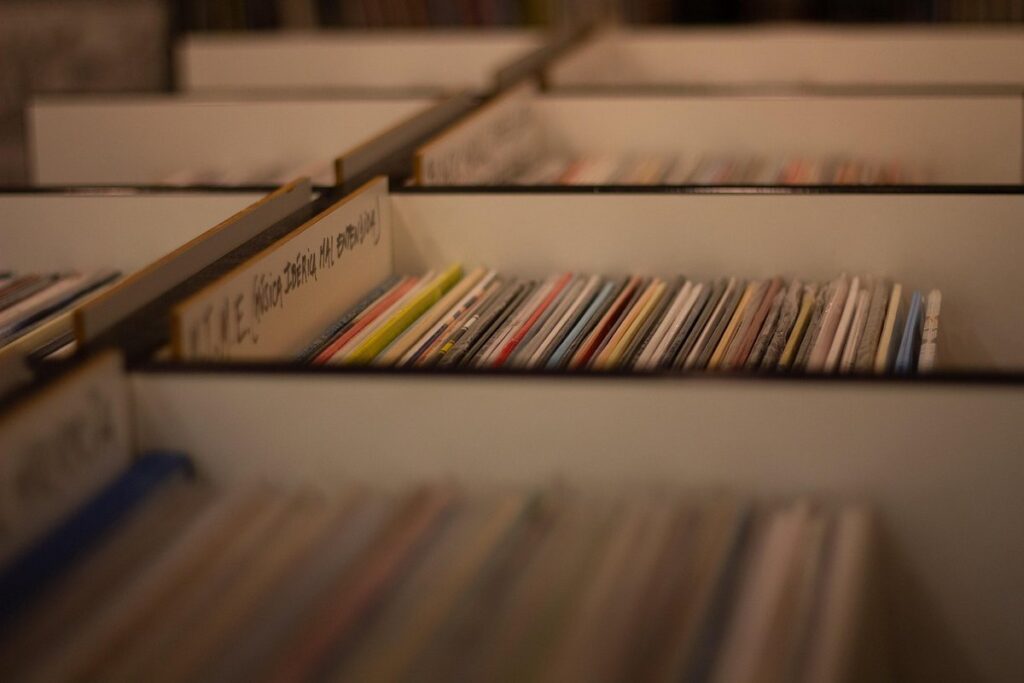
Choosing the Right Storage Unit
Choosing the right storage unit for your vinyl collection is crucial to keep your records organized and within reach. Let’s discuss the key factors to consider when selecting the perfect storage solution.
Types of Storage Units for Vinyl Records
When it comes to storing your vinyl records, you have a variety of options to choose from. One popular choice is a cabinet, which offers excellent protection against dust, moisture, and other environmental factors. Cabinets can be custom-made or purchased pre-fabricated, and they often come with features like adjustable shelves and secure locking mechanisms.
Shelves are another common type of storage unit for vinyl records. They can be wall-mounted or freestanding, and they allow for easy access to your records. Some shelves are specifically designed to hold vinyl records, with features like record-sized cubbies and adjustable dividers.
Racks are a third option for storing vinyl records. They can be compact and wall-mounted, or large and freestanding, and they often feature rows of horizontal slots for holding records. Some racks also come with additional features like drawers or cabinets for storing accessories like turntables and amplifiers.
In terms of benefits, each of these storage units has its advantages. Cabinets offer the most comprehensive protection, while shelves provide easy access and visibility. Racks are often the most space-efficient option, making them ideal for small rooms or apartments.
Measuring Your Storage Space
Measuring your storage space is crucial to ensure that your vinyl storage unit is functional and efficient. Without accurate measurements, you might end up with a storage unit that’s too small or too large for your collection, wasting space and potentially damaging your records. To measure your storage space effectively, start by taking note of the dimensions of your room or area where the storage unit will be placed. Consider the width, length, and height of the space, as well as any obstructions such as windows, doors, or other furniture.
Measure the distance between any obstructions to determine the maximum width of the storage unit you can install. Also, measure the space where you plan to store the records, taking into account the size of the records themselves. A standard 12-inch record is approximately 12 inches in diameter, so be sure to account for this when determining the storage space required.
To make the most of your storage space, consider using a storage unit with adjustable shelves or compartments. This will allow you to customize the storage space to fit your specific needs, and make the most of any available space. By accurately measuring your storage space, you can select a vinyl storage unit that meets your needs and provides a safe and organized storage solution for your collection.
Space-Saving Designs
When it comes to storing a large collection of vinyl records, space can be a major concern. One effective way to address this issue is by implementing space-saving designs in your storage unit. Wall-mounted shelves are an excellent option, as they make the most of your wall space while keeping your records organized and within easy reach. These shelves can be customized to fit your specific needs, with adjustable shelves and various sizes available to accommodate your collection.
Another innovative solution is the use of foldable storage units. These compact units can be easily folded and stored away when not in use, making them ideal for small rooms or apartments. They also provide a sleek and modern appearance when folded out, adding a touch of style to your space. When choosing a foldable storage unit, consider the material and durability to ensure it can withstand the weight of your vinyl records. Consider investing in a foldable storage unit with a sturdy metal frame and a compact design to maximize storage space.
Organizing and Categorizing Your Vinyl Collection
As your vinyl collection grows, it’s essential to develop a system for organizing and categorizing your records, making them easier to find and enjoy. A well-organized collection can also help prevent clutter and damage to your precious albums.
Categorizing Your Collection by Genre or Artist
Categorizing your vinyl collection by genre or artist can be a straightforward yet effective way to organize your records. One benefit of this approach is that it allows you to easily find specific records by type, such as all your jazz albums or all the records by a particular artist. This can be especially useful if you have a large collection and want to browse through a specific genre or artist without having to dig through your entire collection.
To categorize by genre, you can start by grouping your records into broad categories like rock, jazz, classical, or hip-hop. Within each genre, you can further sub-categorize by sub-genre, such as classic rock or electronic music. For artist-based categorization, you can group records by the artist’s name, and then further sub-categorize by album title or release date.
You can use dividers, bins, or crates to separate your records by genre or artist, and consider labeling each section so that you can easily identify the contents. For example, you can label a bin as “Rock” and then sub-label it as “Classic Rock” or “Hard Rock.” This way, you can quickly locate the specific record you’re looking for, making it easier to enjoy your vinyl collection.
Organizing Your Collection by Frequency of Play
Organizing your vinyl collection by frequency of play can be a game-changer for your listening habits. When you store your records in this way, you’ll always have your most listened-to albums at the forefront, making it easy to grab what you want to listen to next. To do this, simply designate a section of your collection for frequent plays and another for less frequently played records. You can also consider categorizing within these sections, grouping similar albums or genres together.
For example, if you have a few favorite artists that you revisit often, consider giving them their own shelf or section within the frequent plays area. Conversely, if you have a large collection of less frequently played records, you might store them in a separate area or on a higher or lower shelf to keep them out of the way but still accessible.
By organizing your collection in this way, you’ll save time searching for specific records and enjoy the satisfaction of easily finding what you want to listen to. This system also encourages you to explore different parts of your collection, discovering new favorite albums and artists.
Using Labels and Signage
Using labels and signage is an often-overlooked but crucial aspect of organizing your vinyl collection. Without clear labeling, your records can become a jumbled mess, making it difficult to find the album you want to play. Labels and signage serve several purposes: they identify the contents of each storage container, provide a visual cue for your collection’s organization system, and even add a touch of personality to your storage unit.
When creating labels, consider using a standard format to maintain consistency throughout your collection. Include essential information such as the album title, artist, and label. You can also use labels to indicate the genre or category of each record, which can be especially helpful if you’re organizing your collection by genre. For example, a label on a storage bin might read “Rock Albums” or “Classic Jazz.” Use a marker or label maker to ensure the text is clear and easy to read.
Protecting Your Vinyl Records
Don’t let dust and damage ruin your prized vinyl collection – we’re sharing expert tips on how to protect your records from everyday wear and tear.
Storing Vinyl Records in a Cool, Dry Place
To keep your vinyl records in good condition, it’s essential to store them in a cool, dry place. Temperature fluctuations and moisture can cause warping, warping, or even mold growth on your records. Aim for a temperature between 60°F to 70°F (15°C to 21°C) and a relative humidity level below 60%. Avoid storing your records near windows, radiators, or air conditioning units, as these can introduce moisture and temperature changes.
When storing your records, keep them upright and away from direct sunlight. You can store them in a dedicated storage unit or a cardboard box specifically designed for vinyl records. If you’re using a cardboard box, make sure it’s made from acid-free materials and has a tight-fitting lid to prevent dust and moisture from entering.
To further protect your records, consider storing them in a sealed plastic bag or a protective sleeve. This will prevent dust and debris from accumulating on the records and make them easier to handle. Regularly inspect your storage area to ensure it remains cool and dry, and consider using a dehumidifier if you live in a humid climate. By following these tips, you can help maintain the quality and longevity of your vinyl records.
Using Acid-Free Storage Materials
Using acid-free storage materials is essential to protect your vinyl records from damage caused by acidic substances in traditional storage materials. These substances can break down the vinyl, leading to warping, cracking, and discoloration. Acid-free storage materials, on the other hand, are designed to neutralize acidic compounds and prevent damage.
When shopping for acid-free storage materials, look for products labeled as “acid-free” or “lignin-free.” Lignin is a common culprit behind acidic degradation, and products without it are a safer choice. You can find acid-free storage materials, such as boxes, folders, and sleeves, specifically designed for vinyl record storage.
To use acid-free storage materials effectively, make sure to handle them carefully to prevent damage from dust and moisture. Store your records in a cool, dry place, away from direct sunlight. When storing, place each record in an acid-free sleeve or folder, and then store the sleeve or folder in a larger acid-free box. This will help prevent damage from dust, moisture, and other environmental factors. By using acid-free storage materials and following proper storage techniques, you can help extend the life of your vinyl records and keep them in pristine condition.
Protecting Your Records from Dust and Moisture
Dust and moisture can cause irreparable damage to your vinyl records, compromising their sound quality and even making them unplayable. To prevent this, it’s essential to store your records in a clean and dry environment. Start by ensuring that your storage unit is located in a room with minimal humidity, such as a basement or attic. Avoid storing records in areas prone to moisture, like bathrooms or kitchens.
When storing your records, use acid-free sleeves or polyethylene bags to protect them from dust and moisture. You can also use a record cleaning solution to gently clean the records before storing them. Regularly inspect your records for signs of dust or moisture damage, and take action promptly if you notice any issues.
To further protect your records, consider using a dehumidifier in the storage area to maintain a stable humidity level. You can also store your records in a sealed container or plastic bin to prevent dust and moisture from entering. By taking these simple steps, you can ensure your vinyl records remain in good condition for years to come.
Displaying Your Vinyl Collection
When it comes to showcasing your prized vinyl collection, you want to create a visually appealing display that’s as much about the music as it is about the art. A well-designed display can elevate your space and spark conversations.
Displaying Your Collection on a Shelf or Wall
Displaying your vinyl collection on a shelf or wall can be a beautiful way to showcase your music and add a personal touch to your home decor. Not only does it make your collection easily accessible, but it also creates a visually appealing display that can spark conversations and inspire new musical discoveries.
When choosing a shelf or wall display, consider the size and shape of your records, as well as the space where they’ll be displayed. A sturdy shelf with individual slots or a wall-mounted grid can help keep your records organized and prevent them from getting scratched or damaged. You can also use a combination of shelves and wall space to create a visually appealing display that showcases your favorite albums and artists.
To add an extra touch of personality to your display, consider using decorative items such as framed artwork, vintage posters, or collectible figurines that match the theme or genre of your music. This can help create a cohesive and engaging display that reflects your personal style and musical tastes.
Creating a Vinyl Record Display Case
Creating a vinyl record display case is a great way to showcase your favorite albums and add a touch of personality to your music room or home. By displaying your records in a visually appealing way, you can appreciate the artwork and design of the albums, and share your passion for music with others. A well-designed display case can also help to protect your records from dust and damage, keeping them in good condition for years to come.
To create a vinyl record display case, start by selecting a few of your most prized albums and planning the layout. Consider the size, shape, and color of the albums, as well as the style of your room. You can use a combination of wall-mounted shelves, freestanding display cabinets, or even repurposed furniture to create a unique and functional display.
Some popular options for display cases include glass-front cabinets, wooden crates, and industrial-style shelves. You can also add decorative elements such as string lights, turntables, or even a vintage record player to create a cohesive look. When designing your display, be mindful of the height and accessibility of the records, as well as the visibility of the album artwork.
Incorporating Decorative Elements
Incorporating decorative elements into your vinyl display can elevate the overall aesthetic and create a unique showcase for your collection. Lighting, in particular, can add a touch of sophistication and ambiance to your room. Consider using LED strips or string lights to create a warm glow that highlights your records. You can place them behind the shelf or along the edges to create a visually appealing effect.
Artwork and prints can also complement your vinyl display. Hang framed posters or prints of album covers, band logos, or artist portraits to add a personal touch. Alternatively, you can use vinyl decals or stickers featuring your favorite artists or album titles to decorate the storage unit itself.
When incorporating decorative elements, balance is key. Avoid over-accessorizing, which can detract from the main focus of your vinyl collection. Instead, choose a few statement pieces that reflect your personal style and taste. For example, a vintage-style record player lamp or a minimalist abstract art print can add a touch of elegance to your display.
DIY Vinyl Storage Projects
Whether you’re a seasoned DIY enthusiast or a beginner, creating your own vinyl storage projects is a fun and rewarding way to customize your space. We’ll share some creative and easy-to-follow ideas to get you started.
Upcycling Old Furniture
Upcycling old furniture into unique storage solutions for your vinyl collection can be a creative and cost-effective way to add a personal touch to your music room. By giving new life to discarded or unwanted furniture, you can create one-of-a-kind storage units that reflect your personal style. For instance, an old dresser can be transformed into a vinyl record cabinet with shelves for storage and a decorative top for displaying your favorite albums.
When selecting old furniture for upcycling, consider the size, material, and overall condition of the piece. Look for items with sturdy frames and smooth surfaces that can be easily modified to accommodate your vinyl storage needs. You can repurpose old crates, pallets, or even an antique armoire to create a unique and functional storage solution.
Some essential considerations for upcycling old furniture include:
- Assessing the structural integrity of the piece
- Measuring the space where the storage unit will be placed
- Choosing a finish or paint that complements your music room’s decor
- Adding ventilation and airflow to prevent moisture buildup and damage to your vinyl records
By following these guidelines and being mindful of the specific needs of your vinyl collection, you can create a beautiful and functional storage solution that showcases your creativity and love for music.
Building Your Own Vinyl Storage Unit
Building a custom vinyl storage unit allows you to tailor the design to your specific needs and space constraints. This approach also enables you to repurpose unique materials, such as reclaimed wood or vintage crates, to create a one-of-a-kind storage solution. By building your own unit, you can ensure that it is precisely sized for your collection and can be easily integrated into your existing furniture.
When designing your custom unit, consider the layout and accessibility of the storage compartments. You may want to include adjustable shelves or dividers to accommodate records of varying sizes. Additionally, think about incorporating features like ventilation or moisture-control systems to protect your vinyl from the elements.
To get started, gather materials and tools, such as a saw, drill, and wood glue, and choose a suitable location for your project. Measure your available space carefully to determine the optimal size and configuration for your unit. Consult online tutorials or woodworking guides for guidance on building a basic storage unit, and consider enlisting the help of a friend or family member with DIY experience.
Repurposing Household Items
Repurposing household items is a creative and budget-friendly way to create unique storage solutions for your vinyl collection. Old crates, boxes, and containers can be transformed into functional storage units with a little imagination. For instance, you can use wooden crates to store your records, while metal containers can be used for storing CDs or other accessories.
When selecting household items for repurposing, consider their size, material, and durability. For example, a large plastic storage bin can be used to store your vinyl collection, while a wooden chest can be used to store your records and keep them organized. You can also use old pallets or shelves to create a storage unit for your vinyl records.
Before repurposing, make sure to clean and disinfect the items thoroughly to prevent any damage to your records. You can also add casters or handles to make the storage unit more mobile. To maximize storage space, consider stacking or layering the containers, or using dividers to separate your records. By repurposing household items, you can create a unique and functional storage solution that reflects your personal style and adds a touch of creativity to your record collection.
Maintenance and Upkeep
Now that your vinyl storage solution is in place, let’s talk about how to keep it looking its best with regular maintenance and upkeep tasks.
Regularly Dusting and Cleaning Your Vinyl Records
When you handle your vinyl records, you’re likely to transfer oils from your skin to the records, which can attract dust and dirt. Regularly dusting and cleaning your vinyl records is crucial to maintain their sound quality and prevent damage. You should clean your records every 10 to 15 plays, or at least once a month, depending on how often you play them.
Use a soft, dry cloth to gently wipe down the records, paying extra attention to the center label and any prominent scratches. For tougher messes, try using a gentle record cleaning solution and a soft-bristled brush to remove stubborn debris. Avoid using harsh chemicals, abrasive materials, or excessive water, as these can damage the records.
Some popular record cleaning solutions include Okki Nokki, Disc Doctor, and Record Rescue. These products are specifically designed to clean vinyl records and won’t damage the surface. If you’re short on time, you can also use a record cleaning kit that typically includes a cleaning solution and a soft cloth.
Checking for Warping or Damage
Regularly checking your vinyl records for warping or damage is crucial to maintaining their quality and preventing further deterioration. Warped records can cause skips, crackles, and even render your record unplayable. To check for warping, hold your record up to a light source and examine the grooves. Look for any visible signs of curvature or unevenness. You can also use a specialized record cleaning tool or a soft-bristled brush to gently inspect the record’s surface.
If you notice any warping or damage, it’s essential to address the issue promptly. Gently clean the record using a mild soap solution and a soft cloth, then dry it with a clean towel. If the warping is severe, you may need to store the record in a specialized sleeve or wrap it in acid-free tissue paper to prevent further damage.
To prevent warping and damage in the first place, make sure to store your records in a cool, dry place, away from direct sunlight and moisture. Keep your storage unit clean and dust-free, and avoid stacking records too high or too tightly, as this can cause pressure on the records and lead to warping. By checking your records regularly and taking preventative measures, you can help extend their lifespan and keep them in great condition.
Storing Your Records Properly After Each Use
Proper storage after each use is crucial to maintaining the quality and longevity of your vinyl records. When you’re done listening to a record, handle it carefully and avoid touching the surface to prevent oils from your skin from transferring to the vinyl. Next, place the record in its designated storage slot or sleeve, making sure it’s properly aligned and not touching any other records.
To prevent warping and damage, store your records upright, rather than stacking them horizontally. This will also help prevent them from getting bent or scratched. You can use a record crate or storage box specifically designed for vinyl records, which often have individual slots or compartments to keep each record separate.
It’s also essential to store your records in a cool, dry place, away from direct sunlight and moisture. Avoid storing them in areas with high humidity or temperature fluctuations, as this can cause warping and damage. By storing your records properly after each use, you’ll be able to enjoy them for years to come.
Frequently Asked Questions
Can I Use Any Old Furniture for Upcycling into Vinyl Storage?
Yes, but it’s essential to consider the material and durability of the furniture before upcycling. Look for sturdy, high-quality pieces that can withstand the weight of your vinyl collection. Additionally, think about the aesthetic you want to achieve and choose furniture that fits your vinyl storage needs.
How Do I Know When to Use Acid-Free Storage Materials and When to Stick with Regular Materials?
Use acid-free storage materials when storing your vinyl records for an extended period, especially if you live in an area with high humidity or temperature fluctuations. Acid-free materials will help prevent damage to your records over time. For shorter-term storage or when you’re simply organizing your collection, regular materials may be sufficient.
Can I Display My Vinyl Collection in a Room with High Traffic or Direct Sunlight?
While it’s possible to display your vinyl collection in a room with high traffic, it’s not recommended. Direct sunlight can cause your records to warp or become discolored, so consider using UV-filtering glass or acrylic to protect your collection. If you do decide to display your collection in a high-traffic area, make sure to dust and clean your records regularly to prevent damage.
How Do I Balance Displaying My Vinyl Collection with Storage Needs?
To balance displaying your vinyl collection with storage needs, consider using multi-functional storage units that can double as display shelves. Look for units with adjustable shelves or drawers to maximize storage capacity while still showcasing your favorite records. You can also use wall-mounted shelves or storage units to save floor space and keep your collection organized.