
As you gaze up at the night sky, have you ever stopped to consider the gentle beauty of the moon? Its phases seem to shift and change with each passing day, yet many of us struggle to keep track. A simple moon observation journal can be a powerful tool in helping you refine your understanding of these lunar cycles. By tracking the different phases, from new moon to full and back again, you’ll develop a deeper appreciation for the intricate dance of Earth’s satellite. In this beginner’s guide, we’ll explore the basics of keeping a moon journal, including how to identify each phase and track the corresponding dates. Whether you’re an astronomy enthusiast or simply looking to cultivate a greater connection with nature, this practical guide will show you how to get started and make meaningful observations that can enrich your relationship with the night sky.
Understanding the Basics of Moon Observation
To observe the moon effectively, you need to understand its basic phases and how they change throughout the month. Let’s start by breaking down these essential lunar cycles.
Why Keep a Moon Observation Journal?
Keeping a moon observation journal is essential for tracking and recording lunar cycles accurately. By doing so, you can refine your understanding of the moon’s phases and eclipses. This allows you to make more informed observations and predictions about future lunar events.
A journal provides a dedicated space for noting changes in the moon’s appearance, such as when it first appears in the evening sky or when it becomes visible during the day. You can also record observations about its brightness, color, and shape. Additionally, tracking the timing of eclipses and other notable events helps you identify patterns and make connections between lunar cycles.
Recording your observations is not just about documenting what you see; it’s also an opportunity to develop a deeper appreciation for the moon’s movements and cycles. By regularly monitoring the moon’s phases, you can better understand its role in our planet’s tides, climate, and overall ecosystem.
Essential Equipment for Moon Observation
To begin observing the moon effectively, you’ll need some essential equipment. Start with a pair of binoculars (7×50 or 10×50) to get a closer look at the lunar surface. These will provide a good introduction to the moon’s features without breaking the bank.
A telescope is also an excellent investment for more detailed observations. A refractor or reflector telescope with an aperture of at least 60mm can help you spot craters, mountains, and other surface details. Consider a tripod for added stability, especially if you’re using a heavier telescope.
Sky maps are another crucial tool to have on hand. These will help you locate the moon in the night sky and identify its phases. You can find free or low-cost sky maps online or purchase a physical copy from an astronomy store. Some popular options include the Planisphere and the Sky & Telescope Moon Map.
Lastly, don’t forget to dress warmly for your observation sessions! The cold can quickly ruin an evening’s observing, so invest in a good pair of gloves and a warm coat to keep you comfortable during extended viewing periods.
Identifying and Recording Lunar Phases
To accurately keep track of your moon journal, it’s essential to learn how to identify and record the different lunar phases. This includes understanding the distinct characteristics of each phase.
Understanding the Lunar Cycle
Understanding the lunar cycle is essential for accurate moon journaling. The moon goes through eight distinct phases, each with its unique characteristics and observable features. Let’s break down these phases:
The New Moon phase occurs when the side of the moon facing Earth is not illuminated by the sun. This is a great time to set intentions and make wishes, as the energy is often associated with new beginnings.
As the moon moves into the Waxing Crescent phase, we start to see a small sliver of light on the right side. The crescent shape grows larger and brighter over the next few days. During this phase, the moon appears to be growing in size.
The First Quarter marks the point when the moon is half-illuminated, with the right half visible from Earth. This phase is often associated with action and momentum.
The Waxing Gibbous phase continues the growth of the crescent shape, with the moon appearing more than half-full but not yet full.
At Full Moon, the entire face of the moon is illuminated by the sun, making it the brightest and most visible phase.
As the moon enters the Waning Gibbous phase, we start to see a decrease in brightness. The right half of the moon begins to darken.
The Last Quarter marks another half-illuminated phase, but this time with the left half visible from Earth.
Finally, the Waning Crescent phase sees the moon’s light continue to fade until it disappears entirely. This is an opportunity to reflect on experiences and let go of what no longer serves us.
Tips for Accurately Recording Lunar Phases
To accurately record and track lunar phases, it’s essential to develop a keen eye for detail. One technique is to create a separate page or spread in your moon journal dedicated to each phase. This allows you to capture key observations and notes without cluttering the main log.
When distinguishing between similar-looking phases like crescent and gibbous, pay attention to the shadow cast by the Earth on the Moon’s surface. A crescent moon typically has a long, thin shadow on its right side, while a gibbous moon shows no shadow at all.
To minimize errors in observation, consider using a simple notation system for tracking lunar phases. For example, you can use Roman numerals to label each phase (I: New Moon, II: Waxing Crescent, etc.). This helps ensure consistency and accuracy when recording observations over time.
In your journal, also include space for notes on any notable features observed during each phase, such as the Moon’s size, color, or brightness. Be sure to record the date and time of observation to help track changes over the lunar cycle.
Advanced Techniques for Moon Observation
To take your moon journaling to the next level, you’ll want to learn advanced techniques for observing and recording lunar events, from planetary alignments to eclipse tracking. These methods will help you make even more detailed notes about the Moon’s phases and changes.
Astrocartography: Mapping Lunar Cycles
Astrocartography involves creating detailed maps of lunar cycles and their effects on various terrestrial locations. These maps can be used to refine moon observation skills by providing a visual representation of how the Moon’s phases interact with specific geographical areas. By examining these interactions, you can better understand the significance of lunar events like full moons and new moons in different regions.
Astrocartographers use a system called “astrocartography” or “lunar mapping” to create these maps. This involves plotting the Moon’s declination and right ascension at specific locations on Earth. The resulting map reveals patterns of how the Moon’s cycles affect various parts of the globe, from ocean tides to human emotions.
To create your own astrocartographic maps, you’ll need a basic understanding of lunar mechanics and geography. Start by selecting a location or region to focus on, such as a specific city or mountain range. Then, calculate the Moon’s declination and right ascension for that location during various phases of the lunar cycle. Plotting these values on a map will give you a visual representation of how the Moon’s cycles interact with your chosen area.
Keep in mind that creating accurate astrocartographic maps requires patience and attention to detail. However, with practice, you can develop a deeper understanding of the complex relationships between lunar events and terrestrial locations.
Working with Eclipses and Lunar Events
When observing the moon, it’s essential to know how to record and understand eclipses and other notable lunar events. There are two main types of eclipses: solar and lunar. Solar eclipses occur when the moon passes directly between the Earth and the sun, blocking the sun’s light. This can only happen during a new moon phase, and the path of totality is usually about 7,000 miles wide.
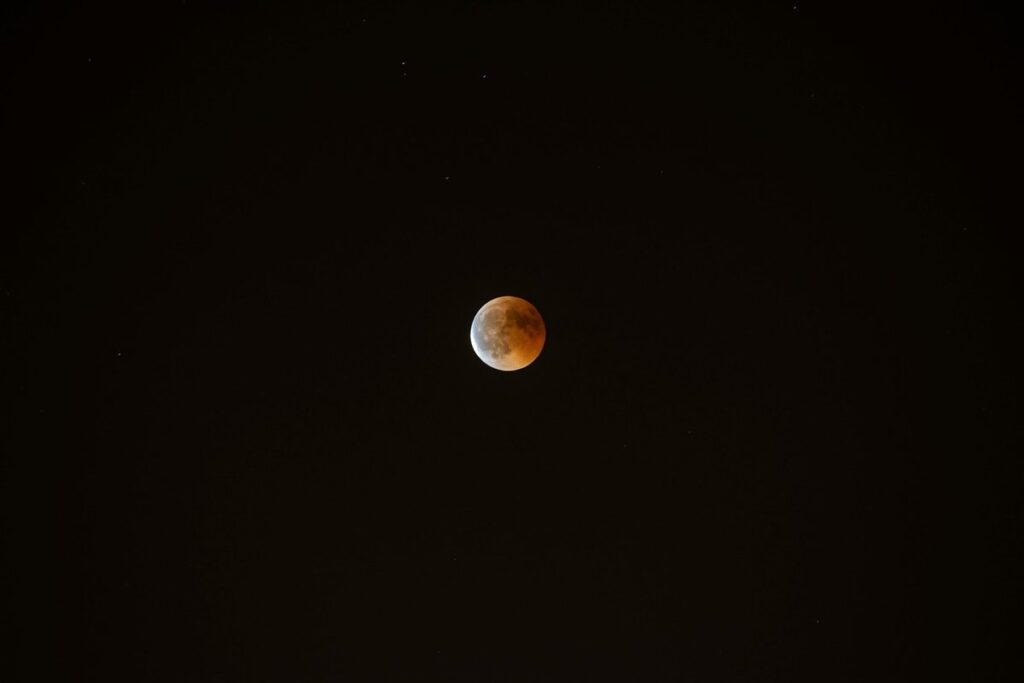
Lunar eclipses, on the other hand, happen when the Earth passes between the sun and the moon, casting a shadow on the lunar surface. This type of eclipse can only occur during a full moon phase. To record an eclipse in your journal, note the date, time, and duration of the event. You should also document any notable observations, such as the color or brightness changes on the moon’s surface.
Other notable lunar events include occultations, where a planet or star appears to pass behind the moon, and planetary alignments, which occur when multiple planets appear close together in the night sky. When observing these events, use binoculars or a telescope to get a closer look, but be sure to follow safe viewing practices. By recording and understanding eclipses and other lunar events, you’ll gain a deeper appreciation for the complexities of lunar astronomy.
Incorporating Moon Observation into Your Daily Life
Now that you have a basic understanding of moon journaling, let’s explore how to incorporate regular moon observation into your daily routine and make it a lasting habit.
Integrating Moon Journaling with Other Observational Activities
Combining moon journaling with other observational activities can breathe new life into your hobby. If you’re already an avid photographer, consider capturing the Moon’s phases through a lens. Use a DSLR or smartphone camera to document its changes and experiment with different lighting setups, such as shooting during twilight hours or with a reflector.
Artists can also incorporate moon observation into their creative process. Observe the Moon’s shape and position in relation to surrounding landscapes, using this visual information to inform your art. You might paint or draw specific lunar features, like craters or mountain ranges, or focus on capturing its emotive qualities.
Environmental monitoring enthusiasts can link their interest in tracking local weather patterns to observing the Moon’s cycles. Monitor changes in temperature and humidity during different lunar phases, noting how these factors affect plant growth, animal behavior, or other ecological phenomena.
Consider combining multiple activities by incorporating moon journaling into your nature walks, birdwatching excursions, or gardening routine. This multi-faceted approach allows you to weave together various interests and deepen your understanding of the natural world.
Mindfulness and the Benefits of Moon Observation
Observing the moon can be a calming and meditative experience, offering a natural respite from the stresses of daily life. As you gaze up at the night sky, you may find yourself becoming more present and focused on the moment. This mindfulness is closely tied to the therapeutic aspects of moon observation.
The lunar cycle’s influence on human emotions has been documented throughout history and across various cultures. Many ancient civilizations believed that the full moon brought heightened emotional states, while the new moon was associated with introspection and renewal. While these claims may be anecdotal, there is evidence to suggest a connection between lunar cycles and mood fluctuations.
To harness this therapeutic potential, try incorporating moon observation into your daily mindfulness practice. Set aside time each month to watch the moon rise or set, noting its phase and any changes in your emotional state. You might also find it helpful to create a “moon journal” that tracks not only the lunar cycle but also your observations of how you feel during different phases.
Overcoming Challenges in Moon Observation
As you continue on your moon observation journey, you’ll inevitably face obstacles that can hinder your progress and impact your enthusiasm. This is where developing strategies to overcome these challenges comes into play.
Common Mistakes to Avoid When Keeping a Moon Journal
When keeping a moon journal, one common mistake is incorrect phase identification. This can happen when observing from an unobstructed view, but not accounting for time zones or local solar time. For instance, if you’re observing the moon at 6 PM and it appears full, but your location is in a different time zone where it’s actually 9 PM, you might mistakenly record it as being full.
Another pitfall is inadequate record-keeping. This can be due to not having a clear system for tracking lunar phases or not including essential details such as date, time, and moonrise/set times. A good practice is to include sketches or drawings of the moon’s appearance, noting any notable features like craters or albedo variations.
To avoid these mistakes, it’s crucial to double-check your observations against a reliable lunar calendar or app. Also, establish a consistent recording system that suits your needs, such as using tabs for different phases or columns for tracking specific data points. Regularly reviewing and updating your journal can help you refine your observational skills and catch any discrepancies early on.
Troubleshooting Equipment Issues and Observational Problems
When faced with equipment issues and observational problems, don’t let them derail your moon journaling journey. First, check the basics: make sure your telescope is properly aligned and calibrated. A misaligned scope can lead to blurry or distorted images of the moon.
If you’re having trouble seeing the moon due to sky visibility concerns, look for clear skies on websites like NASA’s Sky Calendar or use mobile apps like Clear Outside that provide real-time weather forecasts. Be prepared to adapt your observation schedule accordingly.
Another common challenge is distinguishing between similar-looking lunar phases. To overcome this, study a reliable lunar phase calendar and consult images of the moon at each phase online. Practice observing the moon regularly, paying attention to changes in its appearance from one day to the next.
When dealing with telescope malfunctions, consult your user manual or contact the manufacturer’s customer support for troubleshooting guidance. In some cases, simply cleaning the optics may resolve issues with image quality.
Conclusion: Nurturing a Lifelong Passion for Moon Observation
As you continue on your moon observation journey, it’s essential to maintain enthusiasm and inspire future lunar explorations. This final chapter shares tips on nurturing a lifelong passion for moon gazing.
Encouragement to Continue Exploring the Lunar Cycle
As you continue on your moon observation journey, it’s essential to remember that mastering this skill takes time and dedication. The lunar cycle can be unpredictable, and phases may seem to blend together at first. However, with persistence and patience, you’ll begin to notice subtle changes and develop a deeper understanding of lunar astronomy.
Don’t be discouraged if you miss observing a phase or two – it’s not uncommon for beginners to struggle with accurately timing their observations. Instead, focus on refining your skills by consistently monitoring the moon’s movements and making adjustments as needed. For example, you might start by creating a schedule that allows you to observe the same phase at different times of day or month.
To deepen your understanding, try experimenting with different observational techniques. This could mean using a lunar calendar to track the moon’s position in relation to specific stars or constellations, or exploring the effects of varying weather conditions on your observations. By continuing to challenge yourself and refine your skills, you’ll not only improve your moon observation abilities but also develop a lifelong passion for astronomy.
Final Tips and Recommendations for Future Observers
As you continue on your moon observation journey, consider sharing your passion with others. Join online forums and social media groups dedicated to astronomy and lunar enthusiasts. Websites like Stargazer’s Lounge and The Moon Connection offer a wealth of resources, including discussion boards, event calendars, and observing tips.
To deepen your understanding of the lunar cycle, explore books by experienced astronomers and moon observers, such as “The Backyard Astronomer’s Guide” or “Moon observation: A Practical Guide.” These texts provide detailed information on lunar phases, eclipses, and other celestial events. You can also find free online resources like the United States Naval Observatory’s Data Services, which offer precise lunar data for planning your observations.
To connect with fellow moon enthusiasts, look into local astronomy clubs or attend stargazing events in your area. Many cities have observatories that host public viewing nights, offering a chance to see the moon and other celestial bodies up close through telescopes. By engaging with others who share your interest, you’ll not only learn more about the lunar cycle but also develop a sense of community and camaraderie among fellow observers.
Frequently Asked Questions
How Long Does it Take to See Notable Phases with the Unaided Eye?
It takes a few weeks of regular observation to develop your skills and become proficient in identifying notable phases, such as Full Moon or New Moon. Be patient and consistent in your observations, and you’ll start noticing changes in the moon’s appearance more easily.
Can I Use My Smartphone Camera for Recording Lunar Phases?
Yes, you can use your smartphone camera to record lunar phases, but it’s essential to note that image quality may vary depending on lighting conditions and equipment. Consider investing in a dedicated camera or using software to enhance your photos for better accuracy.
What If I Miss a Lunar Eclipse Due to Bad Weather or Unforeseen Circumstances?
Don’t worry if you miss an eclipse – lunar cycles are predictable, and there will be more opportunities to observe them in the future. Use online resources or apps to plan ahead and stay informed about upcoming eclipses.
How Do I Integrate Moon Journaling into My Busy Schedule?
Start small by dedicating 10-15 minutes each week to moon observation and journaling. You can incorporate it into your daily routine, such as during your morning coffee break or before bed. Consistency is key to developing a habit and reaping the benefits of moon journaling.
Can I Use Moon Observation Journaling for Personal Growth and Self-Reflection?
Yes, moon observation journaling can be a powerful tool for personal growth and self-reflection. By tracking lunar cycles and observing changes in nature, you’ll develop a deeper understanding of the interconnectedness of all things and cultivate mindfulness practices that promote emotional balance and well-being.