
Full moons have captivated human imagination for centuries, influencing art, literature, and even everyday behavior. You may be wondering when exactly these lunar events occur, and what makes them so significant in our lives. The full moon is a phase of the lunar cycle that happens approximately once a month, but its timing can vary depending on your location. Understanding when full moons happen and their cultural significance can help you appreciate the subtle yet profound impact they have on human behavior. In this comprehensive guide, we’ll delve into the world of full moon lunar cycles, exploring the phases of the moon, their effects on our lives, and what drives these periodic events. By the end of this article, you’ll be able to identify when a full moon is likely to occur in your area and appreciate its cultural and emotional resonance.
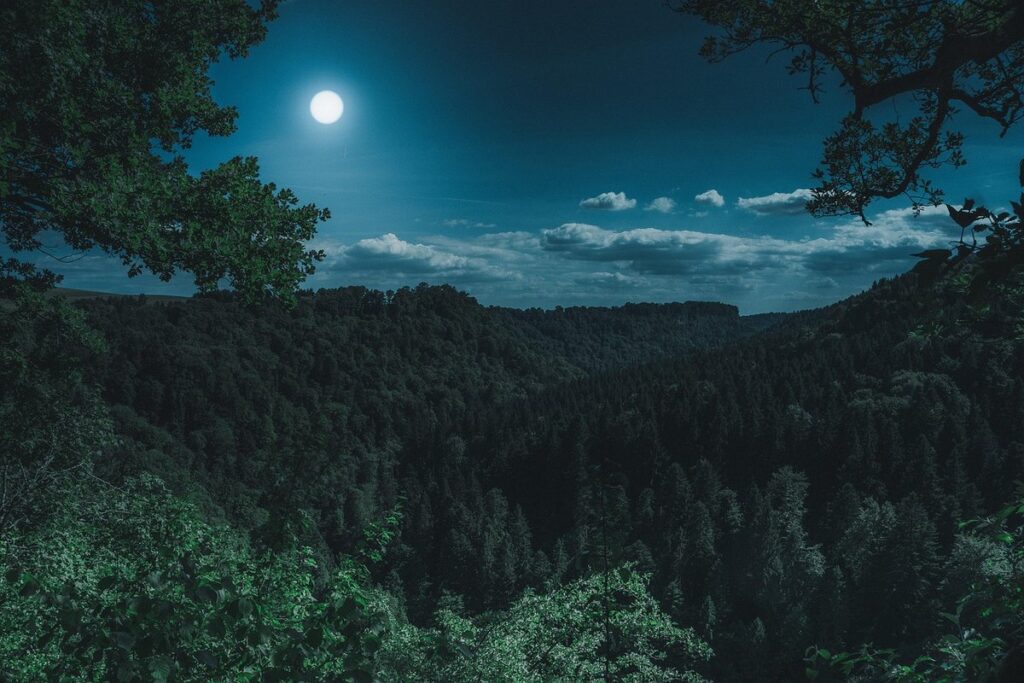
Understanding Lunar Cycles
To better grasp the timing of full moons, let’s explore the lunar cycle and how it affects the tides and our calendar. This is where things get really interesting.
What is a Full Moon?
A full moon occurs when the Moon is on the opposite side of the Earth from the Sun, making it fully illuminated by the Sun’s light. This alignment is known as opposition, and it’s what gives the full moon its distinct appearance.
Imagine a straight line connecting the Earth, the Moon, and the Sun. When the Moon is at one end of this line and the Sun is at the other, the entire face of the Moon is lit up by sunlight. This results in the full moon we see in the sky, which can be quite striking due to its brightness.
To understand why this alignment creates a full moon, consider the following: when the Moon is between the Earth and the Sun (known as a new moon), it’s not illuminated because the Sun’s light is shining on the side of the Moon facing away from us. Conversely, when the Moon is on the opposite side of the Earth from the Sun, the entire face of the Moon is exposed to sunlight, resulting in the full moon we observe.
This simple concept helps explain why there are approximately 12-13 full moons each year, as the lunar cycle repeats itself due to the Moon’s orbit around our planet.
How Often Do Full Moons Occur?
Full moons occur approximately once a month, as the lunar cycle is about 29.5 days long. However, this monthly frequency can be influenced by the Moon’s elliptical orbit around the Earth. This orbital variation causes the time between full moons to range from 29 to 30 days.
The Moon’s slightly ellipsoidal shape means its distance from Earth varies throughout the month. At its closest point, called perigee, the Moon is about 363,000 kilometers away. At its farthest point, apogee, it’s around 405,000 kilometers distant. This variation in distance causes the gravitational pull on the tides to fluctuate as well.
As a result, full moons don’t always occur exactly 29.5 days after the previous one. In some months, you might notice two full moons – a phenomenon known as a blue moon. Conversely, if the lunar cycle is shorter than usual, there may be only one full moon in that month. Keep in mind that these variations are relatively small and don’t significantly affect the overall frequency of full moons.
Phases of the Moon
The phases of the moon play a crucial role in determining when we’ll see a full moon, so let’s take a closer look at the lunar cycle. The moon orbits Earth every 29.5 days, creating eight distinct phases.
New Moon vs. Full Moon
New moon and full moon are two opposite phases of the Moon, with new moon marking the beginning and full moon marking the end of a lunar cycle. The key difference between these two phases lies in their positions relative to Earth. During a new moon, the side of the Moon facing Earth is not illuminated by the Sun, making it invisible from our planet. In contrast, during a full moon, the entire face of the Moon is lit up by the Sun, allowing us to see it in all its glory.
This opposition between new and full moon is a fundamental aspect of lunar cycles. It’s essential to understand this relationship when tracking full moons throughout history or predicting their occurrence. By recognizing that new and full moon are two sides of the same coin, you can better appreciate the rhythmic nature of lunar cycles and how they influence our perception of time.
To put it simply, a new moon represents the start of a new cycle, while a full moon marks its completion. Understanding this dynamic is crucial for anyone interested in lunar astronomy or wants to stay informed about when full moons occur.
Why Do We Have Different Moon Phases?
The changing angles between the Earth, Sun, and Moon are the primary cause of different phases appearing in the sky. This phenomenon is known as a lunar cycle, which repeats approximately every 29.5 days. As the Moon orbits the Earth, its position relative to our planet and the Sun shifts constantly.
As the Moon moves through its orbit, it passes through eight distinct phases: new moon, waxing crescent, first quarter, waxing gibbous, full moon, waning gibbous, last quarter, and waning crescent. The changing angles between the Earth, Sun, and Moon cause these different phases to appear in the sky.
For example, when the Moon is positioned between the Earth and the Sun, we see a new moon phase. As it moves away from this position, more of its illuminated surface becomes visible, resulting in the waxing crescent phase. This process continues until the full moon phase is reached, where the entire illuminated side of the Moon faces the Earth.
Understanding these lunar cycles can help you anticipate and plan for future full moons, as well as appreciate their beauty and significance in our lives.
Full Moons Throughout History
Throughout history, full moons have played a significant role in shaping cultures and traditions, from ancient festivals to modern-day celebrations. We’ll take a look at some of the most fascinating examples.
Cultural Significance of Full Moons
Full moons have been a source of fascination and inspiration for artists throughout history. In many cultures, full moons are associated with creativity, intuition, and emotional expression. For example, the full moon is often depicted as a symbol of feminine power in art and literature, reflecting its connection to the cyclical nature of life. Similarly, in agriculture, farmers have long been attuned to the full moon’s influence on planting and harvesting schedules, taking advantage of its association with fertility and growth.
In some cultures, full moons are seen as an opportunity for spiritual reflection and introspection. Many indigenous communities around the world hold ceremonies and rituals during the full moon, honoring its significance in their traditions. For instance, in many Native American cultures, the full moon is a time for vision quests and personal renewal.
To tap into the cultural significance of full moons, try incorporating their associations into your own practices. Whether it’s through art, writing, or spiritual reflection, embracing the symbolism of the full moon can be a powerful way to connect with its energy. Consider setting aside time during each full moon cycle to explore your creativity and tap into your intuition.
Famous Full Moon Events in History
The Harvest Moon, which typically falls in September or October, has been a significant event for farmers and agricultural communities throughout history. This full moon marks the beginning of the harvest season, and its timing is crucial for maximizing crop yields. In some cultures, the Harvest Moon is celebrated with festivals and rituals to ensure a bountiful harvest.
Another notable full moon event is the Blue Moon, which occurs when there are two full moons in a single month. This rare occurrence has been associated with various superstitions and myths over the centuries. For example, in some ancient cultures, a Blue Moon was believed to bring good luck and prosperity. However, it’s essential to note that a Blue Moon is simply an additional full moon, not a sign of impending doom or good fortune.
The Snow Moon, which typically falls in February, has also been immortalized in folklore. This full moon gets its name from the snow-covered landscapes that often accompany it. Its tranquil beauty has inspired numerous works of art and literature throughout history.
Identifying Full Moons
Identifying full moons requires a basic understanding of lunar cycles and timing. Let’s break down how to recognize a full moon in the night sky.
How to Determine When a Full Moon Occurs
To determine when a full moon occurs, you need to track the lunar cycle and understand which phase of the Moon corresponds to a specific date. The lunar cycle is approximately 29.5 days long, and it’s divided into eight distinct phases. Each phase has a unique name: New Moon, Waxing Crescent, First Quarter, Waxing Gibbous, Full Moon, Waning Gibbous, Last Quarter, and Waning Crescent.
By identifying the current lunar phase, you can determine when a full moon is approaching. For example, if it’s currently a Waxing Gibbous Moon, you know that the next full moon will occur within the next two to three days. You can use online lunar calendars or mobile apps that display the current and upcoming phases of the Moon.
It’s essential to note that the exact timing of the full moon depends on your location due to time zone differences. However, most lunar calendars and apps take into account these variations, providing an accurate prediction of when a full moon will occur in your area. By tracking the lunar cycle and using online resources, you can accurately determine when a full moon occurs and plan accordingly.
Lunar Calendars and Mobile Apps
Lunar calendars and mobile apps have revolutionized the way we track celestial events, making it easier to stay informed about upcoming full moons. These digital tools provide a range of features that cater to different user needs, from simple notifications to detailed astronomical data.
Many lunar calendars are available online, often in the form of websites or printable PDFs. Some popular options include NASA’s Moon Phase Calendar and the US Naval Observatory’s Data Services. These resources typically display the moon’s phase for a given date range, allowing users to plan ahead and schedule events accordingly.
Mobile apps dedicated to tracking full moons also abound, with many offering additional features like moonrise and moonset times, as well as astronomical data such as lunar eclipses and planetary alignments. Some popular options include Moon Phase Pro and Lunar Cycle. When choosing a mobile app or online calendar, consider your specific needs: do you want detailed astronomical information or simple notifications?
Effects of Full Moons on Our Lives
Many people feel a profound impact when there’s a full moon, from emotional shifts to physical sensations, and it’s essential to understand these effects. Let’s take a closer look at how this lunar event can influence our lives.
The Science Behind Full Moon Myths
Full moon myths have been a staple of folklore and popular culture for centuries. Many believe that full moons are associated with increased crime rates, strange behavior, and even supernatural occurrences. However, scientific research has consistently failed to support these claims.
Studies on the relationship between full moons and human behavior have shown no significant correlation. In fact, many researchers attribute the perceived increase in chaos during full moon phases to a phenomenon known as “apophenia” – the tendency for people to see patterns or meaning in random events. This can lead to confirmation bias, where individuals selectively focus on instances that support their preconceived notions.
The scientific community has also debunked myths surrounding the supposed effects of full moons on nature, such as increased animal aggression or unusual weather patterns. For example, a study examining the relationship between full moon phases and shark attacks found no significant link.
It’s essential to separate fact from fiction when evaluating the impact of full moons on our lives. By understanding the scientific basis behind these phenomena, we can better appreciate the complexities of lunar cycles and their effects on human behavior.
How Full Moons Influence Human Behavior
Research has attempted to quantify the effects of full moons on human behavior, with some studies suggesting a link between lunar cycles and increased emergency room admissions, accidents, and crimes. However, these findings are often disputed due to methodological flaws or lack of conclusive evidence. A 2007 study published in the journal Perceptual and Motor Skills found that moon phases were associated with changes in human behavior, particularly in relation to aggression and violence.
Despite mixed results, many people report experiencing heightened emotions during full moons, such as anxiety, irritability, or euphoria. Some attribute these feelings to the perceived increase in lunar energy, while others believe it’s due to increased stress levels caused by the full moon’s gravitational pull on the oceans. Whatever the reason, being aware of your emotional state during a full moon can help you prepare for potential mood swings.
To manage any adverse effects, try keeping a journal or tracking your emotions over several full moons to identify patterns and see if they’re related to lunar cycles. This self-awareness can help you develop strategies for coping with intense feelings, whether it’s through exercise, meditation, or seeking support from loved ones.
Frequently Asked Questions
Can I Use Lunar Cycles for Long-Term Planning?
Yes, lunar cycles can be a valuable tool for long-term planning, especially when combined with traditional calendars. By understanding the repeating patterns of full moons and other celestial events, individuals can better coordinate their activities and schedules to align with natural rhythms.
What If I Miss a Full Moon? Can I Still Use Lunar Cycles Effectively?
Yes, missing a full moon or two won’t disrupt your use of lunar cycles for planning. Since the cycle repeats every 29.5 days, you can easily adjust your schedule to accommodate any missed events and continue using lunar cycles effectively.
How Do I Deal with Conflicting Schedules Due to Lunar Cycle Variations?
When lunar cycles vary due to the Moon’s elliptical orbit, consider using a flexible scheduling approach that allows for adjustments based on the actual lunar cycle. This might involve creating a buffer zone in your calendar or being prepared to adapt your plans if needed.
Can I Use Mobile Apps for Accurate Full Moon Predictions Every Time?
While mobile apps can provide accurate full moon predictions, it’s essential to cross-check their data with other sources, especially during periods of high lunar cycle variation. This ensures you receive the most up-to-date and accurate information about upcoming full moons.
What if I’m Planning an Outdoor Event During a Full Moon? How Can I Minimize Disruptions?
To minimize disruptions from full moon lighting during outdoor events, consider timing your activities to avoid peak hours or using specialized lighting that’s designed to reduce glare. Additionally, communicate with attendees and staff about the lunar cycle schedule to ensure everyone is prepared for any potential challenges.